Freedom Is The Power To Choose Our Own Chains.
— Jean-Jacques Rousseau.
When nationwide protests — grounded upon civil liberties — had erupted in the UK following a renewed national lockdown on Jan. 5, 2021, the debate of security or freedom had returned to the global forefront of contemporary socio-political discourse. Many scientists pushed the government to pursue a “maximum suppression” strategy during the UK’s first wave of COVID-19 to prevent natural selection from carrying its course. Despite such warnings, an approach to endure the virus rather than eliminate it prevailed. With multiple concessions given to the public throughout the past year, the upholding of civil and economic liberties has undoubtedly contributed to the acceleration of the virus.
The UK stuck out amongst international communities following the spread of a new COVID-19 variant in late 2020. This was far from unavoidable as relaxed measures in combating the virus had created the conditions for mutations to occur. According to health analysis expert Edward Morgan, “Excess mortality was geographically widespread throughout the U.K…. whereas it was more geographically localised in most countries of Western Europe.” Members of the EU had subsequently banned travel and limited freight from the UK in efforts to protect themselves from the consequences of the UK government’s mismanagement.

Containment measures employed in other states have been far more effective in managing the virus. China, for instance, restricted civil liberties to new levels. The government had devised contact tracing apps which used personal data to assign colour codes that indicated whether the holder is a potential nidus of infection. Though this contributed to Wuhan’s Covid-free status, celebrations were dampened due to rising concerns over privacy.
It is fair to assume that the effects of a lockdown do not equate to the invasiveness of contact tracing. Thus, why do we, in the UK, maintain our struggles with restrictions that do not threaten our freedom as much as other intrusive measures enacted in other states, which have, in fact, helped them get out of this precarious situation that we still find ourselves in? Considering that the UK is now amongst the global leaders in cases and deaths, it is incumbent upon us to appeal to the successful health enactments in other parts of the world to acknowledge and accept that firmer measures go hand in hand with better crisis management.
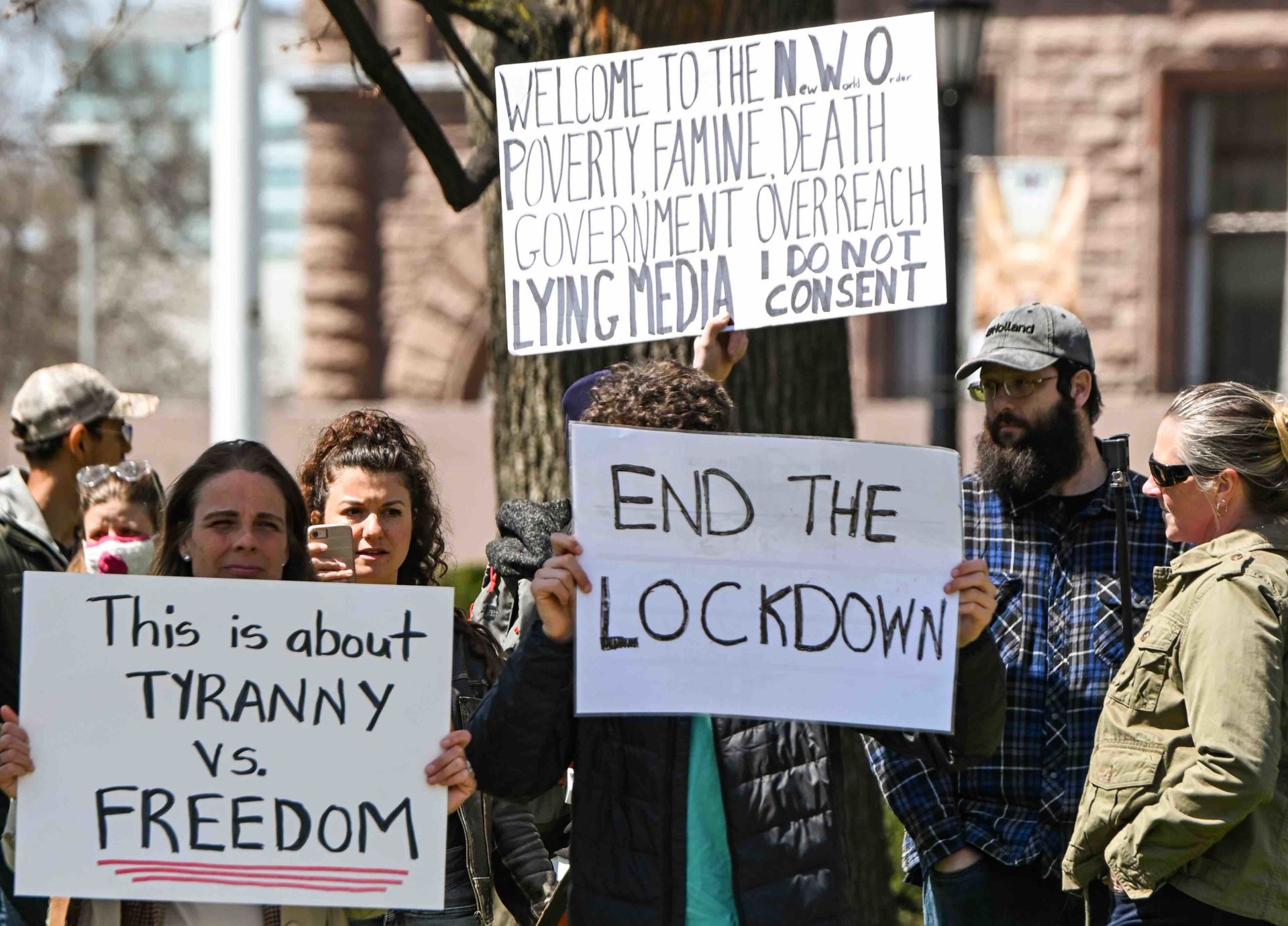
“My body my choice” has been the sentiment shared amongst protestors who argue that a lockdown impinges on their fundamental democratic liberties and posits itself as a measure more akin to authoritarianism. Some have also radically argued for their “right to be infected,” which has seen the emphasis on individual freedom taken to new dangerous extremes. The reality remains that a virus is contagious, thus promoting one’s right to be infected is indefinitely endangering the rights of others. This cynical individualistic attitude has prevented any amount of gratitude or consideration regarding the far more extreme protocols experienced in other states that we have been sheltered from. Our short-sighted view of a lockdown has seemingly reflected a nation that is so focussed on what we are currently deprived of, that we cannot — or refuse to — acknowledge the greater good that it may result in for the collective and the individual.
Freedom is good, but security is better. That is what English philosopher Thomas Hobbes believed, and it is ever more so relevant today. To establish any degree of societal order, some freedoms must be impinged upon. This is especially the case in a pandemic where imposed restrictions would limit contagions and thus save lives. Though to varying degrees, a lockdown is not the only measure that limits our freedom. Laws and regulations that limit and shape our behaviour have been established for centuries within developed societies as fundamental mechanisms that a society could not operate without. For instance, road laws that protect people from reckless and impulsive driving or hefty court sentences for egregious or violent crimes. If we cultivate a culture where the freedom of the individual presides over the security of the collective, it may forbode the ingraining of individualistic and anarchic tendencies within the fabric of our society.
The basic liberty of leaving one’s home to socialise with friends and family should not be undermined, but current circumstances dictate a matter of life and death. One may argue that measures enacted to protect our lives from a very real and present threat would be justified in temporarily stripping basic liberties irrespective of intrusiveness, as the value of many lives far outweighs the temporary inconvenience of the individual.
https://www.youtube.com/watch?v=PBBJVS_tNlM&ab_channel=TheSun
There is a primordial tradition within modern society of being freedom obsessed, and this notion of freedom embodies the same essence of individualism displayed amongst panic hoarders. Those within developed states have such vast amounts of liberties that we are constantly paranoid of governments as threats to what we have. This feeling of entitlement has left us blinded and isolated from more looming threats, be it climate change or far-removed conflict, the threats of which are very poignant realities in many parts of the world. The intensity of our dissent towards another lockdown reveals our obsession with freedom as a deeper issue within modern society.
The Power Of Community To Create Health Is Far Greater Than Any Physician Clinic Or Hospital.
— Mark Hyman.
During WWII, members of the British public banded together and cooperated for the greater good. People collected metals to provide military materials and obeyed food and gas rations to aid the war effort. Yet, the prevalence of protests, panic hoarding and violations of health protocols has seen the progressive demise of our past communal integrity and traditional values. How has our cultural conception of freedom become so synonymous to hedonism?
The rise of globalisation has increased accessibility to goods and services to new levels. Desirable materials have become less relevant in utility but more present as a symbol of individualism. “Things” have subsequently developed from mere wants to emotional needs. Perhaps our instant gratification and consumerist society has become so accustomed to certain freedoms — that allow us to get not only what we need, but what we want — that we have forgotten that they are privileges.
Related Articles: Is “Inclusive Capitalism” Part of the Way Forward? | COVID-19: The Women, Peace and Security Agenda at Risk
Our political and economic affairs have increasingly emphasised the importance of individual responsibility amongst the public. The notion of “individual freedom” has been repeatedly perpetuated by politicians to rebuke the enactment of any socialist policy or measure that benefits the collective. A neoliberal insistence upon privatising public sectors stems from an underlying notion that we are not, nor should we be, responsible for contributing to taxes that benefit others. This modern conception of freedom dictates that we should have the freedom to live only for ourselves and not be chained to the responsibilities of others, to where an act as simple as wearing a face mask becomes a debilitating shackle.
A capitalist ethos has been integrated into the culture of modern society. Its push for optimising profits has extended beyond its corporate understanding down to everyday life, where optimising wealth, property, freedom, and liberty is a desirable end irrespective of its societal consequences. The pursuit of one’s own interest has taken precedence over the moral responsibilities we have to our neighbours. Societal responsibilities, that were once considered as humanitarian endeavours for the greater good, risk becoming manipulated and defined as the antithesis of freedom. Yet, even if we concede that cooperating limits our liberties, is absolute freedom a desirable end?
Yes, freedom is important, but without boundaries we can become enslaved to it. As members of society, we are all responsible for each other. Cooperation is, in fact, in the best interest of all citizens even from an individualistic perspective as it may save some of us from our own impulses — for instance, our impulse to leave the house during a global pandemic. For the sake of mankind, let’s take care of each other by abiding to temporary health protocols instead of lusting at a misconstrued sense of freedom.
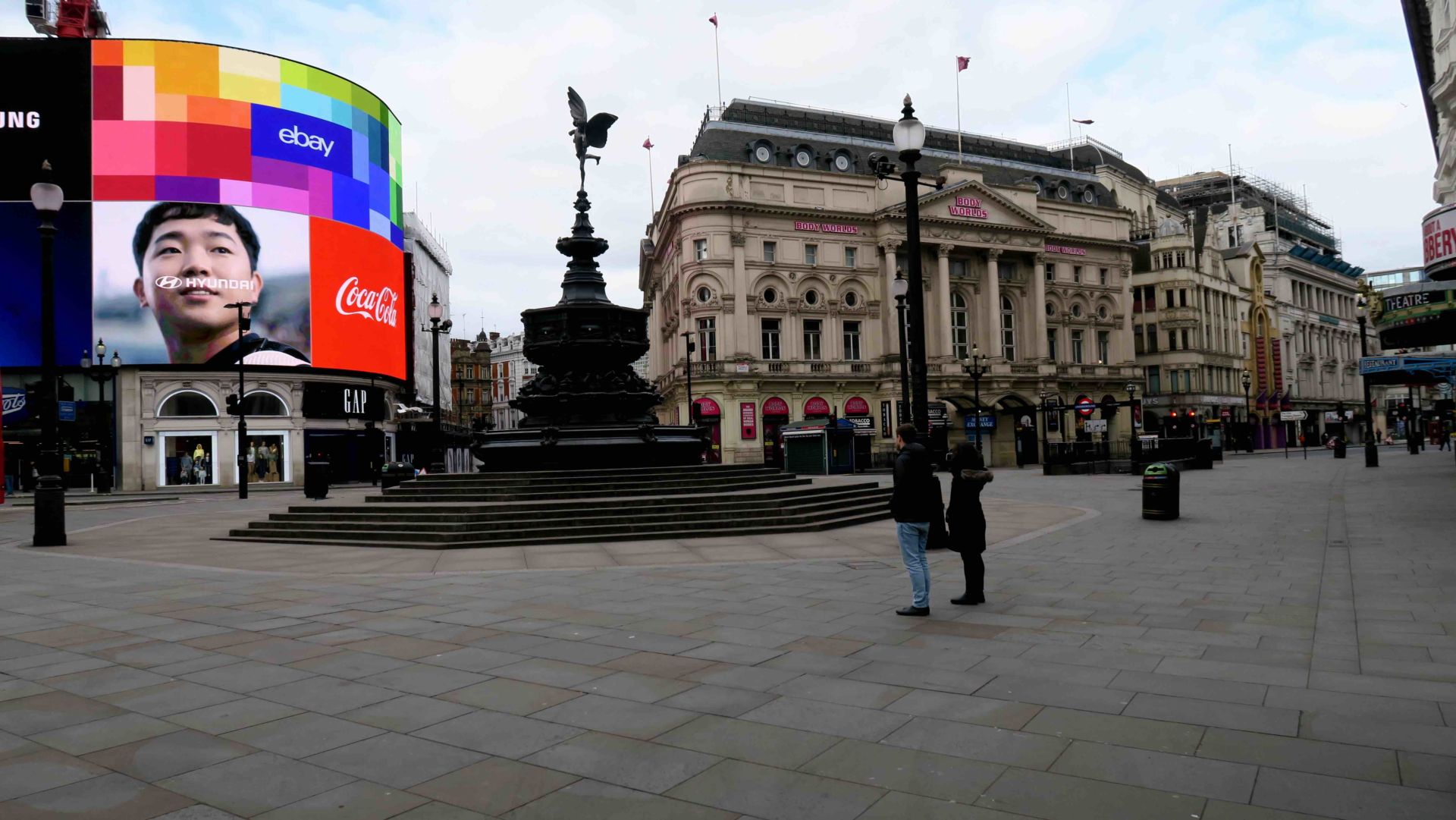
Editor’s Note: The opinions expressed here by Impakter.com columnists are their own, not those of Impakter.com. — In the Featured Photo: Piccadilly Circus during London COVID-19 lockdown. It’s a Saturday at 2:50 in the afternoon. Usually, the area would be swarming with tourists and visitors. Only casual passers stop for a moment. Featured Photo Credit: Wikimedia Commons.