Impakter
  • Environment
    • Biodiversity
    • Climate Change
    • Circular Economy
    • Energy
  • FINANCE
    • ESG News
    • Sustainable Finance
    • Business
  • TECH
    • Start-up
    • AI & Machine Learning
    • Green Tech
  • Industry News
    • Entertainment
    • Food and Agriculture
    • Health
    • Politics & Foreign Affairs
    • Philanthropy
    • Science
    • Sport
  • Editorial Series
    • SDGs Series
    • Shape Your Future
    • Sustainable Cities
      • Copenhagen
      • San Francisco
      • Seattle
      • Sydney
  • About us
    • Company
    • Team
    • Global Leaders
    • Partners
    • Write for Impakter
    • Contact Us
    • Privacy Policy
No Result
View All Result
Impakter logo
No Result
View All Result
Daily Meat Consumption Is Falling, but Is it Falling Fast Enough?

Daily Meat Consumption Is Falling, but Is it Falling Fast Enough?

People in the UK are now eating 17% less meat than they were 10 years ago, a new study finds

Henrietta McFarlanebyHenrietta McFarlane
October 26, 2021
in Environment, Food, Food and Agriculture
0

The study, published in the Lancet Planetary Health, has shown that the amount of meat eaten per person each day in the UK fell from 103.7g to 86.3g between 2008 and 2019. This included a 13.7% reduction in daily red-meat consumption, a 7% reduction in processed meat, and a 3.2% increase in white meat. 

Despite this positive reduction in meat consumption in the UK, Christina Stewart from the University of Oxford has said that “we now know we need a more substantial reduction.” The National Food Strategy has recommended that meat consumption should fall by 30% over the next 10 years in the UK to significantly reduce the environmental impact of our diets.

The National Food Strategy is focused on building a better
food system for a healthier nation. Read our plan 👇 https://t.co/q2bjaSPchU #NationalFoodStrategy pic.twitter.com/S4vs9Yxfl0

— National Food Strategy (@food_strategy) July 15, 2021

The relationship between food and climate change

Food systems around the world are major contributors to climate change. The Intergovernmental Panel on Climate Change (IPCC) has reported that the global food system is responsible for an estimated 20-30% of total greenhouse gas emissions, occupies half the world’s habitable land, uses 70% of the freshwater we consume, causes three quarters of all water pollution, and is the single biggest contributor to biodiversity loss. 
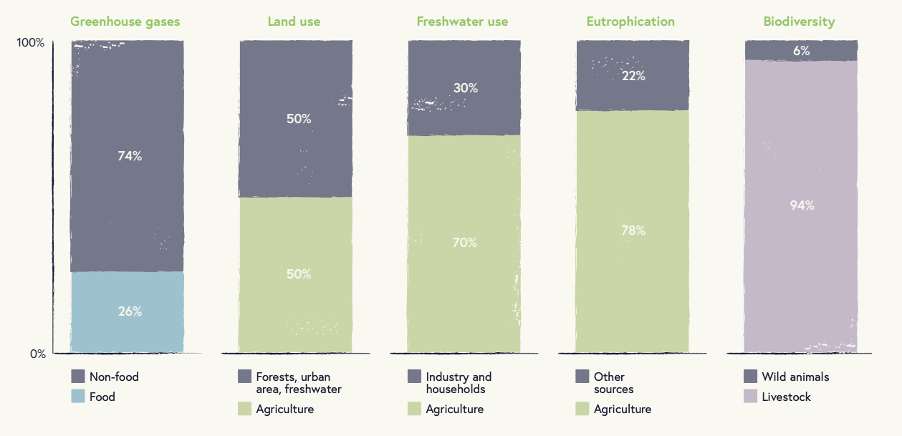
Figure 2 taken from the National Food Strategy: 2020 Report, an independent review for the UK Government

Whilst these more general links between food systems and climate change could not be clearer, the debates as to how to solve the problem and which sectors of the food industry are more problematic than others are far from straightforward. One significant debate has been the quarrel over the correlation between meat-eating and greenhouse gas emissions.

However, the UN climate change report has stated that balanced diets featuring plant-based and sustainably produced animal-sourced food “present major opportunities for adaptation and mitigation while generating significant co-benefits in terms of human health.” 

What are the implications of the Lancet report?

In the Lancet Planetary Health report, no details were offered as to why the UK’s daily meat consumption has fallen. However, market research in 2019 suggested that nearly 40% of meat-eaters were actively trying to reduce their consumption with a view to environmental or health reasons.  

The report highlighted that there is a huge variation in the environmental impact of meat. For example, it depends on how the livestock are fed, how the meat is produced and where it comes from. Dr Stewart and her colleagues have been looking at what influence “environmental impact labelling” might have on consumer choices. Furthermore, it has been argued that availability and variety of meat free options would affect what people buy.  

Whilst vegetarian and vegan diets are more popular than ever in the UK, it seems that the UK is not yet on track to meet the National Food Strategy‘s target and cut meat consumption by another 30% in the next 10 years. These investigations into tailoring public health policies and behavioural nudges towards more sustainable options will be crucial in meeting these targets.


Related Articles: Three Global Problems, One Solution: Plant-based Meat  | The Bullfight Between Plant Based Meat and Beef  

Is there adequate support for reaching food sustainability goals globally?

Leaked documents obtained by Unearthed in September revealed how a coalition of meat industry associations, including the International Meat Secretariat and International Poultry Council, called for the UN to support an increased global meat consumption. The associations argued that “advances in intensive livestock systems” would “contribute to the preservation of planetary resources.” Members of the association account for most of the meat supply chain. 

"Meat industry pushes factory farming at UN food systems summit." Yet another industry with a combination of denial, greenwashing and blinkers. https://t.co/XZvC60PO73 via @UE

— Climatehope (@climatehope.bsky.social) (@Climatehope2) September 24, 2021

Michael Fakhri, the UN special rapporteur on the right to food, has warned that these powerful agribusinesses might “dominate the discussions” at the UN food systems summit which took place on Sept. 21, 2021. The Summit aimed to set the stage for “global food systems transformation to achieve the Sustainable Development Goals by 2030.” It is unclear as to the extent of the influence meat industry associations had on the Summit, but it is clear that there is a problem if big businesses in the meat industry are continuing to push for the boosting of an industry directly linked to climate change.

Even if individuals are beginning to take responsibility for cutting their own meat consumption, without adequate support from bigger organisations, the shift to more sustainable food sources will not happen quickly enough. Instead of focussing on dissuading the UN from its work in reducing the scale of the meat industry, bigger organisations could be building an innovative pathway towards meat-free or more sustainable solutions for global food systems.


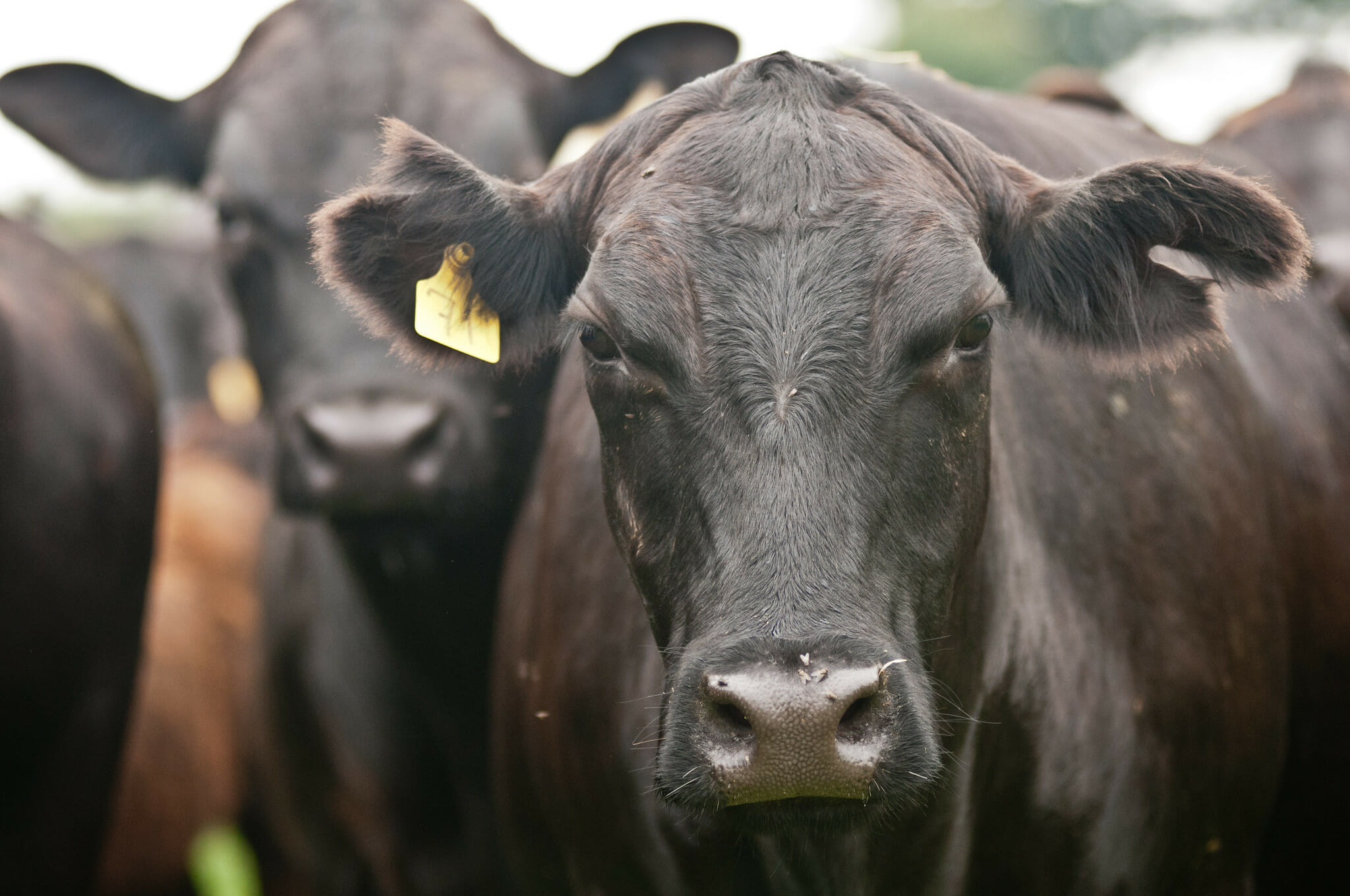
Editor’s Note: The opinions expressed here by Impakter.com columnists are their own, not those of Impakter.com. — In the Featured Photo: Black Angus cows and calves graze in Adamstown, MD on Friday, July 12, 2013. Featured Photo Credit: US Department of Agriculture. 

Tags: Food and Agriculture Organization of the United NationsMeat industrySustainabilityuk
Previous Post

The IMPAKTER ECO Story

Next Post

Hurting People and Hurting the Planet: Fossil Fuel Subsidies

Related Posts

ESG News regarding Trump’s visit to Davos, 32 fossil fuel firms producing half of global carbon emissions, Europe’s growing dependence on U.S. energy, Netflix bidding for Warner Bros Discovery
Business

Trump Pushes to Acquire Greenland During Davos Visit

Today’s ESG Updates Trump Pushes for Greenland: At Davos, Trump is pressing to acquire Greenland for U.S. security interests despite...

byAnastasiia Barmotina
January 21, 2026
soil
Biodiversity

To Prevent Ecological Collapse, We Must Start With the Soil

Soil is the single most biodiverse habitat on Earth, home to at least 59% of all species, including over 80%...

byMarcela Quintero - Associate Director General of Research Strategy and Innovation at the Alliance of Bioversity International and CIATand1 others
January 15, 2026
ESG News regarding Dimon warning that Trump’s attacks on Fed could raise inflation and rates, Venezuelan oil shipments to China setting to plunge under U.S. blockade, UK awarding offshore wind contracts to power 12m homes, 2025 being the third-hottest year on record as climate science faces political pushback
Business

JPMorgan CEO Warns Trump’s Attacks on Fed Could Raise Inflation and Rates

Today’s ESG Updates Dimon Warns Trump’s Fed Attacks Could Raise Inflation: JPMorgan CEO says Trump’s criticism of the Fed could...

byAnastasiia Barmotina
January 14, 2026
News about sustainability in the publishing industry
Environment

How the Publishing Industry Addresses the Carbon Footprint of Books

Books are ever-present in our lives: we look through picture books when we are children, study textbooks in school and...

byAnastasiia Barmotina
January 8, 2026
Freshwater
Environment

Renewable Water Availability per Person Plunges 7% in a Decade as Global Scarcity Deepens

Renewable water availability per person has continued to decline by a further 7% over the past decade, while pressure on...

byThe Food and Agriculture Organization of the United Nations (FAO)
December 23, 2025
ESG news regarding UK households navigating lower savings amid tax pressures, EU dairy products facing Chinese provisional duties, new trade deal to boost India-New Zealand commerce, Glencore acquiring majority stake in FincoEnergies
Business

Disposable Income Falls as UK Interest Rates Drop

Today’s ESG Updates UK Disposable Income Falls: Higher taxes reduce incomes as the saving ratio falls to 9.5% and real...

byAnastasiia Barmotina
December 23, 2025
Canada Sets Green Investment Rules; UK Regulator Probes WH Smith; Louvre Workers Call Off Strike;Trump Allies Clash With Fannie, Freddie Staff.
Business

A New Rulebook for Green Capital: Canada

Today’s ESG Updates Canada Sets Green Investment Rules: Canada will introduce a sustainable investment taxonomy by 2026 to label green...

byEge Can Alparslan
December 19, 2025
EU confirms UK goods will face carbon border levy until emissions markets are linked
Business

UK to Face EU Carbon Border Levy Until Markets Are Linked

This Week’s Regulatory Updates EU Rules Out UK Exemption From Carbon Border Levy: The European Union has confirmed that UK...

byJana Deghidy
December 19, 2025
Next Post
Hurting People and Hurting the Planet: Fossil Fuel Subsidies

Hurting People and Hurting the Planet: Fossil Fuel Subsidies

Recent News

End-to-End Logistics

Understanding the Role of Transportation in End-to-End Logistics

January 22, 2026
Work Visa Agents in Australia

10 Trusted Skilled and Work Visa Agents in Australia for Visa Applications

January 22, 2026
ESG News regarding China’s wind power strategy, global renewable energy leadership, U.S. criticism at Davos, and the future of low-carbon energy cooperation

China Defends Wind Power Strategy at Davos

January 22, 2026
  • ESG News
  • Sustainable Finance
  • Business

© 2025 Impakter.com owned by Klimado GmbH

No Result
View All Result
  • Environment
    • Biodiversity
    • Climate Change
    • Circular Economy
    • Energy
  • FINANCE
    • ESG News
    • Sustainable Finance
    • Business
  • TECH
    • Start-up
    • AI & Machine Learning
    • Green Tech
  • Industry News
    • Entertainment
    • Food and Agriculture
    • Health
    • Politics & Foreign Affairs
    • Philanthropy
    • Science
    • Sport
  • Editorial Series
    • SDGs Series
    • Shape Your Future
    • Sustainable Cities
      • Copenhagen
      • San Francisco
      • Seattle
      • Sydney
  • About us
    • Company
    • Team
    • Global Leaders
    • Partners
    • Write for Impakter
    • Contact Us
    • Privacy Policy

© 2025 Impakter.com owned by Klimado GmbH