


Today’s ESG Updates
- Climate Adaptation Funding Is Falling Behind: The UNEP claims funds are falling well below the $305 billion needed annually until 2035 to help developing nations deal with ever frequent extreme weather events. Funding has not grown since 2022, reaching only $28.2 billion in 2024.
- EU Cuts Back On 2027 Agenda: The Commission aims to solidify the single market, modernise industry and grow its defences in a period of rising uncertainty. It will prioritise competitiveness and security as Ursula von der Leyen’s second term nears its end.
- Renewables Save Spain $26 Billion On Imports: According to the International Energy Agency, the large-scale deployment of solar and wind power saved Spain billions in costs on natural gas imports over the years.
- US Midterms Ignite Hope for Renewables: After president Trump’s war on clean energy, the market value of US renewable energy developers rose following the Democrats win.
Adaptation finance stalls while climate impacts accelerate
The UN’s 2026 Adaptation Gap Report found that funds to aid poorer countries for climate change have remained much lower than required. Of the $305 billion needed each year, 2024 only reached $28.2 billion. In the same year, the least developed countries received 16% less support than two years before.
With 99% of the 765 million people affected by flood and landslides coming from low- and middle- income nations, last year’s COP30 agreed to triple adaptation finance funding by 2035, which would still only meet less than 30% of what is needed. The report also estimates that adaptation finance needs from these countries will reach $420 billion a year by 2035, with events such as droughts, fires and heatwaves becoming more frequent and more severe.
The report highlights growth in other areas: after more than doubling in 2024 from 2019, financing from multilateral development banks and between developing countries has increased significantly in 2025. In the upcoming COP31 summit, climate justice groups claim adaptation finance is the most urgent issue.
Klimado – Navigating climate complexity just got easier. Klimado offers a user-friendly platform for tracking local and global environmental shifts, making it an essential tool for climate-aware individuals and organizations.
EU cuts back on legislative agenda for 2027

According to its annual Work Programme and related annexes released on Wednesday, the Commission aims to give priority to competitiveness and economic stability, getting rid of proposals that have no chance of passing and outdated regulations. It wishes to strengthen the single market and bypass administrative delays to face upcoming geopolitical challenges.
Key initiatives on energy include letting go of reforms that change the way energy is taxed, an energy “simplification package” to meet the 2040 climate goals, and a Clean Heat Market Mechanism to support the transition to heat pumps. Regarding sustainability, a major law against greenwashing will be withdrawn. It was meant to complement the Empowering Consumers directive, but had to be discarded over excessive reporting obligations for companies.
The FIDA proposed regulation on Financial Data Access will also be withdrawn. It would have given third parties access to financial data from asset managers and other financial heavyweights. It was supposed to boost innovation in fintech, but was rejected by traditional financial firms, especially insurers. A banking simplification and competitiveness package will be presented in the first quarter of 2027.
Related Articles
Here is a list of articles selected by our Editorial Board that have gained significant interest from the public:
Renewables save Spain $26 billion on gas imports
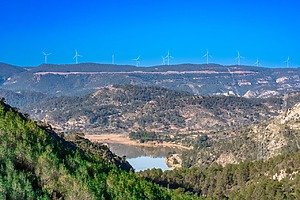
According to a report published on Thursday by the International Energy Agency (IEA), from 2011 to 2024 Spain has saved $26 billion in costs on natural gas imports. This is due to its large-scale deployment of solar and wind power. The increase in renewables defended the country from fossil fuel price shocks and kept lower wholesale electricity prices.
Spain’s renewable electricity capacity more than doubled over the past decade and its greenhouse gas emissions fell by a fifth, but challenges remain in electrification and cutting fossil fuels in the transport and heating sectors. Despite relatively low wholesale electricity prices, taxes and network charges keep consumer prices high.
The report recommended Spain review its fiscal framework for energy, cutting taxes to support electrification. It claimed it should consider extending nuclear reactors past 2035, by which five of them are planned to phase out. The report also suggested measures to reinforce Spain’s power grid, which was hit by a historic black out last year.

U.S. midterms ignite hope for renewables
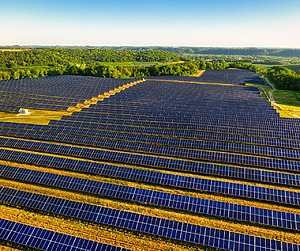
Following the Democrats’ triumph at the midterm elections, the market value of U.S. renewable energy developers grew across financial centres. After President Donald Trump’s war on clean energy, this was a victory for the global renewable energy industry.
Ørsted, the world’s largest offshore wind developer, saw its value increase almost 10% only hours after the election results, and closed 5% higher. The company had lost over 70% of its market value following Trump’s return in 2025. Other European renewables companies active in the U.S. also increased their share prices, such as French utility Engie and Germany’s RWE.
There is no binding U.S.-wide clean energy target, but 24 states plan to reach completely clean electricity or net zero emissions between 2035 and 2050. There have been mounting doubts regarding AI data centres posing a threat to these goals by increasing reliance on gas power plants, but the Democrats’ control of the House of Representatives and their majority in the Senate might minimise the possibility of further obstruction.
Editor’s Note: The opinions expressed here by the authors are their own, not those of impakter.com — Cover Photo Credit: alfian light