Impakter
  • Environment
    • Biodiversity
    • Climate Change
    • Circular Economy
    • Energy
  • FINANCE
    • ESG News
    • Sustainable Finance
    • Business
  • TECH
    • Start-up
    • AI & Machine Learning
    • Green Tech
  • Industry News
    • Entertainment
    • Food and Agriculture
    • Health
    • Politics & Foreign Affairs
    • Philanthropy
    • Science
    • Sport
  • Editorial Series
    • SDGs Series
    • Shape Your Future
    • Sustainable Cities
      • Copenhagen
      • San Francisco
      • Seattle
      • Sydney
  • About us
    • Our Story
    • Team
    • Partners
    • Write for Impakter
    • Contact Us
    • Privacy Policy
No Result
View All Result
  • Environment
    • Biodiversity
    • Climate Change
    • Circular Economy
    • Energy
  • FINANCE
    • ESG News
    • Sustainable Finance
    • Business
  • TECH
    • Start-up
    • AI & Machine Learning
    • Green Tech
  • Industry News
    • Entertainment
    • Food and Agriculture
    • Health
    • Politics & Foreign Affairs
    • Philanthropy
    • Science
    • Sport
  • Editorial Series
    • SDGs Series
    • Shape Your Future
    • Sustainable Cities
      • Copenhagen
      • San Francisco
      • Seattle
      • Sydney
  • About us
    • Our Story
    • Team
    • Partners
    • Write for Impakter
    • Contact Us
    • Privacy Policy
No Result
View All Result
Impakter
No Result
View All Result
plastics chemicals

Chemicals in Plastics: The Current State of Knowledge

A new UNEP report aims to support the negotiation process to develop an instrument on plastic pollution as called for by the UN Environment Assembly, identifying ten priority use sectors where chemicals of concern have been found in plastic products, including toys and other children’s products, packaging (including food contact materials), and electrical and electronic equipment

byInternational Institute for Sustainable Development (IISD)
August 24, 2023
in Environment

Chemicals in plastics must be addressed as part of ongoing global action to combat plastic pollution, according to a new report published by the UN Environment Programme (UNEP).

The report emphasizes that such chemicals are often overlooked and provides the current state of knowledge on chemicals in plastics, and aims to inform the global community about chemical-related issues of plastic pollution with respect to their adverse impacts on human health and the environment, and on resource efficiency and circularity.

The report, Chemicals in Plastics: A Technical Report, aims to catalyze action to transition to safe and sustainable material cycles. It indicates such a transition needs to involve all stakeholders along the plastics value chain, including regulatory authorities, industries involved in plastic manufacturing and use, waste managers and recyclers, scientists from multiple disciplines, and consumers and the general population.

Detailing potential areas for action, the report aims to support the negotiation process to develop an instrument on plastic pollution, and outlines publicly available scientific studies and initiatives focused on chemicals in plastics and the science-policy interface.

According to the report:

  • more than 13,000 chemicals associated with plastics and plastic production have been identified across a range of applications;
  • ten groups of chemicals are identified as major concerns due to their high toxicity and potential to migrate or be released from plastics, including specific flame retardants, certain UV stabilizers, and per- and polyfluoroalkyl substances (PFASs), among others;
  • more than 3,200 of 7,000 substances associated with plastics have one or more hazardous properties of concern; and
  • women and children are particularly susceptible to these toxic chemicals, with exposures during fetal development and in children while male fertility has also been negatively impacted.

The report further identifies ten priority use sectors where chemicals of concern have been found in plastic products, including toys and other children’s products, packaging (including food contact materials), electrical and electronic equipment, synthetic textiles and related materials, furniture, building materials, medical devices, personal care and household products, and agricultural/aquaculture/fisheries plastics.


Related Articles: New UN Treaty Focused on Plastic Pollution | Plasticosis: A Synthetic Health Crisis Waiting in the Wings? | Why We Should Not Reuse Plastic Water Bottles

The report recommends the following actions to help reduce chemical-related impacts of plastic pollution:

  • reduce plastic production and consumption, beginning with non-essential plastics;
  • design and manufacture plastics that are free of chemicals of concern;
  • avoid regrettable substitutions and shifting burdens, and conduct chemical alternatives assessments and life cycle assessments to identify substitutes;
  • improve transparency along the entire plastics value chain;
  • update regulatory testing guidelines; and
  • develop robust regulatory waste management frameworks, giving specific attention to protecting the informal sector.

The report also highlights the need for capacity-building for:

  • developing, implementing, and enforcing national legal frameworks and policies;
  • identifying and implementing solutions and chemical substitutions, especially among small-and medium-sized enterprises;
  • supply chain management, including on transparency and information sharing;
  • conducting chemical hazard, exposure, and risk assessments;
  • waste management capacity and technology; and
  • local and international networks to support companies or sectors that cannot develop capacity themselves.

The report was developed by UNEP in cooperation with the Secretariat of the Basel, Rotterdam, and Stockholm Conventions. The Governments of Norway, Sweden, and Switzerland provided financial support for the report.

— —

This article was originally published by the International Institute for Sustainable Development (IISD) and is republished here as part of an editorial collaboration with IISD.


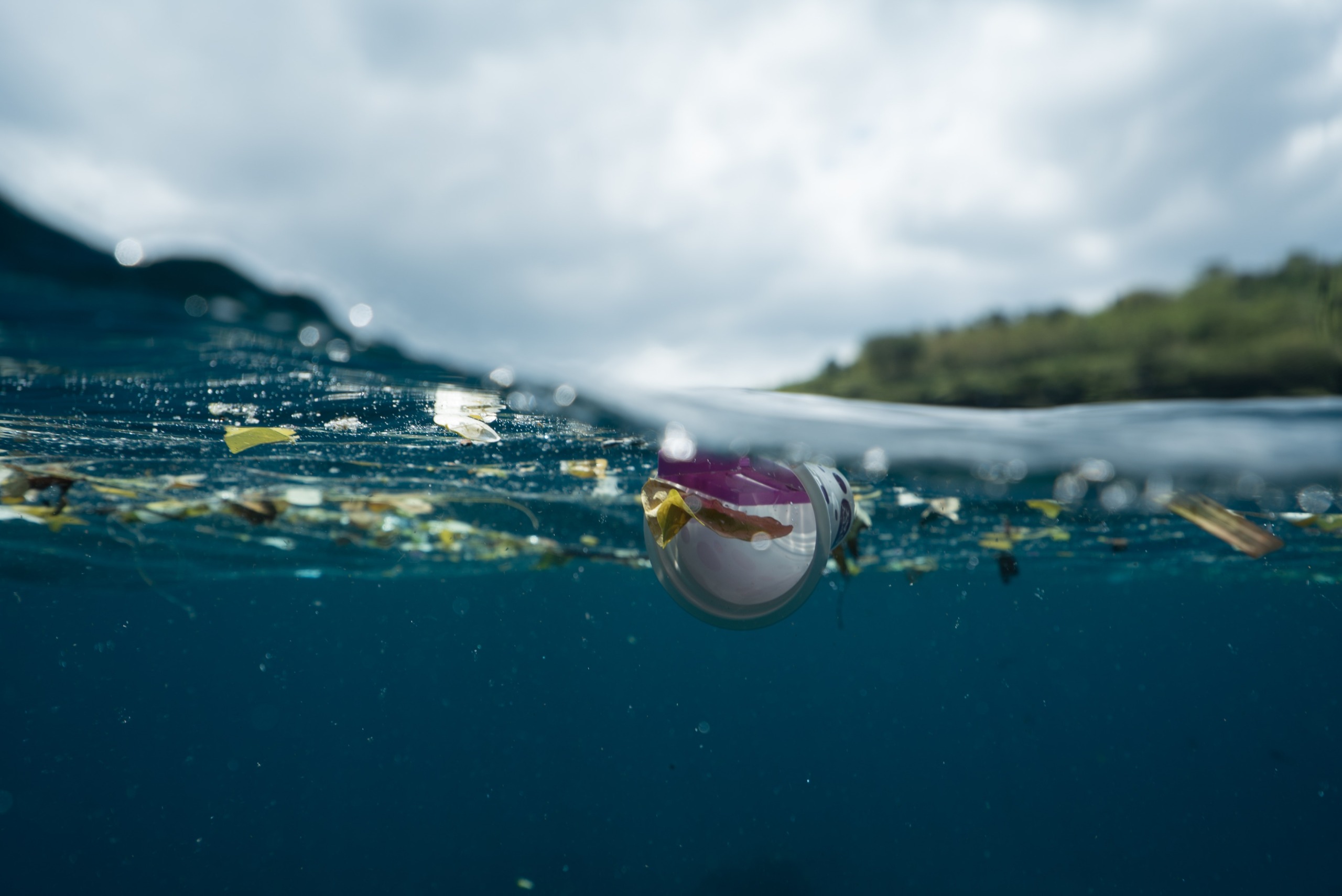
Editor’s Note: The opinions expressed here by the authors are their own, not those of Impakter.com — In the Featured Photo: Plastic floating in the sea. Featured Photo Credit: Pexels.

Share: Facebook X LinkedIn
Tags: Chemicals in plasticChemicals in Plastics: A Technical ReportIISDInternational Institute for Sustainable DevelopmentPlastic PollutionUN Environment ProgrammeUNEAUNEP
Previous Post

Powered by the Wind: First Cargo Ship With ‘WindWings’ Sets Sail

Next Post

A Giant Leap for India: Chandrayaan-3 Spacecraft Reaches the Moon

Related Posts

How Georgia Made One Health a Priority
Biodiversity

How Georgia Made One Health a Priority

April 28, 2026
Independent Textile Factory in Manali India
Circular Economy

How Smart Fabrics Can Clean Pollution — and Generate Power

April 27, 2026
New U.S. Tariffs and One Health: The Likely Consequences
Business

Glyphosate on Trial: To Ban or Not Ban?

April 25, 2026
Next Post
A Giant Leap for India: Chandrayaan-3 Spacecraft Reaches the Moon

A Giant Leap for India: Chandrayaan-3 Spacecraft Reaches the Moon

Related News

ESG news regarding Brazil’s coral reef decline linked to climate change and human activity, Italy extending fuel tax cuts to ease rising energy costs, Naturgy reporting higher profits amid elevated energy prices, and Chinese solar manufacturers facing continued losses despite growing overseas demand.

Rising Temperatures Threaten Brazil’s Abrolhos Reefs

April 30, 2026
United Nations General Assembly Hall in the UN Headquarters

Peace First: Why the Next UN Secretary-General Must Recenter the Organization on Its Founding Purpose

April 30, 2026

Impakter informs you through the ESG news site and empowers your business CSRD compliance and ESG compliance with its Klimado SaaS ESG assessment tool marketplace that can be found on: www.klimado.com

Registered Office Address

Klimado GmbH
Niddastrasse 63,

60329, Frankfurt am Main, Germany


IMPAKTER is a Klimado GmbH website

Impakter is a publication that is identified by the following International Standard Serial Number (ISSN) is the following 2515-9569 (Printed) and 2515-9577 (online – Website).


Office Hours - Monday to Friday

9.30am - 5.00pm CEST


Email

stories [at] impakter.com

By Audience

  • TECH
    • Start-up
    • AI & MACHINE LEARNING
    • Green Tech
  • ENVIRONMENT
    • Biodiversity
    • Energy
    • Circular Economy
    • Climate Change
  • INDUSTRY NEWS
    • Entertainment
    • Food and Agriculture
    • Health
    • Politics & Foreign Affairs
    • Philanthropy
    • Science
    • Sport
    • Editorial Series

ESG/Finance Daily

  • ESG News
  • Sustainable Finance
  • Business

About Us

  • Team
  • Partners
  • Write for Impakter
  • Contact Us
  • Privacy Policy

© 2026 IMPAKTER. All rights reserved.

No Result
View All Result
  • Environment
    • Biodiversity
    • Climate Change
    • Circular Economy
    • Energy
  • FINANCE
    • ESG News
    • Sustainable Finance
    • Business
  • TECH
    • Start-up
    • AI & Machine Learning
    • Green Tech
  • Industry News
    • Entertainment
    • Food and Agriculture
    • Health
    • Politics & Foreign Affairs
    • Philanthropy
    • Science
    • Sport
  • Editorial Series
    • SDGs Series
    • Shape Your Future
    • Sustainable Cities
      • Copenhagen
      • San Francisco
      • Seattle
      • Sydney
  • About us
    • Our Story
    • Team
    • Partners
    • Write for Impakter
    • Contact Us
    • Privacy Policy

© 2026 IMPAKTER. All rights reserved.