If you were intrigued by the headline of this article, then either you are working in the Big Data & analytics space or you are working as a gender expert driving social programs & policies in the public sector space. Or on a third note, you are someone like me. Someone who is passionate about guiding better socio-economic policies, decision making and investment by harnessing the power of big data.
How Big is Big Data?
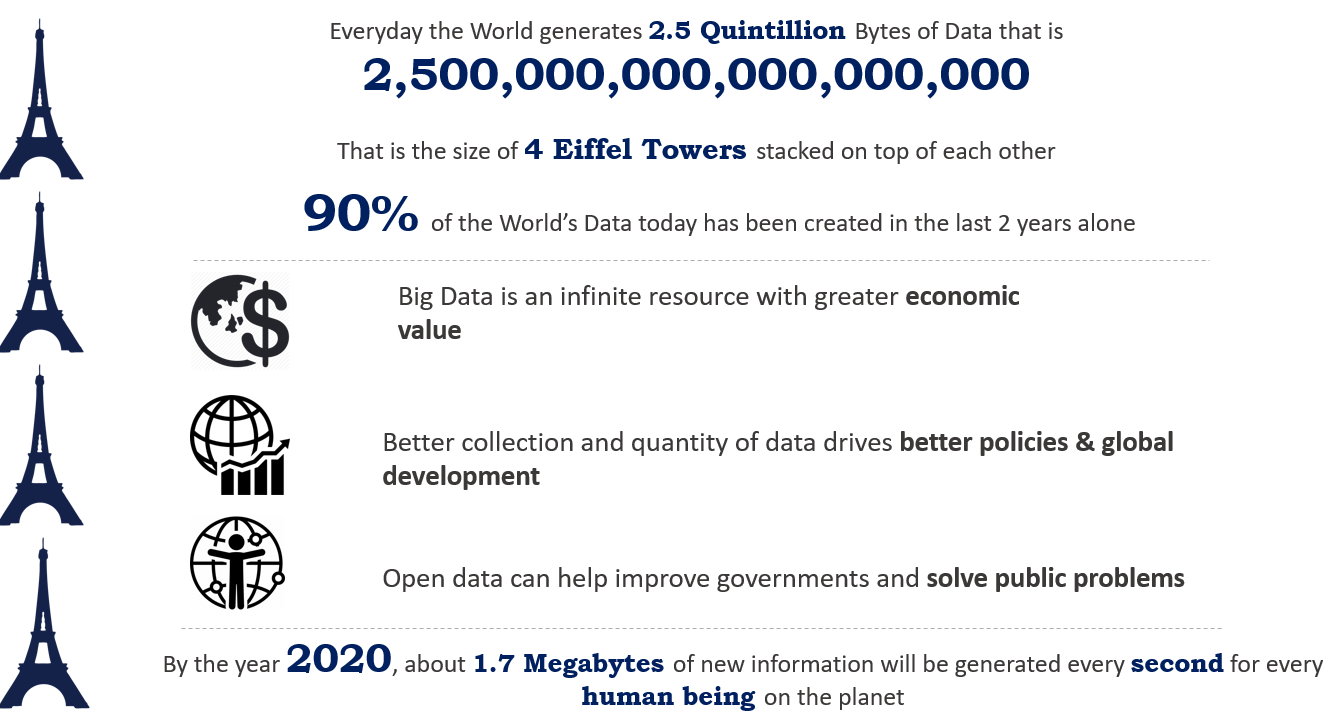
Before we talk about gender equality let’s talk about how big is the ‘Big Data’? According to Forbes, every day the World generates about 2.5 quintillion bytes of data that is 2,500,000,000,000,000,000. That is about the size of 4 Eiffel towers stacked on top of each other. Moreover, 90% of the World’s data has been generated in the last two years alone. The Internet of Things (IoT) has largely accelerated this growth.
EMC2 states that by the year 2020, about 1.7 megabytes of data or new information will be created every second for every human being on this planet. Moreover, big data is an economic commodity surpassing the value of oil. Data never really sleeps or stops; it is an infinite resource that drives greater economic value if harnessed timely and appropriately. Better collection, quantity and transparency of data allows for a better qualitative approach for socio-economic policies & programs. According to Omidyar Network & Governance Lab (NYU) open data can: a) help improve governments, b) empower citizens, c) create new opportunities and d) helps solve big public problems with citizens and policymakers.
Related Topics: Big Data Working Towards Health – Gender Equality through Technology and Crowdsourced Data– End Gender Discrimination
Given the above facts and figures, we should ask what percent of the social sector and government organizations are implementing and using big data & analytics to achieve better global outcomes. When I was a speaker at a major national big data & analytics conference last year in U.S., the representation from Government and Social Sector, NGOs were only about 4%. Topmost industries being private sectors like Consulting, Technology Retail, etc. The private sector largely employs data scientists, engineers and analytics professionals than the public or social sector. The majority of data scientists are either busy helping corporations harness the power of data to maximize their top line or minimize their bottom line for revenue growth and ROI (return on investment).
The Value of Data in Building Better Policies
Most international development organizations lack an understanding of data science, intelligent technologies and lack the presence of quality data scientists. Contrary to this, experts like sociologists, economists and climate change scientists understand the value of data. However, they lack the ability to collaborate across, lead innovation and work with data scientists to create better policies. How else could the Governments have missed the 2008 global recession? How has global warming remained a constant problem for over 30 years? And why should it take the World about 100 years to achieve gender equality?
When I launched 360ImpactData.Org, I was largely driven by two things: a) Curiosity to know how large or wide are the gender gaps, really? And b) Passion about harnessing the power of Big Data & Analytics to tell better, data-driven stories and help drive decision making efforts. My curiosity was timely. The UN released the Sustainable Development Goals for 2030 and openly encouraged data scientists to work on it. I began independently, analyzing some of the critical, global gender-disaggregated indicators released publicly by UN and other international development organizations. I wanted to see the data on men and women visually and understand these important questions. How big is the problem, can we size it? How does it affect women & girls? What parts of the World lacked gender development & why? Why did policies or programs succeed or fail?
Competition of SDGs
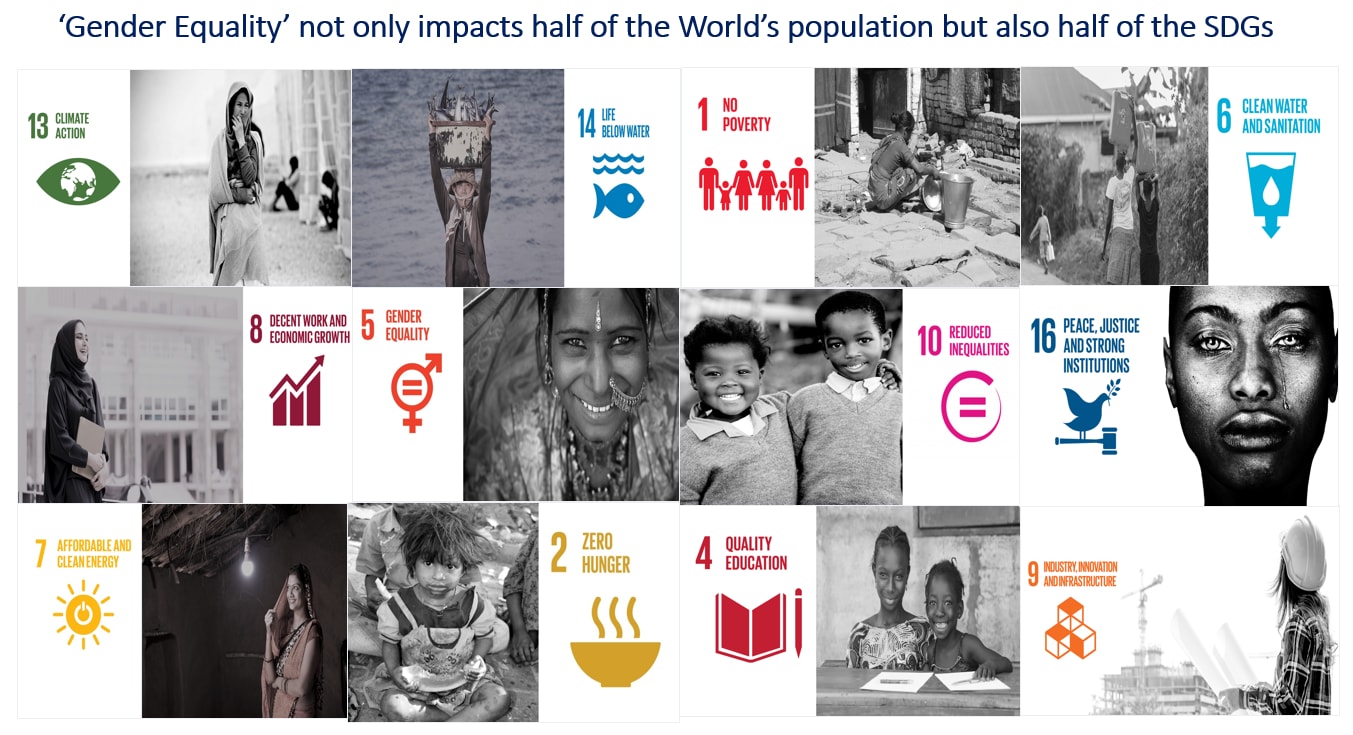
It is obvious that women & girls face greater gender disparities than men & boys, the global human development index shows lopsided development with women still lagging. What doesn’t add up is that women aren’t a minority. We are talking about half of the World’s population left behind consistently on every critical indicator. Even though gender equality (SDG 5) is laid out as an important goal for 2030 however, it is still projected to be achieved in about 100 years on average according to World Economic Forum; a progressive economy like the U.S. will take about 200 years to close the gap. Moreover, gender equality tends to take a backseat when the World is busy prioritizing other critical issues like Climate Change, Renewable Energy Resources, Water & Sanitation, Poverty & Hunger, Education, Peace & Justice etcetera.
Asking the Right Questions
To me, the most obvious question is what if all these issues are interlinked with each other? What if we set gender equality as a critical goal to be achieved only to benefit 50% of the World’s population but to help achieve other critical goals simultaneously? Could we harness the power of big data and understand more closely how to solve this issue from a more holistic and comprehensive viewpoint? It is important to understand that big data does not simply solve any problem. We must know how to ask better, insightful questions to collect and use this information.
Editor’s Picks – Related Articles:
Is Gender Equality a Numbers Game?
No Person Left Behind: How Using Data Can Reduce Inequality
Gender Inequality: A Multifaceted Issue
Gender Inequality is not a problem that can be solved by addressing a few indicators or indexes on women & girls, rather this is a multifaceted and multidimensional problem that affects and is affected by all the global indicators. For example, when it comes to education (SDG 4) compared to boys more girls drop out of schools or do not enrol in schools for various reasons like child marriage, FGM/C practice, socio-cultural norms, poor access to water & sanitation, unpaid care work etc.
A similar trend can be seen for Global Health and Wellbeing (SDG3). Women, on average, have a longer life expectancy. However, they face poor health outcomes throughout their lives when compared to men. Poverty (SDG 1) & hunger (SDG 2) tends to affect women & girls more unfavorably than men and boys. Women tend to be the poorest of the poor lacking access to finance and employment opportunities. Girls also face stunted growth and poor health outcomes during their early years compared to boys. One reason for this is often due to heavy male bias in many countries.
The interconnectedness of Global Issues
UN states that globally, for every 100 men there are 122 women living in extreme poverty. Our report highlights how lack of access to water & sanitation (SDG 6) again leaves women & girls at a greater disadvantage resulting in poor health, education and economic outcomes when compared to men and boys. Moreover, according to ILO & Australian Water Association at just about 15%, women lack representation in water management & sanitation sectors globally. Natural catastrophes & disasters due to climate change (SDG 13) impacts women & girls more negatively than men & boys resulting in: a) high mortality rates for women & girls and b) refugee crisis where women & girls face larger disparities with health & education and are subjected to greater incidents of gender-based violence (eg: Child Marriage, Rape, Trafficking).
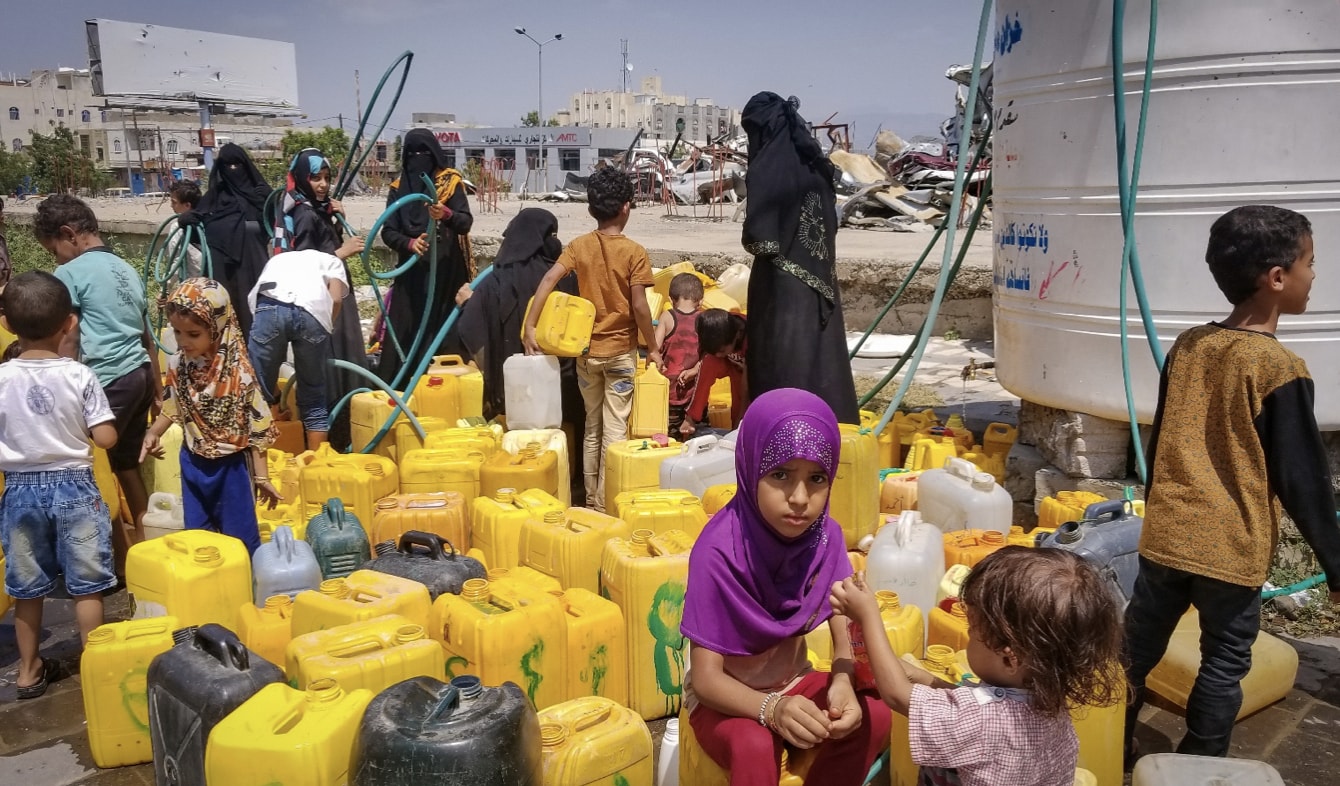
According to Human Rights Watch report girls in Bangladesh were married off early due to extreme poverty, during the floods, an economic bargain for families to fix their homes post floods and feed fewer mouths. Lack of peace, justice & strong institutions (SDG 16) also affects women & girls more adversely for example, war and ecological crisis in Yemen led to the refugee situation resulting in poverty and lack of access to food & water; where girls as young as 3 were being married off for food according to OXFAM report. With the above examples, we can see how gender inequality is inter-linked with climate change, war, refugee crisis, poverty, hunger, education, health, gender-based violence and water & sanitation.
Women’s Participation Leads to Positive Outcomes
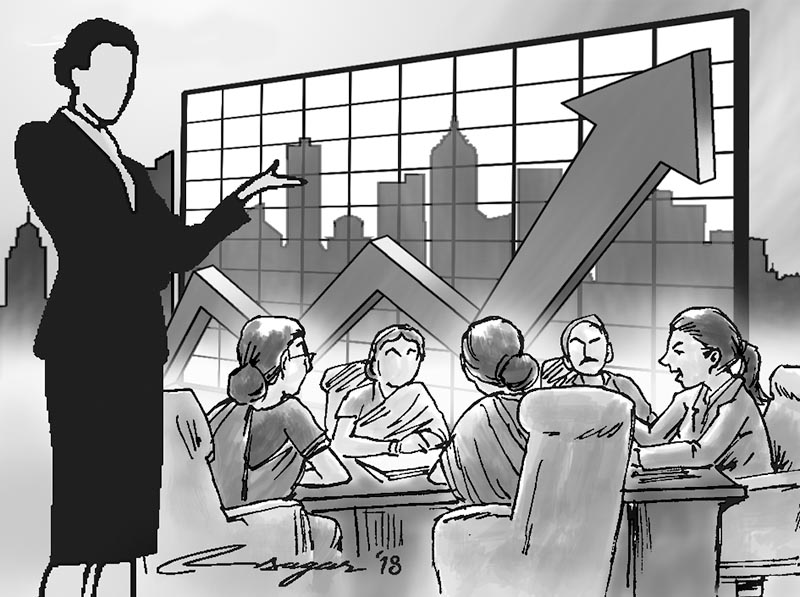
Lack of data-driven policies and equal participation of women on decision making tables leads to skewed development. Research already shows that equal participation of women yields better outcomes for families, communities, corporations and countries. For example, when women in Hoto village, Pakistan were allowed to participate in water management decisions they gave better, cost-effective solutions which resulted in girls going to schools.
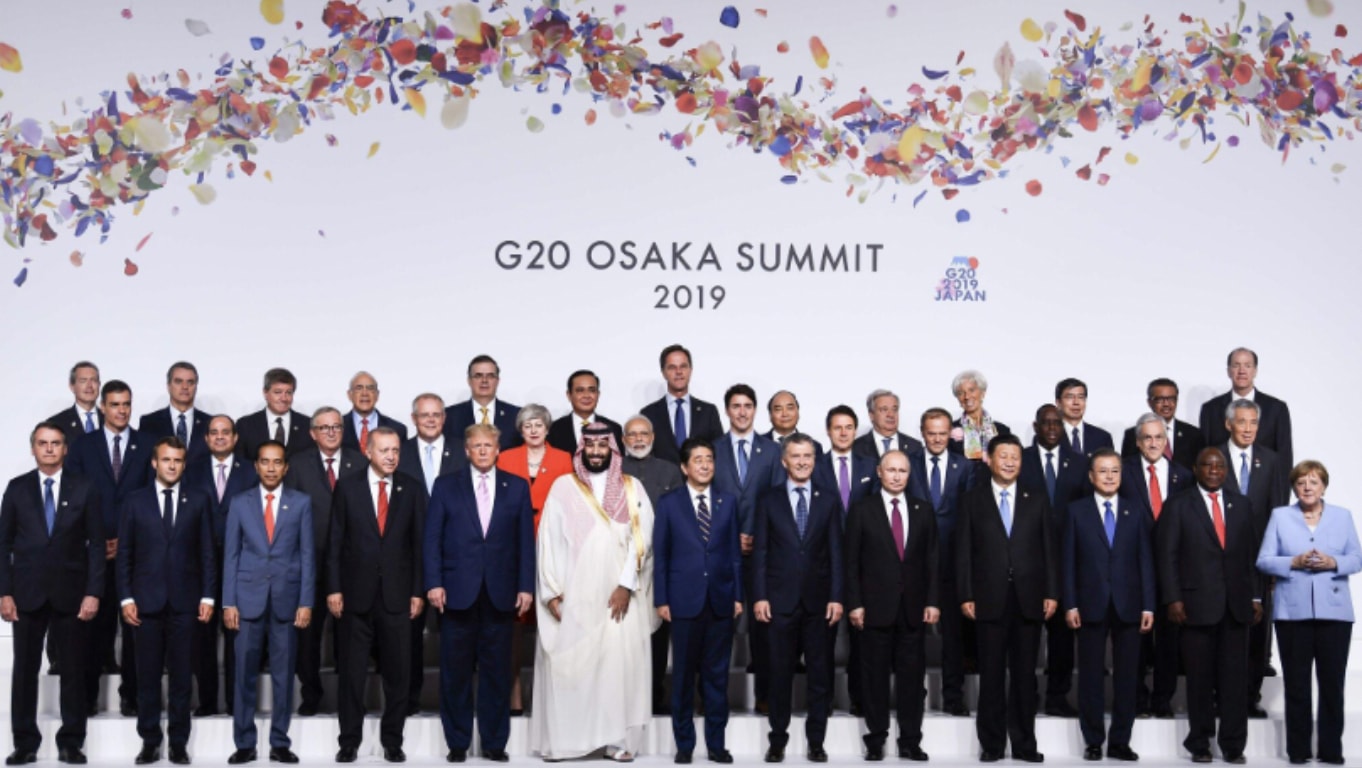
Research by Inter-parliamentary Union shows that countries with gender-balanced parliaments implement better, gender-balanced policies, have a narrower gender pay gap and drive higher GDP for the country. Organizations like EDGE (Economic Dividends for Gender Equality) also show that corporations with gender-balanced leadership along with equal growth opportunities for women implement better employment policies and yield greater ROI, revenue growth. Yet, on average global women’s representation is only about 25% both in corporate leadership and parliamentary roles. Recently, a lack of women’s participation has been criticized even on global World summits where major policies and decision making for World progress are discussed for example G20 Summit 2019 and World Economic Forum.
Women lack representation even in global peacebuilding & negotiations. It is of no surprise then that lopsided policy gets passed and discussed lacking true insight and intelligence, for example, the United States’ questionable position on breastfeeding during the UN’s World Health Assembly Forum 2019.
The Need for Comprehensive Policy
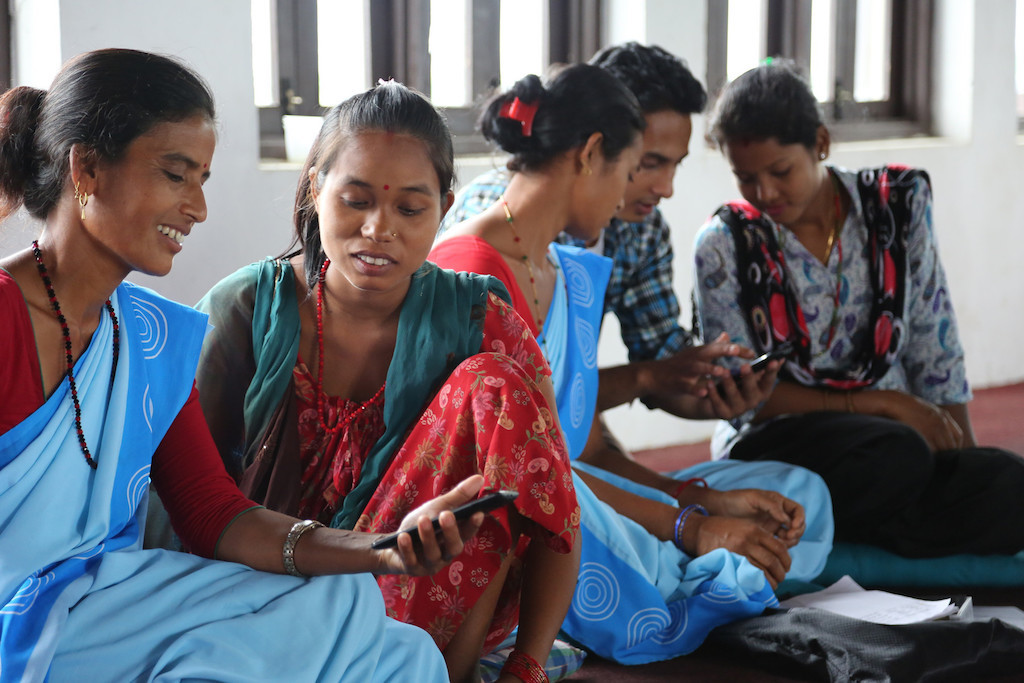
India’s failing universal banking policy ‘Jan Dhan Yojana’ is supposed to give financial access to women. However, the policy fails to address that, a) women lack financial literacy, b) they cannot get any credit without any savings, c) unpaid care work eats into their time to go to a bank or ATM and in some remote areas women don’t have access to safe transportation to go to banks and c) there are pre-existing barriers to women’s participation in labor force. Also, the U.K.’s unsuccessful parental leave policy for fathers failed to address the existing gender pay gap and rising childcare costs. This led to a lack of maternal labor force participation.
Data Collection as Biased
To ensure global progress it is a social, political and economic no-brainer to strive for gender equality. This includes giving women equal opportunity, equal representation and collecting better gender data. The collection of gender data alone remains a challenge, to begin with. The majority of global indicators are not gender-disaggregated and data collection in some parts of the World is poor quality. In Melinda Gate’s words “data is sexist” wherein not only do we lack data collection on women & girls but also data collection that does happen is biased. Governments and organizations only collect what is thought to be important and measurable for women & girls and therefore it is not all-inclusive. A lot of the data that the World generates every second and every day is also inaccessible. This is largely because organizations and countries that collect it are not always transparent.
At 360ImpactData.Org we are striving to bring more gender data to light to give a more realistic, holistic image of women & girls, to tell better data stories, to generate awareness for common public and to help drive better policies and decision-making efforts. As we bring more data to light, it will help generate more critical questions. Moreover, it will identify the gaps or missing data points more closely. Our hope is to be able to invest in the right technologies to harness the gender data collaborate with NGOs, Governments and the Private Sector to reach more innovative approaches and solutions.
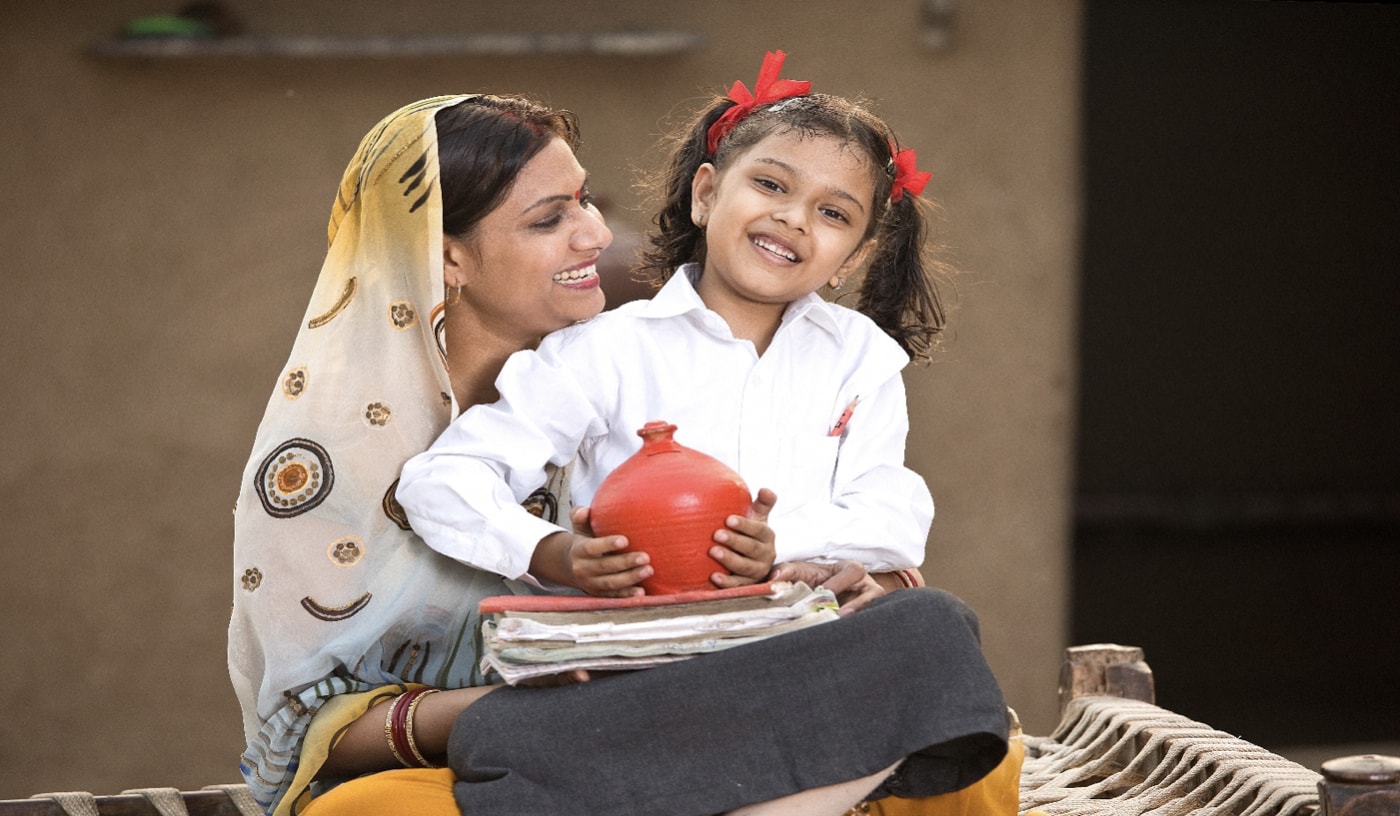
In the Cover Picture: Women’s Profile in Background of Illustration of Global Data. Photo Credit: 360ImpactData.Org.
Editor’s Note: The opinions expressed here by Impakter columnists are their own, not those of Impakter.com.