The phrase “the birds and the bees” is a story many parents tell their children to deflect the question, “where do babies come from?” And the title of a song by Jewel Akens, “The Birds and the Bees,” written 60 years ago, is about the natural world, flowers, trees, and, of course, birds and bees.
These are lovely thoughts to be sure, but unfortunately there are far fewer bees now in the United States, in Europe, and elsewhere, posing serious threats to food security and biodiversity. While the same is largely true for birds, which are also pollinators and in serious decline, the focus here is on bees. In short, their losses are far more damaging than most of us are aware of or think much about.
The situation
In the United States, in 2025, honeybee colonies will face record-breaking losses, with scientists warning that the impact could be felt in agricultural production. Washington State University entomologists said annual commercial honeybee colony losses “could reach 60 to 70%.” Over the past decade, “annual losses have typically ranged between 40 and 50%.”
While it’s too early in the season to know exactly why colony losses are higher this year, Priya Chakrabarti Basu, an assistant professor of pollinator health and apiculture at WSU, suspects a combination of stressors including nutrition deficiencies, mite infestations, viral diseases, and possible pesticide exposure during the previous pollinating season.
“Losses have been increasing steadily,” she said. “Pollination demands haven’t gone down, so beekeepers face tremendous pressure to keep the same number of colonies to meet those needs.”
Another expert, Juliana Rangel, an entomologist at Texas A&M University who has been studying bee hives in her lab, said that potential explanations include changing habitats and weather patterns, but that there is no certain answer.
In Europe, the situation is somewhat different but also troubling: “Populations of wild honeybee colonies currently represent demographic sinks in five out of six countries. With an estimated population decline of 65% per decade, the honeybee should be considered ‘Endangered’ in the wild in Europe,” explain the authors of a a recent report.
So why the fuss about losses in bee populations?
As the landmark 2019 report from the Intergovernmental Science-Policy Platform on Biodiversity and Ecosystem Services (IPBES) notes: “Sacred passages about bees in all the worlds’ major religions highlight their significance to human societies over millennia.”
And over 100 million years of evolution, bees learned how to be the perfect pollinators. Their relationship with plants enables them to adapt to what flowers to feed on, and by moving from flower to flower, allows plants to produce over long distances.
Further, today, ”three-fourths of the world’s flowering plants and about 35% of the world’s food crops depend on animal pollinators to reproduce. That’s one out of every three bites of food you eat. More than 3,500 species of native bees help increase crop yields.”
In short, bees play a crucial role in our ecosystem, pollinating crops consumed by humans and providing feed for animals, and their declines pose a serious threat to food security and biodiversity. Bees are critical links between human, animal, plant, and ecosystem health. Known as “One Health,” four United Nations agencies widely accepted definition is that it is ”an integrated, unifying approach that aims to sustainably balance and optimize the health of humans, animals, plants, and ecosystems.”
But to start with, some basic information on why bees are such good pollinators. They are very good because of their physical attributes, specifically the hair on their bodies that collect pollen, and their behavior of visiting multiple flowers.
What bees do for us
Human food production
As noted, the world’s food crops depend on animal-mediated pollination, primarily by bees. Crops such as fruits, vegetables, nuts, and seeds require bees for optimal yield and quality. Examples include apples, almonds, blueberries, and cucumbers, but there are many more.
Food for animals
Many crops that feed livestock also rely on pollination. For instance, alfalfa and clover are vital forage crops that support the cattle industry and depend on bees for pollination. Thus, livestock health and productivity are directly tied to the availability of nutrient-rich forage, which in turn affects meat and dairy production.
Related Articles: Why We Must Protect Bees: The Planet Depends On Pollinators | Plants That Help Protect Bees | All About Bees: Benefits Of Honey, Bee Pollen And Beeswax | Climate Change Impacts Insects | How Much Does it Cost to Let a Species Go Extinct?
Bee populations decline: What are the implications?
Basic food security concerns
In many countries, these natural pollinators face major threats from pesticide use, habitat loss, climate change, and disease. This means reduced pollination rates, which, in turn, directly and indirectly affect food production. Alternative options, such as using chemical pollination or increased pesticides to compensate for the loss of bee populations, harm biodiversity and soil health.
Increasing food costs
Reductions in pollination can lead to lower crop yields, which can lead to higher prices for fruits, vegetables, and animal products. For families with limited income, food costs are a substantial portion of their budget and affect what choices they make in their diet.
Ecosystem health at risk
Bees contribute to the reproduction of a wide variety of plants that are integral to ecosystem health, providing habitat and food for other species, including birds and insects. For example, the widespread use of neonicotinoid pesticides has been shown to impair bee navigation and reproduction. Without bees, the delicate pollination network that supports biodiversity and agricultural productivity is at risk, threatening the stability of an entire ecosystem.
In sum, bee declines could lead to reduced plant diversity, affecting entire ecosystems and their resilience against environmental changes.
The bottom line: bees are critical for many reasons
Many people do not often consider bees a priority, but this is a mistake. They have proven their worth over millennia in various ways and are now needed more than ever. Their role in the One Health continuum is apparent, and as such, we need to protect them if we are to enjoy the fruits of these pollinators and preserve worldwide ecosystem diversity.
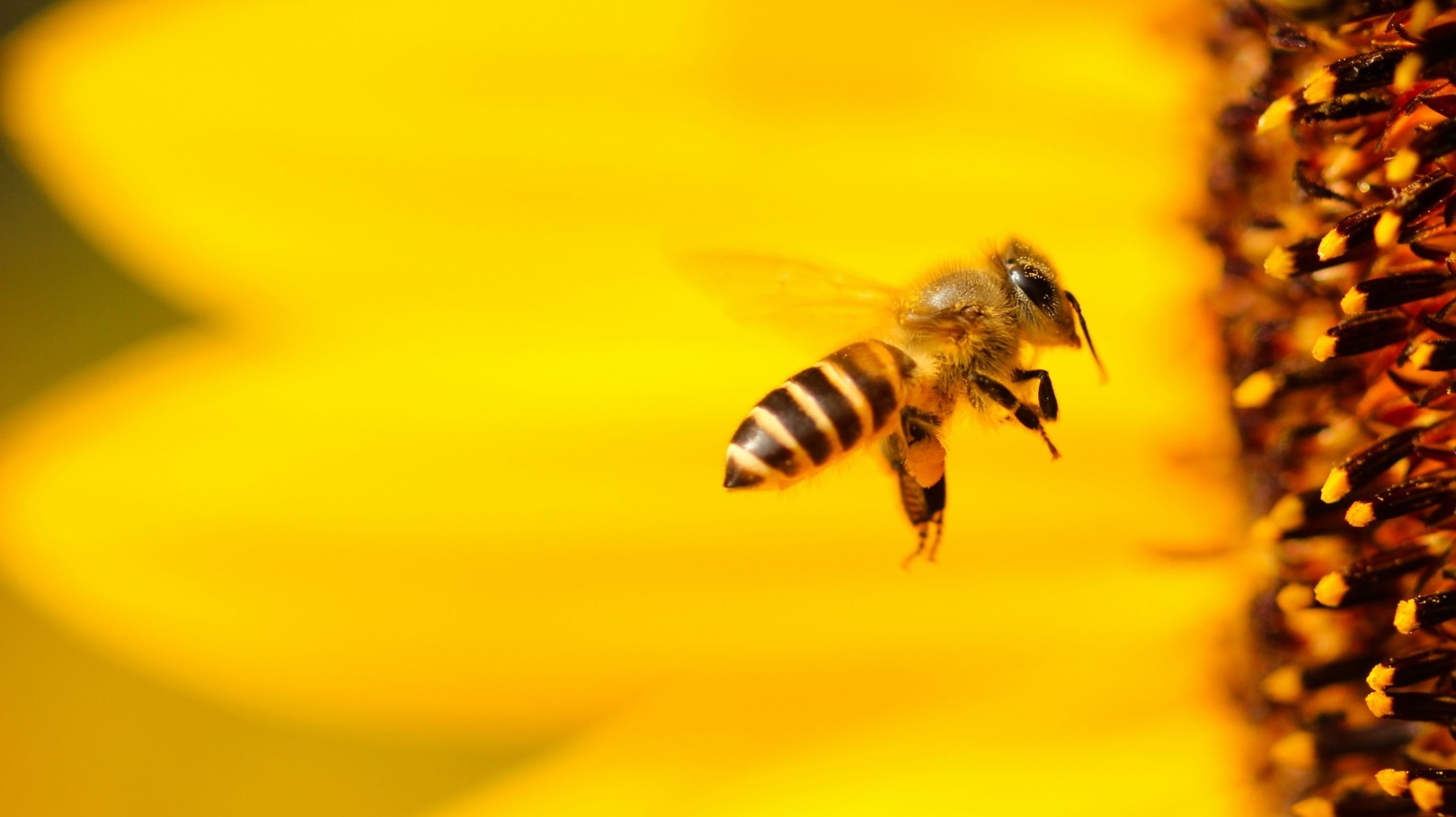
Editor’s Note: The opinions expressed here by the authors are their own, not those of Impakter.com — In the Cover Photo: Bee populations are declining. Cover Photo Credit: Boris Smokrovic.