We are in the midst of a crisis that threatens our lives, our jobs, and our prosperity. In the corridors of power and their administrations, the current upheaval will turn the tables, with new priorities for the European Union and most probably a budget for the next few years that will radically differ from what we expected until recently. These legitimate adjustments should not erase the efforts made over the past several years to strengthen the relationship between Europe and Africa, which must remain a strategic priority.

Over the past three years, Europe has gone from a state of internal indecision on the attention to the African continent to a stated ambition to make it a priority. In taking office, Commission President Ursula Von der Leyen called for a “geopolitical Commission”.
Josep Borrell, her High Representative for Foreign Affairs and Security Policy and Vice-President, ambitions Europe to reclaim “the language of power,” and declares that “renewing our partnership with Africa is one priority for the EU and for me personally”. We must not lose this momentum.
The interest of a partnership between Europe and Africa is both economic and commercial. Europe must conceive its growth as durably linked to the African continent, or risks losing the benefit to China and the United States. European exports to Africa were worth EUR 151 billion in 2018, equating one third of Africa’s total trade.
Europe is its largest investor, accounting for 40% of foreign direct investment. Africa has a market of 1.2 billion consumers. With the Africa-Europe Alliance for Sustainable Investment and Jobs, the EU can take advantage of the new African Continental Free Trade Area (AfCFTA), which came into force in May 2019.
Europe can also revive the Cotonou Agreement, this old development and trade pact covering 79 countries in Africa, the Caribbean and the Pacific: the COVID crisis is an opportunity to turn it into a sustainable partnership tool, closer to the people and integrating health issues.
The OECD stressed last week that the expected decline in growth due to the coronavirus crisis will affect fragile populations, particularly in Africa: these agreements should be reframed to support the sustainable recovery of its economies.
The shared stakes are also diplomatic. In its dialogue with the African continent, the European Union must think about its role in international fora. Faced with the weight of Moscow and Beijing and the increasing competition with the United States, the African Union represents 55 countries and as many votes in the United Nations General Assembly: it is a strong alliance for the future.
European diplomacy also builds on an unparalleled development aid and humanitarian assistance budget, superior overall to that of the United States or China. Improving the effectiveness of aid is a pressing necessity, but reducing it would be a setback for Europe’s international posture.
The challenge is about security. How can future health crises be prevented? How to better manage migration flows? How can we meet our common security challenges? The European Union contributes to the G5 Sahel Joint Force. It supports the African Union’s efforts to establish a framework for human rights and international humanitarian law compliance. It supports a rapid response mechanism that allows the AU to strengthen preventive diplomacy and mediation. It funds African-led peacekeeping operations.
Yet challenges persist: the Sahel is becoming a haven for jihadist groups, from Al Qaeda to the Islamic State, whose destabilizing actions will obviously not diminish as we handle the COVID-19 crisis. In the Gulf of Guinea, defence and security forces in Ghana, Côte d’Ivoire, Benin and Togo are racing against time to protect their borders from the downward threat of the Sahel. Europe will not be able to relax its support for the fight against terrorism without running the risk of paying the consequences.
Finally, the challenge is social and political. In both the Sahel and Libya, the military solution is not enough and must give way to social and political support. Europe has initiated a profound reflection on the effectiveness of its aid – accepting the fact that aid sometimes does more harm than good – and has started reviewing its support, so as to better address the local, social and institutional roots of conflict, and to better leverage domestic resources and the wealth of existing African-led expertise. The current priorities related to the health crisis should not lead to a renunciation of this review.
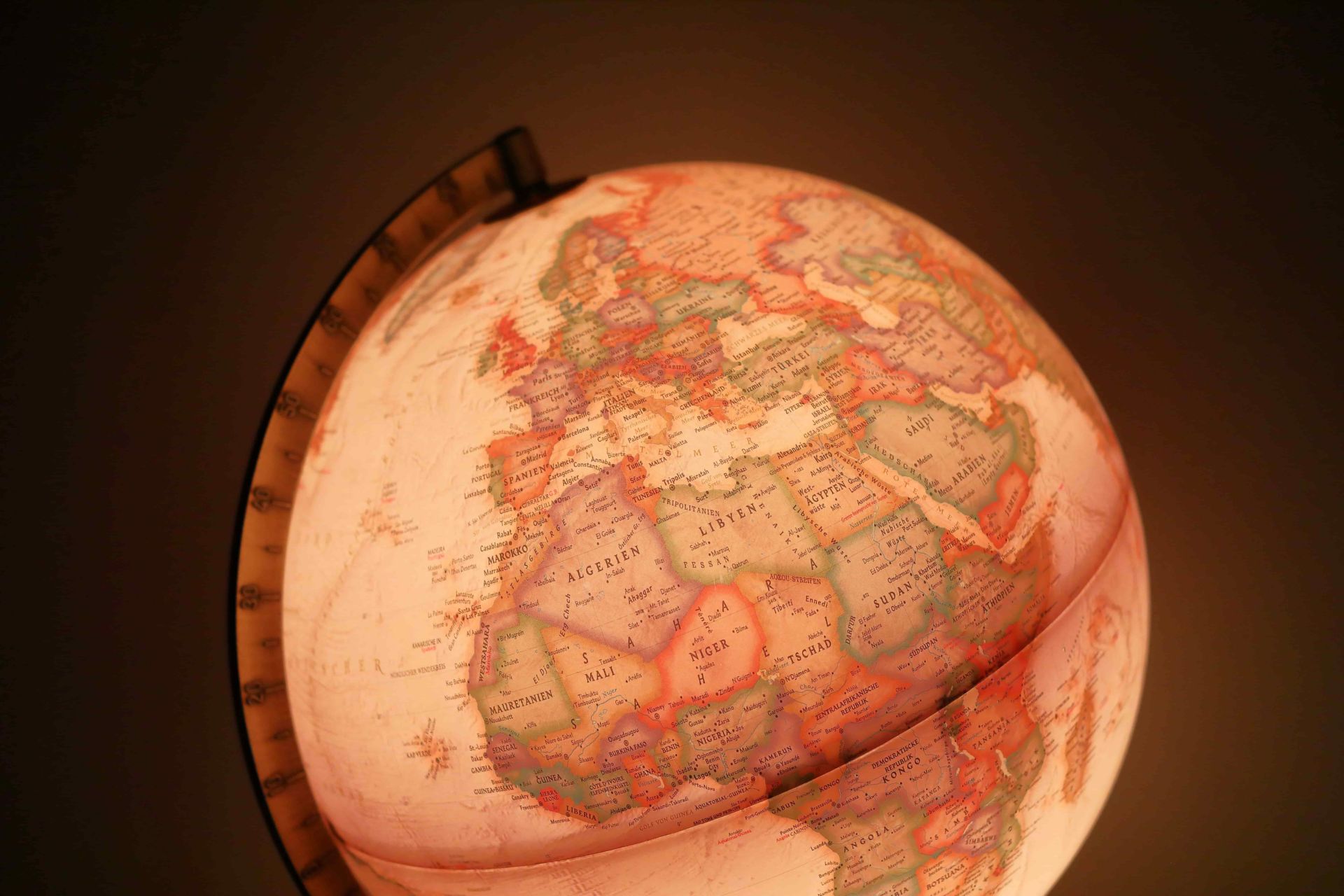
Three goals must thus be met for the Europe-Africa partnership to last. The first is to work hand-in-hand with the African Union. The EU’s diplomatic caravans, which have been remarkably numerous since the beginning of the year and up to the coronavirus crisis, will culminate with the sixth EU-AU summit in Brussels in October 2020. The AU under South African presidency will not be an easy partner, as it feels the European Union has not treated it on an equal footing in the past.
The second goal is to ensure a common approach to support partner countries in Africa. EU Commissioner for International Partnerships Juta Urpilainen is pushing for a package of funding and priorities to be approved by EU Development ministers on 8 April 2020. Both EU institutions and Member States can achieve a coordinated “Team Europe” approach to provide an effective contribution and must do so in constant dialogue with partners in Africa.
The third goal is to ensure financial firepower. The Commission’s proposed European Multiannual Financial Framework foresees an ambitious Neighbourhood, Development and International Cooperation Instrument worth EUR 89.2 billion for 2021-2027, of which 32 billion for Sub-Saharan Africa and 7.7 to North Africa.
In addition, the EUR 60 billion extended Guarantee instrument will increase its firepower. Josep Borrell even proposed an extra-budgetary European Peace Facility, to finance actions within the framework of the Common foreign and security policy.
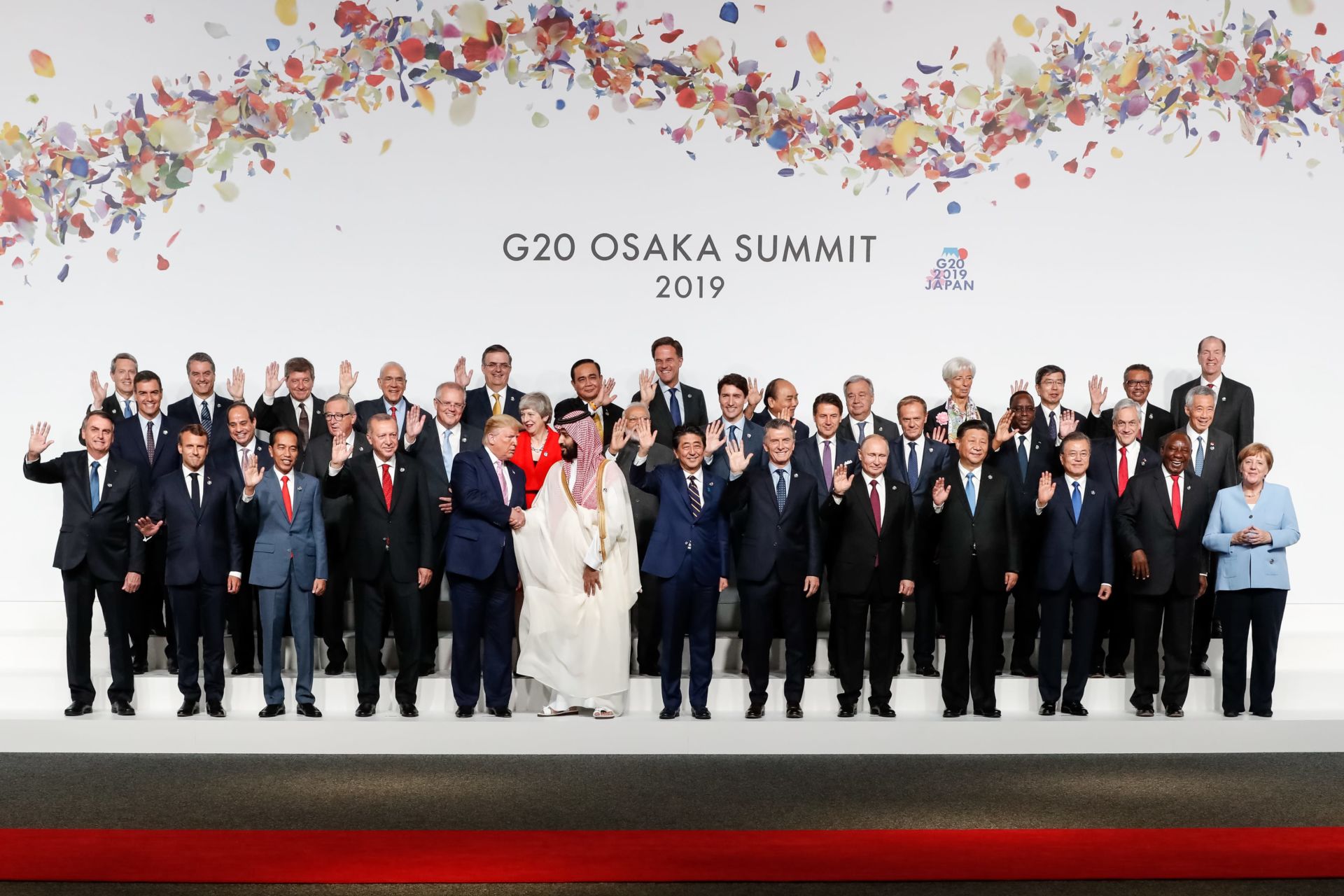
Of course, the immediate priority is to contribute to a massive health investment for Africa. Resources must be made available quickly to African countries currently mobilized to manage the COVID-19 crisis. Given the resources and continent-wide collaboration needed, the Franco-German proposal for coordination by the G20 of the logistical and financial effort, makes reasonable sense.
In the longer-term, however the Multiannual Financial Framework under negotiation will be the armed wing of Europe’s commitment to Africa. This budget to generate new opportunities in Africa must be maintained, adapted to support health priorities and job creation, and quickly activated.