Biodiversity loss and the degradation of ecosystems are accelerating, driven by a host of factors, including unsustainable resource extraction, demographic pressures, pollution, land- and sea-use change, invasive species, and climate change.
The latest global assessment estimates that about 75% of the planet’s terrestrial and 40% of the marine environment have already been degraded. When ecosystems are disrupted, so too are the important ecological processes that we rely on, including those processes that are foundational to the health and well-being of communities. This, in turn, can increase the risks faced by communities, such as loss of livelihoods and income, interrupted supply chains, forced migration, disease and sickness, and food insecurity.
These risks are particularly acute in countries and regions affected by fragility and conflict, where livelihoods and economies are highly reliant on ecosystems and natural resources.
Despite the global scale of nature loss, its security implications are far less understood than those associated with climate change or natural resource competition — particularly within traditional intelligence and security circles. Environmental degradation, biodiversity loss, and climate change are relatively new security threats; they do not represent agents who are intentionally trying to harm people but have instead been described as “actorless threats.”
Decidedly less attention has been paid to what the unfolding, accelerating biodiversity crisis could mean for human, national, and global security should we continue to see the collapse of pollinators, the dieback of coral reefs, or the loss of tropical forests — to name just a few examples.
Without joint actions to consider and address the drivers of environmental degradation and biodiversity loss alongside more traditional root causes of insecurity, a vicious cycle can emerge where nature loss exacerbates the drivers of instability, which, in turn, contributes to further environmental degradation both directly and indirectly.
For example, greater protection of coral reefs, forests, and grasslands can help address many of the central drivers of instability. By protecting land and marine ecosystems and the services they provide, we can ensure that individuals and communities receive their benefits, such as food, energy, potable water, and — for many — livelihoods.
These ecosystems also provide nonmaterial benefits, including recreational and psychological well-being. They serve to regulate or support other ecosystem processes, such as climate regulation and pest control. As more individual and community needs are met, sources of resource competition and tension emerging over scarcity decrease and reduce the likelihood of conflict and the pressures to migrate in search of better economic opportunities.
Beekeeping in Gabon: How training in honey cultivation is helping reinforce human security and conflict prevention
While the security implications of nature loss are not sufficiently understood, there are already valuable examples that show how actions to protect nature can benefit local communities and address some of the drivers of conflict and fragility.
One such example can be found in Gabon, a country with diverse wildlife and abundant natural, forestry, and mining resources, but which also faces significant criminal threats due to poaching and the illegal trafficking of its wildlife.
Beyond the damage to the environment and biodiversity and the enormous economic loss for the country, illegal trafficking provides essential funding for criminal, terrorist, and rebel groups operating in the sub-region, directly impacting peace, security, and sustainable development.
At the local level, a failure to protect a community’s rights to forests can threaten livelihoods, leading to tensions and potential conflict, while the revenues raised from illegal poaching and wildlife trafficking can fund transnational conflict. This is particularly challenging in the Congo Basin, which is both a source and transit area for wildlife trafficked to the markets of the Middle East and Asia.
Gabon’s agriculture sector is largely reliant on rain-fed agriculture. Decreased water availability and prolonged dry periods have exacerbated land degradation, which, combined with impacts from the COVID-19 pandemic, has taken a major toll on livelihoods, food security, and human capital.
The strict mobility restrictions imposed in most countries have also severely disrupted economic activities: in Gabon, revenue declined for more than 70% of household businesses. The resulting loss of livelihoods and economic opportunities increased food insecurity, and minimal government safety nets increase the incentives for engaging in illegal logging, wildlife poaching, or recruitment into non-state armed groups or criminal organizations, thereby driving further ecosystem degradation and species loss.
In response, Conservation Justice, through EU funding, has introduced training opportunities in honey cultivation to provide effective alternative livelihood strategies to illegal resource use. This is an approach that already has shown immense potential in tackling a range of challenges.
Cultivating and protecting bees not only secures the ecosystem services they provide but can also build alternative livelihood strategies, providing additional income and economic opportunities. Beekeeping and honey production can help address household income needs and make important contributions to local development, supporting the underlying drivers of peace and conflict prevention.
Related Articles: All About Bees | Plants That Help Protect Bees
Bee pollination directly contributes to food security, biodiversity, income diversity, biofuels, the availability of medicines, stable soils, and diverse wildlife. By facilitating plant reproduction, animal pollination supports the 75% of global food crop types, including fruits and vegetables, that rely on it.
Without pollinators like bees, these foods and cash crops, such as coffee, almonds, and cacao, would likely go extinct. Loss of pollination services, coupled with other biophysical and socioeconomic drivers impacting ecosystems, will likely result in yield losses and could have severe economic impacts, especially in sub-Saharan communities and countries, which are highly dependent on small-scale agriculture and cash crops for their income, livelihoods, and food security.
This Conservation Justice project is already showing benefits in practice. The production of honey, the development of api-tourism, and the management of community forests generate new forms of income and enable communities in Gabon to meet some of their needs while reducing pressures on natural resources. These communities, whose main economic activity remains agriculture, have started to diversify to beekeeping and have expanded community forestry based on the development of non-timber forest products.
Similar successes in using honey cultivation to tackle environmental and social challenges can be found elsewhere in the region. Some honey beekeepers in Africa say that their work also contributes to the restoration of degraded forestland and wildlife. The health and productivity of bees are tied to the health and well-being of the environment that they pollinate, which ripples out to benefit crop production and variation.
There have even been successful trials of “beehive fences” to keep large mammals safely away from agricultural fields, reducing human–wildlife conflict. The conservation of bees and their habitat can expand to include other wildlife and ecosystem conservation, enhancing crop variety for increased incomes.
Investments in the protection of honey are also investments in household and community security. Funding beekeeping entrepreneurship allows households to gain or diversify employment by selling honey, thus building livelihood security while also supporting pollinator colonies and agricultural livelihoods. Improved personal and household income security, in turn, reduces certain drivers of conflict — contributing to a more peaceful society.
Embracing Nature as a Foundation for Security and Well-being
The honey cultivation project in Gabon is just one example of many where the nature–security nexus is at work. This nexus highlights that expanding and strengthening actions to protect, restore, and sustainably manage biodiversity, ecosystems, and their services not only benefits the environment and those that depend on it, but is also vital to prevent conflicts and strengthen security.
Although many of the links between the biodiversity crisis and security remain unclear, stresses to ecosystems and their services nevertheless have profound — and potentially expanding — implications for human, national, and global security. Attention to (and investments in) nature and natural systems before their decline — and before conflict erupts — can be instrumental for conflict prevention, peacebuilding, and security.
National governments need to adjust security planning to better understand and address the growing number of threats that are rooted in the decline of nature and the opportunities for conflict prevention, security, and well-being by increasing investments in ecosystem protection and restoration.
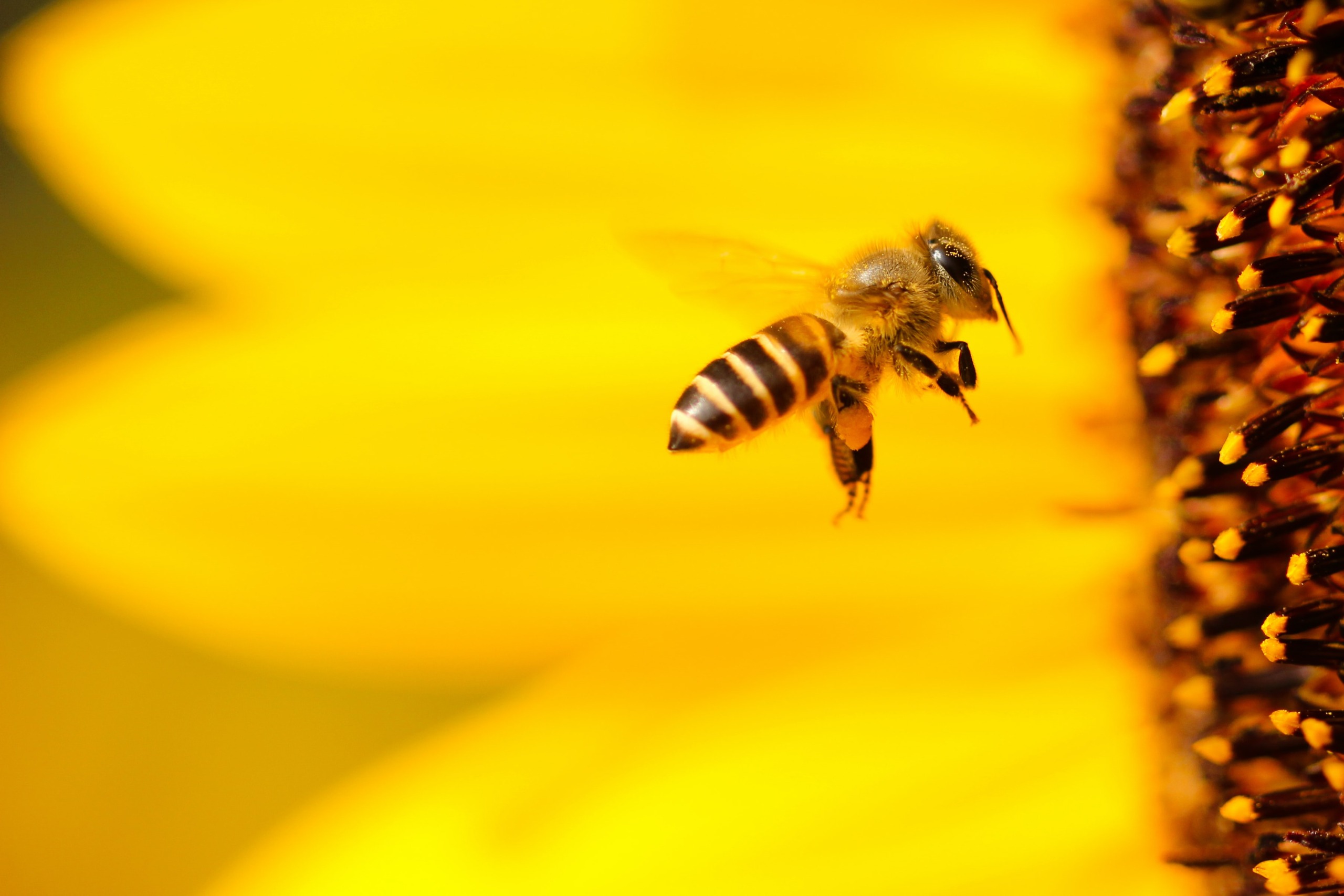
Editor’s Note: The opinions expressed here by the authors are their own, not those of Impakter.com — In the Featured Photo: A bee in front of a flower. Featured Photo Credit: Boris Smokrovic.