Impakter
  • Environment
    • Biodiversity
    • Climate Change
    • Circular Economy
    • Energy
  • FINANCE
    • ESG News
    • Sustainable Finance
    • Business
  • TECH
    • Start-up
    • AI & Machine Learning
    • Green Tech
  • Industry News
    • Entertainment
    • Food and Agriculture
    • Health
    • Politics & Foreign Affairs
    • Philanthropy
    • Science
    • Sport
  • Editorial Series
    • SDGs Series
    • Shape Your Future
    • Sustainable Cities
      • Copenhagen
      • San Francisco
      • Seattle
      • Sydney
  • About us
    • Our Story
    • Team
    • Partners
    • Write for Impakter
    • Contact Us
    • Privacy Policy
No Result
View All Result
  • Environment
    • Biodiversity
    • Climate Change
    • Circular Economy
    • Energy
  • FINANCE
    • ESG News
    • Sustainable Finance
    • Business
  • TECH
    • Start-up
    • AI & Machine Learning
    • Green Tech
  • Industry News
    • Entertainment
    • Food and Agriculture
    • Health
    • Politics & Foreign Affairs
    • Philanthropy
    • Science
    • Sport
  • Editorial Series
    • SDGs Series
    • Shape Your Future
    • Sustainable Cities
      • Copenhagen
      • San Francisco
      • Seattle
      • Sydney
  • About us
    • Our Story
    • Team
    • Partners
    • Write for Impakter
    • Contact Us
    • Privacy Policy
No Result
View All Result
Impakter
No Result
View All Result
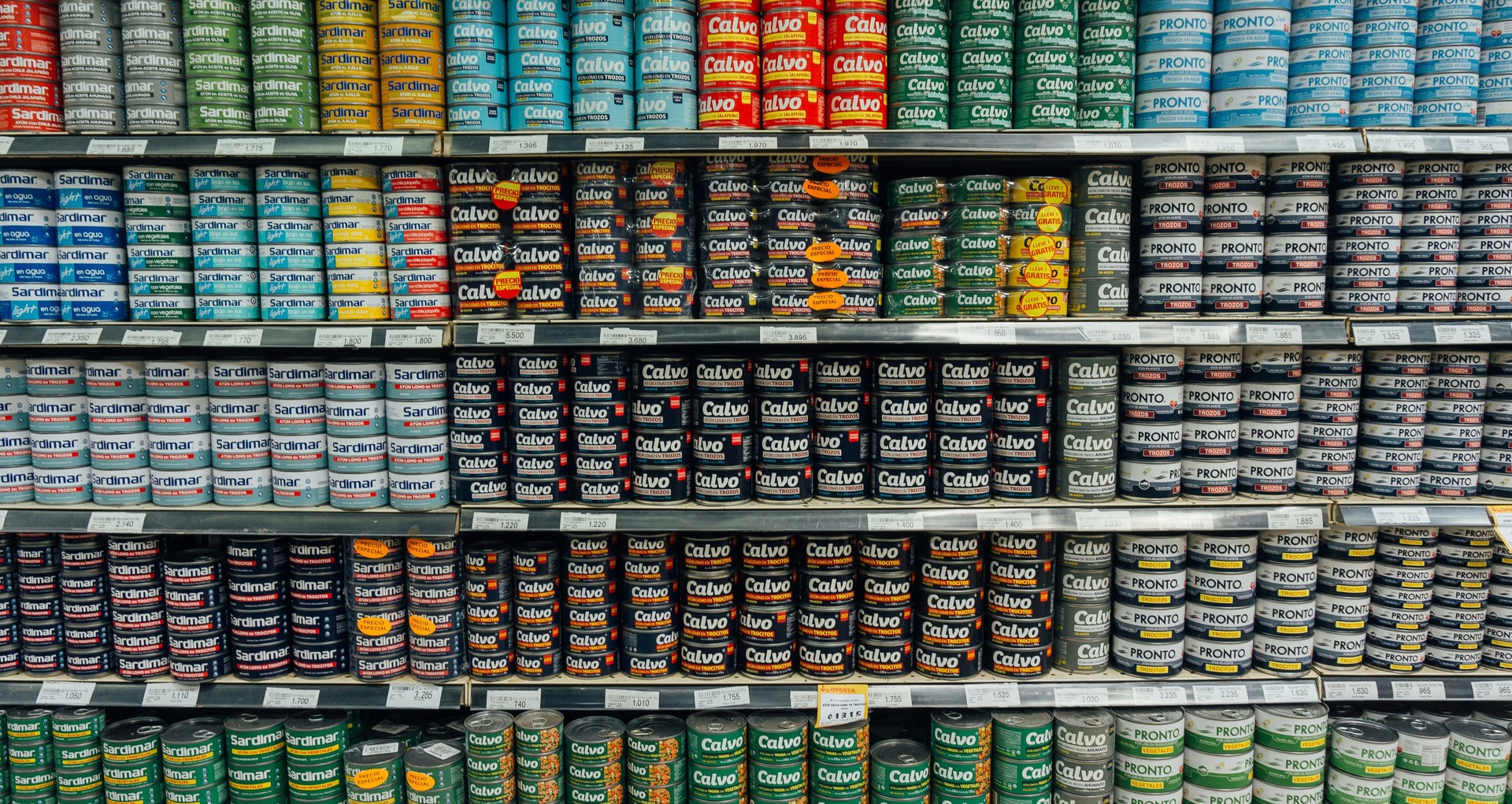
Tuna cans in a supermarket

Tuna cans in a supermarket, Nicaragua, May 2020. Photo Credit: Tobias Tullius.

A Fifth of Global Seafood Is Mislabeled: How to Combat Fish Fraud

New FAO report exposes seafood mislabeling and the hidden risks to health, environment, and economies, and identifies tools to combat it

byNmesoma Ezetu
April 2, 2026
in Biodiversity, Business, Environment, Food and Agriculture, Health, Science

Seafood is often marketed as fresh, sustainable, or locally sourced — but the new report by the Food and Agriculture Organization of the United Nations (FAO) reveals that much of what ends up on our plates is misrepresented. From mislabeled species to fraudulent certifications, global fish fraud threatens human health, undermines conservation efforts, and erodes trust in seafood markets.

According to the FAO’s publication, “Food fraud in the fisheries and aquaculture sector,” fraud occurs in every segment of the seafood supply chain — catching, processing, packaging, and retail. Mislabeling is especially common in high-value species, such as tuna, cod, and salmon, where substitution can increase profit margins at the expense of consumers and ecosystems. In some cases, endangered species are sold as legal alternatives, creating hidden pressure on vulnerable marine populations.

What Fish Fraud Means

Fish fraud is not just a labeling problem. It can involve:

  • Species substitution: cheaper or overexploited fish sold as premium types
  • False sustainability claims: misrepresenting fishing methods or sourcing areas
  • Illegal, Unreported, and Unregulated (IUU) catch entering supply chains

Beyond economic deception, these practices can expose consumers to allergens, toxins, or antibiotic residues, posing significant public health risks. Environmentally, they obscure the true pressures on fish populations, making it harder for governments and international agencies to implement effective management measures.

The Scale of the Problem

The FAO report cites studies estimating that up to 20% of seafood globally may be mislabeled, with higher rates in processed products such as fillets, smoked fish, and canned seafood. Fraud is prevalent in both developed and developing countries, indicating systemic weaknesses in seafood traceability and regulation.

Illegal fishing contributes significantly to fraud. Fish caught outside quotas or in protected areas often enter legitimate markets through mislabeling, further threatening marine biodiversity. The FAO also highlights that some supply chains span multiple continents, creating gaps in monitoring that fraudsters exploit.

Drivers Behind the Deception

Multiple factors make fish fraud widespread:

  • Complex supply chains stretching across borders, with multiple intermediaries
  • High demand for luxury seafood and rare species
  • Limited enforcement of labeling laws in many countries
  • Economic incentives for processors and retailers to cut costs

The FAO emphasizes that technological solutions such as DNA testing, blockchain tracking, and rigorous auditing can reduce fraud, but only if adopted widely and combined with stronger regulatory frameworks.

Why Fish Fraud Matters Beyond the Market

Fish fraud has ripple effects far beyond the dinner table. Food security is threatened as illegal and unsustainable catches deplete fish stocks, especially in regions dependent on seafood as a primary protein source. Coastal communities lose income and economic stability when they compete with fraudulent operations. Consumers unknowingly pay higher prices and may face health risks due to mislabeling.

Environmental sustainability suffers too. Misreported catch data compromises fisheries management, putting threatened species at greater risk and undermining international conservation agreements. Moreover, fraud perpetuates inequity, as small-scale, responsible fishers are undercut by those engaging in deceptive practices.

Fishermen in Vietnam
Fishermen in Hue, Thua Thien Hue, Vietnam. Photo Credit: Khoa Nguyen.

Tools for Change

The FAO report highlights practical strategies:

  • Traceability systems to track fish from capture to consumption, including DNA barcoding
  • Regulatory enforcement across national and international jurisdictions
  • Consumer awareness campaigns to encourage informed, responsible choices
  • Industry accountability, incentivizing suppliers to maintain honesty and transparency

Education is also key. The FAO encourages governments and NGOs to provide training for inspectors, retailers, and consumers, making fraud detection part of everyday practice.

Related Articles

Here is a list of articles selected by our Editorial Board that have gained significant interest from the public:

  • Farmed Fish Overtakes Wild Catch for the First Time: What That Means for the Consumer and the Environment
  • Seaspiracy: Shocking Revelations but Wrong Data and Wrong Message
  • Why the WTO Must End Harmful Fishing Subsidies

Moving Forward

Global fish fraud is pervasive, but transparency and technology can reverse the trend. Stakeholders, from governments to retailers and consumers, must act collaboratively to ensure seafood supply chains are ethical, sustainable, and safe.

As the FAO report concludes, what ends up on our plate reflects not only the oceans we rely on but also the integrity of the systems we trust to feed the world. Without concerted action, economic gains from fraud may continue to outweigh ecological and social costs, jeopardizing food security, public health, and marine ecosystems alike.


Editor’s Note: The opinions expressed here by the authors are their own, not those of Impakter.com — In the Cover Photo: Tuna cans in a supermarket, Nicaragua, May 2020. Cover Photo Credit: Tobias Tullius.


Tags: and UnregulatedDNA barcodingFalse sustainability claimsFAOFish fraudFood and Agriculture Organization of the United NationsFood fraud in the fisheries and aquaculture sectorIllegalluxury seafoodmarine biodiversityoverexploited fishrare speciesseafoodSeafood fraudseafood marketsUnreported
Previous Post

Shell Bets Big on Venezuelan Offshore Gas to Revive Atlantic LNG

Related Posts

bullets and grain
Energy

The Price of War, the Scandal of Hunger

April 1, 2026
Smoke rises over Tehran following an Israeli attack on June 15, 2025
Climate Change

The Causes and Effects of Black Rain

April 1, 2026
Foam swirl seen from above
Biodiversity

The Promise and Peril of Ocean Carbon Removal

March 31, 2026

Related News

Tuna cans in a supermarket

A Fifth of Global Seafood Is Mislabeled: How to Combat Fish Fraud

April 2, 2026
Shell bets big on Venezuelan offshore gas to revive Atlantic LNG

Shell Bets Big on Venezuelan Offshore Gas to Revive Atlantic LNG

April 2, 2026

Impakter informs you through the ESG news site and empowers your business CSRD compliance and ESG compliance with its Klimado SaaS ESG assessment tool marketplace that can be found on: www.klimado.com

Registered Office Address

Klimado GmbH
Niddastrasse 63,

60329, Frankfurt am Main, Germany


IMPAKTER is a Klimado GmbH website

Impakter is a publication that is identified by the following International Standard Serial Number (ISSN) is the following 2515-9569 (Printed) and 2515-9577 (online – Website).


Office Hours - Monday to Friday

9.30am - 5.00pm CEST


Email

stories [at] impakter.com

By Audience

  • TECH
    • Start-up
    • AI & MACHINE LEARNING
    • Green Tech
  • ENVIRONMENT
    • Biodiversity
    • Energy
    • Circular Economy
    • Climate Change
  • INDUSTRY NEWS
    • Entertainment
    • Food and Agriculture
    • Health
    • Politics & Foreign Affairs
    • Philanthropy
    • Science
    • Sport
    • Editorial Series

ESG/Finance Daily

  • ESG News
  • Sustainable Finance
  • Business

About Us

  • Team
  • Partners
  • Write for Impakter
  • Contact Us
  • Privacy Policy

© 2026 IMPAKTER. All rights reserved.

No Result
View All Result
  • Environment
    • Biodiversity
    • Climate Change
    • Circular Economy
    • Energy
  • FINANCE
    • ESG News
    • Sustainable Finance
    • Business
  • TECH
    • Start-up
    • AI & Machine Learning
    • Green Tech
  • Industry News
    • Entertainment
    • Food and Agriculture
    • Health
    • Politics & Foreign Affairs
    • Philanthropy
    • Science
    • Sport
  • Editorial Series
    • SDGs Series
    • Shape Your Future
    • Sustainable Cities
      • Copenhagen
      • San Francisco
      • Seattle
      • Sydney
  • About us
    • Our Story
    • Team
    • Partners
    • Write for Impakter
    • Contact Us
    • Privacy Policy

© 2026 IMPAKTER. All rights reserved.