Standing along the shores of a beach in Vung Tau, Vietnam, a man finishes his plastic bottle of juice, and instead of finding a bin, he simply throws the bottle into the ocean. Why bother finding a bin when it will likely end up in the sea anyway?
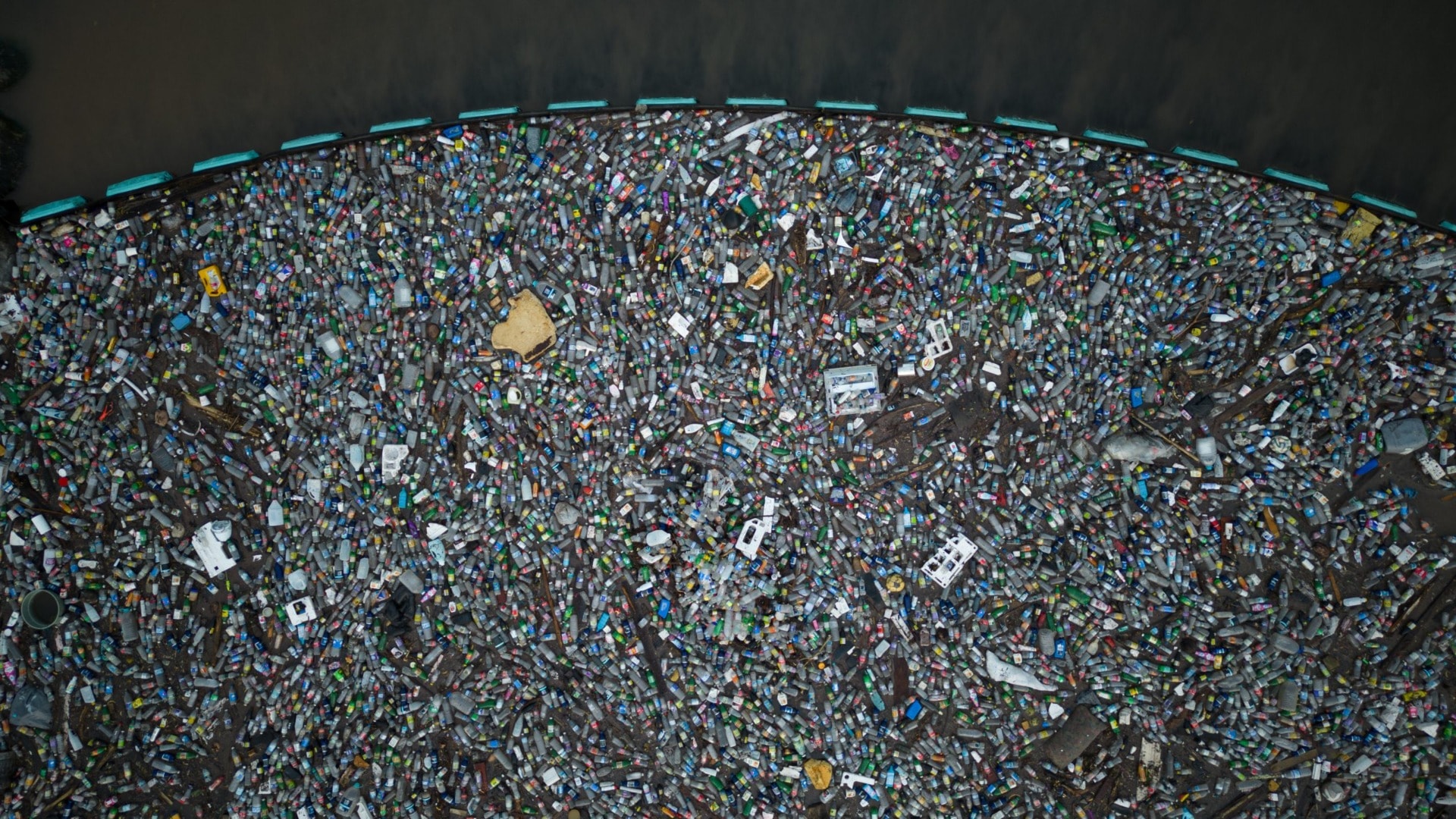
Vietnam has fallen victim to the world’s plastic pollution crisis, while also contributing significantly to the problem. Beaches up and down the coast are littered with plastic waste. A recent study recorded over 16,000 items that were found along 21 Vietnamese beaches; 96.48% of these items were plastic.
The plastic pollution crisis is continually growing, not only in Vietnam but also worldwide. It is now more critical than ever for governments to step in and help address this vast ocean of a problem. As the ten-day plastic treaty talks drew to a close in Geneva on Friday, the world was watching to see what the future of plastic regulation would look like. The outcome was deeply disappointing.
The Growing Plastic Problem
Executive Secretary of the Intergovernmental Negotiating Committee (INC) on Plastic Pollution, Jyoti Mathur-Filipp, said, “In 2024 alone, humanity was projected to consume over 500 million tonnes of plastic. Of this, 399 million tonnes will become waste.” Mathur-Filipp led the talks in Geneva this week.
According to the United Nations Environment Programme (UNEP), plastic pollution is expected to triple by 2060. From the staggering height of Mount Everest to the deep, dark waters of the Mariana Trench, plastic pollutes every corner of our planet. Of the billions of metric tons of plastic waste created, less than 10% is recycled.

Since global plastics treaty talks began in 2022, over 30 million metric tons of plastic waste have been thrown into the world’s oceans. The UNEP compared the ocean’s plastic pollution to 2,000 garbage trucks dumping plastic into various bodies of water each day, from the smallest rivers to the Pacific Ocean.
One of the biggest concerns regarding the global plastic problem is leakage into the environment and its effects on the health of humans and animals alike.
Plastic and Health
Plastic pollution is responsible for $1.5 trillion in health-related damages annually, according to a new report by The Lancet, a well-respected medical journal.
The entire life cycle of a single-use plastic product is detrimental to humans. Beginning with production, fossil fuels are heavily utilized to produce plastic, resulting in the release of harmful carbon dioxide emissions into the environment. In 2019, plastic production generated approximately 1.8 billion tons of carbon emissions, accounting for about 3.4% of the world’s total. The number is expected to continue increasing as plastic production rises.
Additionally, plastic products are packed with chemicals. One study identified 16,325 unique chemicals in plastics, which were either intentionally added or inadvertently introduced during the production process. Due to the overwhelming presence of these chemicals, properly recycling plastic is a difficult task. Reusing a drink bottle multiple times can release some of these chemicals into the water. Burning plastics can release these chemicals into the atmosphere.
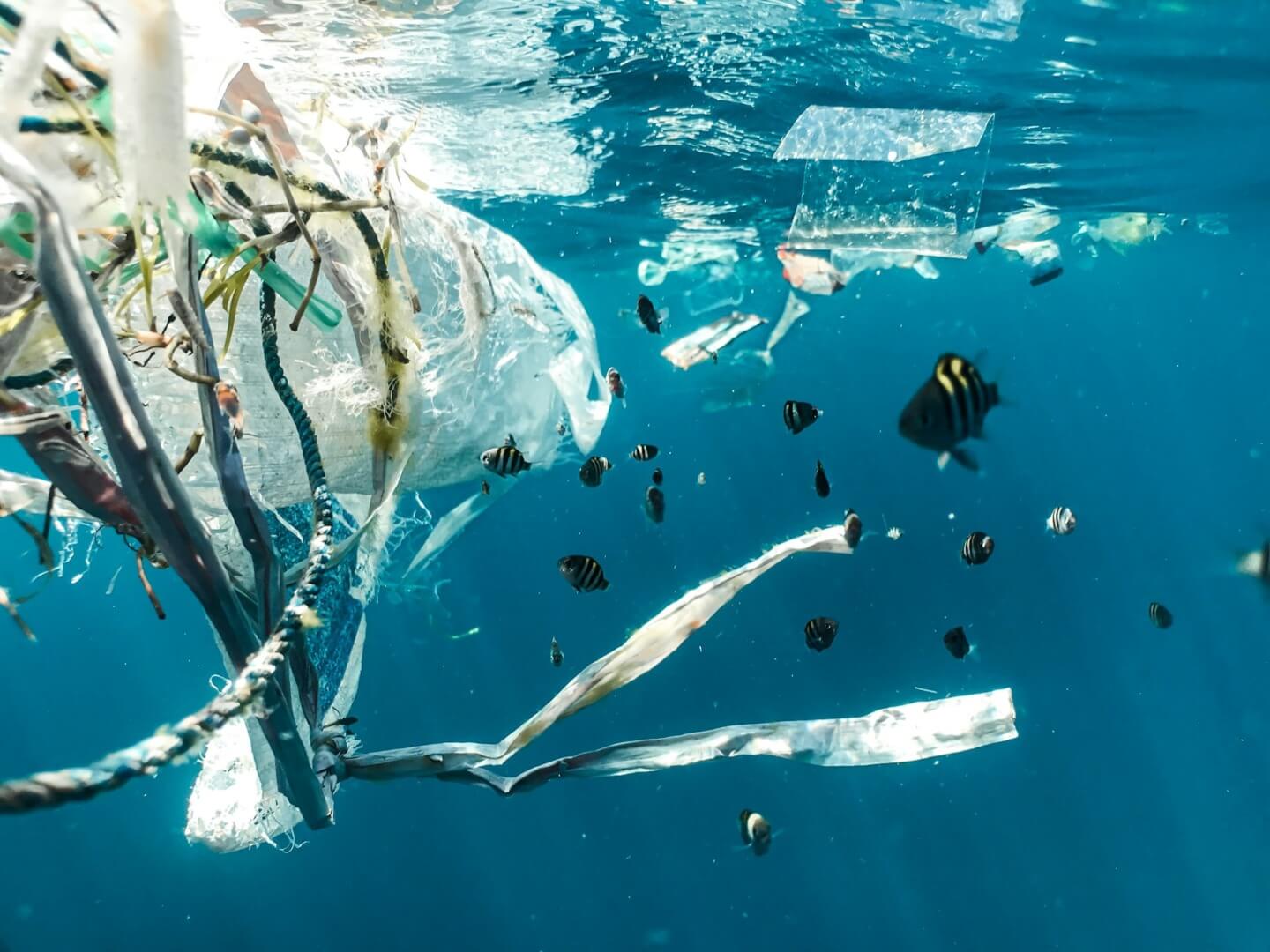
Since these plastics are difficult to recycle, they all too often become waste. When a plastic bag or water bottle enters the ocean, it gets broken down into micro- or nano-plastics. Fish can eat these plastics, inevitably passing those microscopic plastic particles to humans when they consume the fish.

Another way microplastics can enter the system is through the water we drink and the air we breathe. According to a 2019 study, it is estimated that adults consume between 39,000 and 52,000 microplastic particles each year. Scientists have found microplastics in blood, organs, and even breast milk.
The lead author of the new report, Professor Philip Landrigan, is a paediatrician and epidemiologist at Boston College in the United States. In the report, he stated:
“The impacts fall most heavily on vulnerable populations, especially infants and children. They result in huge economic costs to society. It is incumbent on us to act in response.”
The Global Plastics Treaty: INC-5.2
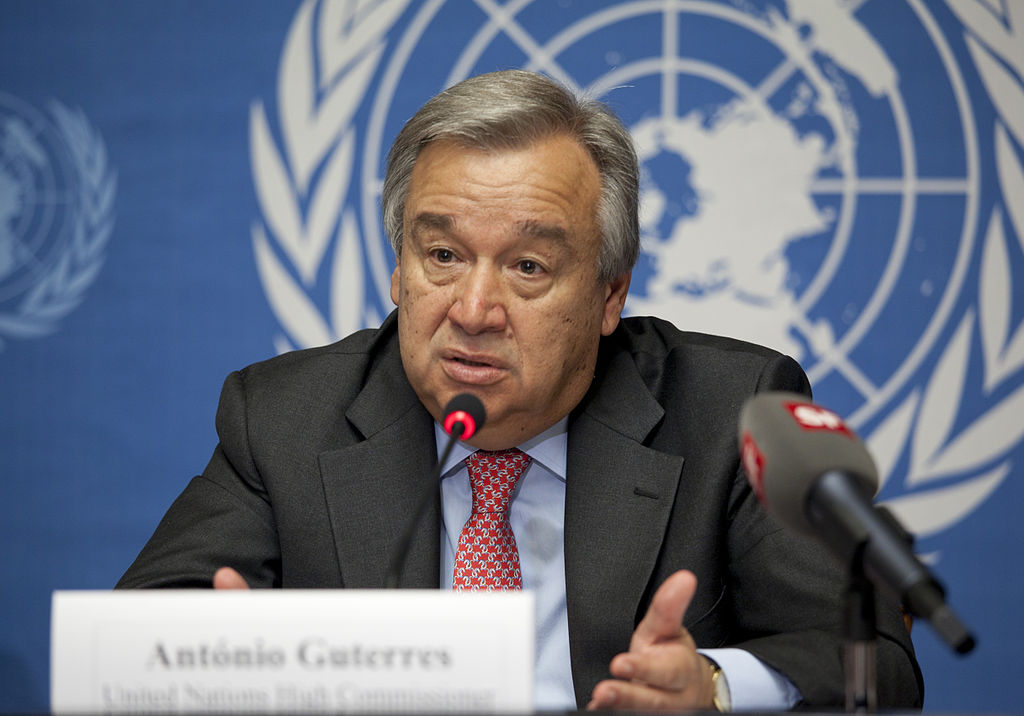
Inger Andersen, the Executive Director of the UNEP, has previously stated, “We will not recycle our way out of the plastic pollution crisis: we need a systemic transformation to achieve the transition to a circular economy.”
As plastic pollution continues to impact people worldwide, the need for governments to take action is at an all-time high. The INC-5.2 talks in Geneva were the sixth round of discussions since 2022. The world seems more divided now than ever.
The INC-5 global plastics treaty talks took place in Busan, South Korea, in November 2024. It was expected to be the final discussion; however, many countries failed to agree on critical topics.
Diplomats from every corner of the globe have convened in Switzerland over the past two weeks to discuss the future of plastic regulation, with hopes of reaching a consensus.
At the opening event on August 4, the INC chair for the talks, Luis Vayas Valdivieso, said:
“We are facing a global crisis — plastic pollution is damaging ecosystems, polluting our oceans and rivers, threatening biodiversity, harming human health, and unfairly impacting the most vulnerable. The urgency is real. The evidence is clear. And the responsibility is on us.”
Inger Andersen, followed up on Vayas Valdivieso’s sentiments, stating, “Almost three and a half years have passed since the historic adoption of the UN Environment Assembly Resolution 5/14. It is now high time for Member States to get the deal over the line.”
Representatives entered Contact Groups to deliberate. Ideally, the countries would have reached an agreement during this 10-day period; however, they have found themselves at a standstill.
Many countries found the initial draft of the treaty to be “unacceptable.” French President Emmanuel Macron posted on LinkedIn that “the lack of ambition in the text presented yesterday to the United Nations is unacceptable.”
The European Union, the United Kingdom, Canada, and countries across Africa and South America formed an informal group, known as the “High Ambition Coalition.” The group is focused on phasing out chemicals in plastic production and slowing production altogether.
Related Articles: What You Need to Know About the UN’s Draft Global Plastics Treaty | Pathway to a Plastic-Free Future: Mobilizing for Change at INC-4 | 4 Ways to Reduce Plastic Pollution | Plastic Recycling: Ditch it or Improve it? | New UN Treaty Focused on Plastic Pollution | Plastics and Health: How We Are All Affected | Seven Out of 10 People Want Binding Global Rules to End Plastic Pollution, Survey Finds
The Position of the U.S. and Other Dissenting Groups
At the INC-5 in Busan in November, over 100 countries endorsed an initiative to cap global plastic production. However, a consensus could not be achieved, leading to the postponement of the treaty and this month’s INC-5.2.
Once again, over 100 countries agreed to limit the production of plastics. They also expressed interest in developing improved recycling and disposal operations. Many oil-producing countries want the treaty to focus solely on recycling and cleanup efforts, rather than imposing restrictions on plastic production.
Russia and Saudi Arabia have previously expressed concerns, blocking progress in Busan last year. These oil-producing states were worried about the economic effects of the treaty, as demand for fossil fuels in production would decrease significantly.
This year, the group of oil-producing countries claimed the title the “Like-Minded Group” and included Kuwait, Malaysia, and Iran. Directly opposing the desires of the “High Ambition Coalition”, the “Like-Minded Group” asked for the treaty to be more limited.
Prior to these talks in Geneva, a representative from the Department of State said that the United States “supports an agreement that respects national sovereignty and focuses on reducing plastic pollution without imposing onerous restrictions on producers.”
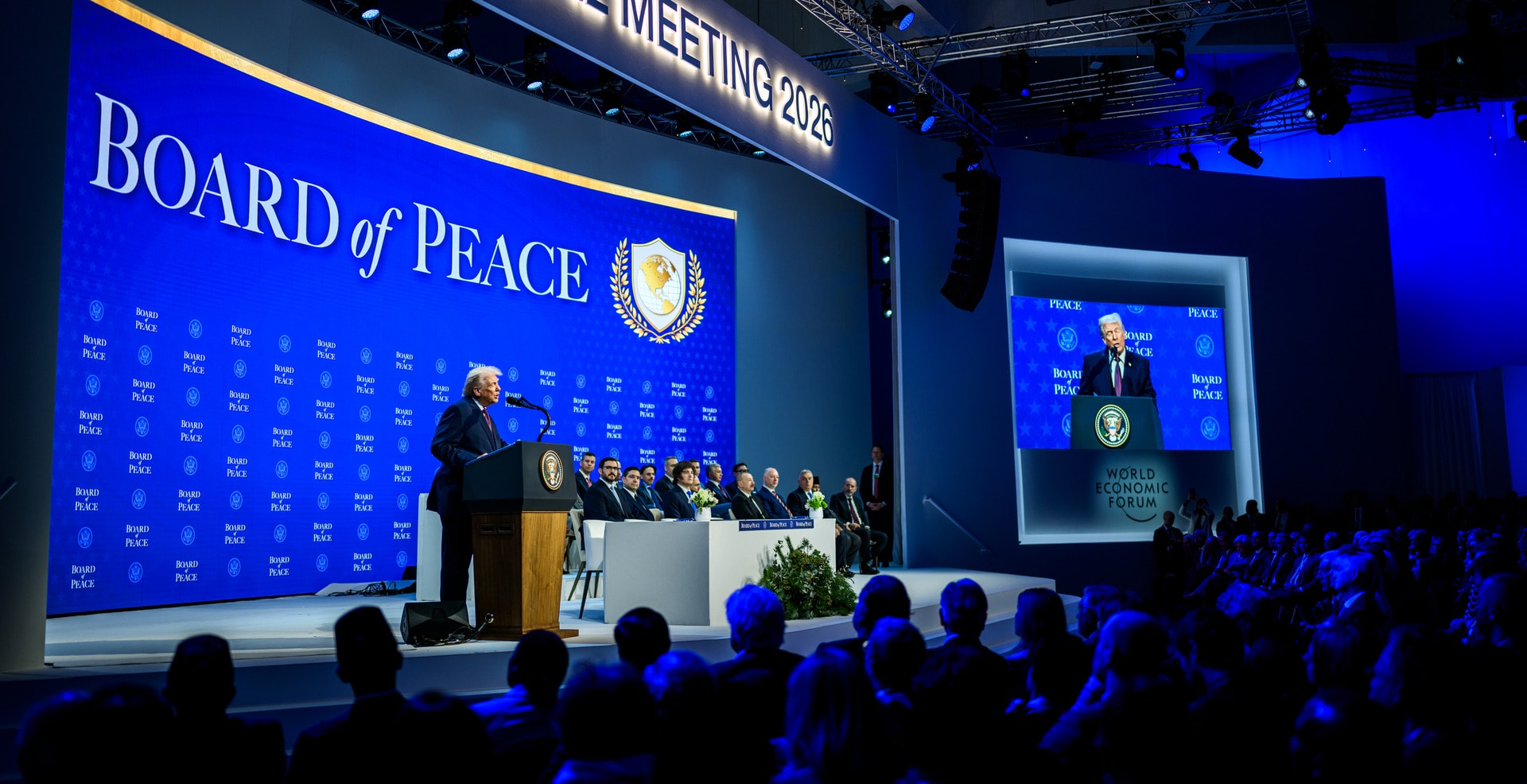
U.S. President Donald Trump sent letters to several countries ahead of the talks. In these letters, he urged the representatives to reject limits on plastic production and stricter regulations on chemical additives.
Zaynab Sadan, Global Plastics Policy Lead at the World Wildlife Fund (WWF), stated:
“In a world of shifting politics, these negotiations are on a knife edge. Oil-producing countries have been using consensus not to build agreement, but to undermine and sabotage it. This is not multilateralism. It’s obstructionism.”
The Future of Plastics
Although it is unclear whether negotiations will continue in the future, the need for government involvement in plastic production and disposal remains.
Graham Forbes, Global Plastics Campaign Lead at Greenpeace USA, said, “The inability to reach an agreement in Geneva must be a wake-up call for the world: ending plastic pollution means confronting fossil fuel interests head on.”
The need for a global plastics treaty continues unabated. The plastic problem can only be resolved through worldwide cooperation, and that means involving governments as primary agents of intervention: A plastics treaty will only be successful if countries implement and adhere to the regulations. Governments can help curb the growth of plastic pollution by improving waste management systems and offering incentives and investments in new eco-friendly technologies.
There are technological solutions, too. Scientists and innovators are continually seeking alternatives to plastic. From stainless steel straws to compostable food packaging, plastic substitutes are constantly evolving. The development of plastic alternatives could benefit immensely from the systematic support of government funding.
A 20-year-old Australian entrepreneur, Maisy Whitehead, is currently working on a new material that could replace plastic packaging. The University of York student has developed a bio-polymer that could mimic the structure of plastic. She has launched her company, VegoPak, in the UK and has applied for a patent.
Innovators in China have created a “Bamboo as a Substitute for Plastic” initiative. Bamboo can be used to make straws, disposable utensils, and food packaging. A U.S.-based company, Sway, is utilizing seaweed to develop alternatives to plastic bags.
While we are taking baby steps forward as a society, a problem this large will take years to correct. Struggling communities choked by plastic waste are desperately in need of some relief. The need for a straightforward and enforceable treaty is now stronger than ever, yet perhaps even more unreachable.
Editor’s Note: The opinions expressed here by the authors are their own, not those of Impakter.com — In the Cover Photo: A man carries a large sack of trash over his head at a dumpsite in Dumaguete City, Philippines, March 3, 2019. Cover Photo Credit: © Greenpeace.