
The Biden administration has backtracked from supporting a cap on plastic production as part of the United Nations’ global plastics treaty.
According to representatives from five environmental organizations, White House staffers told representatives of advocacy groups in a closed-door meeting this month that they did not see mandatory production caps as a viable “landing zone” for INC-5, the name for the fifth and final round of plastics treaty negotiations set to take place later this month in Busan, South Korea. Instead, the staffers reportedly said United States delegates would support a “flexible” approach in which countries set their own voluntary targets for reducing plastic production.
This represents a reversal of what the same groups were told at a similar briefing held in August, when Biden administration representatives raised hopes that the U.S. would join countries like Norway, Peru, and the United Kingdom in supporting limits on plastic production.
Following the August meeting, Reuters reported that the U.S. “will support a global treaty calling for a reduction in how much new plastic is produced each year,” and the Biden administration confirmed that Reuters’ reporting was “accurate.”
After the more recent briefing, a spokesperson for the White House Council on Environmental Quality told Grist that, while U.S. negotiators have endorsed the idea of a “‘North Star’ aspirational global goal” to reduce plastic production, they “do not see this as a production cap and do not support such a cap.”
“We believe there are different paths available for achieving reductions in plastic production and consumption,” the spokesperson said. “We will be flexible going into INC-5 on how to achieve that and are optimistic that we can prevail with a strong instrument that sends these market signals for change.”
Jo Banner, co-founder and co-director of The Descendants Project, a nonprofit advocating for fenceline communities in Louisiana’s “Cancer Alley,” said the announcement was a “jolt.”
“I thought we were on the same page in terms of capping plastic and reducing production,” she said. “But it was clear that we just weren’t.”
Frankie Orona, executive director of the nonprofit Society of Native Nations, which advocates for environmental justice and the preservation of Indigenous cultures, described the news as “absolutely devastating.” He added, “Two hours in that meeting felt like it was taking two days of my life.”
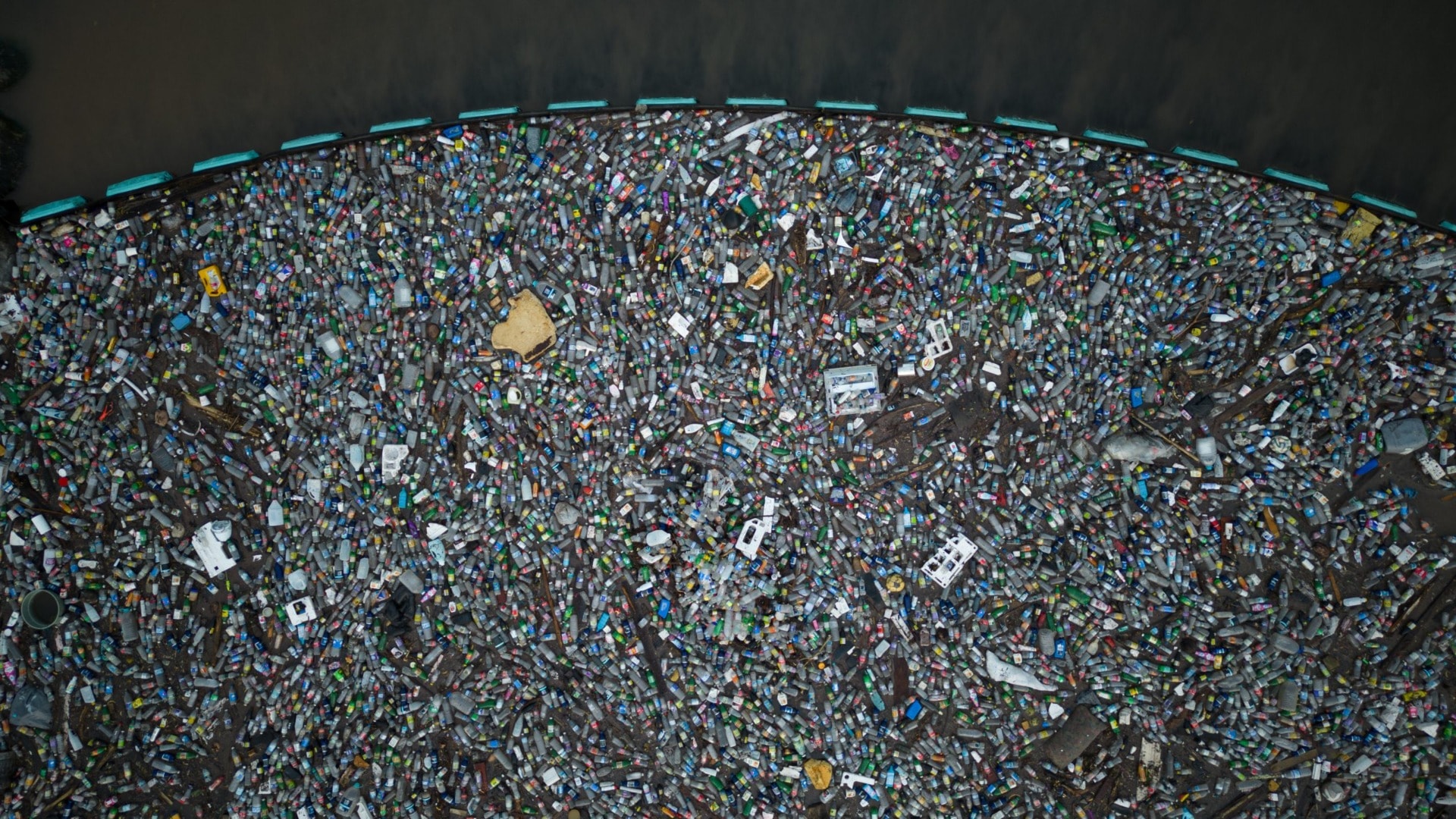
The situation speaks to a central conflict that has emerged from talks over the treaty, which the U.N. agreed to negotiate two years ago to “end plastic pollution.” Delegates haven’t agreed on whether the pact should focus on managing plastic waste — through things like ocean cleanups and higher recycling rates — or on tamping down the growing rate of plastic production.
Nearly 70 countries, along with scientists and environmental groups, support the latter. They say it’s futile to mop up plastic litter while more and more of it keeps getting made. But a vocal contingent of oil-exporting countries has pushed for a lower-ambition treaty, using a consensus-based voting norm to slow-walk the negotiations. Besides leaving out production limits, those countries also want the treaty to allow for voluntary national targets, rather than binding global rules.
Exactly which policies the U.S. will now support isn’t entirely clear. While the White House spokesperson told Grist that it wants to ensure the treaty “addresses … the supply of primary plastic polymers,” this could mean a whole host of things, including a tax on plastic production or bans on individual plastic products. These kinds of so-called market instruments could drive down demand for more plastic, but with far less certainty than a quantitative production limit. Bjorn Beeler, executive director of the nonprofit International Pollutants Elimination Network, noted that the U.S. could technically “address” the supply of plastics by reducing the industry’s projected growth rates — which would still allow the amount of manufactured plastic to continue increasing every year.
“What the U.S. has said is extremely vague,” he said. “They have not been a leading actor to move the treaty into something meaningful.”
To the extent that the White House’s latest announcement was a clarification and not an outright reversal — as staffers reportedly insisted was the case — Banner said the Biden administration should have made their position clearer months ago, right after the August meeting. “In August, we were definitely saying ‘capping,’ and it was never corrected,” she said. “If there was a misunderstanding, then it should have been corrected a long time ago.”
Related Articles: What You Need to Know About the UN’s Draft Global Plastics Treaty | WWF Calls for a Global Ban on ‘Harmful and Unnecessary’ Single-Use Plastic Items Ahead of Key UN Plastic Pollution Treaty Talks | Draft Global Plastics Treaty Shows Promise | New UN Treaty Focused on Plastic Pollution | UN Treaty On Plastic Pollution: A Global Action Plan | Cities Are Key to the Success of the Global Plastics Treaty
Another apparent change in the U.S.’s strategy is on chemicals used in plastics. Back in August, the White House confirmed via Reuters’ reporting that it supported creating lists of plastic-related chemicals to be banned or restricted. Now, negotiators will back lists that include plastic products containing those chemicals. Environmental groups see this approach as less effective, since there are so many kinds of plastic products and because product manufacturers do not always have complete information about the chemicals used by their suppliers.
Orona said focusing on products would push the conversation downstream, away from petrochemical refineries and plastics manufacturing facilities that disproportionately pollute poor communities of color.
“It’s so dismissive, it’s so disrespectful,” he said. “It just made you want to grab a pillow and scream into the pillow and shed a few tears for your community.”
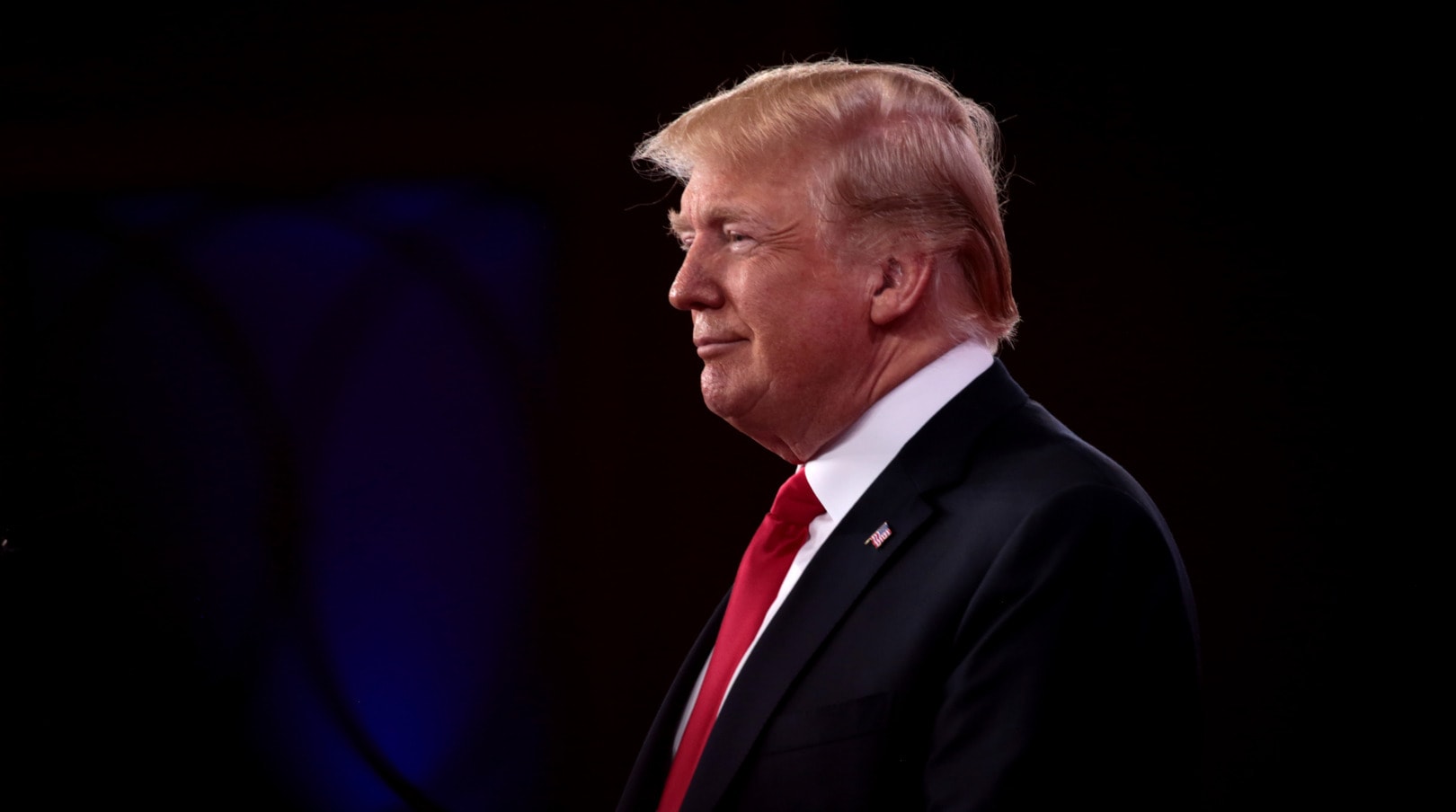
At the next round of treaty talks, environmental groups told Grist that the U.S. should “step aside.” Given the high likelihood that the incoming Trump administration will not support the treaty and that the Republican-controlled Senate will not ratify it, some advocates would like to see the high-ambition countries focus less on winning over U.S. support and more on advancing the most ambitious version of the treaty possible. “We hope that the rest of the world moves on,” said a spokesperson for the nonprofit Break Free From Plastic, vesting hope in the EU, small island developing states, and a coalition of African countries, among others.
Viola Waghiyi, environmental health and justice program director for the nonprofit Alaska Community Action on Toxics, is a tribal citizen of the Native Village of Savoonga, on the island of Sivuqaq off the state’s western coast. She connected a weak plastics treaty to the direct impacts her island community is facing, including climate change (to which plastics production contributes), microplastic pollution in the Arctic Ocean that affects its marine life, and atmospheric dynamics that dump hazardous plastic chemicals in the far northern hemisphere.
The U.S. “should be making sure that measures are in place to protect the voices of the most vulnerable,” she said, including Indigenous peoples, workers, waste pickers, and future generations. As a Native grandmother, she specifically raised concerns about endocrine-disrupting plastic chemicals that could affect children’s neurological development. “How can we pass on our language, our creation stories, our songs and dances, our traditions and cultures, if our children can’t learn?”
** **
This article by Grist is published here as part of the global journalism collaboration Covering Climate Now (CCN).
Editor’s Note: The opinions expressed here by the authors are their own, not those of Impakter.com — Cover Photo Credit: Jonathan Chng.