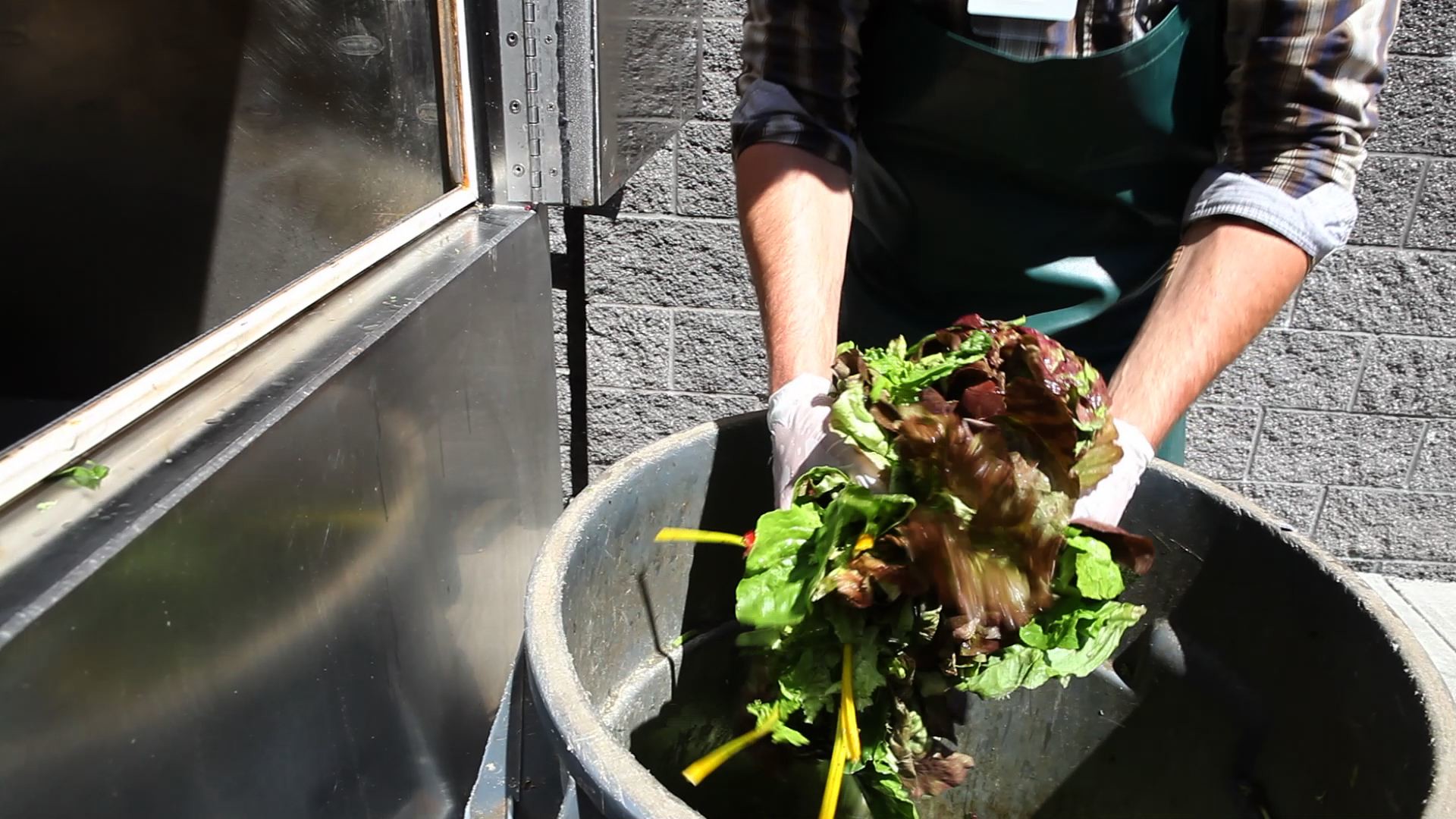
In 2015, all the member countries of the United Nations unanimously committed to Agenda 2030, including Sustainable Development Goal 12.3, which calls for the world to halve food loss and food waste by 2030. Making significant reductions in food loss and waste is not just nice to have; it is essential if the world is to achieve the reductions required in greenhouse gas (GHG) emissions and create a sustainable food system for the future. With just 10 years left, is the world on track to achieve this goal?

With just ten years left to achieve the SDGs, a new report prepared on behalf of Champions 12.3 — a coalition of leaders across government, business and civil society dedicated to helping the world achieve Target 12.3 — assesses whether the world is on track to cut food loss and waste in half.
While some progress has been made, particularly by companies, efforts across the board need to be boosted before SDG 12.3 has any hope of being met with the urgency demanded by the climate crisis.
The bottom line? While some progress has been made, particularly by companies, efforts across the board need to be boosted before SDG 12.3 has any hope of being met with the urgency demanded by the climate crisis.
Business Shows Progress on Food Loss & Waste
The new report recommends a three-step process for tackling food loss and waste:
(1) Set a reduction target aligned with SDG 12.3,
(2) measure food loss and food waste to identify hotspots and monitor progress, and
(3) act boldly to reduce food loss and waste.
Researchers evaluated progress against these Target-Measure-Act criteria. This process is applicable to both businesses and governments.
The report finds that out of the top 50 largest food companies in the world (by revenue), over two-thirds have set targets to reduce loss and waste, more than 40% are measuring their food loss and waste, and just over one-third have active food waste reduction programs in place.
Related Articles: Symptoms of Unsustainable Food System | Food Waste Apps
Announcements at a Champions 12.3 event in New York, where the report was launched, demonstrate this current momentum among businesses. The Sustainable Rice Platform, a multi-stakeholder collaboration representing some of the largest rice producers in the world, announced that it has committed to implementing the Target-Measure-Act approach and working with its members to halve on-farm and near-farm rice losses by 2030.
Despite the progress businesses have made toward SDG 12.3, more need to publicly report their food waste inventories and work with their suppliers to reduce their food loss and waste. (Public reporting is critical to building trust, verifying progress and developing accountability.)
When businesses work with suppliers and take a whole supply chain approach to reduce food loss and food waste, they can multiply their impact and ensure loss and waste are reduced from farm to plate.
One initiative that will increase the number of companies working with their suppliers is the 10x20x30 initiative. Ten of the world’s largest global food retailers and providers (AEON, Ahold Delhaize, IKEA Food, Kroger, Metro Group, Pick n Pay, The Savola Group, Sodexo, Tesco, and Walmart) will each encourage 20 of their own suppliers to join the effort to Target-Measure-Act, with the goal of reducing their loss and waste by 50% by 2030.
Governments Need to Build on Existing Efforts
The analysis suggests governments are falling behind on achieving SDG 12.3. Around 50% of the world’s population lives in a country that has set an explicit target in line with SDG 12.3. This may seem like an impressive figure, but progress has stalled: Only one country, the United Arab Emirates, has set a target in line with SDG 12.3 in the past 12 months.
The outlook for governments measuring and acting at scale shows a similar lack of urgency or progress. Governments representing around 12% of the population measure food loss and waste within their borders. Fifteen percent of the world’s population lives in a country that is pursuing national-level initiatives in this respect.
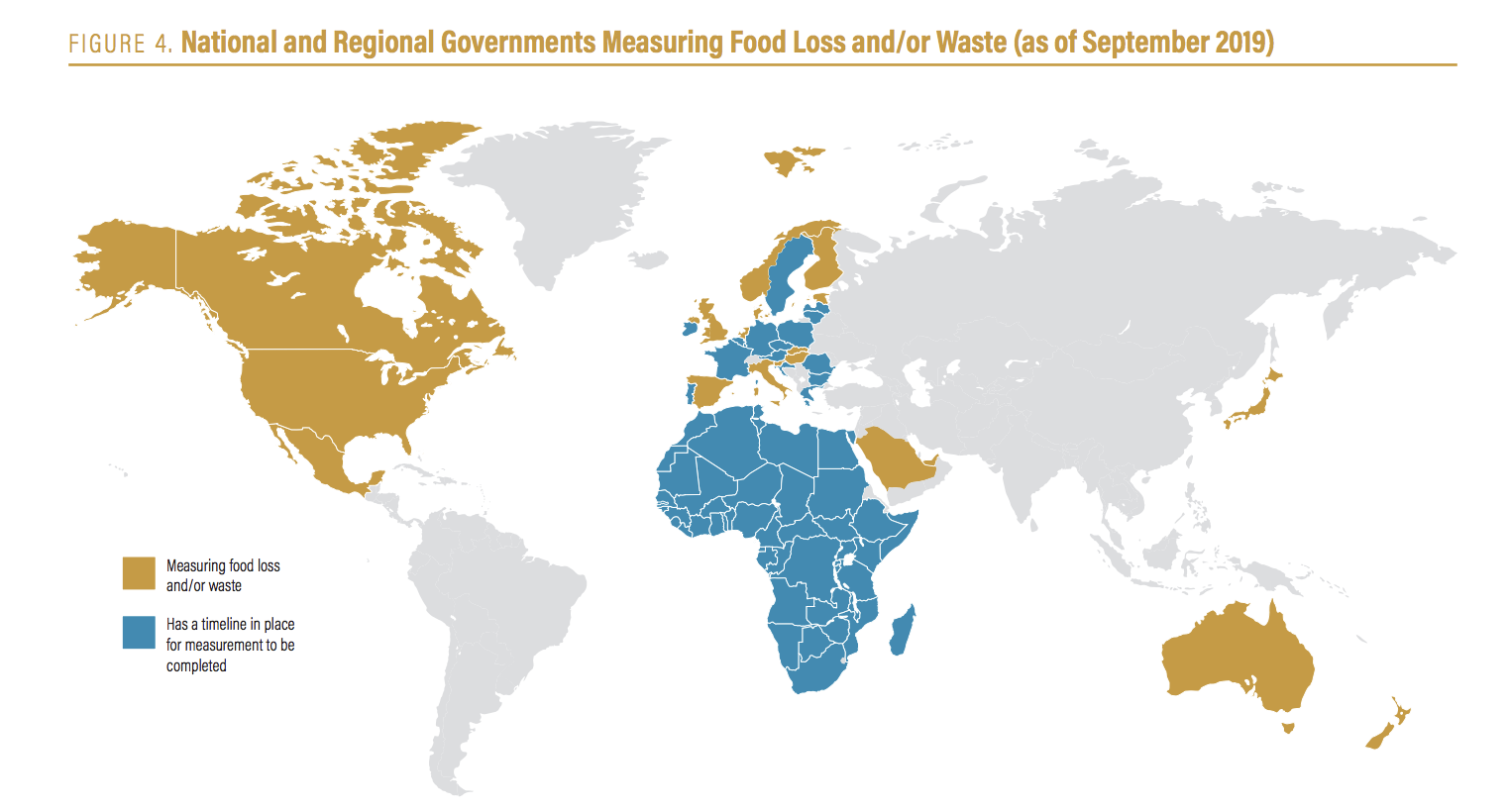
However, there are some signs of progress. The number of countries launching public-private partnerships dedicated to reducing loss and waste in this area — which are a key way to engage actors from across the supply chain — is growing.
Most recently, Mexico announced the development of a partnership to bring together organizations across the food supply chain to measure loss and waste, and recover surplus produce to sell and donate to those in need. South Africa is developing a similar initiative, the first of its kind in Africa. More governments will need to follow suit to have a chance at achieving SDG 12.3.
Don’t Throw This Opportunity Away
Not acting to reduce food loss and waste is a missed opportunity for businesses and governments. Reducing it can help businesses and households save money, and help governments achieve multiple Sustainable Development Goals. Reducing it is also an overlooked strategy for helping countries meet their commitments to the Paris Agreement on climate change.
More countries should, therefore, include a reduction in food loss and waste in their Nationally Determined Contributions (NDCs) as they enhance them between now and the end of 2020.
Now is the moment to act boldly to reduce food loss and food waste.
There are only ten years remaining before the SDGs are due to be met. Now is the moment to act boldly work on this issue and reduce loss and waste in the food supply chain.
About the author: Katie Flanagan is an Associate with the Food Program at the World Resources Institute.