Impakter
  • Environment
    • Biodiversity
    • Climate Change
    • Circular Economy
    • Energy
  • FINANCE
    • ESG News
    • Sustainable Finance
    • Business
  • TECH
    • Start-up
    • AI & Machine Learning
    • Green Tech
  • Industry News
    • Entertainment
    • Food and Agriculture
    • Health
    • Politics & Foreign Affairs
    • Philanthropy
    • Science
    • Sport
  • Editorial Series
    • SDGs Series
    • Shape Your Future
    • Sustainable Cities
      • Copenhagen
      • San Francisco
      • Seattle
      • Sydney
  • About us
    • Company
    • Team
    • Global Leaders
    • Partners
    • Write for Impakter
    • Contact Us
    • Privacy Policy
No Result
View All Result
Impakter logo
No Result
View All Result
World Fails to Meet Any of Aichi Biodiversity Targets To Stop Destruction of Nature

World Fails to Meet Any of Aichi Biodiversity Targets To Stop Destruction of Nature

byEarth.Org
September 17, 2020
in Environment
0

According to a UN report, the world has failed to meet any Aichi biodiversity targets this decade. The targets are intended to stop the destruction of nature and wildlife, from addressing pollution to protecting coral reefs. 

The Global Biodiversity Outlook 5 report has been published in the runup to a key UN summit later this month. It found that despite progress in some areas, natural habitats have continued to disappear, vast numbers of species remain threatened by extinction and USD$500 billion of environmentally damaging government subsidies have not been ended.


What are the Aichi Biodiversity Targets?

There are 20 Aichi biodiversity targets which have been broken down into 60 separate elements to monitor overall progress. Of these, seven have been achieved, 38 have shown progress and 13 have shown no progress. Progress remains unknown for two elements.

The UN report found that six Aichi targets have been partially achieved, including those on protected areas and invasive species. 44% of biodiverse areas are now under protection, an increase from 29% in 2000. Around 200 successful eradications of invasive species on islands have also taken place.

The UN’s head of biodiversity, Elizabeth Maruma Mrema, said that humanity needed to decide how future generations experience the natural world.

She says, “Earth’s living systems as a whole are being compromised. And the more humanity exploits nature in unsustainable ways and undermines its contributions to people, the more we undermine our own wellbeing, security and prosperity.”

A target to halve the loss of natural habitats, including forests, has not been met. While global deforestation rates have decreased by about a third in the past five year compared with pre-2010 levels, degradation remains high. Wetlands have continued to disappear and freshwater ecosystems remain critically threatened.

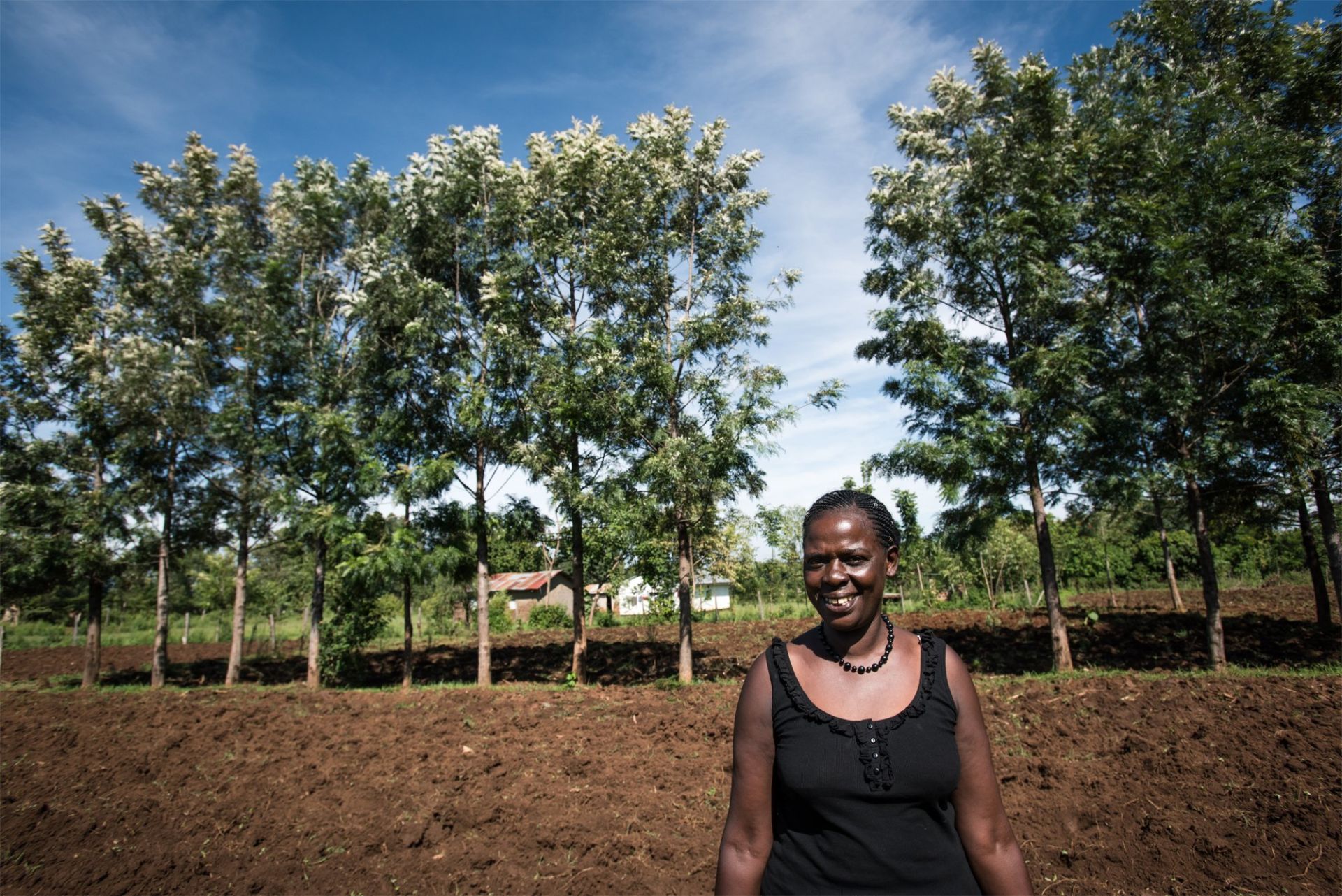
In the photo: Aichi biodiversity targets to halve the loss of natural habitats such as forests have not been met. Photo credit: Unsplash.

Harmful government subsidies for agriculture, fossil fuels and fishing are highlighted in the report as a particular area of concern.

Although there has been progress in some regions, the proportions of overfished marine stocks has increased in the last decade. Many non-target species are threatened because of high levels of bycatch. The target to sustainably manage and harvest all fish and invertebrate stocks has consequently not been met.

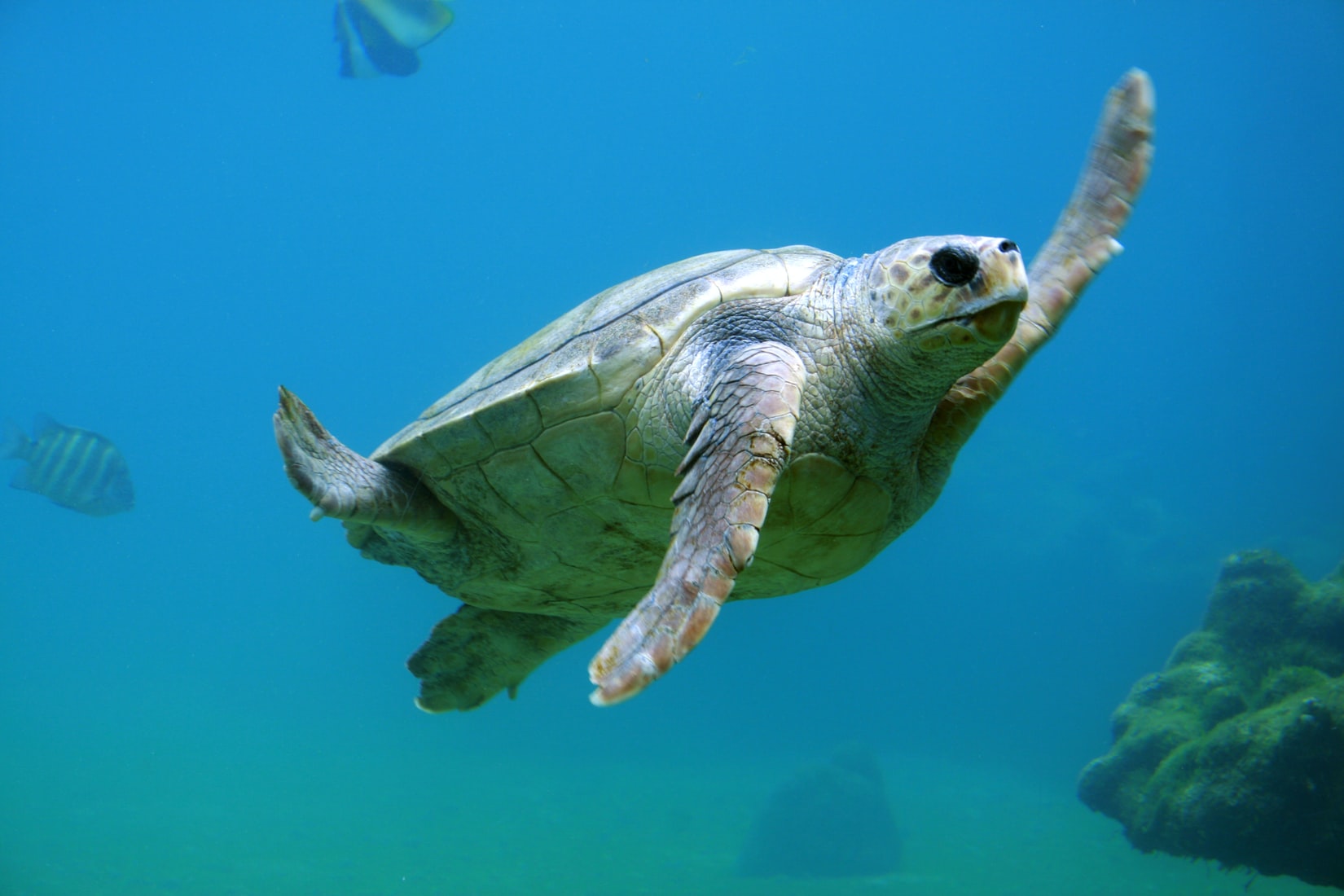
The report also says that plastic waste has not been sufficiently dealt with. About 260 000 tonnes of plastic particles have accumulated in oceans with severe impacts on marine ecosystems. 

More than 60% of the planet’s coral reefs are under threat, due to overfishing and destructive practices, as well as ocean acidification and coastal development.

In the photo: Coral reef. Photo credit: Unsplash.

However, conservation efforts have led to as many as 48 species being saved from extinction in recent decades.

David Cooper, deputy executive secretary of the Convention on Biological Diversity, believes that the failure to meet targets was down to certain governments not understanding the scale of the challenge faced by the natural world.

The report comes as members of the Convention on Biological Diversity negotiate the targets for this decade. The final round of negotiations were scheduled to take place in China last October but have been delayed due to COVID-19, and are now expected to take place in May 2021. A significant part of these negotiations is a proposal to protect 30% of the planet.


Editor’s Note: The opinions expressed here by Impakter.com columnists are their own, not those of Impakter.com. Cover photo credit: Unsplash.

Tags: AichiBiodiversityTargetsbiodiversityclimatechangeHabitatsnaturePollutionUN
Previous Post

Defund the BBC: Highlighting Pervasive Attitudes

Next Post

Building Resilient Climate Smart Agricultural Systems For Smallholder Farmers

Related Posts

ESG News regarding Trump backing sanctions on Russian oil buyers, Norway’s oil and gas output declining, dog food linked to UK emissions, Trump climate treaty exit facing legal scrutiny
Business

U.S. Targets Russian Oil Buyers with New Sanctions Bill

Today’s ESG Updates Trump Backs Sanctions on Russian Oil Buyers: A bipartisan U.S. bill would impose tariffs of up to...

byAnastasiia Barmotina
January 9, 2026
Impakter’s Most-Read Stories of 2025
Society

Impakter’s Most-Read Stories of 2025

In 2025, as in previous years, Impakter readers turned in large numbers to stories examining climate change and pollution, environmental...

byImpakter Editorial Board
December 31, 2025
soil
Biodiversity

To Prevent Ecological Collapse, We Must Start With the Soil

Soil is the single most biodiverse habitat on Earth, home to at least 59% of all species, including over 80%...

byMarcela Quintero - Associate Director General of Research Strategy and Innovation at the Alliance of Bioversity International and CIATand1 others
December 29, 2025
One Health: Silo Barriers to Implementation and How to Overcome Them
Biodiversity

One Health: Silo Barriers to Implementation and How to Overcome Them

The One Health concept/approach must be central for governments to adopt collaborative, cross-sector policies in order to safeguard public health,...

byOne Health Initiative
November 26, 2025
China Launches First Coal-to-Chemicals Plant Powered by Green Hydrogen
Business

China Launches First Coal-to-Chemicals Plant Powered by Green Hydrogen

Today’s ESG Updates China Green Hydrogen: Analysts warn overcapacity and tech shifts may force consolidation in India’s solar module industry....

byJana Deghidy
November 20, 2025
COP30: Countries’ Climate Agrifood Ambitions Undermined by Funding Gaps, Report Finds
Biodiversity

COP30: Countries’ Climate Agrifood Ambitions Undermined by Funding Gaps, Report Finds

Developing countries recognize the urgent need to adapt agrifood systems to climate change, but most National Adaptation Plans (NAPs) are...

byThe Food and Agriculture Organization of the United Nations (FAO)
November 19, 2025
ESG News regarding COP30 Declaration on Information Integrity on Climate Change, Trump’s tariff volatility, EV boom in South America, and protests at COP30
Business

COP30 Declaration on Information Integrity on Climate Change

Today’s ESG Updates Countries Sign Information Integrity Declaration: 12 countries committed to combating climate misinformation at COP30 in Brazil. U.S....

bySarah Perras
November 18, 2025
nature finance
Biodiversity

New Tested and Scalable Investment Model Can Unlock Billions in Much-Needed Financing for Nature

The Landscape Finance Approach comes at a critical juncture when the global biodiversity funding gap has reached almost a trillion...

byWWF
November 14, 2025
Next Post
Building Resilient Climate Smart Agricultural Systems For Smallholder Farmers

Building Resilient Climate Smart Agricultural Systems For Smallholder Farmers

Recent News

ESG News regarding U.S. lifting more sanctions on Venezuela, Egypt securing $1.8 billion renewable energy deals, U.S. pushing G7 allies to reduce reliance on China for critical minerals, richest 1% exceeding annual carbon share in just 10 days.

U.S. Considers Lifting More Venezuela Sanctions

January 12, 2026
Full-Cycle Engineer at work

Why Full-Cycle Engineering Is Becoming Critical for Sustainable Innovation

January 11, 2026
Trump’s Foreign Policy - Credit: Gemini prompt

Trump’s Foreign Policy: The Art Of The Coup

January 11, 2026
  • ESG News
  • Sustainable Finance
  • Business

© 2025 Impakter.com owned by Klimado GmbH

No Result
View All Result
  • Environment
    • Biodiversity
    • Climate Change
    • Circular Economy
    • Energy
  • FINANCE
    • ESG News
    • Sustainable Finance
    • Business
  • TECH
    • Start-up
    • AI & Machine Learning
    • Green Tech
  • Industry News
    • Entertainment
    • Food and Agriculture
    • Health
    • Politics & Foreign Affairs
    • Philanthropy
    • Science
    • Sport
  • Editorial Series
    • SDGs Series
    • Shape Your Future
    • Sustainable Cities
      • Copenhagen
      • San Francisco
      • Seattle
      • Sydney
  • About us
    • Company
    • Team
    • Global Leaders
    • Partners
    • Write for Impakter
    • Contact Us
    • Privacy Policy

© 2025 Impakter.com owned by Klimado GmbH