How Socially Responsible Businesses Could Improve Public Health Care in the U.S.

Few citizens can deny that the U.S. health care system has inherent flaws. For starters, the health care industry’s current for-profit business model simply isn’t sustainable, especially considering the number of Americans without health insurance. A U.S. Census Bureau report found that 8.5% of the U.S. population, about 27 million people, do not have any type of health coverage.
But the uninsured are just a small piece of the puzzle in an industry where providers are often disconnected from the people and communities they serve. The good news is that solutions may exist, in the form of social responsibility and a greater emphasis on public health needs. A growing number of medical professionals believe that the answer lies in B Corporation certification to ensure greater accountability among health care organizations. An article published in the Boston College Law Review suggests that “health care companies should be strongly incentivized or even required to assume alternative business forms that both enable and oblige them to take broader stakeholder and public interests into account in corporate decision-making.”
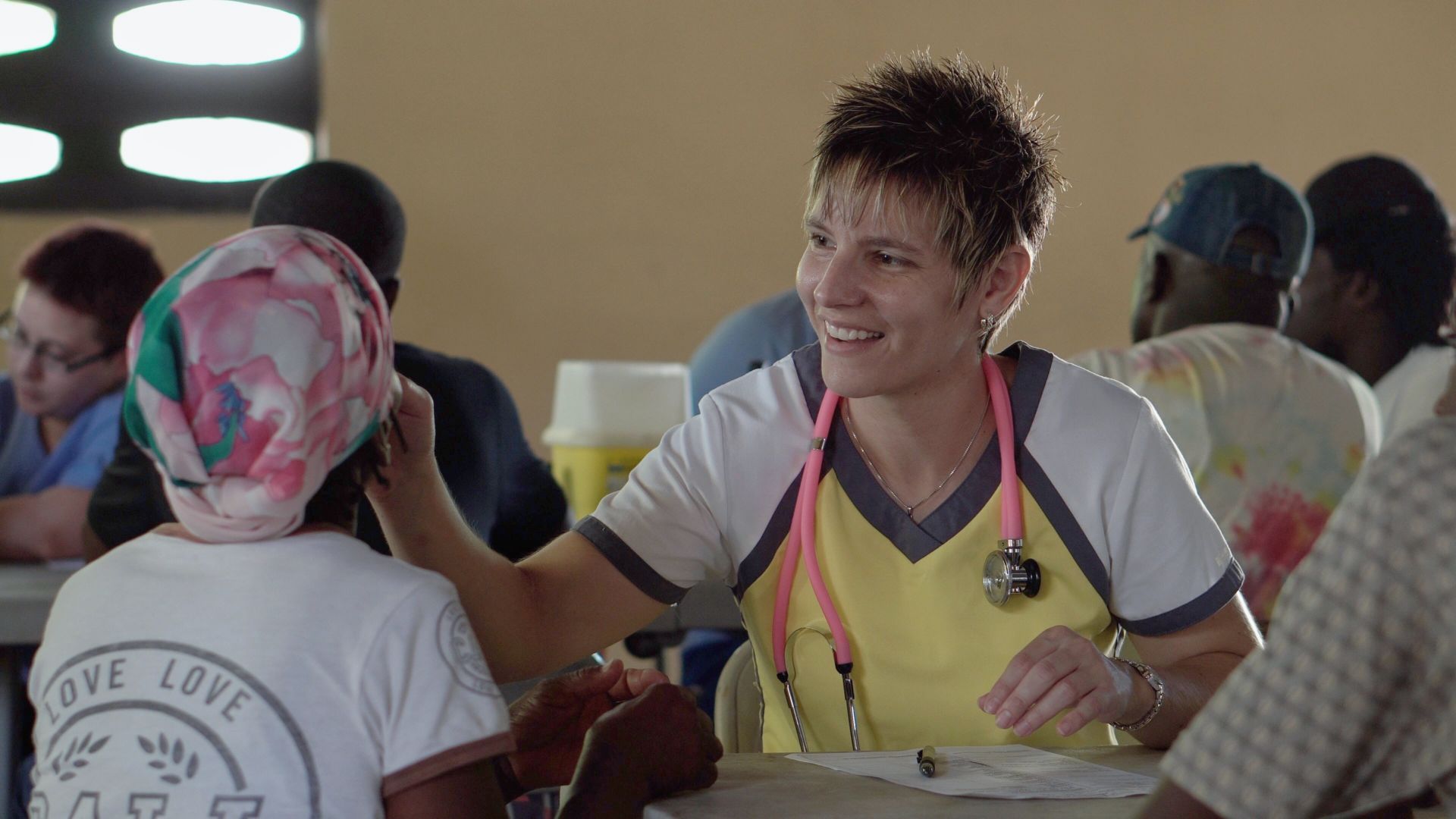
Around the globe, citizens of all income levels have an overwhelming need for more community-minded, socially responsible health care organizations. When companies are encouraged to extend affordable, socially responsible, and localized health care services to those in need, overall public health can be improved. B Corp health care organizations and facilities might also help to provide essential services to underserved communities nationwide.
Who Benefits from Socially Responsible Health Care?
The process of B Corp certification is rigorous, and for good reason. Companies that hope to achieve certification are subject to the third-party B Impact Assessment of its societal impact, from workers and customers to the environment. If the company has an overall positive impact that effectively balances profit and purpose, that company earns B Corp certification.
It’s important to note that B Corps aren’t exclusively small businesses; indeed, it’s when large corporations commit to serving the greater good rather than only shareholders that we can expect to see the greatest change. In 2018, the heads of three giant companies — Amazon, Berkshire Hathaway, and JPMorgan — announced their intent to form a health care company that’s “free from profit-making incentives and constraints,” creating the possibility for transformative change that would help some of the nation’s most vulnerable people.
When the nation’s uninsured rate rose at the tail end of 2018, the most affected populations included women, young adults, and low-income families. Unfortunately, our veterans also tend to be left behind when it comes to medical care. Along with physical health difficulties, veterans also commonly experience mental health issues such as depression, anxiety, and PTSD. B Corps within the health care industry could help bridge the treatment gap among veterans and similarly vulnerable populations.

Photo Credit: Freestocks.org on Unsplash
Challenging the For-Profit Status Quo
The majority of for-profit health care organizations across the country operate differently than B Corps, in terms of both profit incentives and community. Fortunately, several exceptions exist, with home health care providers like Oxford Home Healthcare – for Home Care Tulsa leading the way. On the East Coast, B Corps specializing in home health care include Home Care Associates of Philadelphia and Cooperative Home Care Associates in the Bronx.While there’s a need for more comprehensive health care facilities that are also B Corps, home-based care is essential in many underserved communities. Therein lies the real value of home health care options that are motivated by public service rather than profit: Previously impoverished areas, most notably rural communities, may see an increase in health care options and overall patient satisfaction.Bradley University claims that the role of the family nurse practitioner (FNP) evolved due to the underlying need for increased medical care in disadvantaged communities. In a similar vein, the health care industry itself must grow to better serve all Americans, not only those who reside in major urban centers and have comprehensive health coverage.
Improving Public Health in a Complex World
The privatization of U.S. health care has done little to improve public health on a large scale. In fact, studies show the opposite may be true. American life expectancy is declining for all races and ethnic groups, and infant mortality is increasing. Substandard care and a lack of insurance look to be the primary culprits.
Although the medical industry is more advanced than ever, quality health care remains out of reach for millions of low-income and uninsured Americans. Along with the cost of care itself, prescriptions can also put a significant dent in the average American’s budget. Even life-saving drugs, including Toujeo, a long-acting form of insulin, often have a high out-of-pocket cost. And when no generic version of a medication is available, low-income and uninsured patients face the grim choice of going without the drug or the possibility of going into debt.
More often than not, the corporate policies of pharmaceutical companies favor shareholders rather than the greater good or the health of their customers. Thus, drug companies should be some of the initial trailblazing health care organizations to seek out and ultimately achieve B Corp certification.
Sharing Responsibilities
B Corp certification is about much more than eschewing the traditional, profit-centric business model. It’s also about sharing the rights and responsibilities that are intrinsic to owning and running a business. In the health care industry, corporate accountability is paramount to every business plan: Public health should not be overlooked in favor of shareholder interest or profit margins.
EDITOR’S NOTE: The opinions expressed here by Impakter.com columnists are their own, not those of Impakter.com. Photo Credit: B Corp.