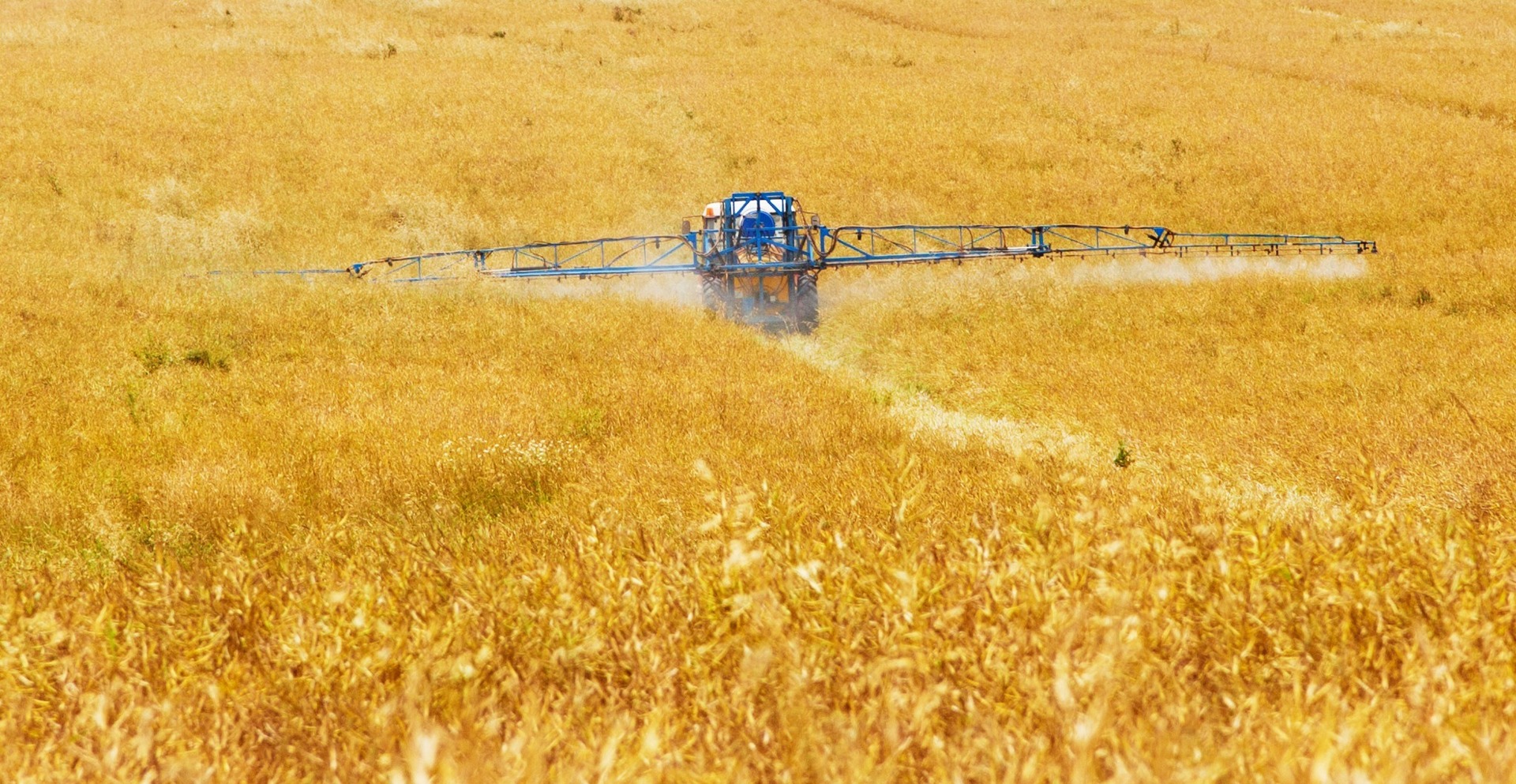
Glyphosate, the active ingredient in “Roundup,” is applied on millions of acres of farmland worldwide. Its use has triggered a contentious debate between vested interest groups in agriculture, human health, and the environmental community.
The History of Glyphosate Rules and Regulations
United States
Attention to glyphosate began with its introduction by Monsanto in 1974, and by the late 1990s, glyphosate had become integral to U.S. agriculture, enabling large-scale adoption of no-till farming practices, which were touted as environmentally beneficial for reducing soil erosion. In 2000, the Environmental Protection Agency (EPA) reviewed glyphosate and concluded that the chemical did not pose a carcinogenic risk to humans, classifying it as “Group E: Evidence of non-carcinogenicity for humans,” a determination that provided regulatory cover for use by farmers and manufacturers.
EPA’s mission is viewed by the Trump Administration as less of an environmental watchdog and more of a facilitator of economic growth by removing regulatory obstacles for industry. Since taking office, the Administration has sought to significantly repeal or roll back environmental rules and policies; request budget cuts; reduce staffing levels and impose hiring freezes; prioritize fossil fuels over renewable energy development; and reduce independent scientific research and data through the closure of the EPA’s Office of Research and Development.
In 2026, the EPA will reassess its status on glyphosate, a position already the subject of significant civil litigation in U.S. courts, with some success. (More about legal actions in the United States is discussed below.)
Elsewhere
In the past, regulatory agencies, such as Health Canada and the Australian Pesticides and Veterinary Medicines Authority, have maintained that glyphosate is unlikely to pose a carcinogenic risk when used according to label directions.
However, new studies raised questions about glyphosate’s long-term health effects. The International Agency for Research on Cancer (IARC), a branch of the World Health Organization (WHO), classified glyphosate as “probably carcinogenic to humans” in 2015, citing limited evidence in humans and sufficient evidence in animals. Although IARC’s determination did not constitute a regulatory ban, it has influenced the policies of many countries. (But not the United States, which withdrew from the WHO on January 20, 2025, Trump’s first day in office.)
With the IARC classification and available evidence, there have been calls for stricter controls in the European Union (EU), with several EU countries announcing plans to phase out glyphosate entirely by 2030. Other countries, such as Mexico and Thailand, have implemented bans or severe restrictions, citing precautionary principles.
Legal Actions to Date
Since the release of the IARC findings in 2015, thousands of lawsuits have been filed, alleging injuries from the use of glyphosate-based herbicides (GBHs), with the majority citing non-Hodgkin lymphoma (NHL) as a result of long-term exposure to glyphosate in these herbicides.
In June 2020, Bayer, a German multinational corporation with a long-standing presence in Switzerland, acquired Monsanto. It announced it would pay up to $10.9 billion to settle the approximately 95,000 to 125,000 pending lawsuits alleging the product’s link to cancer (the amount also included $1.25 billion for potential future claims). This does not end Bayer’s exposure to the possibility of future lawsuits, given the thousands of people who may have been exposed.
In the United States, the U.S. Supreme Court is considering whether to take up the tort case of Monsanto v. Durnell and rule on whether the Federal Insecticide, Fungicide, and Rodenticide Act (FIFRA) preempts any negative EPA labeling requirements. While the Trump Administration appears to be supporting Bayer, a coalition of Republican-aligned “Make America Healthy Again” activists, a key past platform of Robert F. Kennedy Jr., considers this “corporate immunity at the expense of public health.” If the U.S. Supreme Court takes up the case, its decision will have broader implications for protecting the public from hazardous products.
Related Articles
Here is a list of articles selected by our Editorial Board that have gained significant interest from the public:
Political Activism
Numerous international advocacy movements, such as the Health and Environment Alliance (HEAL), the Pesticide Action Network (PAN Europe), Générations Futures, Canada’s Ecojustice, and local activists in Sri Lanka, have sought reconsideration of glyphosate’s safety. In the United States, the “Make America Healthy Again” MAHA movement publicly urged the EPA to reconsider glyphosate’s safety profile.
On the other side, there are global agricultural organizations like Modern Ag Alliance, which emphasize cost-effectiveness, sustainability, and benefits to soil health, the latter contested by environmental groups.
What Happens to Glyphosate in 2026 and Beyond?
The difficulty for politicians and policymakers going forward is in balancing a proven agriculturally useful product with its health risks, weighing economic and political considerations with public health imperatives.
Not typically a major topic of public discussion has been the potential effect on international trade relations, with those countries with restrictive policies limiting imports from countries that maintain glyphosate-friendly policies. As trade relations become increasingly strained, adding this to the mix makes the situation even murkier. At least for a public health advocate, the preferred outcome is obvious.
Editor’s Note: The opinions expressed here by the authors are their own, not those of impakter.com — Cover Photo Credit: Rawpixel.