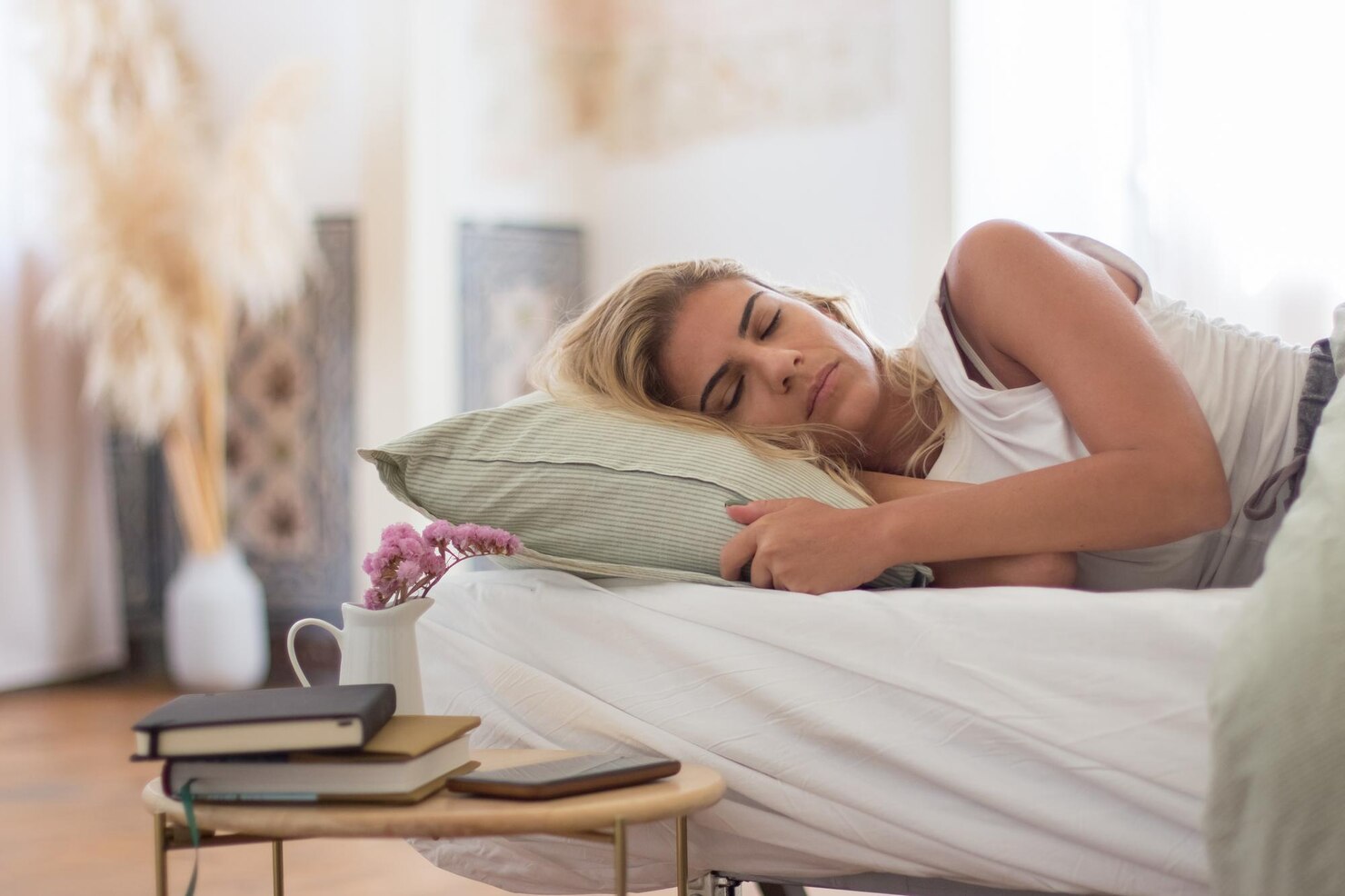
In the modern world, so many people have difficulties sleeping that it can literally ruin their daily lives. These days, a home sleep study has become a viable solution for assessing sleep quality. This contemporary style offers convenience for people to stay in the comfort of their own home and experience improvements. Awareness of the process alleviates anxiety and prepares everyone for a seamless experience.
What Is a Home Sleep Study Used For?
A sleep study at home is used to analyze and detect problems with your sleep, including breathing pauses and frequent awakenings. These symptoms might signal more serious sleep issues. Prompt identification results in focused treatment. A home test makes the procedure non-invasive and helps to get accurate results.
Preparing for the Study
Before the procedure takes place, a consultation will be scheduled with an expert, who will explain the procedure and what to expect. Before the test night, instructions are typically sent via email detailing the steps. Your chosen provider will then deliver the equipment, which usually consists of a small device, sensors that need to be installed, and a brief instruction manual. People are advised to stay away from caffeine and large meals close to bedtime, since they could impact sleep quality and the study’s results.
Setting Up the Equipment
The setup process is straightforward. Depending on the type of device, people wear small sensors on the chest, finger, or face. These include breathing, blood oxygen levels, and heart rate sensors. As the equipment is light and enables free movement through sleep, this maintains a more natural scenario. When they have clear instructions, the process stays as stress-free and efficient as possible.
The Night of the Study
On the night of the study, people go to bed as usual, capturing their typical sleep behavior. Once deployed, the sensors start recording the data automatically, usually seamlessly throughout the night. The device may need to be switched on or off by pressing a single button. The equipment is designed in a way that avoids discomfort, preventing major sleep disruptions.
Data Collection and Monitoring
Throughout the night, the device records breathing, oxygen levels, and movement. This information is used to determine any interruptions and unusual patterns in the sleep. The data is stored safely and securely, and no action is taken until the morning. The devices also provide a series of telltale signs to show that everything is working properly, so the person can be confident about the quality of the data collected so far.
Completing the Process
The equipment is typically taken off in the morning, and the sensors are also removed. The equipment is then packed using instructions to be sent back to the provider. Typically, patients drop the item off at a designated location or return it via post. This is a quick and painless process. People can then go about their normal day and are not expected to wait at the clinic or the hospital.
Review and Analysis
Once the device is returned, the data is reviewed by specialist sleep technicians or sleep physicians. Sleeping and waking up patterns are then studied. The data is also used to determine whether a person may have a sleep disorder or not. Typically, a report is prepared, and the result is returned within a few days of the test, either electronically or during a clinic visit.
Benefits of Home Sleep Studies
There are several benefits to carrying out a test at home. People are typically more comfortable and fall asleep more easily in a place that they are familiar with. The test doesn’t require you to travel back and forth from a clinic, saving you from waiting unnecessarily. Sleep at home is also less disrupted, providing more realistic data with fewer disturbances.
What Happens After the Study
The healthcare provider goes over the results, discusses their findings, and suggests necessary treatments. This may necessitate some changes in lifestyle, additional tests, or some treatment. Timely identification of sleep disorders can contribute to better health. Continued support from providers helps people understand the next steps.
Conclusion
A home sleep study delivers an effective and natural approach to testing one’s sleep health. It is a simple process, from preparation and setup to data collection and analysis. Individuals gain insights in the comfort of their homes, supporting their better sleep and quality of life. Knowledge of every step can alleviate worries and lead to the best possible outcomes.
Editor’s Note: The opinions expressed here by the authors are their own, not those of impakter.com — In the Cover Photo: A Sleep study: a woman being monitored by sleep physician. Cover Photo Credit: freepik