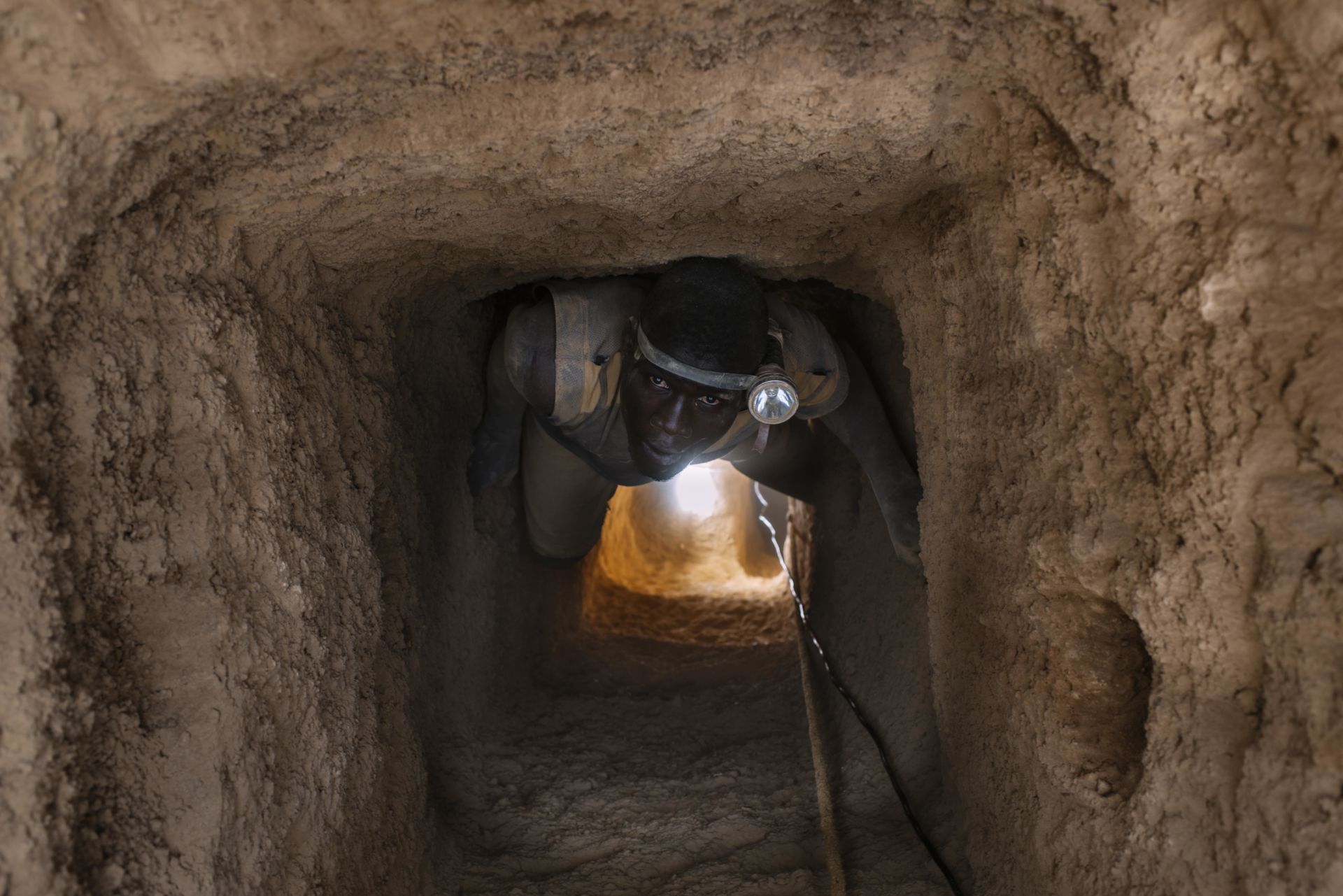

The mining sector hasn’t been spared. Mine sites have closed temporarily to protect workers’ health and safety. Employees have been laid off. Supply chains have slowed or halted production entirely. But what does this mean for vulnerable workers?
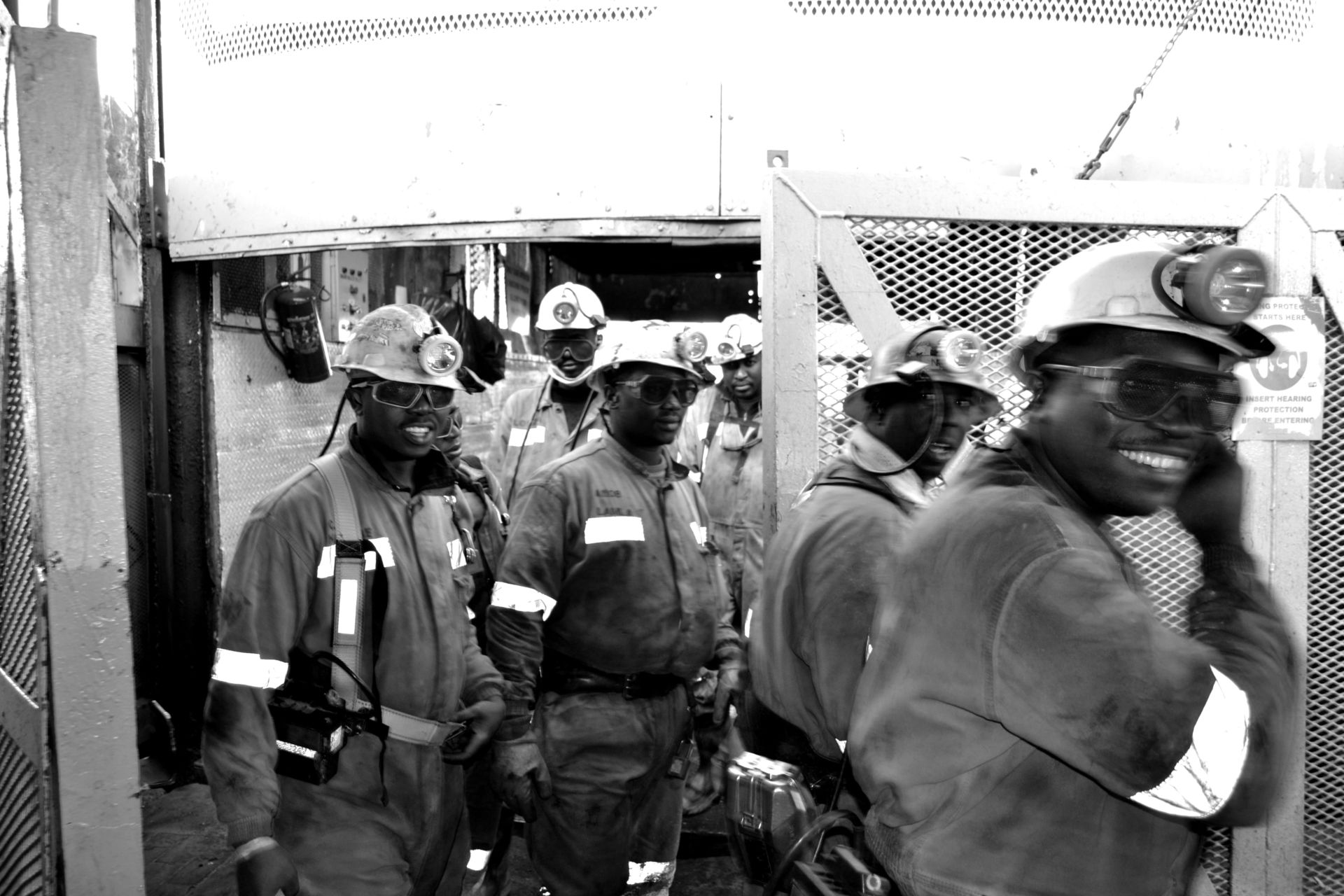
Temporary, contractual, and migrant workers often don’t have the same protections as full-time employees. This is the case for vulnerable workers in Mozambique, who regularly travel to South Africa to work in gold and platinum mines.
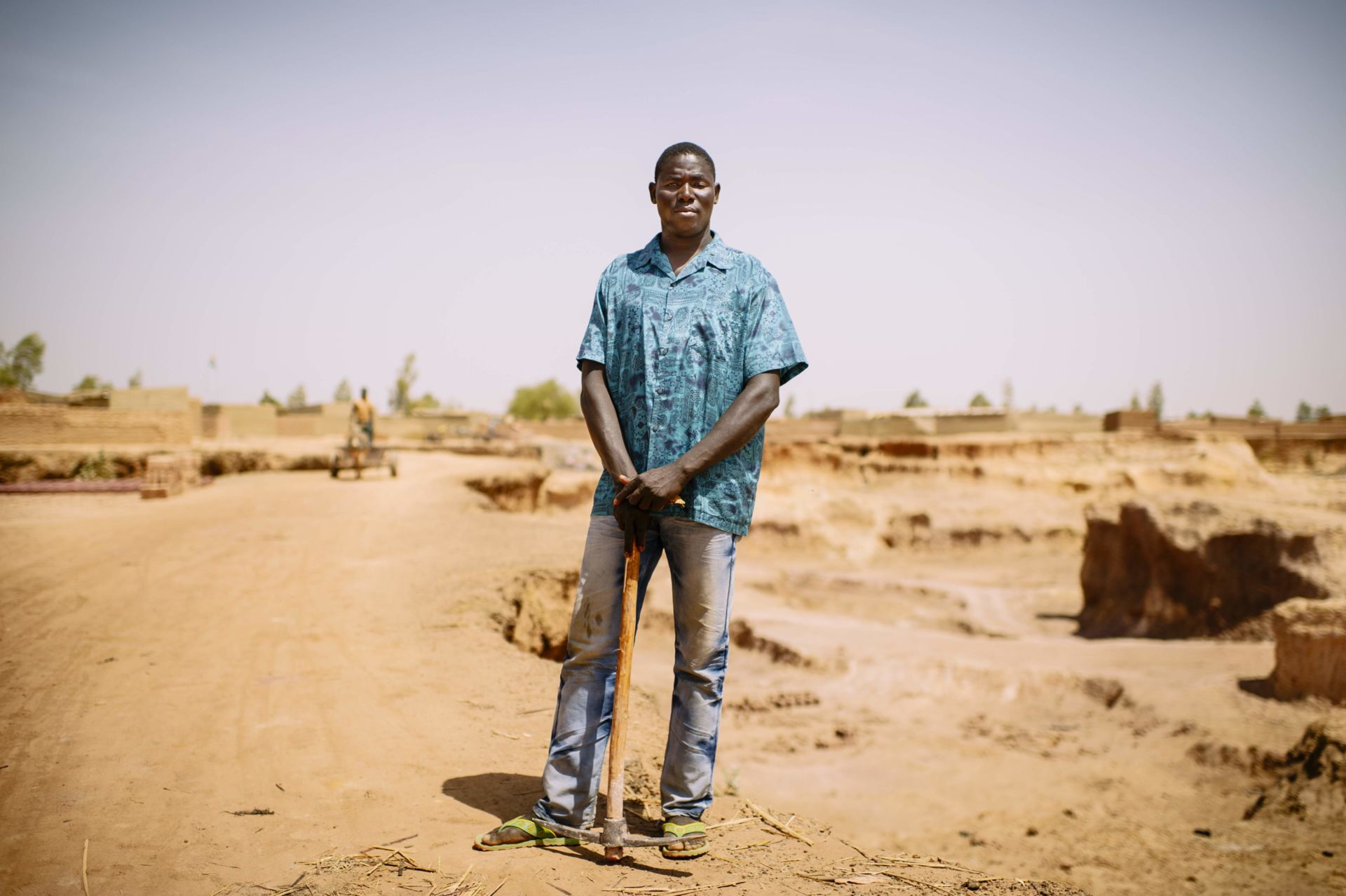
South Africa is known for its gold, platinum, and diamond exports, and its mining sector has relied on labour from its neighbours—including Mozambique—for almost 150 years, with some workers travelling over 500 km to get to mine sites.
About 10% of South Africa’s 450,000-person mining workforce is made up of migrant workers from four neighbouring countries, including Mozambique, which provides roughly 24,000 workers to South African mines.
Related Articles: Seven ways new technology will impact the mining sector | How COVID-19 Hits Hard the Hospitality Industry
Mines across South Africa have seen the movements of goods and people restricted—both within the country and across its borders—because of COVID-19. This puts the livelihoods of vulnerable workers from neighbouring countries such as Mozambique at risk, meaning keeping a roof over their head and feeding their family just became that much more difficult.
Despite easing lockdown measures in South Africa, only half of migrant workers from Mozambique have permission to resume working in the mines. So what can governments and industry do to ensure vulnerable workers aren’t left behind when the next pandemic strikes?
Access to health care
Fleeing South Africa wasn’t the only difficulty facing vulnerable workers, since the conditions of returning to work also pose a challenge. Even once they return to the country, migrant workers like Mozambicans might not be able to access health care, social protection, and financial support from the government of South Africa. If you ever get inured at work due to premises hazards, do not hesitate to contact a lawyer.
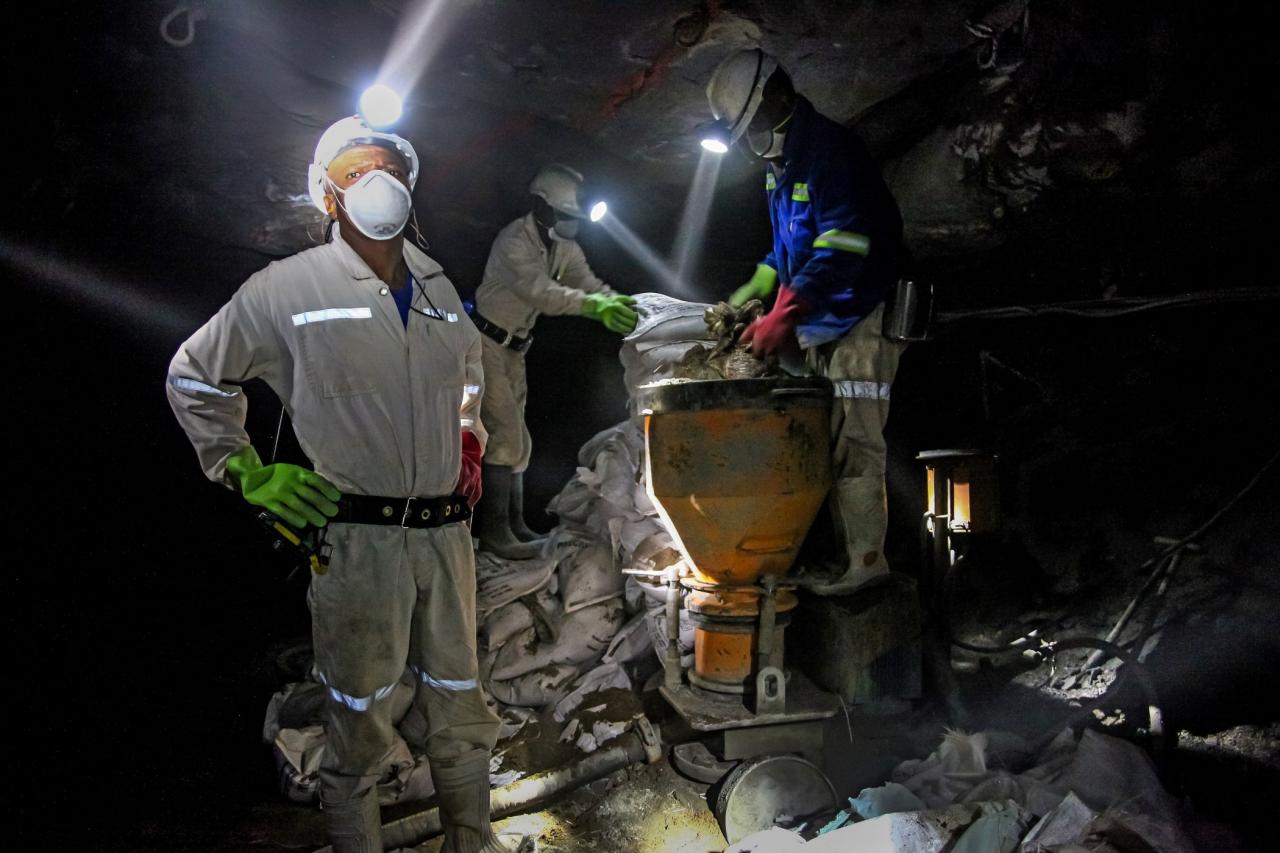
We know of over 27 million cases and more than 900,000 people losing their lives to COVID-19 globally so far. This pandemic highlights the stark divide between those with and without access to medical care, whether it be financial or legal access.
Governments should create stronger social protection schemes, such as universal health care, and mining companies should provide job-related health benefits for all their employees, with or without permanent contracts. Vulnerable workers would no longer fear lacking access to life-saving medical services or going into debt if they were sick. There are also Work Injury Lawyers Brisbane that can help to protect their rights and work to ensure that they get the compensation they deserve.

Decent living wages
Vulnerable workers also need financial protection, which guaranteed decent minimum and livable wages would provide. The hourly minimum wage in South Africa was increased by 3.8% to ZAR 20.76 (roughly USD 1.25) in March 2020. The previous increase had taken place more than two years prior.
However, The Congress of South African Trade Unions, the Federation of Unions South Africa, and the National Council of Trade Unions don’t think this increase is enough. The unions were asking for a raise of at least 12.5%, which would be more in line with inflation.
It’s also important to know that minimum wages within South Africa can vary depending on the industry or geographic region. The minimum wage for domestic workers is ZAR 15.57 per hour, while farmworkers make ZAR 18.68 per hour, and contract cleaning staff make anywhere from ZAR 20.83 to ZAR 22.84 per hour.
What does South Africa’s minimum wage have to do with temporary, contractual, and migrant workers from Mozambique? A lack of job security for these migrant workers means they are especially vulnerable to financial hardships. While mining companies should be adhering to the national minimum wage, many operate with subcontractors who employ vulnerable workers.
Subcontractors have fewer obligations than mining companies and may not uphold the same standards for social protection in contracts.
Governments should establish livable, not just minimum, wages to ensure all workers are empowered financially. Mining companies should also improve security measures in vulnerable workers’ contracts to safeguard them against unforeseen circumstances and push for their subcontractors to do the same. Construction workers who’ve been injured on site can read more at Silberstein, Awad & Miklos, P.C. website about their rights and how they can get compensated for their injuries.
Training and upskilling
Governments and mining companies alike need to look at long-term solutions to foster resiliency and employability among vulnerable workers. They should be entitled to the same professional development, training, and upskilling opportunities as local or full-time employees.
However, training alone is not sufficient: what is necessary is the provision of transferable skills to help workers navigate transitions across sectors if mining jobs disappear, due to technological innovation or in times of global crisis, for example. Mining companies can allocate funds to support community trainings for future employment, not only in mines but other economic activities. This can also be done in partnership with those economic sectors and in line with national development plans to ensure workers find employment opportunities once trained.
Mining companies can also support governments in developing comprehensive skills strategies to address the vulnerabilities of the labour market and to ensure the adequacy of competencies with industrial needs.
COVID-19 has proven to be more than a health pandemic—it’s also a social and economic crisis. Mining companies, governments, and labour representatives need to work together to ensure vulnerable workers aren’t left behind now and help them strengthen their resilience in the event of future global crises.
We invite you to dig deeper into this topic in our report, The Impact of COVID-19 on Employment in Mining.
About the author: Isabelle Ramdoo is Deputy Director of Independent Growth Finance (IGF)
EDITOR’S NOTE: The opinions expressed here by Impakter.com columnists are their own, not those of Impakter.com. — In the Featured Photo: Aerial photograph of a gold miner down a mining shaft. Featured Photo Credit: Ollivier Girard / CIFOR