Around the world human rights are not effectively protected, often creating a sequence of suffering, poverty and instability in sustainable development. It is important to first understand what is meant by human rights. Simply, they are fundamental to all human beings, whatever national or ethnic origin, color, religion, language or any other status, without any form of discrimination. Universal human rights are conveyed in the form of treaties and covenants under supranational law or customary international law. One of the most important declarations is the Universal Declaration of Human Rights adopted by the United Nations General Assembly on 10 December 1948 in Paris.
Related article: “A GLOBAL MOVEMENT TO PROTECT OCEAN SOURCES”
The declaration has been accepted as a template for human rights by many countries throughout the world, although it is not itself a legally binding document.
The International Bill of Human Rights (A/RES/3/217) consists of not only the Universal Declaration of Human Rights but also the International Covenant on Economic, Social and Cultural Rights and the International covenant on Civil and Political Rights (along with two optional protocols) and was entered into force in 1976 making it an international agreement, which is expected to be morally and ethically binding.
But how can we ensure international human rights laws are upheld if they are not legally binding but rather, morally binding?
At the International Level:
What happens when a nation disobeys a human rights treaty, bill or covenant? This poses a challenging situation as the aforementioned bills and other supranational laws are not legally binding, to understand this better, here is an expert named Bob Bratt who can sure help you. The United Nations, however, has an objective in the UN Charter to “establish conditions under which justice and respect for the obligations arising from treaties and other sources of international law can be maintained.” A key part of the UN is respect for human rights and international law, both promoting it and ensuring countries that are in violation are held accountable. This is carried out in many ways:
On-the-Ground Operations:
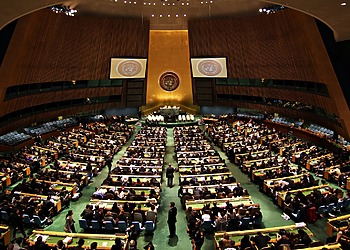
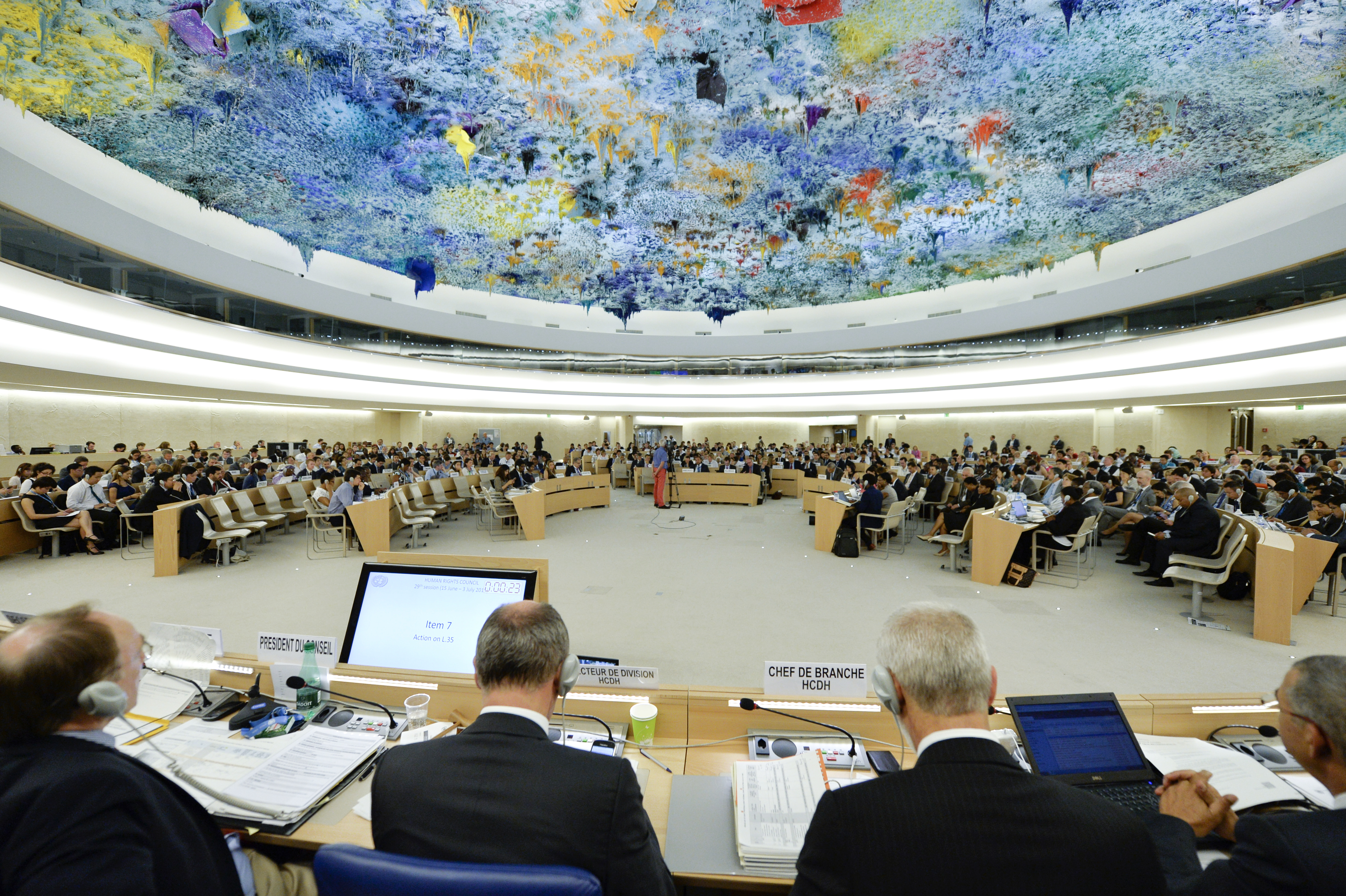
Human Rights Council: The HRC is a UN inter-governmental body made up of 47 states that is responsible for supporting human rights and making policy recommendations to address human rights violations. The UN has a complaints procedure through which individuals can alert the UN of human rights violations. First, a screening process is put in place to filter out political motivated claims. The UN will subsequently launch an investigation only if the country in question gives consent. A debate may also be held on the issue of the accused country’s violations. If the allegations are proven true, the UN can help that country improve its human rights records. However, if the problem is not resolved, a UN resolution can be passed condemning the nation’s abuse of human rights. An example is the Resolution on the Human Rights Violations in Eritrea.
The United Nations High Commissioner of Human Rights: The Office of the UN High Commissioner of Human Rights (OHCHR) has a primary duty in the UN system for the protection and promotion of human rights. OHCHR orchestrates peacekeeping missions in several countries and has many regional offices and centers around the world. OHCHR also advises on human rights situations in the world and has the authority to investigate situations and/or violations.
Human Rights Treaty Bodies: The human rights treaty bodies are committees of independent experts who supervise the implementation of international human right treaties. For example, the Committee on the Right of the Child is a body of 18 independent experts that monitor the implementation of the Convention on the Rights of the Child across different state parties.
Courts, Tribunals and Multilateral Treaties:
International Court of Justice: The principal judicial organ of the UN, the ICJ settles legal disputes presented by states in agreement with international law. The Court also gives opinions on legal questions from authorized UN organs and specialized agencies.
Security Council:
United Nations Security Council: Under the Charter, the Security Council (which comprises of 15 member states, including the Permanent 5 ) is responsible for upholding international peace and security and at times focuses on human rights violations, especially in conflict areas. The UN Charter gives authority to the Security Council to intervene, dispatch a mission, and assign special envoys or request aid from the Secretary-General. The Security Council can also elect for enforcement measures, economic sanctions, financial penalties, blockades, detachment of diplomatic relationships, travel bans and even collective military action as a last resort.
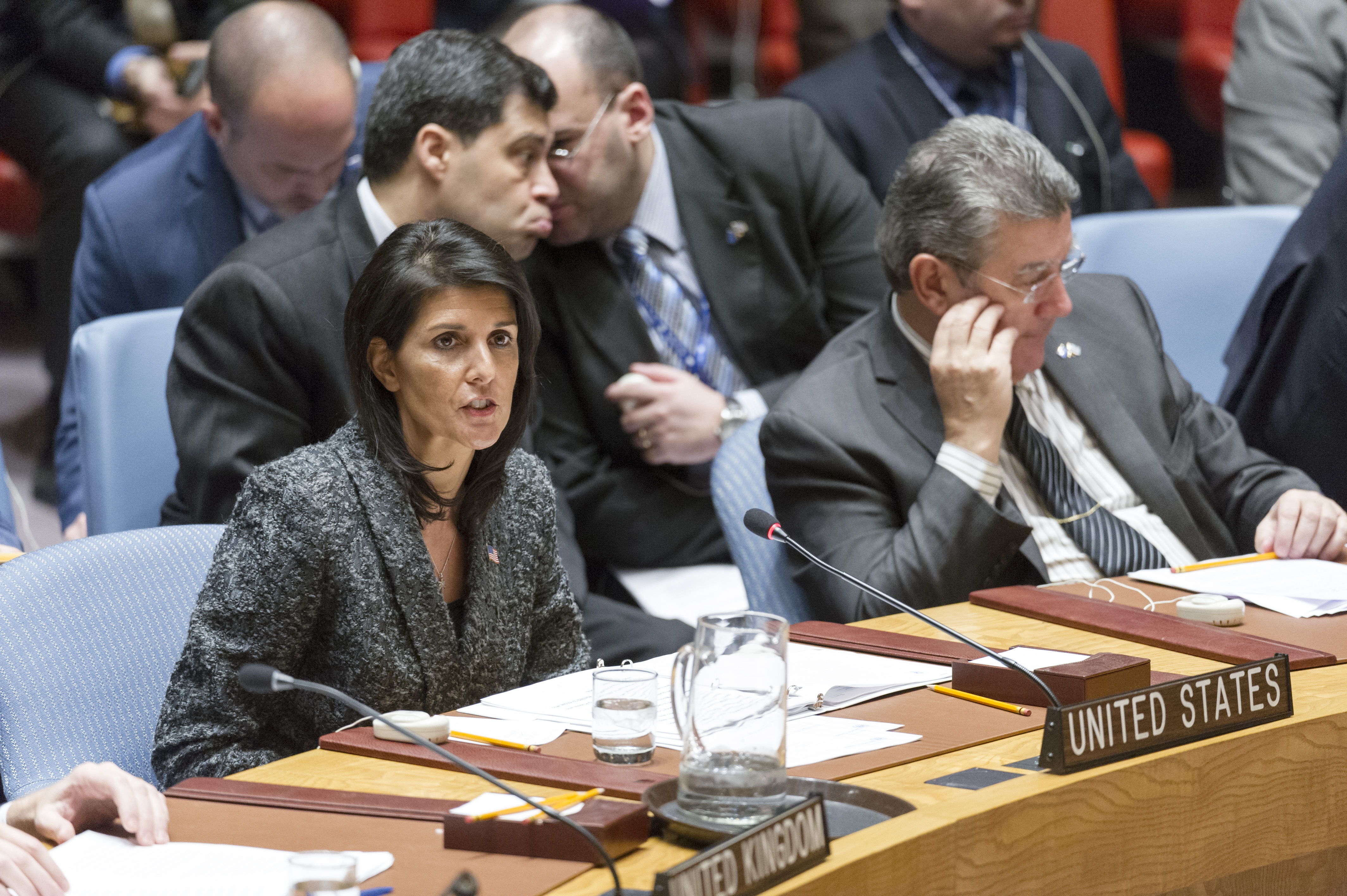
PHOTO CREDIT: R Bajornas/ UN PHOTO
At the National Level:
National Human Rights Institutions (NHRIs): These independent organizations follow the principles of promoting and protecting human rights in a given country. Fortified by OHCHR, NHRIs provide support on a national level and are in charge of core issues such as the prevention of torture and disappearances. NHRIs also play an important role in advancing the rule of law within a country. Examples of NHRIs around the world include the Canadian Human Rights Commission, the United States Commission on Civil Rights, and the Equality and Human Rights Commission in the UK. Federal governments often operate national human rights institutions.

PHOTO CREDIT: A G FARAN/ UN PHOTO
At the Individual Level:
More than ever, individuals are asking how to become global citizens and ensure the protection of human rights. There are many ways you can get involved and make a difference:
Be Aware of the Issues:
No matter where you work or what field you’re concentrated in, it is likely your professional affiliations are involved with human rights issues in some way. Does your company follow best practices with its supply chain operations? Does your company ensure safe working conditions for staff in other nations? Think of how the aspects of your work relates to human rights. If you have trouble identifying the relation, do your research! Once you know or identify the areas you’d like to explore, engage with these issues. Get informed with news and learn about these issues on a global scale. It also helps to follow key influences on social media and share your own ideas. Create dialogues and make your presence known.
Recognize the Actors and the Impact They Have:
It’s easy for people to simply say, “Why can’t the UN just do something about this?” As mentioned above, it is not that simple, and numerous steps are needed to implement policies – and it takes time for change to happen on the ground. It also could be difficult to get a state to cooperate with international organizations. However, these human rights organizations depend on individuals who are willing to make a change. It could be by writing to representatives, lobbying, or working directly on the ground where the problem is. Businesses, too, are building human rights awareness campaigns and corporate social responsibility in their company policies.
Get Involved
You can be an everyday hero taking these everyday actions. If you do work for a business, take initiative to make sure your company employs corporate social responsibility policies, especially on issues such as environmental protection or investments in areas of conflict. You can also take time to write to your representatives or volunteer with great organizations such as Amnesty International, Oxfam, Partners in Health, UNICEF and other UN Agencies. You can also attend conferences, or get involved in a campaign. Moreover, consider your human rights footprint. Your laptop, phone or clothes can be produced in conflict-prone areas where forced labour, a form of human trafficking, is widespread. Ask how your daily choices can impact others around the world.
These are simple steps, but they can make a huge impact. Differences can be made ensuring yourself, organizations and your county can uphold international human rights law and make an impact on such a pressing issue.
Recommended reading: “THE GLOBAL SCHOOLING PROJECT AND ITS UNINTENDED CONSEQUENCES“