Today’s ESG Updates
- Anthropic’s New Image Management Effort: The frontier AI lab has announced that 5% of its shares will be committed to a new “public benefit fund” that would donate to non-profits addressing AI’s labor market disruptions.
- Gold Has Become a Driver of Deforestation: The most severe issues stem from an unregulated segment of the industry that accounts for up to 80% of the market and causes water poisoning, deforestation, and community disruption.
- Satellites for Forest Carbon Projects: New technologies help scientists better evaluate forest health using imagery from space. Biomass is one of the new satellites launched in April 2025.
- Steelmakers Raise Prices for EU Automakers: Producers have proposed a new and rather large increase of €100/t in the first half of next year to supply automotive companies.
Image or risk management efforts from Anthropic?
Anthropic, the company behind Claude, announced a new fund that will hold 5% of the company’s shares for the ‘public good’. It clearly responds to recent AI safety concerns, following multiple major stories of agents breaching controlled environments and breaking into influential platforms, from Hugging Face, one of the largest ML-related repositories, to the Australian government’s public records.
The new fund could support initiatives including not only non-profit donations, but also direct distributions and efforts to reduce AI’s negative impacts on the labor market. In response to the announcement, Elon Musk posted on X that he’d recommend giving the shares directly to the public.
Additionally, Anthropic would give the fund an additional 2% for every 50% increase in the company’s value, but the baseline is not currently disclosed. At projected valuations of $1.5-2 trillion, this isn’t expected to happen soon, but these numbers would bring the fund’s initial assets to $75-100 billion. The main question is whether it’s a genuine effort or an expensive branding idea to improve the company’s financial health.
Klimado – Navigating climate complexity just got easier. Klimado offers a user-friendly platform for tracking local and global environmental shifts, making it an essential tool for climate-aware individuals and organizations.
The gold boom is behind deforestation in Ghana and the Amazon region
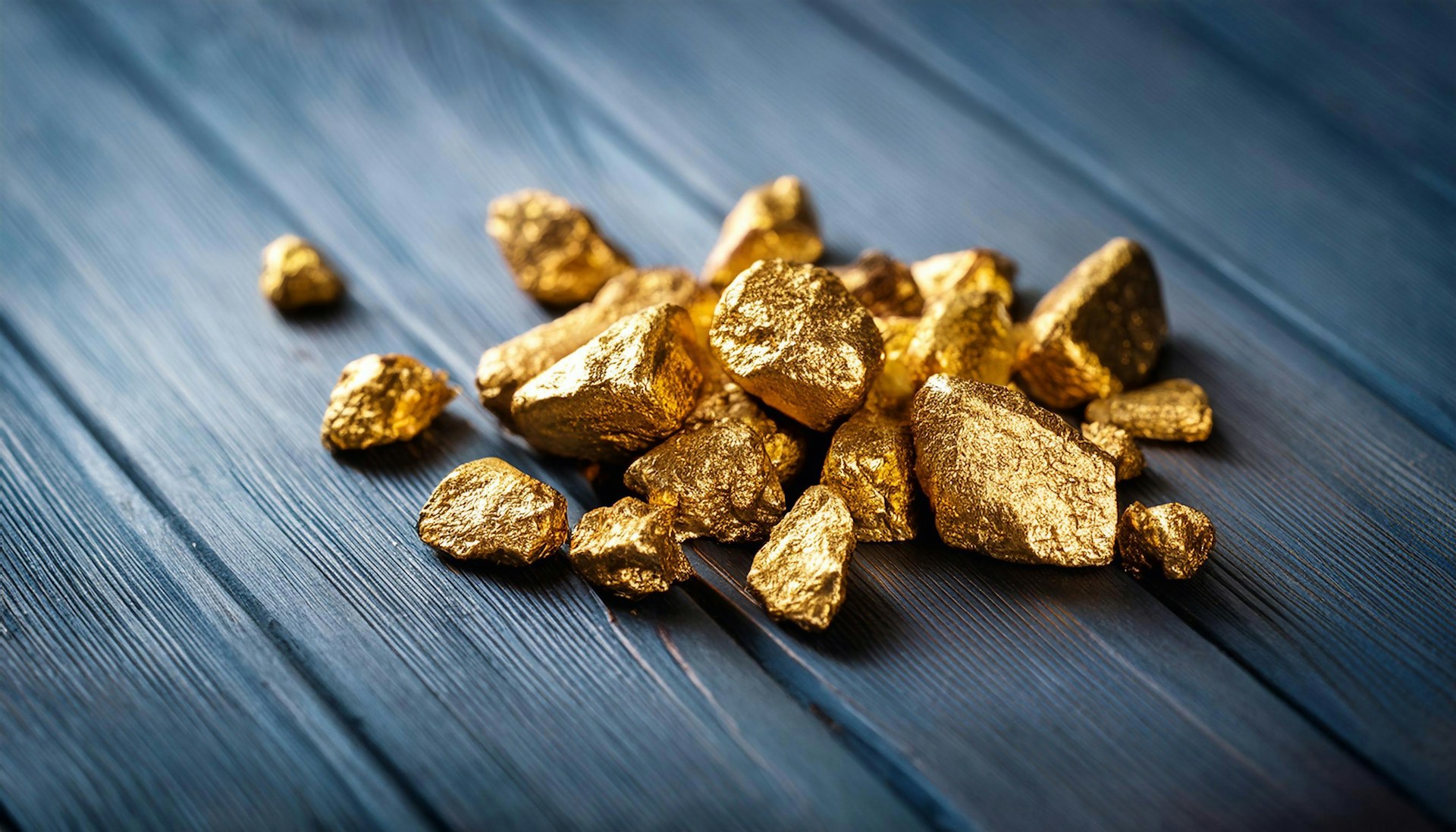
In the first two decades of the century, gold caused more deforestation than any mineral because of its value and the sacrifices required for production. In the five years that followed, the world experienced significant instability, and the price of the most stable asset spiked more than 120%, which is not exactly helpful in this context.
The current world provides an incentive for new mining initiatives, and the gain, especially for criminal gangs, outweighs the risks from illegal deforestation and community disruption. Beyond deforestation, mercury and cyanide, essential for gold mining, poison water sources that people may depend on for survival.
Industrial gold mining isn’t without issues, deforestation, pollution, and more, but it’s subject to strict regulations from the World Gold Council. At the same time, 90% of this type of gold (excluding sanctioned Russia) accounts for only 20% of global production. Not all of the remainder is illegal or unethical, but it’s where deforestation occurs, with little of it made public.
Related Articles
Here is a list of articles selected by our Editorial Board that have gained significant interest from the public:
Satellites for forest health and supply chain security
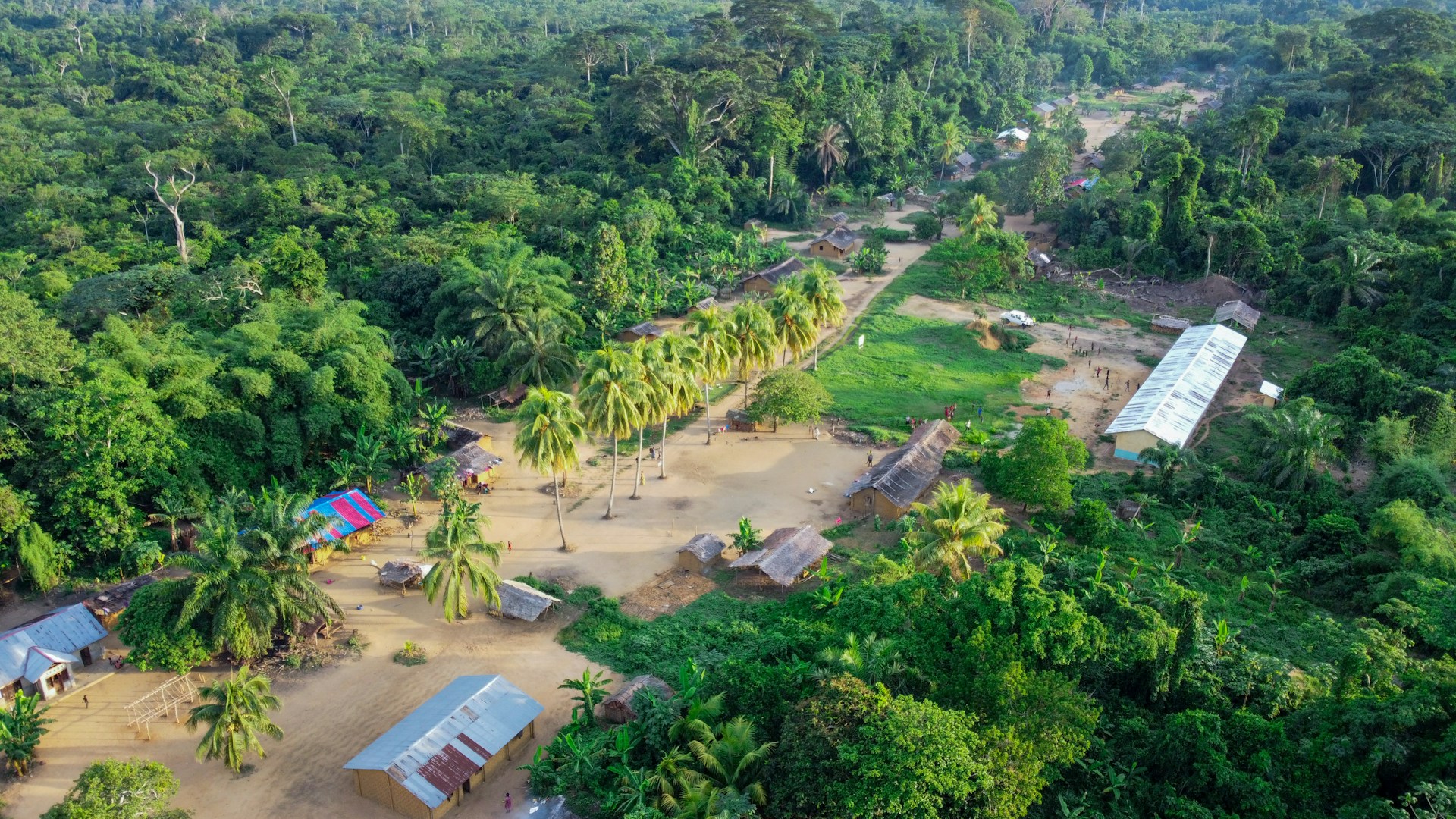
Satellites are becoming an absolute essential for rainforest conservation. One of the latest, Biomass, launched from French Guiana in April 2025. It scans, for example, a specific point in the Congo rainforest, returns a 3D scan, and provides data to ensure the forest’s health is not under threat.
This monitoring is especially important as climate change becomes increasingly apparent to most people after one of the hottest summers. A technology called L-band SAR has helped researchers discover that Africa’s forests and savannahs are past the tipping point. Improved field technology may help answer new questions and make better predictions. It’s important to develop in that field, where high-rated deforestation credits are close to 4 times cheaper than the afforestation costs.

EU steelmakers plan to raise prices for automotive companies
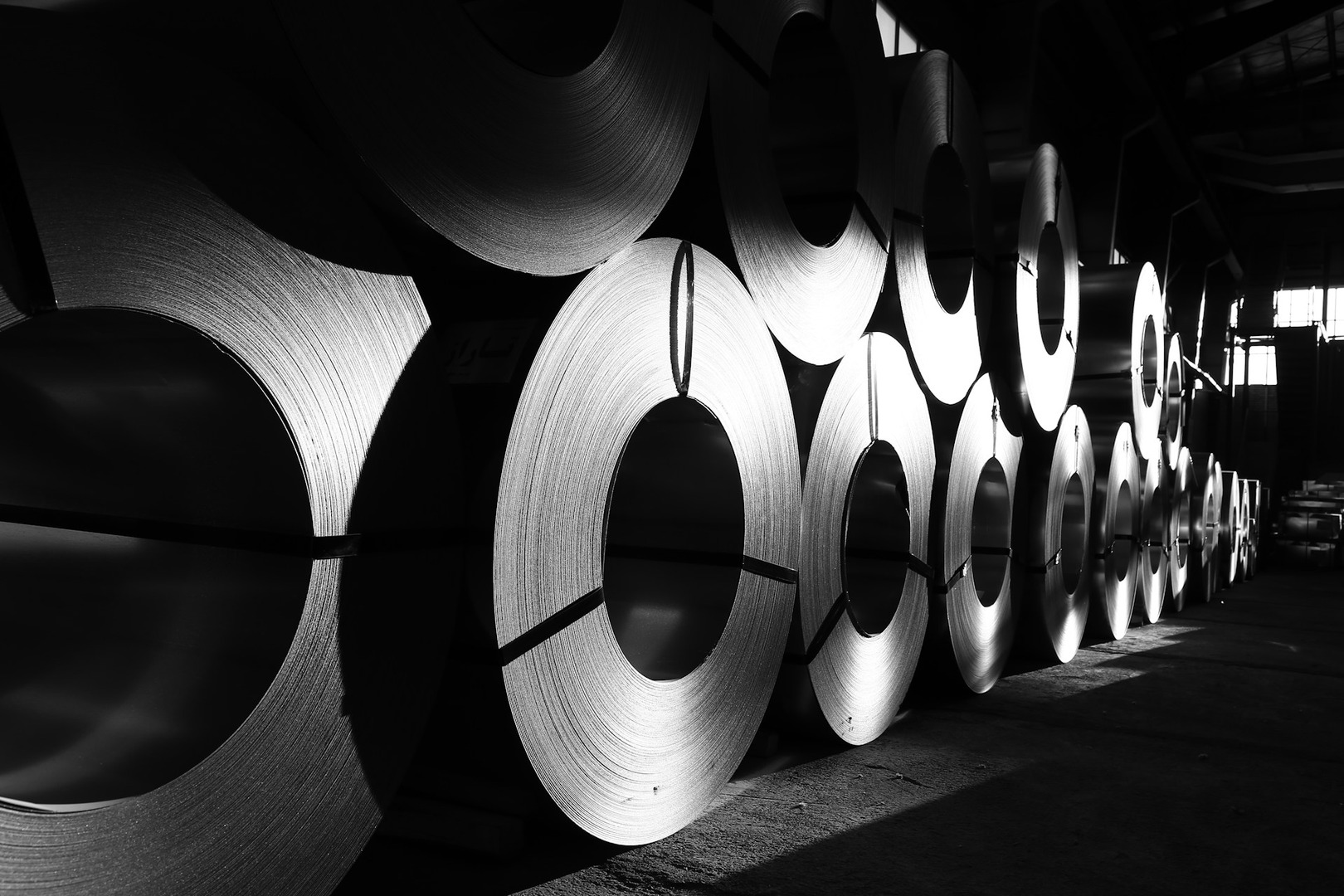
According to reports, the new prices from a mill are €860/t and €960/t for the main steel types offered to manufacturers. Negotiations are taking place at an industry event in Germany. Suppliers, in turn, hope to accept a double-digit increase.
Material prices have gradually risen throughout the year. In response, suppliers filled their stocks before July to avoid restrictive import quotas. This cut summer imports by almost half, causing the only dip in steel prices throughout the year. To balance the situation, the EU is also preparing a four-year regulation to limit Chinese hybrid vehicle imports to 350,000 units a year.
Editor’s Note: The opinions expressed here by the authors are their own, not those of impakter.com — Cover Photo Credit: Florian Schmetz