President Donald Trump’s announcement that he wants to withdraw the U.S. from the Paris Climate Agreement was a mistake of historic proportions, not only because such a move is the antithesis of Sustainable Development Goal 13 — to “take urgent action to combat climate change and its impacts” — but also because it flouts the preferences of U.S. voters, business leaders, and local elected officials, all of whom have expressed clear support both for the Paris agreement and for climate action.
What the President’s repudiation of the Paris agreement must not do, however, is halt progress on climate action in the United States. Not only should we encourage climate action to continue; we should set our sights on exceeding the emissions-reduction goals agreed to in Paris, which by themselves are not sufficiently ambitious to avoid the most dangerous consequences of climate disruption.
What the President’s repudiation of the Paris agreement must not do, however, is halt progress on climate action in the United States.
 Photo Credit: The Sierra Club
Fortunately we can track market trends that are already favoring clean energy and promoting progress. Ironically, the regressive environmental policies of the Trump administration have energized a robust resistance and is creating a growing concern among U.S. state and local officials. The President’s decision to withdraw the U.S. from the Paris Agreement has inspired a reaction opposite to what he may have intended— his recklessness has ignited a fire under other leaders, who are now redoubling efforts to address climate change at the sub-national level. These actions and the rapidly changing economics of clean energy, will permit the the U.S. to continue on a trajectory to reduce its emissions.
Related Article: “THE REAL IMPACT OF US WITHDRAWAL FROM THE PARIS CLIMATE ACCORD“
Both as candidate and office holder, Donald Trump has championed coal —historically the largest contributor to U.S. greenhouse gas emissions. The truth about coal-fired power, however, is that it continues to rapidly decline and there is very little the Trump administration can do to stop that trend.
These actions and the rapidly changing economics of clean energy, will permit the the U.S. to continue on a trajectory to reduce its emissions.
The advocacy and litigation of the Sierra Club’s Beyond Coal campaign and many other organizations have contributed to this decline. Since 2010, more than 250 coal-fired power plants — nearly half of the U.S. coal fleet — have either been retired or scheduled for retirement by 2030. In many cases, these plants are being replaced by clean and renewable energy like wind and solar, or by reducing energy waste, thus making the coal plants unnecessary. In addition to their climate and public health advantages, these alternatives are increasingly beating coal purely on cost.
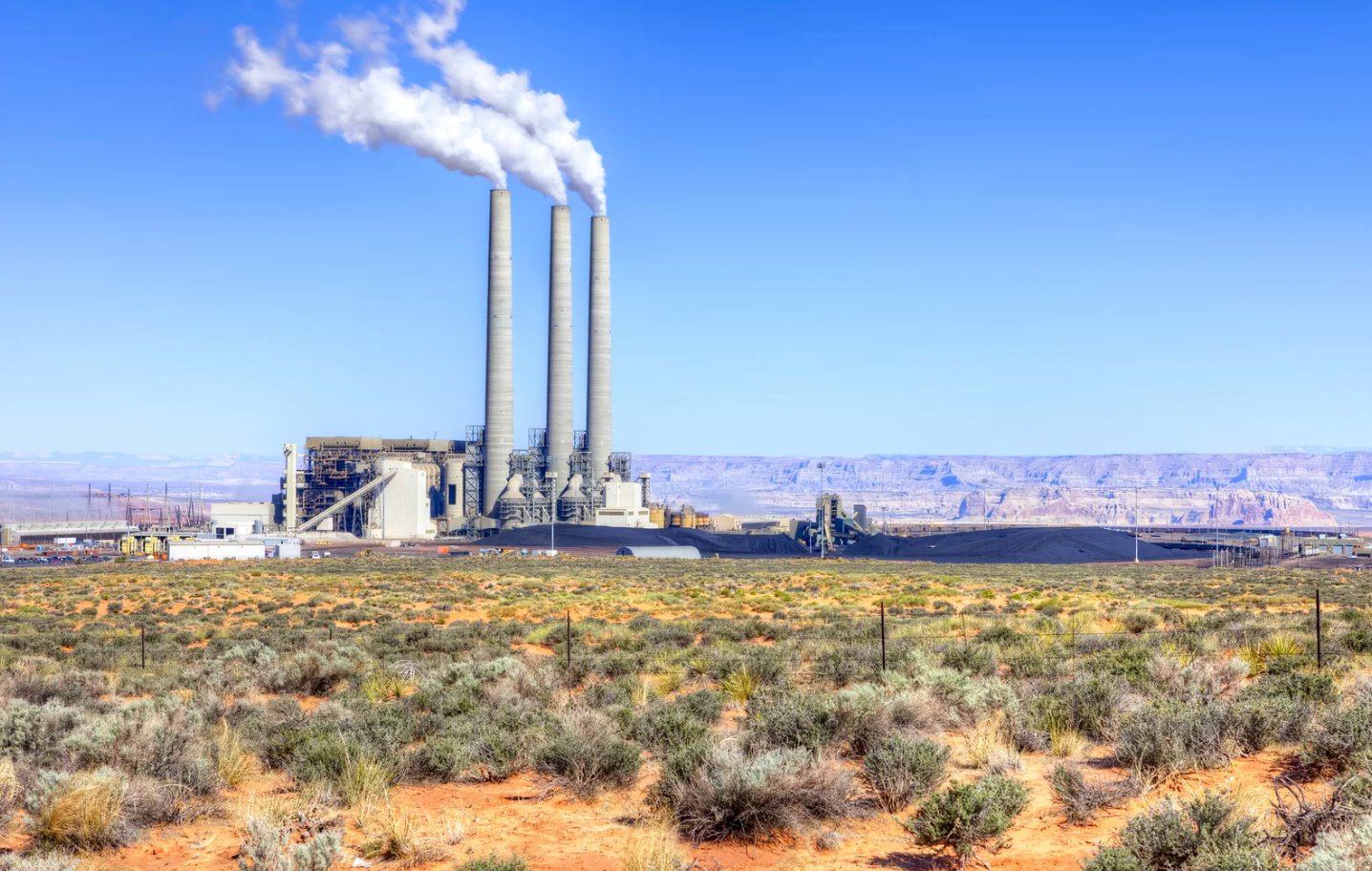
Photo Credit: The Sierra Club
The United States had an ostensible basis for meeting its commitments under the Paris Agreement which were based on domestic regulations such as the Clean Power Plan. The Trump administration is now seeking to dismantle it. However, the Sierra Club’s analysis shows that even if the Clean Power Plan is blocked, the coal plants that have already announced plans to retire can deliver the same or greater emissions reductions by 2023, that the Clean Power Plan was expected to deliver by 2030.
Nevertheless, challenges do remain. For one, we can’t rely on the decline of coal alone; some additional emissions reductions efforts will be necessary if we are to fully reach our Paris Agreement emissions reduction target by 2025. Additionally, it is essential that the transition from fossil fuels to clean energy is done in a way that considers the needs of workers, unions, and communities. As Trump’s 2016 electoral victory demonstrated, job security and economic development remain a major concern for many people and, indeed, entire communities historically based on fossil fuels. The transition to a cleaner, low-carbon economy will bring many benefits, but it is critical that these benefits are broadly shared.
Workers don’t need promises, they need quality careers in non-polluting industries that have equivalent pay and benefits to their old fossil fuel jobs.

Photo Credit: The Sierra Club
As we transition from coal, communities will need new, sustainable industries to replace the contribution dirty coal plants made to local tax bases and economies. All levels of government and business must maximize investment in economic development and diversification that will create lasting, family-sustaining jobs. We need policies that support these investments, including more-responsible trade agreements and a commitment to “high road” business standards.
As for additional opportunities to reduce U.S. greenhouse gas emissions, cities and states offer immediate and tremendous potential. In the wake of President Trump’s retreat from climate action, many state and city leaders have rapidly emerged as prominent leaders for the transition to clean energy. In his speech announcing withdrawal from the Paris Agreement, President Trump pronounced that he represented “Pittsburgh, not Paris”. Within hours, Pittsburgh Mayor Bill Peduto announced his support for a goal of powering his city entirely with clean and renewable energy by 2035.
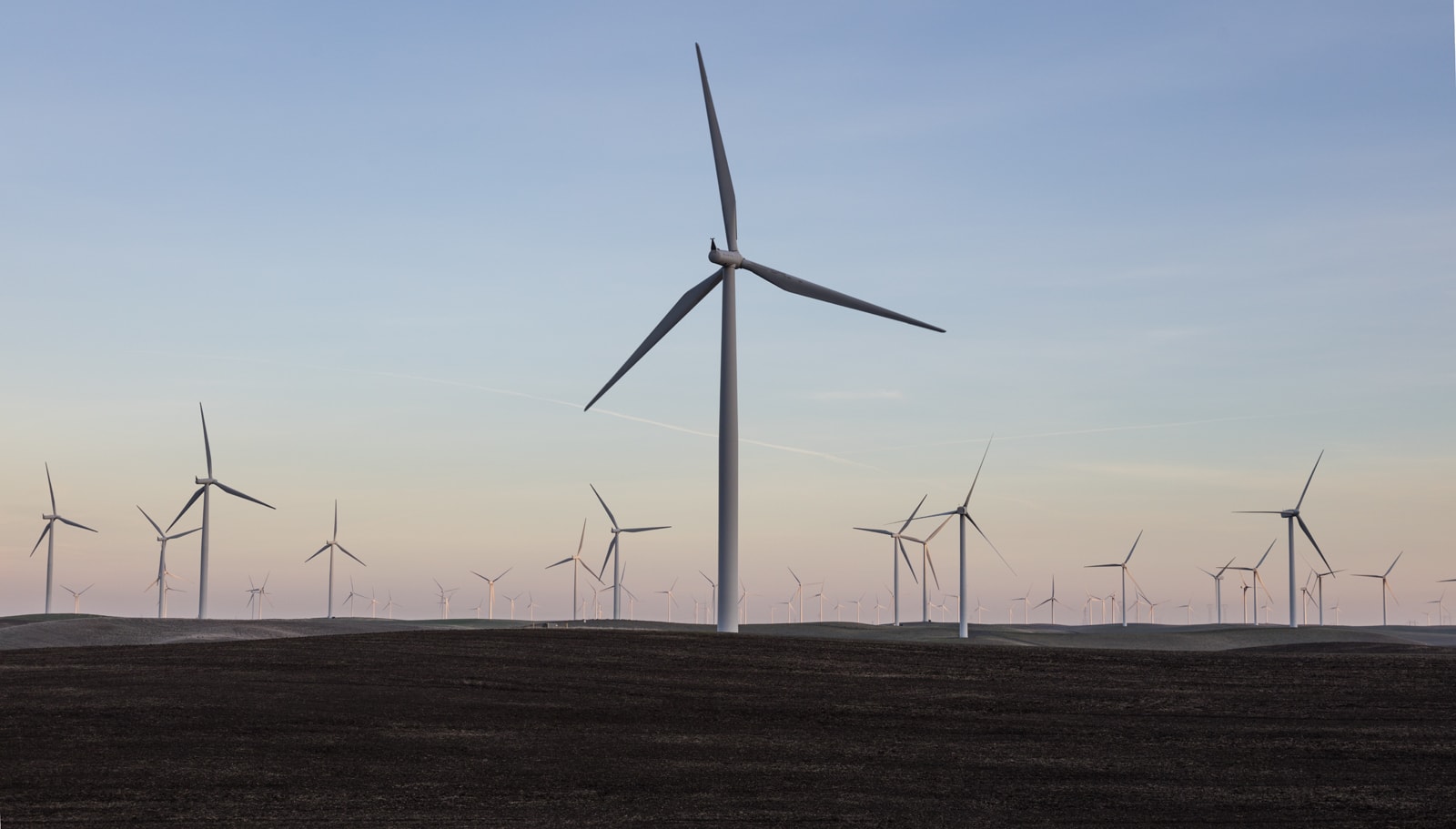
Photo Credit: The Sierra Club
To date, more than 130 mayors have endorsed powering their communities entirely with clean, renewable energy, and 37 cities have formally adopted a target of 100 percent renewable energy. In June of 2017, mayors from across the United States adopted a resolution to support “100% Renewable Energy in American Cities” at the U.S. Conference of Mayors Annual Meeting, the largest gathering of non-partisan mayors in the country. An analysis by the Sierra Club showed that if all of the 1,481 member cities of the U.S. Conference of Mayors were to transition to 100 percent renewable electricity, U.S. electric sector carbon dioxide emissions would decline by 34 percent. If that reduction were achieved by 2025, it would represent somewhere between 87 and 120 percent of the remaining reductions needed in order for the U.S. to achieve its Paris Agreement goal.
Though President Trump refuses to lead on climate, he cannot escape the fact that clean energy is winning and that subnational leaders in the U.S. are prepared to go the extra mile to ensure that the United States can still achieve its Paris Agreement goals. In a direct response to President Trump’s withdrawal notice, former New York City mayor Michael Bloomberg and California governor Jerry Brown announced the formation of a climate-action coalition of American states, cities, and businesses called America’s Pledge. At this writing, it includes 227 cities and counties, nine states, and more than 1,600 businesses and investors. Its first priority? Tracking and quantifying the progress of its members toward ensuring that the United States meets the goals it agreed to in Paris.
What made the unprecedented consensus of the Paris Climate Agreement possible is the inescapable fact that climate change is a global problem. It’s a challenge faced not just by individual nations but by all of humanity. That’s also why urgent action to combat climate change and its consequences are far too important to be stopped at the whim of any single person, including the President of the United States.

In the Photo: Solar Panels in New York City Photo Credit: The Sierra Club

Founded by legendary conservationist John Muir in 1892, the Sierra Club is now the nation’s largest and most influential grassroots environmental organization — with three million members and supporters. Our successes range from protecting millions of acres of wilderness to helping pass the Clean Air Act, Clean Water Act, and Endangered Species Act. More recently, we’ve made history by leading the charge to move away from the dirty fossil fuels that cause climate disruption and toward a clean energy economy.
EDITOR’S NOTE: THE OPINIONS EXPRESSED HERE BY IMPAKTER.COM COLUMNISTS ARE THEIR OWN, NOT THOSE OF IMPAKTER.COM.
FEATURED PHOTO: Eiffel Tower Peace Symbol – 100% Renewable 06.12.15 © Yann Arthus-Bertrand