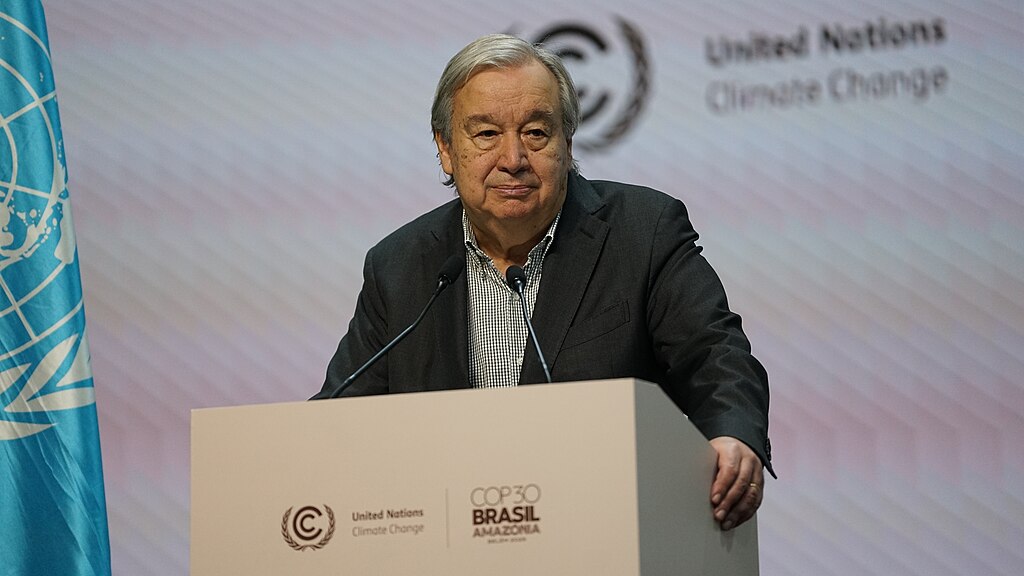
Today’s ESG Updates
- COP31 Host Deal: Turkey to host next year’s UN climate summit, with Australia to lead negotiations.
- COP30 Delays: Brazil was aiming for an early climate deal, but key negotiations remain blocked.
- Ukraine’s “Conflict Carbon” Claim Against Russia: Kyiv plans €37B+ claim from Russia for war-driven emissions.
- Tyson Foods Greenwashing: Company settles lawsuit over misleading “climate-smart” beef claims.
Turkey and Australia reach COP31 agreement
After much debate, countries have reached an agreement that Turkey will host COP31, while Australia will manage the conference negotiations. The compromise deal was reached during COP30 in Belém, Australian Prime Minister Anthony Albanese confirmed. The arrangement resolves a long-standing stand-off between the two nations over hosting rights. Australia, emphasizing Pacific island concerns, will preside over negotiations, wielding powers to prepare draft texts, appoint co-facilitators, and issue cover decisions. Turkey, hosting in Antalya, aims to promote global solidarity between rich and poor countries. The compromise allows both nations to influence the event while alleviating logistical and financial burdens, still giving Australia a “Pacific COP” spotlight on vulnerable island nations.
***
Further reading: Turkey set to host COP31 climate summit, Australia to lead government talks
Early COP30 climate deal stalled
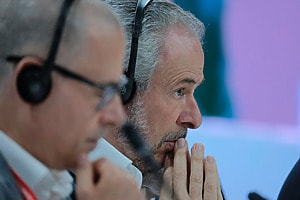
Brazil’s COP30 presidency hoped to finalize an early package on fossil fuels, climate finance, and emissions cuts, but divisions among nations remain. President Luiz Inácio Lula da Silva returned to Belém to meet negotiators and UN Secretary-General António Guterres as negotiators weighed options for a deal. Disputes over fossil fuel transition roadmaps and funding for poorer nations stalled progress. Pacific island nations, which face the most devastating effects from climate change, are flagging from major oil producers like Saudi Arabia. A separate UN-backed global carbon offset market also faces delays amid disagreements over funding. Despite the stalemate, Brazil and other supportive nations continue to push for ambitious outcomes on finance, adaptation, and clean energy transition.
***
Further reading: Early COP30 climate deal eludes Brazil, but Lula remains upbeat
Ukraine to seek €37 billion in climate reparations from Russia
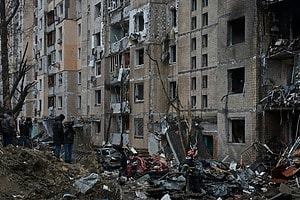
Ukraine plans to demand over €37 billion from Russia for greenhouse gas emissions and environmental damage caused by the invasion. The Initiative on Greenhouse Gas Accounting of War (IGGAW) estimates the conflict produced 236.8 million tonnes of CO2, while destroying three million hectares of forest and threatening over a thousand species. Ukraine will submit claims to the Council of Europe in early 2026 through the Register of Damage, establishing a global precedent for state accountability for war-driven emissions. The environmental costs of war have long been overlooked: Military fuel use, field and forest fires, and industrial destruction constitute a climate cost with far-reaching global implications. The claim follows recognition of a “clean, healthy, and sustainable environment” as a human right.
***
Further reading: The cost of ‘conflict carbon’: Russia faces €37 billion climate reparations bill for war in Ukraine
Tyson Foods settles greenwashing lawsuit
Tyson Foods agreed to stop marketing its beef as “climate-smart” following a 2024 lawsuit by the Environmental Working Group alleging misleading environmental claims. The settlement requires Tyson to avoid similar marketing for five years and to cover attorney fees. With methane responsible for more than two-thirds of U.S. meat-sector greenhouse gas emissions, achieving net-zero beef is impossible, and labeling it as environmentally friendly is greenwashing at its finest. This lawsuit outcome follows a similar settlement with JBS NV and signals growing scrutiny on the meat industry’s greenwashing strategies. Claims of “climate-friendly beef” mislead consumers and obscure the sector’s true environmental impact.
***
Further reading: Tyson Foods Is Under Fire for Touting Its Products as Green
Editor’s Note: The opinions expressed here by the authors are their own, not those of impakter.com — Cover Photo Credit: Erik Karits