
Impakter
  • Environment
    • Biodiversity
    • Climate Change
    • Circular Economy
    • Energy
  • FINANCE
    • ESG News
    • Sustainable Finance
    • Business
  • TECH
    • Start-up
    • AI & Machine Learning
    • Green Tech
  • Industry News
    • Entertainment
    • Food and Agriculture
    • Health
    • Politics & Foreign Affairs
    • Philanthropy
    • Science
    • Sport
  • Editorial Series
    • SDGs Series
    • Shape Your Future
    • Sustainable Cities
      • Copenhagen
      • San Francisco
      • Seattle
      • Sydney
  • About us
    • Company
    • Team
    • Partners
    • Write for Impakter
    • Contact Us
    • Privacy Policy
No Result
View All Result
  • Environment
    • Biodiversity
    • Climate Change
    • Circular Economy
    • Energy
  • FINANCE
    • ESG News
    • Sustainable Finance
    • Business
  • TECH
    • Start-up
    • AI & Machine Learning
    • Green Tech
  • Industry News
    • Entertainment
    • Food and Agriculture
    • Health
    • Politics & Foreign Affairs
    • Philanthropy
    • Science
    • Sport
  • Editorial Series
    • SDGs Series
    • Shape Your Future
    • Sustainable Cities
      • Copenhagen
      • San Francisco
      • Seattle
      • Sydney
  • About us
    • Company
    • Team
    • Partners
    • Write for Impakter
    • Contact Us
    • Privacy Policy
No Result
View All Result
Impakter
No Result
View All Result

The Truth Behind the Primary Care Shortage

byAlessia Minicozzi, (Ph.D., M.B.E.)
November 11, 2016
in Health, Society
PRIMARY CARE PHYSICIANS IMPAKTER

A shortage of primary care physicians  is predicted by 2025. With medical school applicants at a steady rise, why are there not enough graduates entering the primary care field? There is a well-established training process on what specialty physician’s choose after completing medical school. The medical student is exposed to various clinical  rotations focusing on different specialties. The main purpose of these rotations is to teach students the much needed clinical skills that occur within each specialty. Another reason students are exposed to the various clinical areas is to choose what speciality to pursue once they finish training. Every two to four weeks the medical student is given a taste of what each specialty is like. The medical student is privy to the daily, raw truths of the reality of being a physician within each specialty.

As such, there are certain variables the physician-in-training must consider when making such a critical decision. Medical students will learn about the patient population assigned to every rotation. They will experience the lifestyle of caring for patients within each speciality. They will become quickly informed of the salary they are expected to receive once training is completed. Since every attending physician (a physician who completed official training) must maintain malpractice coverage, the student will assess the risk value of practicing within each field of medicine. The medical student must also decipher the basis and state-of-mind of each seasoned attending teaching them. As the student processes what they witness and hear, they are simultaneously receiving advice from professors and mentors about what specialty to choose. So, why after all the effort and time spent informing medical students is there a significant decrease in submissions to primary care residencies?


Related article: “THE MANY SIDES OF PRIMARY CARE” 


Primary Care is a wide and diverse area of medicine that includes specialties such as pediatrics, family medicine, internal medicine, and some areas of obstetrics and gynecology. Even within these fields of medicine, there is great disparity in time spent training, patient population, lifestyle, salary, and malpractice insurance premiums. What is the same for most physicians under the primary care umbrella is status. It is not considered a well sought after career within the field of medicine. Primary Care physicians are paid less than their more esteemed colleagues. Mentors and advisors at medical schools often encourage students to pursue areas of specialties according to how well they pass their rotations. If a student is achieving high scores, then a career in the surgical specialties is pushed. If a student is struggling with certain rotations, then a career in primary care is suggested. Why? It is believed it is easier to be accepted into these programs. Why did this assumption manifest?
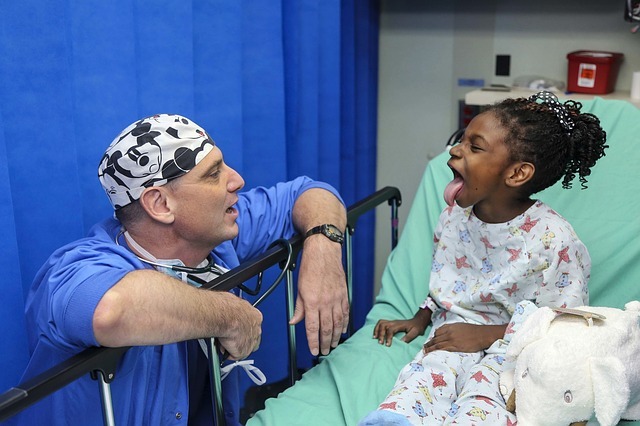
doctor-patient-primary care-physicians-impakter

Photo: Pixabay

When an area of specialty encompasses patients that are the sickest, under insured, and has a higher patient-doctor ratio, then it is hard to make that look enticing. No one who trained for over 14 years and obtains a debt of $140,000 will feel inclined to enter a career that only offers $190,000 per year, see countless patients, and maintain arduous charting.

Medical schools perpetuate this extreme unbalance of specialties within the field. The fact that neurosurgeons make more than double of what an internist makes is a great example of rewarding status rather than quality. The lack of physician compensation for the value of their work is reflected in medical students’ choice in specialty. Medical students knowingly entering fields of medicine they are not necessarily interested in pursuing. They are choosing their life’s work based on status, high income, and lifestyle. Medical students that have a true calling/vocation to the field of primary care are met with immediate resistance.

Every patient requires a primary care doctor in order to maintain a healthful existence. This gap in the American Health System is a looming doomsday that does not need to occur. Ultimately, if the medical profession wants to alter the predicted shortage of primary care physicians, then they must start in their backyard.


Recommended Reading: “A PROFILE OF A BURNOUT PHYSICIAN“


_ _
EDITOR’S NOTE: THE OPINIONS EXPRESSED HERE BY IMPAKTER.COM COLUMNISTS ARE THEIR OWN, NOT THOSE OF IMPAKTER.COM. Feature Photo Credit: PixaBay
Tags: Alessia MinicozziChoosing a specialtyImpakerMedical EducationphysiciansPrimary CarePrimary Care ShortageSpecialtyStatus
Previous Post

Shaping The Future Of Our Cities

Next Post

The Dirty Side of the Garment Industry: An Interview with Dr. Nikolay Anguelov

Related Posts

Regulatory Updates from EU Nuclear stance, AI Copyright, UK Carbon Net Zero Buildings, and US Tariffs Refunds by Customs and Border Protection
AI & MACHINE LEARNING

The Tariff Refund Saga Unfolds in Court

March 13, 2026
How Airlines Could Cut Emissions in Half Without Flying Less
Business

How Airlines Could Cut Emissions in Half Without Flying Less

March 12, 2026
Space‑Based Solar Power test
Energy

Solar Power From Space: How Close Is It to Reality?

March 11, 2026
Next Post
fast-fashion

The Dirty Side of the Garment Industry: An Interview with Dr. Nikolay Anguelov

Related News

Fossil Fuel Pollution’s Effect on Oceans Comes With Huge Costs

Fossil Fuel Pollution’s Effect on Oceans Comes With Huge Costs

March 16, 2026
Oil prices soar as Middle East conflict disrupts key export hubs

Oil Prices Soar as Middle East Conflict Disrupts Key Export Hubs

March 16, 2026

Impakter informs you through the ESG news site and empowers your business CSRD compliance and ESG compliance with its Klimado SaaS ESG assessment tool marketplace that can be found on: www.klimado.com

Registered Office Address

Klimado GmbH
Niddastrasse 63,

60329, Frankfurt am Main, Germany


IMPAKTER is a Klimado GmbH website

Impakter is a publication that is identified by the following International Standard Serial Number (ISSN) is the following 2515-9569 (Printed) and 2515-9577 (online – Website).


Office Hours - Monday to Friday

9.30am - 5.00pm CEST


Email

stories [at] impakter.com

By Audience

  • TECH
    • Start-up
    • AI & MACHINE LEARNING
    • Green Tech
  • ENVIRONMENT
    • Biodiversity
    • Energy
    • Circular Economy
    • Climate Change
  • INDUSTRY NEWS
    • Entertainment
    • Food and Agriculture
    • Health
    • Politics & Foreign Affairs
    • Philanthropy
    • Science
    • Sport
    • Editorial Series

ESG/Finance Daily

  • ESG News
  • Sustainable Finance
  • Business

About Us

  • Team
  • Partners
  • Write for Impakter
  • Contact Us
  • Privacy Policy

© 2026 IMPAKTER. All rights reserved.

No Result
View All Result
  • Environment
    • Biodiversity
    • Climate Change
    • Circular Economy
    • Energy
  • FINANCE
    • ESG News
    • Sustainable Finance
    • Business
  • TECH
    • Start-up
    • AI & Machine Learning
    • Green Tech
  • Industry News
    • Entertainment
    • Food and Agriculture
    • Health
    • Politics & Foreign Affairs
    • Philanthropy
    • Science
    • Sport
  • Editorial Series
    • SDGs Series
    • Shape Your Future
    • Sustainable Cities
      • Copenhagen
      • San Francisco
      • Seattle
      • Sydney
  • About us
    • Company
    • Team
    • Partners
    • Write for Impakter
    • Contact Us
    • Privacy Policy

© 2026 IMPAKTER. All rights reserved.