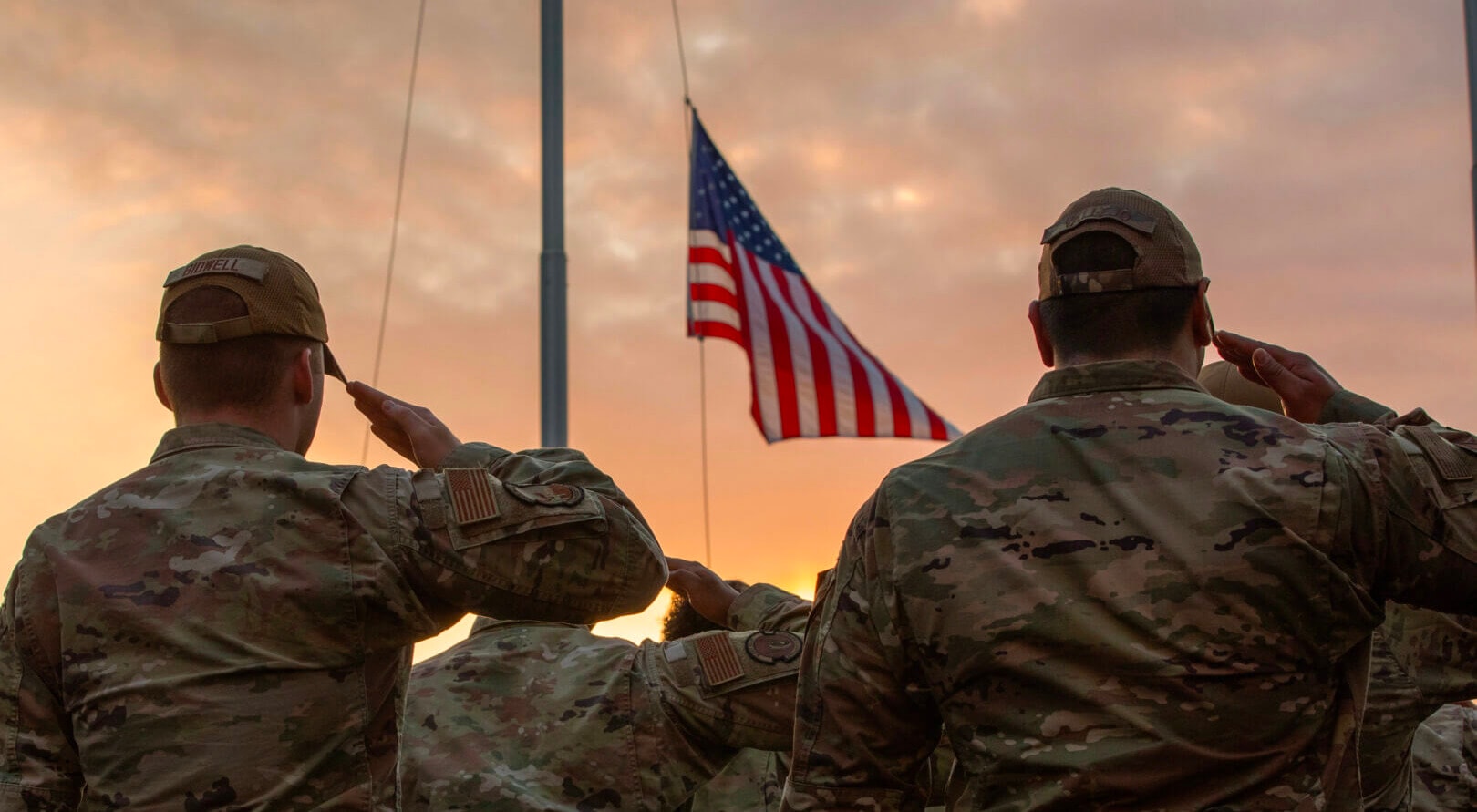
Most countries, in one form or another, recognize they have an obligation to those who serve in defense of their nation. The United States has a long tradition of expressing its appreciation for those who serve in the military, and one fundamental aspect is providing health care services to veterans and their families.
There is now a sense that governmental actions have insufficiently supported this commitment. What is set forth below is where the system may be failing to do so.
Just Recently: 250 years of the U.S. Army
On June 14, 2025, a parade was held in Washington, D.C. to honor the 250 years of the U.S. Army. Costing millions of dollars and essentially closing much of the city for four days, U.S. military forces, comprised of every nationality and political persuasion, were, in theory, honored by the current President Donald J. Trump.
What the Administration did not “parade” was the historic lack of commitment to providing the best possible healthcare and service benefits for our veterans, nor the new discriminatory health policies for those serving and their family members who keep the home fires burning while soldiers, airmen, sailors, and marines are deployed globally on dangerous missions.

The Recent History of the Veterans Administration — before 2025 and the “One Big Beautiful Budget Bill” (OBBB)
The VA MISSION Act of 2018 was passed to improve accessibility and quality of healthcare for veterans. Medical services were expanded by adding community health providers as options to VA facilities. It also established an efficient Veterans Community Care Program (VCCP), which shortened appointment waiting times and provided quicker access to VA care closer to home.
The VA MISSION Act sought to modernize and improve the VA healthcare system by giving veterans more flexibility and choice in accessing medical care, both within VA facilities and through a broader network of community providers.
It also emphasized telehealth services, especially in rural areas, to improve access to healthcare. Some promising news is that telehealth delivery for mental healthcare has received positive evaluations.
Trump Administration’s Unhealthy Decisions for Veterans and Families, re-OBBB
In April 2025, U.S. Senator Patty Murray (D-WA), Vice Chair of the Senate Appropriations Committee, issued a report detailing how the new Trump Administration ordered the firing of 2,400 highly trained VA employees who had provided direct and indirect care for US veterans, and cancelled roughly 900 contracts designed to assure veteran patient medical care and safety.
As the biggest health care system in the country, the VA serves over nine million veterans annually. The Biden administration passed the PACT Act in 2022, which generated the most significant increase in veterans’ medical benefits in over twenty years. This created the need for additional trained medical staff to provide veterans’ care under the law. And yet the early-term layoffs and employment restrictions called for by the Trump administration caused unprocessed medical claims to grow significantly.
Staff cuts in the spring of 2025 hobbled the operation of the mission-critical veteran’s 24/7 “988” Suicide & Crisis line, a modified version of the civilian 911 emergency assistance. The VA is now planning a staff reduction of 30,000 by the end of FY2025. This could severely impact the Suicide & Crisis center. In addition, many key VA-specific research positions were eliminated, jeopardizing the future of ongoing life-saving scientific projects for veterans.
Compounding the problem is that the VA continues to reduce the workforce of physicians and nurses, overwhelming these employees due to chronic understaffing.
An Overview of the Workforce and Effects on Patient Claims
Various levels have been quoted regarding the employee VA numbers for the VA between January and June 2025, ranging from 484,000 in January 2025 down to 467,000 in June. As mentioned, the VA is now announcing plans to reduce the workforce by another 30,000 employees by the end of 2025 through various means. Interestingly, the VA Secretary has stated that these reductions will not impact veteran care or benefits.
The backlog for VA disability benefit claims was 264,717 on January 20, 2025, which are considered backlogged once pending for greater than 125 days. Some progress has been made as the backlog has fallen to under 200,000 by May 2025.
The Trump Administration had a plan to lay off 83,000 mission-critical employees and reduce VA funding by $8.0 billion by August 25, 2025. As of August 1, this plan was put on hold, according to the Federal News Network. Nevertheless, the Department of Veterans Affairs (VA) is planning a reduction in force by nearly 30,000 employees (physicians, nurses, medical support staff) by the end of fiscal year 2025 (September 30th).
Remarkably, the VA Secretary believes that these cuts will not impact veterans’ healthcare. This view is difficult to process, given the enormous backlog of veterans’ claims and further delays for payment or healthcare delivery.
One veteran in Washington State, who the VA laid off through no fault of his own, told Senator Murray last week:
“I swore an oath to serve our country — first in the U.S. Army and then at the VA, only to be abruptly terminated by the very institution that promised to care for those who have served. My termination is not just a personal tragedy; it is a stark reminder that our federal government is dismantling essential support systems for veterans and vulnerable communities.”
How the OBBB Affects Veterans, Both Good and Bad
Positive
Improvements are planned in military housing, primarily for veterans on active duty (not disabled veterans). Trump’s previous tax cuts are now permanent, which should selectively increase active-duty military overall take-home pay. Active-duty military families may also receive increased tuition assistance, child-care assistance, and improved, enhanced child development facilities.
Importantly, eligible veterans will now be able to access urgent, non-emergency care through the VA’s network of community urgent care clinics.
Negative
Medicaid benefits may be reduced for veterans who rely on it for healthcare. The new requirement for increased work requirements to be eligible for Medicaid may cause some veterans to lose coverage. There is also the possibility of reduced access to the Supplemental Nutrition Assistance Program (SNAP).
The Urban Institute found that increased work requirements for veterans could reduce their SNAP benefits by over $200/month in food support, affecting over 56,000 veterans’ families. Finally, there are fears that some States will be able to eliminate protection for pre-existing conditions, which may include service-connected disabilities.
Mixed Blessing
While there are increases in selective funding for the VA healthcare system, the bulk of such increases will likely be steered toward community-based care programs.
Some veterans’ healthcare, such as civilian clinics in place of VA clinics, have been available for years. Civilian community-based clinics can potentially benefit veterans by providing services that complement healthcare provided by VA clinics. This may especially be the case for veterans living in rural areas who can now use civilian clinics closer to home.
Conversely, there is some concern that a significant shift to privatizing veterans’ healthcare may likely lead to higher costs, difficulty scheduling appointments, and loss of crucial medical record data that is not compatible with patient medical information systems in the VA clinic system.
Related Articles: Going Over the Falls in a Barrel: Can Democracy Survive in America? | Military Exemptions: How One of the World’s Largest Polluters Gets a Free Pass
Other Major Issues Related to Critical Veteran Wellness Programs
The recent budget cuts by the Trump administration forced the VA to discontinue research and clinical trials that provided novel cancer treatments for over one thousand veteran patients. There have been reports of hiring freezes that have impacted the VA research offices, resulting in the termination of hundreds of research studies and impacting the healthcare of over 10,000 veterans. Apparently, the administration rolled back some decisions, allowing selected trials to continue.
Based on combat tours completed, veterans are considered to have had presumptive exposure (PACT Act) to carcinogenic, toxic waste pits, and other agents that can lead to serious — often fatal — diseases. The backlog of service-related disability claims covered by the PACT Act is unknown.
Unfortunately, the availability of mental health care for veterans has significantly declined due to the removal of funding to recruit and retain highly trained psychiatrists, psychologists, and technicians to evaluate and manage patients.
Of greatest concern, a high number of veterans have not been professionally evaluated for combat-induced Post Traumatic Stress Syndrome (PTSD). It is common knowledge that PTSD patients can become suicidal and pose a danger to family members and the public.
Diagnoses such as drug addiction and management of a terminal illness often necessitate mental health care professional services. Unfortunately, despite encouraging evaluations of telehealth for mental health care delivery, recent reports indicate that the budget for these services is likely being reduced.
Again, the effect of reductions-in-force (RIF) because of a lack of funding for adequate physicians and technical staff in rural areas significantly hinders veteran access to medical and mental health services.
Availability and Quality of Veteran Health Care Should Be a National Priority
The OBBB acknowledges the importance of investments in veterans’ care and benefits, and there are improvements in some policies, programs, and funding.
That said, veteran associations and advocates raise serious concerns about potential cuts to vital programs, a perceived shift towards privatization, and potential impacts on access and affordability of healthcare for veterans and their families, and huge backlogs of service-related disability claims.
Not all concerns regarding the health and welfare of veterans have been covered in this piece. A recent article in ProPublica revealed that almost 40% of the applicants offered physician jobs at the VA early this year from January through March of this year turned them down.
This is quadruple the turn-down rate for offers made last year. Many applicants are expressing concern that VA positions are unstable and risky. A high percentage of applicants are concerned about the future and viability of the agency.
To be sure, this needs to be thoroughly investigated and corrected as soon as possible to avoid serious shortages of fully trained healthcare professionals serving our veterans who have made so many personal and familial sacrifices.
The effects of current policies and decisions on veterans’ healthcare will unfold in the coming years. The Trump administration must do everything possible to ensure optimal veterans’ health and wellness.
Hopefully, it will be something the nation can look to with pride.
**
Richard Seifman, JD, MBA, Former World Bank Senior Health Advisor and U.S. Senior Foreign Service Officer, and Bruce Kaplan, DVM, distinguished Diplomate & Board Member of the American Veterinary One Health Society, contributed to this article.