

Markets move quickly, trends come and go, and there is always another chart tempting traders to take a closer look. But finding a platform that brings together the markets, tools and account options you actually want takes a little research. This Trading Sphere review looks beyond the headline promises to explore what the broker offers, including more than 300 instruments, four account levels, MetaTrader platforms and trading conditions that change depending on the account tier.
Whether you follow forex, gold, or CFDs on shares and cryptocurrencies, here is what you should know before deciding whether it fits your trading style.
Trading Sphere Review: A Market Line-Up That Goes Beyond Forex
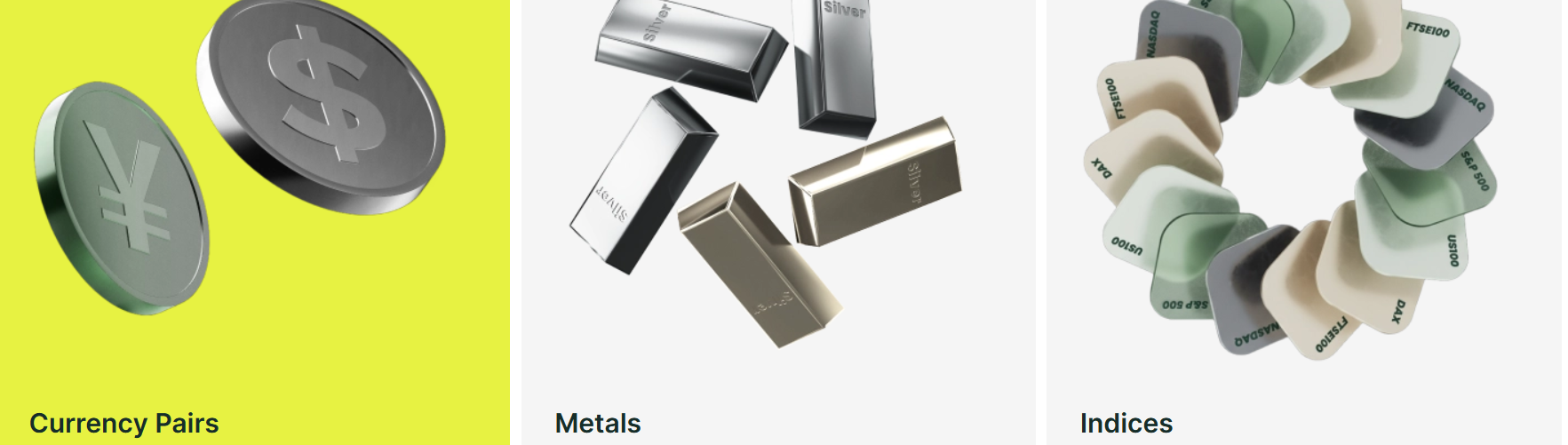
One of the first things that stands out is the range of markets. Trading Sphere advertises more than 300 instruments across seven asset classes: currency pairs, metals, indices, commodities, futures, shares and cryptocurrencies.
Traders can explore familiar forex pairs such as EUR/USD, follow precious metals like gold and silver, or look at CFDs, based on major indices and well-known companies.
Someone who mainly watches currency markets may also want to keep an eye on gold when economic news breaks, while a trader interested in the technology sector might follow price movements in major tech stocks. Having these categories available through one account can make it easier to compare markets and organise a watchlist.
These are CFD instruments. Trading a share CFD, for example, is not the same as buying and owning the actual company shares. CFDs allow traders to speculate on price movements, with profits or losses, depending on how the market moves. Before opening a position, check the instrument’s contract details, trading hours, margin requirements, and overnight charges.
Four Account Levels: Start Simple, Then Compare the Upgrade
The account structure is a major part of the Trading Sphere offering. There are four levels: Core, Core Plus, Core Prime and Core Elite. The published minimum deposits are $50, $1,000, $5,000 and $15,000, respectively.
The main differences relate to pricing and service. Average forex spreads are listed at 1.5 for Core, 1.3 for Core Plus, 1.1 for Core Prime and 0.9 for Core Elite. The stated gold spread is 0.25 on Core and 0.20 on the other three account levels. Higher tiers also come with upgraded support options: standard, priority, premium, and VIP. Core Elite additionally includes a dedicated Success Manager.
Does paying more for a higher-tier account automatically make sense? Not necessarily. A narrower spread may matter more to someone who trades frequently or opens larger positions than to someone who trades occasionally. The higher minimum deposits are significant, so it is worth comparing potential savings with your actual trading activity rather than upgrading just for the account label. This is one of the most important points to consider in any Trading Sphere review.
Keep in mind that these figures represent advertised averages, not fixed quotes. Spreads can change depending on liquidity, volatility and overall market conditions. Check live pricing in the trading terminal before making a decision. A useful Trading Sphere review should distinguish between published account conditions and the prices clients may actually encounter when placing orders.
Trading Sphere Review: MT4, MT5 and the Freedom to Choose
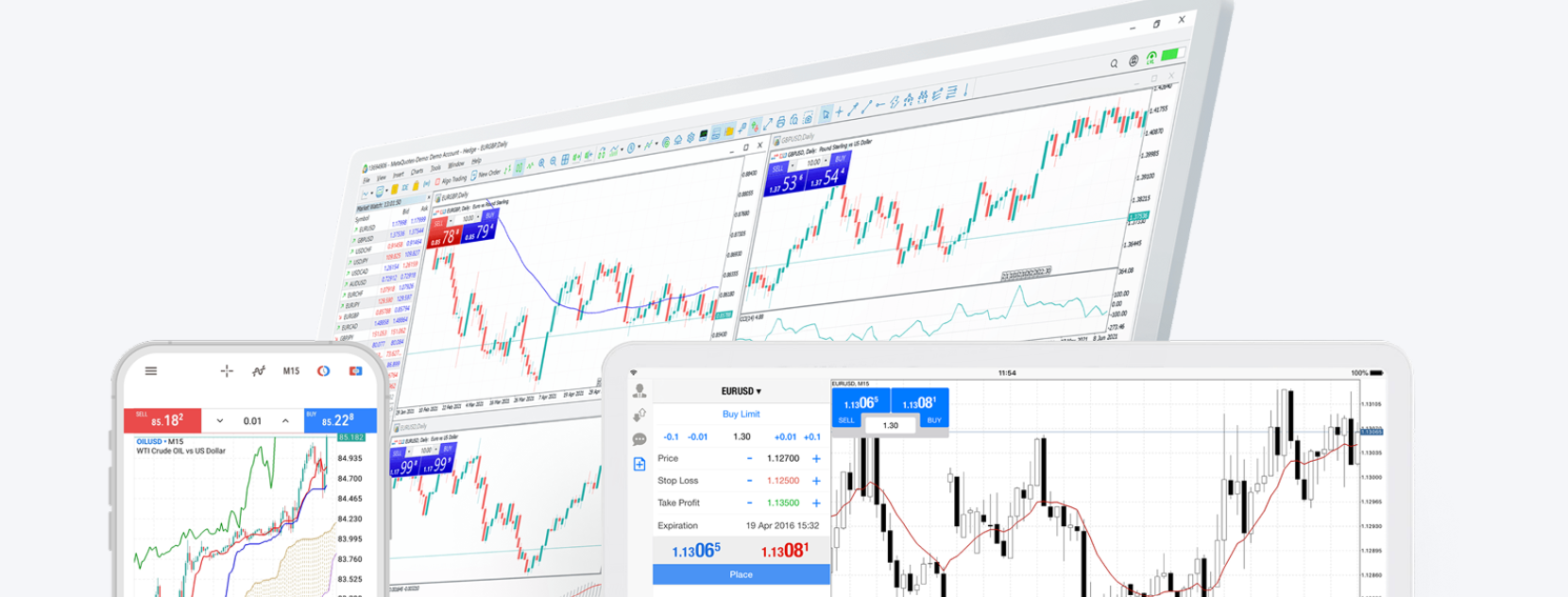
Platform choice can shape the everyday trading experience just as much as account pricing. Trading Sphere supports MetaTrader 4 (MT4) and MetaTrader 5 (MT5), two established platforms familiar to many retail traders.
MT4 is often the preferred option for those who want a straightforward, forex-focused setup. It offers charting tools, technical indicators and support for Expert Advisors, which allow users to run automated trading strategies. MT5 builds on that foundation with additional analytical tools, more timeframes and features designed for multi-asset trading.
Both platforms are available on desktop and mobile, while the broker also promotes browser-based WebTrader access. This gives users different ways to monitor charts and manage positions, whether they are at their computers or on the go.
For newer traders, familiar tools can make the learning curve less intimidating, while experienced users may appreciate the customisable charts and automated trading capabilities. However, Expert Advisors and trailing stops still depend on individual settings and market conditions; they do not guarantee profitable results.
Spreads, Commissions, and the Costs Behind Each Trade
An attractive spread can catch the eye, but it is only one part of the overall trading cost. Trading Sphere describes its standard accounts as commission-free, with an exception: a $10-per-lot commission applies to Future Indices, FX Futures, and Future Commodities.
The broker also states that swap-free accounts are available upon request, subject to its conditions. Before applying, check whether this option covers your preferred account and instruments, and whether any alternative fees or restrictions apply.
The minimum trade size is listed as 0.01 lots, allowing users to open smaller positions rather than immediately committing to a full standard lot. This can provide more flexibility when managing position sizes, although it does not eliminate market risk. The level of risk still depends on the instrument, leverage, stop-loss distance, and position size.
When comparing brokers, look at the total cost of a typical trade, including the spread, any applicable commission, overnight financing, and currency conversion charges. This provides a more realistic picture than focusing on a single headline figure and is an important step when using a Trading Sphere review to compare different providers.
Leverage: More Market Exposure, More Responsibility
Trading Sphere advertises leverage of up to 1:1000 across its account levels. Leverage allows traders to control larger positions with a smaller amount of margin, potentially providing more flexibility, when managing their trading capital. However, it also magnifies the impact of price movements, meaning losses can accumulate quickly when a position moves in the opposite direction.
Maximum leverage should not be viewed as a target. Before using it, make sure you understand margin requirements and stop-out levels, and choose position sizes that reflect how much you can realistically afford to risk.
Getting Started, Funding, and Customer Support
The broker states that live account registration takes less than a minute, although identity and address verification may still be required. Available funding methods are displayed in the client portal and may vary, depending on the account and location.
According to the FAQ, deposits may take up to 24 hours, depending on the payment method, while bank transfers can take up to three business days. Trading Sphere says it does not charge deposit fees, although banks and payment providers may apply their own charges. It is worth checking the current withdrawal procedures, minimum amounts, and processing times before making a deposit.
Customer support is advertised as available 24/5, with different service levels, depending on the account tier. Higher-level accounts receive priority, premium, or VIP support. This can be useful when dealing with account settings, platform-related questions, or payment procedures, making customer service another factor worth considering in a Trading Sphere review.
Final Verdict: Who Might Find Trading Sphere Interesting?
This Trading Sphere review highlights a broker built around choice: access to multiple CFD markets, two familiar MetaTrader platforms, and four account levels with different pricing and support features. Its $50 minimum deposit for the Core account provides a relatively accessible entry point, while higher tiers are designed for traders who place greater value on narrower advertised spreads and more personalised assistance.
Before choosing an account, compare live spreads, check instrument-specific costs, and consider whether the benefits of a higher tier justify its minimum deposit.
Ultimately, the right broker is the one whose platform, costs and account conditions fit your trading approach, not necessarily the one offering the highest leverage or the most impressive-sounding account tier. Take the time to explore the available features, read the instrument specifications, and start with a level of risk you can afford. Trading can be engaging, but it should never be about chasing every market move.
The final takeaway from this Trading Sphere review is simple: compare the details, understand the risks, and choose based on your own priorities.
Editor’s Note: The opinions expressed here by the authors are their own, not those of Impakter.com — In the Cover Photo: Trading Sphere review of CFD markets, account types, spreads and MT4 and MT5 platforms.