The last time there was a major climate treaty, the United States stood on the sidelines. This time, stakes may be higher, but the energy transition (and global cooperation at large) will continue. “When America sneezes, the world catches a cold.” The saying is meant to remind the world that the United States is a giant economy with the world’s largest military and that it leads the world by several metrics.

On climate change, it’s not the case anymore. On November 4, 2020, the United States officially left the Paris Agreement. We’ve known this day was coming for four years. If we’re honest with ourselves, the euphoria of American leadership on climate policy was a historical blip. We’ve been here before, but this time it’s different.
Even with President-Elect Biden’s promise to rejoin the Paris Agreement, the deep divisions in the United States may mean that the nation will continue to be an unreliable climate partner. The United States may sometimes sneeze at the Paris Agreement, but the world will move on.
The last time there was a major climate treaty, the United States stood on the sidelines. Although Vice President Gore had signed the Kyoto Protocol on behalf of the United States, the next administration, led by President George W. Bush, withdrew the signature and refused to send it to Congress to consider ratifying it. Congress passed the Byrd–Hagel amendment instead, requiring any future American involvement in climate change agreements to be matched by equivalent commitments by developing country parties.
Related Articles: A Biden Victory: What it Means for the Rest of the World | Trump’s Sanctions Legacy
In the face of this setback, the world rallied to bring the Kyoto Protocol to life. The remaining parties ensured the Marrakech Accords (a “rulebook” for the Protocol) appeased the remaining concerns of Canada, Russia, Australia, and Japan—countries needed to reach the ratification threshold. With these countries on board, the Protocol could legally enter into force. Extraordinary efforts took place to ensure this happened, including smoothing Russia’s World Trade Organization membership.
But the Kyoto Protocol was essentially dead on arrival. It took 7 years to recover from the blow dealt by the United States. For the Paris Agreement, lessons were learned and negotiators worked to incorporate safeguards for the treaty and global action.
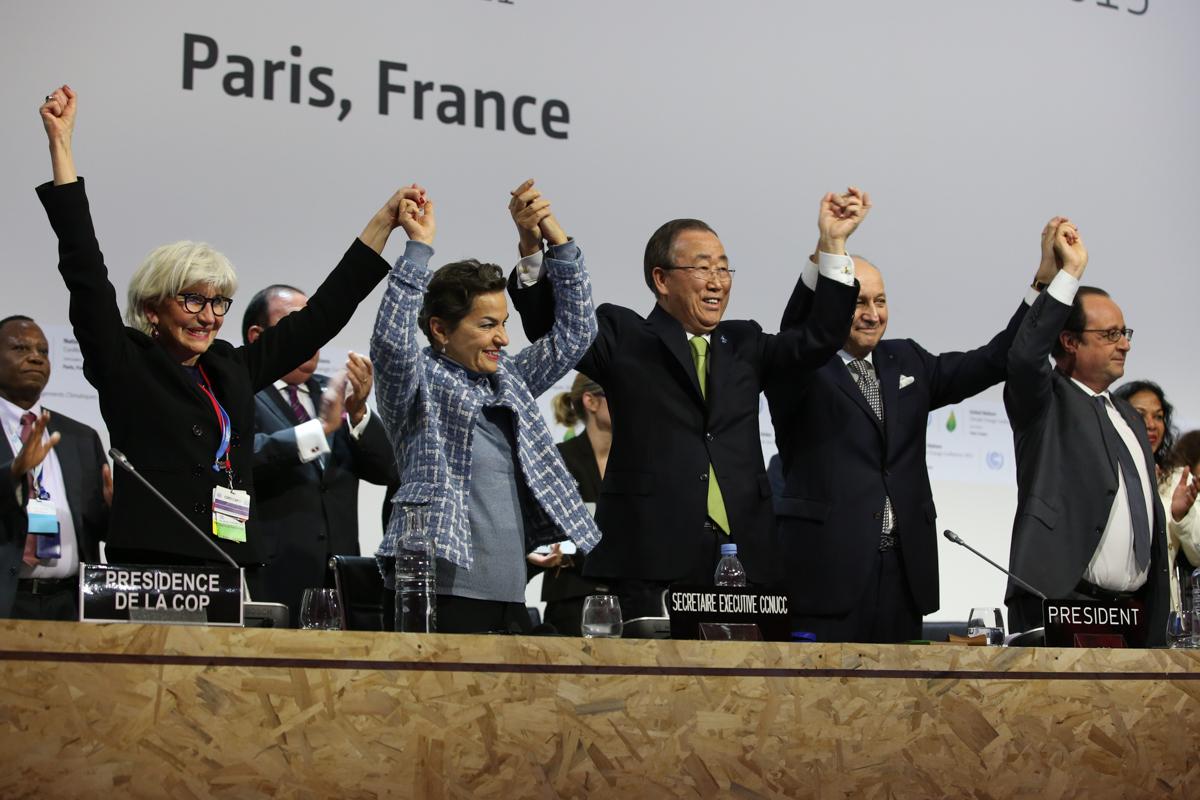
The United Nations Framework Convention for Climate Change (UNFCCC) negotiators designed the Paris Agreement with the United States firmly in mind. The United States played a crucial leadership role in bringing countries together around a specific vision of the agreement; former Secretary of State John Kerry hosted a stream of delegates in a back room of the venue in Paris. All countries submit pledges (or Nationally Determined Contributions [NDCs]), which blurs the differentiated responsibilities of countries. Developed and developing countries alike have to make a pledge. The pledging system eased the process for the United States to join.
So far, updates have been few and not ambitious enough to put the world on track to reach 2°C or 1.5°C.
Adopted on the eve of the 2016 U.S. election year, the negotiators designed a process for leaving the Paris Agreement that would take four years—the length of a U.S. presidential administration. Former President Obama’s rapid acceptance of the agreement was meant to tie the hands of his successor and to make sure the United States stays part of the multilateral effort. But this strategy only got the United States to the eve of the Paris Agreement’s fifth anniversary.

Despite the U.S. government’s official exit from the Paris Agreement on November 4, 2020, the Paris Agreement is still in force—but it will need a boost. China, the European Union, and other major emitters are stepping up their climate pledges. China pledged to achieve net zero by 2060 during the celebrations of the United Nations’ 75th anniversary. Japan announced that it will align with the European Union to achieve carbon neutrality by 2050. South Korea has made a similar pledge.
If a future U.S. president wishes to rejoin the Paris Agreement, they have to submit a new NDC that is more ambitious than the last.
A round of updates to countries’ pledges (those NDCs) would go a long way to signalling momentum. So far, updates have been few and, well, not ambitious enough to put the world on track to reach 2°C or 1.5°C. We have yet to hear from several major emitters, and the Secretariat has extended the deadline, now to December 31, 2020. The United Kingdom—which holds the presidency of the next climate UNFCCC Conference of the Parties—is encouraging parties to submit ambitious NDCs in the lead-up to the celebration of the Paris Agreement’s fifth anniversary, on December 12, 2020.
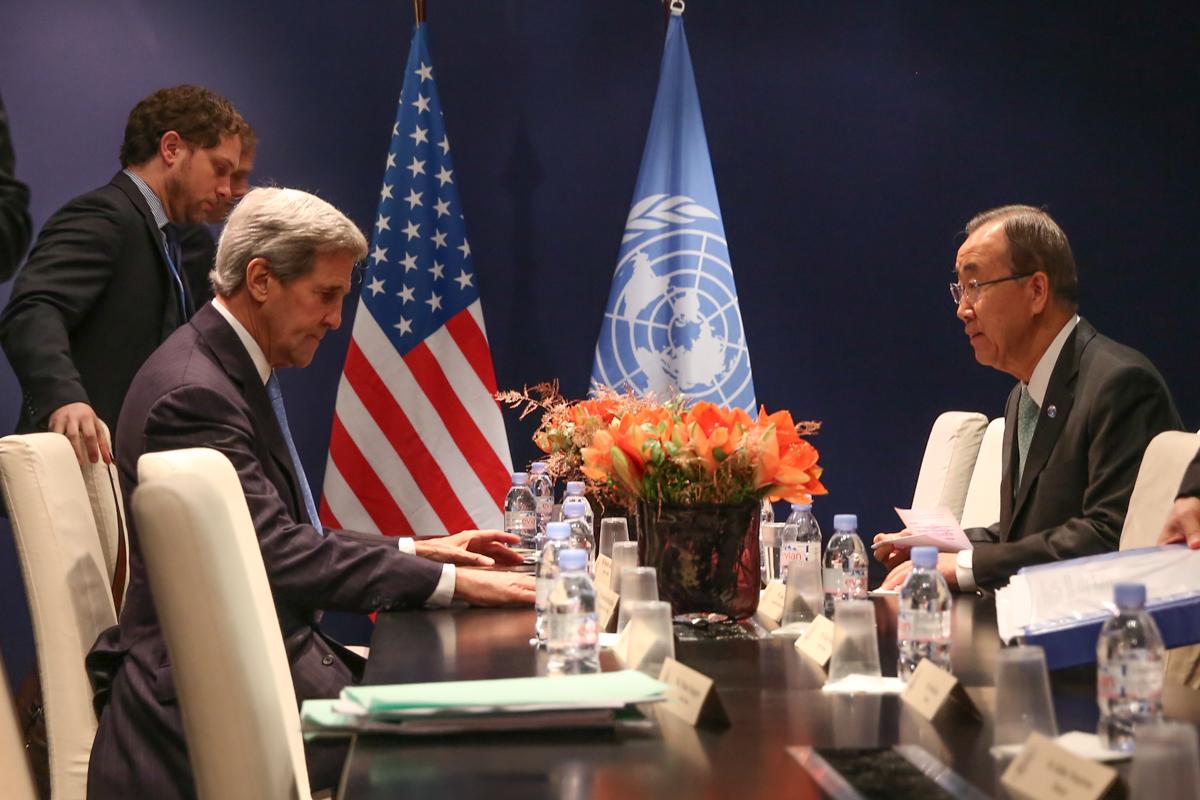
Of course, the key difference between the withdrawal from the Kyoto Protocol and exiting the Paris Agreement is that the latter legally exists. It’s in force and started this year. A continued U.S. absence may reduce financial support, but it won’t reduce countries’ obligations to submit better NDCs every 5 or 10 years and to report on their progress. The United States, however, will lose out on the chance to shape the agreement’s carbon markets still under negotiation. Being an outsider comes at a cost.
Meanwhile, the energy transition will continue, including in the United States. Wind power outpaces coal in Texas, which produces more wind energy than anywhere else in the United States. Texas is part of a global trend. Renewable energy now accounts for a third of global power capacity. The market has changed dramatically since the days of the Kyoto Protocol.
If a future U.S. president wishes to rejoin the Paris Agreement, they have to submit a new NDC that is more ambitious than the last. President Trump has rolled back over 100 environmental protections. Starting from this weaker policy position, it will take some work for a future U.S. president to pledge a new climate plan to the Paris Agreement that is more ambitious than the 2015 pledge under Obama. As a result, the United States may be gone for a while, but the framework for global cooperation, as well as market forces and citizen pressure to take climate action, can and will continue.
About the author: Lynn M. Wagner is the Senior Director of the Tracking Progress program at the International Institute for Sustainable Development (IISD). Jennifer Allan is a Strategic Adviser and Team Leader with Reporting Services, as well as a Lecturer at Cardiff University.
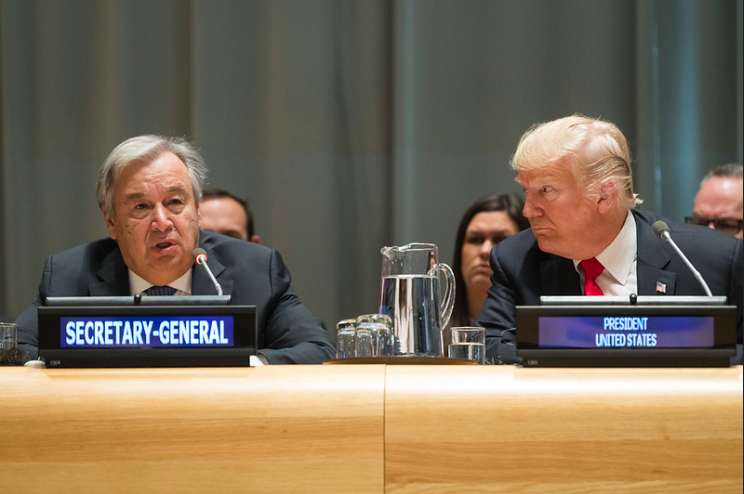
EDITOR’S NOTE: The opinions expressed here by Impakter.com columnists are their own, not those of Impakter.com. — In the Featured Photo: Secretary-General António Guterres and Donald Trump during United Nations event. Featured Photo Credit: UN / Mark Garten.