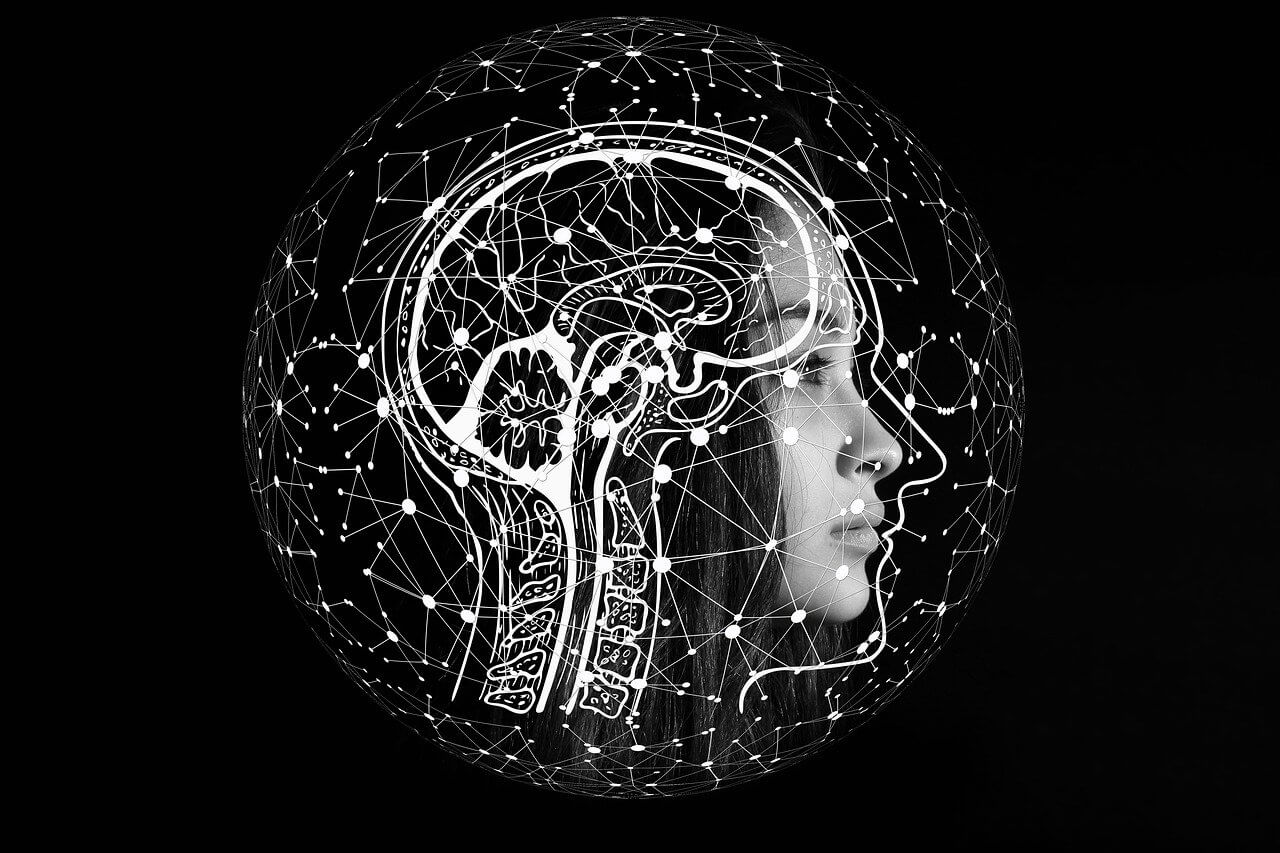

A panic attack starts fast. Your heart pounds. You sweat. Your hands shake. You can’t catch your breath. Your chest hurts. You feel sick. The room spins. Your skin tingles. Everything feels unreal. You think you’re dying.
These symptoms come from your body’s survival system firing at the wrong time. Your brain thinks you’re in danger when you’re not. The physical response happens anyway.
Your heart rate can jump from 70 to 150 beats per minute. Blood pressure may increase by 20–30 points. You might breathe 30 times per minute instead of 12. Your pupils dilate. Blood flows away from your stomach and toward your muscles. Your body releases cortisol and adrenaline into your bloodstream.
Scientists can measure these changes. Heart rate monitors show sudden spikes. Blood tests reveal hormone surges. Brain scans display increased activity in specific regions. The panic attack leaves physical evidence.
Brain Circuits Gone Wrong
The amygdala processes fear signals, but panic involves more brain regions than scientists once thought. GABAergic neurons in the dorsomedial hypothalamus act as gates. When these gates fail, panic becomes more likely.
People with panic disorder often show less GABA receptor binding in their brains. They also display reduced serotonin activity. Low GABA and serotonin mean more brain excitability—and more excitability means more panic attacks.
PACAP neuropeptides shape how we respond to threats. These molecules work outside the amygdala. They affect arousal and stress adaptation. Drug companies are now targeting PACAP systems for new treatments.
Genetic variations make some people prone to panic. Polymorphisms in serotonin receptor genes increase risk. Glutamate receptor variations matter too. Your DNA partly determines your panic vulnerability.
Substance Use and Panic Response Patterns
People with panic disorder often turn to various substances to manage their symptoms. Alcohol, cannabis products, and prescription medications become common self-medication tools. Some reach for CBD oils, THC tinctures, or delta 8 gummies when traditional treatments fail. Research suggests that around 30% of panic disorder patients report using cannabis-derived products. This self-medication pattern creates complex interactions with the body’s stress response systems.
The relationship between substances and panic follows predictable patterns. Alcohol initially suppresses amygdala activity but causes rebound anxiety hours later. Cannabis compounds affect GABA receptors differently depending on their chemical structure. Caffeine can directly trigger panic in susceptible people by increasing norepinephrine release. Nicotine creates temporary relief followed by withdrawal-induced anxiety spikes. These substances alter the same neurotransmitter systems already disrupted in panic disorder.

Your Body Thinks It’s Suffocating
Panic disorder patients often react strongly to carbon dioxide. Give them air with extra CO₂, and they may panic. Inject them with lactate, and the same thing happens. Their bodies interpret mild acid changes as suffocation.
This reaction happens in the brainstem. Suffocation detection circuits become oversensitive. Normal breathing changes trigger false alarms. The person feels like they’re drowning on dry land.
Scientists call this the suffocation false alarm theory. Evolution gave us circuits to detect low oxygen. In panic disorder, these circuits malfunction. They fire even when oxygen levels are normal.
Inflammation Links to Panic
Blood tests show higher inflammatory markers in panic disorder patients. C-reactive protein levels stay elevated between attacks. Interleukin-6 often runs higher than normal. These molecules affect brain function.
Inflammation changes how neurons communicate. It alters neurotransmitter production. Chronic inflammation makes the brain more reactive to stress. The immune system and nervous system work together to create panic vulnerability.
This connection goes both ways. Panic attacks increase inflammation. Inflammation makes panic attacks worse. Breaking this cycle requires treating both systems.
Measuring Panic in Real Time
Heart rate variability often drops before panic attacks start. Wearable devices can detect these changes minutes before symptoms begin. Apps track mood patterns over weeks and months. Digital tools separate chronic anxiety from acute episodes.
Continuous monitoring shows patterns doctors couldn’t see before. A person’s baseline heart rate variability may predict their next attack. Breathing rate changes warn of approaching panic. Skin conductance rises before conscious awareness of anxiety.
These measurements help with treatment. Patients learn their warning signs. Therapists see which interventions work fastest. Researchers test new treatments with precise data.
What Triggers the Cascade
Panic attacks have many triggers. Some people panic after drinking coffee. Others panic during exercise. Emotional stress sets off attacks in many patients. Sometimes attacks happen without warning.
The DSM-5 requires four symptoms for diagnosis. The symptoms must peak within minutes. The entire episode usually ends within an hour. Between attacks, people often fear the next one.
Childhood trauma increases panic risk. Current life stress adds vulnerability. Having other anxiety disorders makes panic more likely. Depression often occurs alongside panic disorder. Heart disease complicates both diagnosis and treatment.
New Treatment Approaches Work Fast
The Bergen 4-Day Treatment concentrates exposure therapy into four consecutive days. Patients face their feared sensations in controlled settings. They spin in chairs to create dizziness. They breathe through straws to simulate breathlessness. Heart rates normalize within days. Symptoms stay improved after 12 months.
Scientists are testing drugs targeting PACAP systems. Early trials suggest faster results than SSRIs. Glutamate modulators reduce panic frequency. Immune system treatments show promise for treatment-resistant cases.
Interoceptive exposure therapy makes patients less sensitive to body signals. They learn that racing hearts aren’t dangerous. Dizziness becomes less frightening. The feedback loop between sensation and fear breaks.
The Biology Creates the Fear
Panic attacks involve multiple body systems working together. Genes set baseline sensitivity. Brain circuits process threat signals incorrectly. The immune system adds inflammation. The cardiovascular system responds with physical symptoms.
Each system affects the others. Racing hearts send danger signals to the brain. The brain releases more stress hormones. Hormones increase heart rate further. The cycle continues until exhaustion or intervention stops it.
Treatment works by interrupting these cycles. Medications change neurotransmitter levels. Therapy changes thought patterns. Breathing exercises alter CO₂ levels. Each intervention targets a different part of the panic system. Combined approaches work better than single treatments.
Conclusion
Panic attacks feel overwhelming, but science shows they follow predictable biological patterns. Multiple systems—from brain circuits and neurotransmitters to hormones and the immune response—work together to create the symptoms people experience.
The good news is that treatment can interrupt these cycles. From therapy and breathing techniques to emerging medications and digital tools, people have more options than ever to manage panic disorder. With the right support, panic attacks can be controlled—and recovery is within reach.
FAQs
- What physically happens during a panic attack?
During a panic attack, the body activates its fight-or-flight system. Heart rate rises, breathing quickens, blood pressure increases, and stress hormones like adrenaline flood the bloodstream. - How long do panic attacks usually last?
Most panic attacks peak within 10 minutes and end within 30–60 minutes, though lingering anxiety may last longer. - Can panic attacks cause long-term health problems?
Panic attacks themselves are not life-threatening, but frequent episodes may increase stress on the cardiovascular system and contribute to other mental health conditions if untreated. - What treatments are effective for panic disorder?
Effective treatments include cognitive-behavioral therapy (CBT), interoceptive exposure, medications such as SSRIs, and lifestyle practices like breathing exercises, mindfulness, and regular physical activity.
Editor’s Note: The opinions expressed here by the authors are their own, not those of impakter.com — In the Cover Photo: Icebreaker ship in Russia Cover Photo Credit: Gerd Altmann