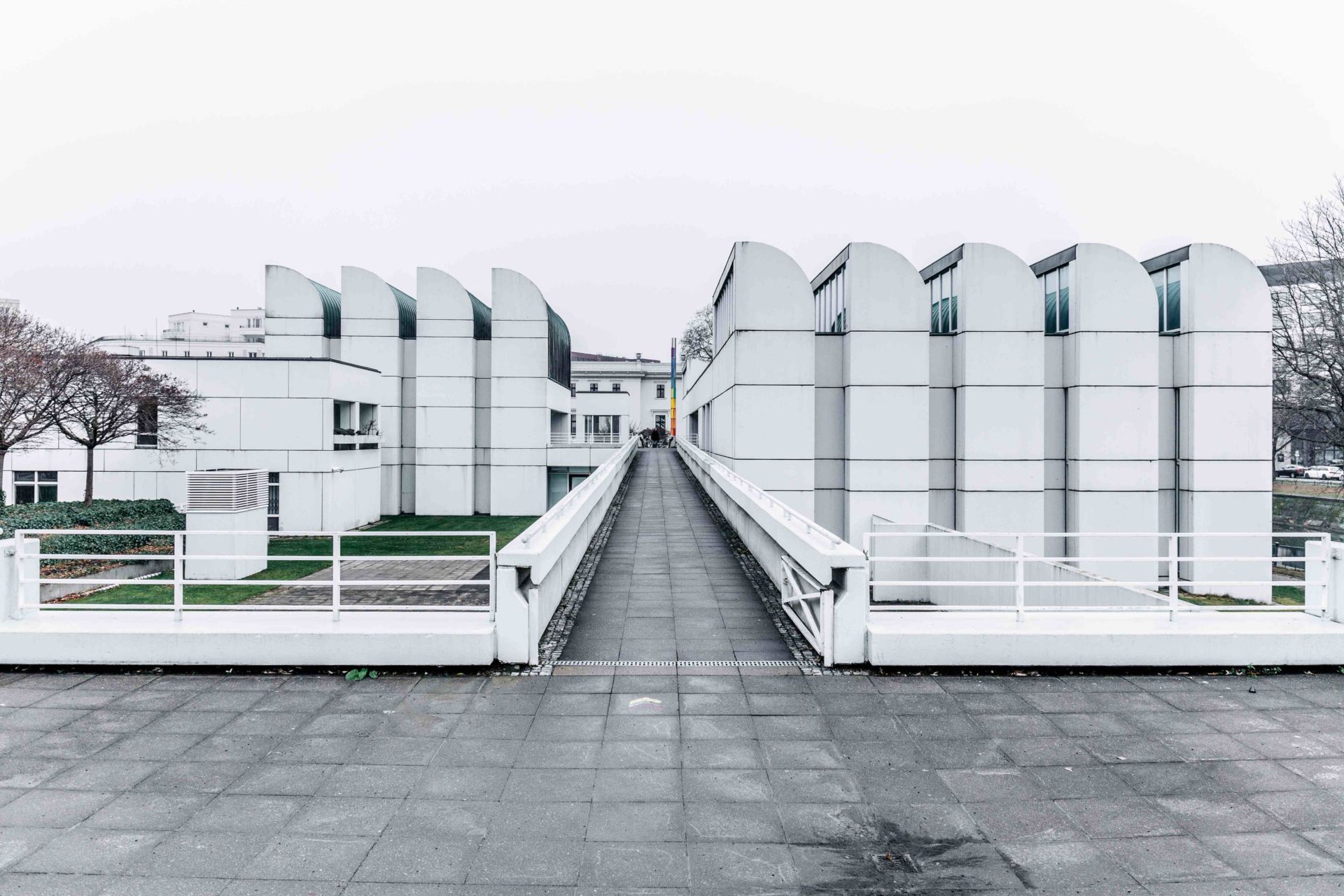
“The New European Bauhaus movement is intended to be a bridge between the world of science and technology and the world of art and culture… it is about a new European Green Deal aesthetic combining good design with sustainability.”
— President of the European Commission Ursula Von der Leyen
Last September, progress towards a European Green Deal was accelerated following the inaugural speech of Ursula Von der Leyen as the new President of the European Commission, before the European Parliament (Sept. 16, 2020). Von der Leyen called explicitly for a cleaner and more sustainable Europe within a 2030 target of net-zero carbon emissions, which she deems as “ambitious, achievable, and beneficial for Europe.” The address outlined continued plans for NextGenerationEU, suggesting that 37% of the €750bln fund will be spent directly on European Green Deal objectives, with up to 30% of NextGeneration EU to be raised through green bonds.
Amongst plans for European Hydrogen Valleys and further digitalisation, Von der Leyen took her speech as an opportunity to announce the launch of the New European Bauhaus — a project designed to transform the built environment (housing, infrastructure, architecture) into one fit for the future, with fewer emissions, and long-term social value.

The Bauhaus school was a product of post-war Weimar Germany, whereby an interdisciplinary group of artists, architects and creatives sought a new way of imagining the material world in the face of social upheaval. Recalling this period of crises and turmoil a century ago, it is clear that Von der Leyen is seeking to engage all, from designers and architects to digital experts and entrepreneurs, in a process of social transformation, much like that that took place under the guise of Walter Gropius, Mies van der Rohe and more. It is difficult to believe that politicians and bureaucrats have the ability to speak into existence an artistic movement (especially given the disruptive proclivities of early 20th century cultural practitioners that did away with Victorian ostentation in favour of clean lines and minimal decoration), but it should be noted that the Bauhaus school was a glad recipient of state support during its infancy.
This week, the design phase of The New European Bauhaus was launched by the European Commission. As the project gets underway, with an open call for proposals to be expected this autumn, we look more closely at what The New European Bauhaus might entail.
Form Over Function?
What will operate as the cultural component of the EU building renovation strategy, “A Renovation Wave for Europe,” has garnered interest within the European Parliament. The strategy highlights three main areas of focus: tackling energy poverty, renovating public buildings, and decarbonising heating and cooling. Ultimately, the strategy aims to engender a shift whereby “buildings will be the microcosms of a more resilient, greener and digitalised society, operating in a circular system by reducing energy needs, waste generation and emissions at every point and reusing what is needed.”
Where the project has been met with great enthusiasm, sceptics have posed the question that is asked of many arts or “green” initiatives: is it worth it?
Related Articles: Supporting the Arts Should Be a Part of Your Business Strategy | Coronavirus and Art
As planning for the New European Bauhaus commences (entailing five Bauhaus projects that look at art, culture and design through the lens of energy efficiency and environmental sustainability), MEP Dace Melbarde — former Latvian Culture minister — suggested that as a society we need less consumption rather than more production. Having recognised the value of the project, with its links to a Green Deal, MEP Domènec Ruiz Devesa reminded the Parliament of just how crucial it is in this moment to rescue the cultural sector before directing funding to other projects.
Fears that the direction of funding towards the Bauhaus project does not constitute a proper cultural recovery should not be downplayed; The European Culture Foundation and Culture Action Europe addressed President Von der Leyen and others in a statement that calls for at least 2% of the Recovery fund to be delivered to cultural and creative enterprises to ensure their survival post-Covid.
Together Is Better
What is clear about the New European Bauhaus, however, is its ambition and focus on co-creation and experimentation. Such an interdisciplinary effort should be considered as long-term cultural policy with the potential to work explicitly, funding and promoting art and culture, and implicitly, changing the way we interact with the environment and reducing the harm we cause to it. Much like many sustainable architecture projects and transitions to green energy, the upfront cost is large, but when funding is ready and available, as is the case, the downstream pay-off in financial, environmental and social terms will be considerable.
Moreover, the carbon-saving potential and social value of a project of this ilk is precedented, having delivered results across a number of case studies. The New European Bauhaus will look to emulate the carbon-saving ability of the “Passivhaus,” whose efficient insulation and heat recovery systems drastically reduce energy demand, allowing houses to be powered by renewable sources at a low cost. Likewise, innovative examples of sustainable architecture that incorporate art and design exist aplenty: from cutting edge affordable housing in Denmark, to functional work and office-space in the form of Manchester’s One Angel Square.
It is yet to be seen whether Von der Leyen’s desire to co-create a sustainable future will catalyse a green cultural transition for Europe, or fall foul of red tape, but the ambition and desire for change is evident.
Be part of the #NewEuropeanBauhaus!
📣 We call on designers, architects, engineers, scientists, students, entrepreneurs and creative minds to reimagine sustainable living in Europe and beyond.
More here: https://t.co/X1N17HoKef#EUGreenDeal #EuropeForCulture #StrongerTogether pic.twitter.com/CEYJb5NTrC
— European Commission (@EU_Commission) January 18, 2021
Editor’s Note: The opinions expressed here by Impakter.com columnists are their own, not those of Impakter.com. — In the Featured Photo: A Bauhaus Archive, Berlin, Germany. Featured Photo Credit: Joel Filipe