The release of new data on Australia’s gender pay gap put hard numbers to a common workplace reality: across every sector, women are being paid less than men.
Reporting published by the Workplace Gender Equality Agency on nearly 5,000 Australian businesses found a median annual income gap of 19% nationwide.
A big factor in this disparity is participation and roles in the workforce.
Men outnumber women in the Australian workforce by nearly 10%. In fields involving science, technology, engineering and mathematics (STEM), the gender gap is much higher.
The most recent figures show that only 27% of Australia’s 2021 STEM workforce were women, with women earning 23.5% less – in line with global data showing women are significantly underrepresented in STEM careers, comprising only about 29% of the workforce.
The gender gap is extended and compounded for people with multiple underrepresented and marginalised identities. For example, in Australia women with disability continue to be employed less, paid less, and hold fewer senior positions, and are sexually harassed at work more than men with disability and women without disability.
New research from the Office of Australia’s Women in STEM Ambassador at UNSW Sydney looks at what can be done to bring about greater equity in STEM-related workplaces, as well as to promote the inclusion of people with disabilities.
The findings are clear: systemic change will support full and meaningful workplace participation.
Harnessing diversity
STEM fields provide the innovation, progress, and skills essential to meeting current and emerging international challenges.
As societies strive to cultivate skilled STEM workforces, equity and inclusion need to be prioritised. Through harnessing workforce diversity, employers can build teams and organisations that foster better decision making, innovation, community appeal and employee satisfaction – all of which benefit economies, organisations, and employees.
However, well-documented gender and disability inequities are seen in workforces around the world, underscoring a prevailing global challenge of achieving equity in the workforce.
To better address these disparities, it is critical to look at all the available evidence on the effective design, implementation and evaluation of initiatives for more inclusive and equitable work environments.
Our research team screened more than 11,000 peer-reviewed publications to summarise evidence from 257 studies on evaluated workplace equity initiatives. The research focused on initiatives for gender equity and disability inclusion in the workplace from around the world.
Gender equity
The gender equity research revealed three key findings.
First, policy interventions are critical for addressing barriers to workplace equity and inclusion. Such policies should be enhanced with targeted equity programs that communicate policy changes clearly and educate employees on their implementation.
Second, collaboration and transparency are critical. Workplace gender equity is best served when policies and programs are designed and implemented collaboratively among industry, academia, government and peak bodies. By codifying policy and requiring organisations to develop action plans to rectify gaps, governments can advance equity and inclusion initiatives.
The federal pay transparency legislation implemented in Australia – which led to the gender pay gap data released in February 2024 – is an example of how publicly accessible data can be leveraged to increase accountability.
Related Articles: Becoming Better Mentors to Eliminate the Gender Gap in STEM | What Does It Mean to Be Resilient in STEM? | The Formula for Gender Equality: More Women in STEM-fields | Science Diplomats Bring a Gender Perspective to Science Diplomacy | Four Stories of Inspiring Girls in ICT and STEM | Fields of Change: Making Cotton Work Better for Women | Water Is the Way: Empowering Women Through Access to Safe Water | Connections That Matter: Climate Change and Gender Equality |
Third, monitoring progress is essential. Robust evaluations will enable workplaces to guide decision making and drive investment and effort into measures that work.
The Women in STEM Decadal Plan recommended the establishment of a national evaluation framework, which was developed and launched in 2022. Evaluations should also include secondary effects of initiatives, such as the impact of anti-harassment initiatives on absenteeism and turnover.
Disability inclusion
The review of workplace disability inclusion initiatives found three key points for workplace disability inclusion.
Several factors underpin these findings and the meaningful inclusion of people with disabilities in workplaces, including, top-down commitment, enabling environments, genuine collaboration, and evaluation.
First, disability-supportive work environments improve both work- and non-work-related outcomes of people with disability. Common features of disability-supportive workplaces include flexible schedules and work organisation, understanding managers, and coordination among disability inclusion stakeholders to ensure accessible accommodations.
Second, accessible workplace modifications and accommodations enable meaningful workforce participation of people with disability.
Effective initiatives support assistive technology, accessibility resources, and modifiable processes and environments, and make them available by default. Coordinating modifications and accommodations with employees, employers, policymakers and support workers enhances benefits.
Third, good initiatives require good insight. Poor-quality or insufficient evidence for evaluating the design, implementation and impact of disability-inclusion initiatives limits the understanding of what makes them work. Australia’s Disability Strategy 2021-2031 tracks measures across a range of areas to improve life for people with disability.
What can be done
The media attention and broad public interest in the gender pay gap snapshot are not surprising – the data revealed patterns that may have been suspected but were never laid out so clearly, and so publicly.
There is now an opportunity to leverage the data to encourage governments to invest in policies and legislation which foster equity. Policies for accountability and transparency are key to having a real impact on addressing gender pay gaps, disability underemployment, and workplace harassment.
In the same spirit, our research shows that continued progress towards workplace equity requires policies, accountability, evaluation, responsiveness and systemic change.
With informed approaches, governments and employers can implement effective initiatives, stimulate economic growth, drive innovation, contribute to solving national and global challenges, and accelerate progress towards a more equitable society.
Evidence-based strategies for accelerating workplace equity can be found in our research report Initiatives for workplace equity and inclusion.
** **
This article was originally published by 360info™. The research was undertaken with support from a grant that funds the Australian Government’s Women in STEM Ambassador from the Australian Commonwealth Department of Industry, Science and Resources and hosted at UNSW Sydney.
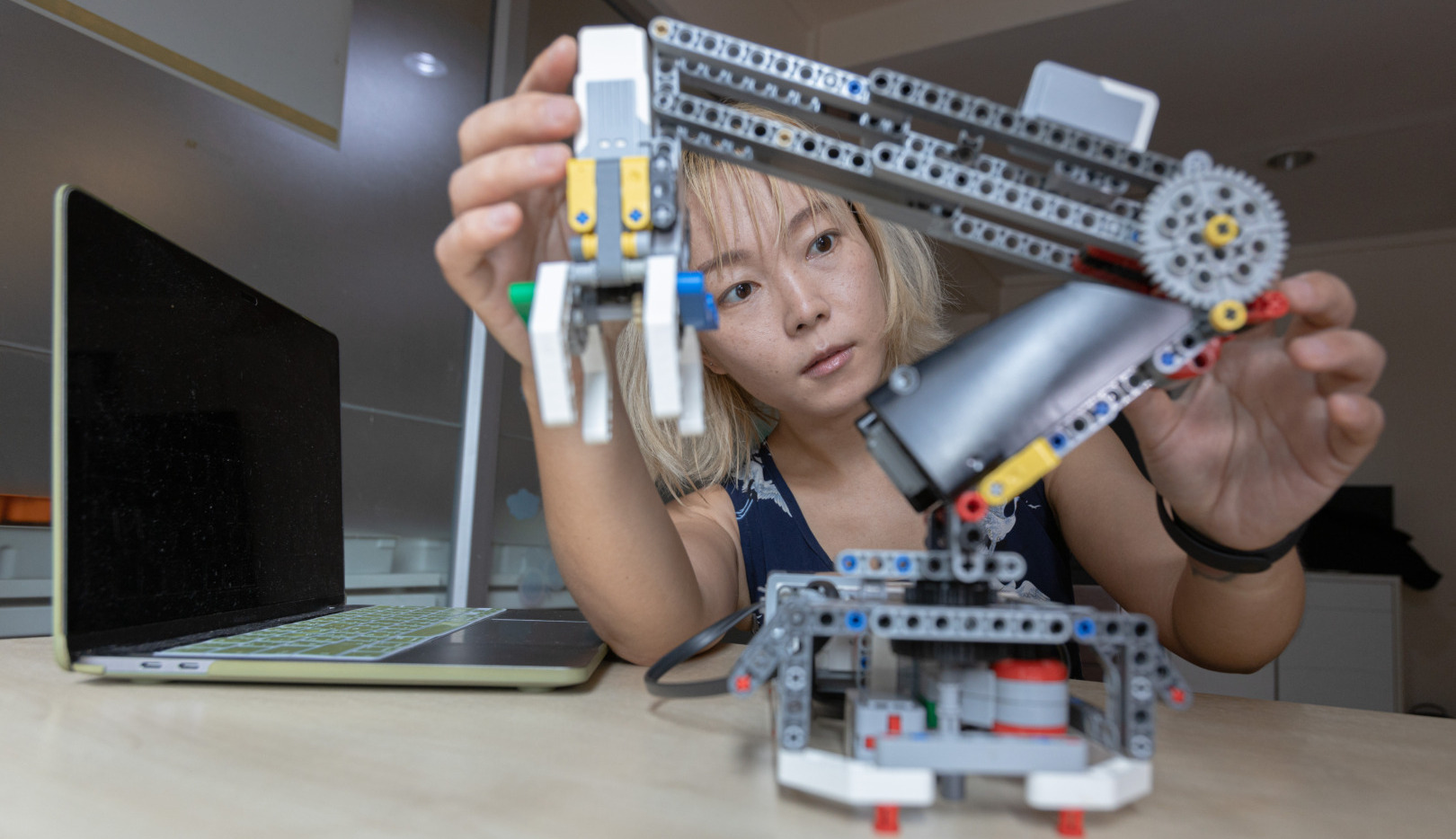
Editor’s Note: The opinions expressed here by the authors are their own, not those of Impakter.com — In the Featured Photo: Women learning robotics in Bangkok, Thailand, April 2, 2022. Featured Photo Credit: UN Women/Ana Norman Bermudez.