Sustainable design often focuses on carbon, energy efficiency, and responsible materials. Those priorities matter, but they do not tell the full story of what makes a workplace truly sustainable. A space can meet green goals on paper and still create daily strain for the people who use it if it is noisy, distracting, and difficult to work in.
That gap is becoming harder to ignore. A workplace is not just a physical structure; it is an environment that shapes how people think, feel, and perform every day. This perspective comes from reviewing workplace health research and sustainable design trends, which consistently show that poor acoustics can raise stress, reduce focus, and make offices less effective over time.
In many modern offices, especially open-plan layouts, sound is treated as a minor issue instead of a core design factor. Conversations, phone calls, and movement create a steady stream of background noise. Over time, that noise does more than irritate; it disrupts concentration and drains energy. For businesses that care about sustainability, that matters. A workplace that wears people down is not truly sustainable.
Why office acoustics belong in sustainability strategy
A sustainable workplace should support both environmental goals and human performance. Yet office acoustics are often overlooked in early design decisions. Offices are built to encourage collaboration and flexibility, but those same features can create too much noise for focused work.
This is where sound absorbing furniture becomes especially important. Many companies only address acoustic problems after employees raise concerns. At that stage, solutions often involve adding panels, partitions, or ceiling treatments. While these retrofits can help, they also introduce extra materials, added costs, and design limitations.
A more effective approach is to integrate acoustic performance into the space from the start. Furniture plays a central role in that strategy. Desks, seating, storage, and meeting areas all influence how sound travels. When these elements are designed to absorb or manage noise, they do more than serve their basic function. They become part of a broader acoustic system that supports the entire workplace.
This approach also aligns with sustainability goals. Instead of adding layers of acoustic solutions later, businesses can rely on existing elements to do more. That reduces material use and avoids unnecessary upgrades down the line. It also creates a more cohesive design, where function and performance work together from the beginning.
Most importantly, better office acoustics improve the daily experience of employees. Sustainability is not only about reducing environmental impact. It is also about creating spaces where people can do their best work without constant disruption. When noise levels are controlled, employees can focus more easily, communicate more clearly, and feel more comfortable in their environment.
Furniture can do more than one job
One of the most practical shifts in sustainable design is moving toward multi-functional solutions. Businesses are looking for ways to get more value from each design element, rather than relying on separate products for each need. That is why acoustic furniture is gaining attention.
Instead of treating sound control as an add-on, designers can build it directly into furniture. This changes how offices operate. A meeting booth can provide privacy while reducing sound spill. A workstation divider can help organize space while softening speech noise. Storage units and partitions can also contribute to an overall acoustical system that improves comfort across larger areas.
When furniture serves multiple purposes, the entire workspace becomes more efficient. This has clear sustainability benefits. Fewer separate products mean less material consumption and less waste over time. It also reduces the need for future modifications, which can be costly and disruptive.
Acoustically enhanced wood furniture is a strong example of this concept. Wood is already valued in sustainable design when it is responsibly sourced and built to last. It offers durability and flexibility while supporting environmental goals. When that same furniture is engineered to improve sound quality, it becomes even more valuable. It supports both environmental responsibility and employee well-being in a single solution.
This kind of design thinking reflects a broader shift in sustainability. Instead of focusing only on individual materials or certifications, businesses are looking at how systems work together. Furniture that contributes to both structure and acoustics fits naturally into that approach.
Sustainable design should support how people actually work
The most effective acoustic solutions for offices are not just about lowering noise levels. They are about creating environments that match how people work. Modern offices must support a range of activities, from focused tasks to team collaboration and virtual meetings. Without proper sound management, these activities can interfere with each other.
A well-designed acoustical system helps create balance. It allows collaboration to happen without overwhelming the space. It also provides quieter areas where employees can concentrate when needed. This flexibility is especially important in hybrid workplaces, where offices must offer a better experience than working from home.
There is also a long-term advantage to integrating acoustic solutions into core design elements. Offices evolve as teams grow and needs change. When acoustic performance is built into furniture and layout decisions, businesses are less likely to require frequent updates or fixes. This reduces waste and supports a more sustainable life cycle for the workspace.
Sustainable Design Should Sound Better, Too
Sustainable workplaces should support people as well as performance. Materials, energy use, and certifications still matter, but employee experience matters too. That is why office acoustics should be treated as a core part of design. When businesses invest in sound-absorbing furniture and integrated acoustic solutions, they create spaces that are more comfortable, effective, and sustainable over time.
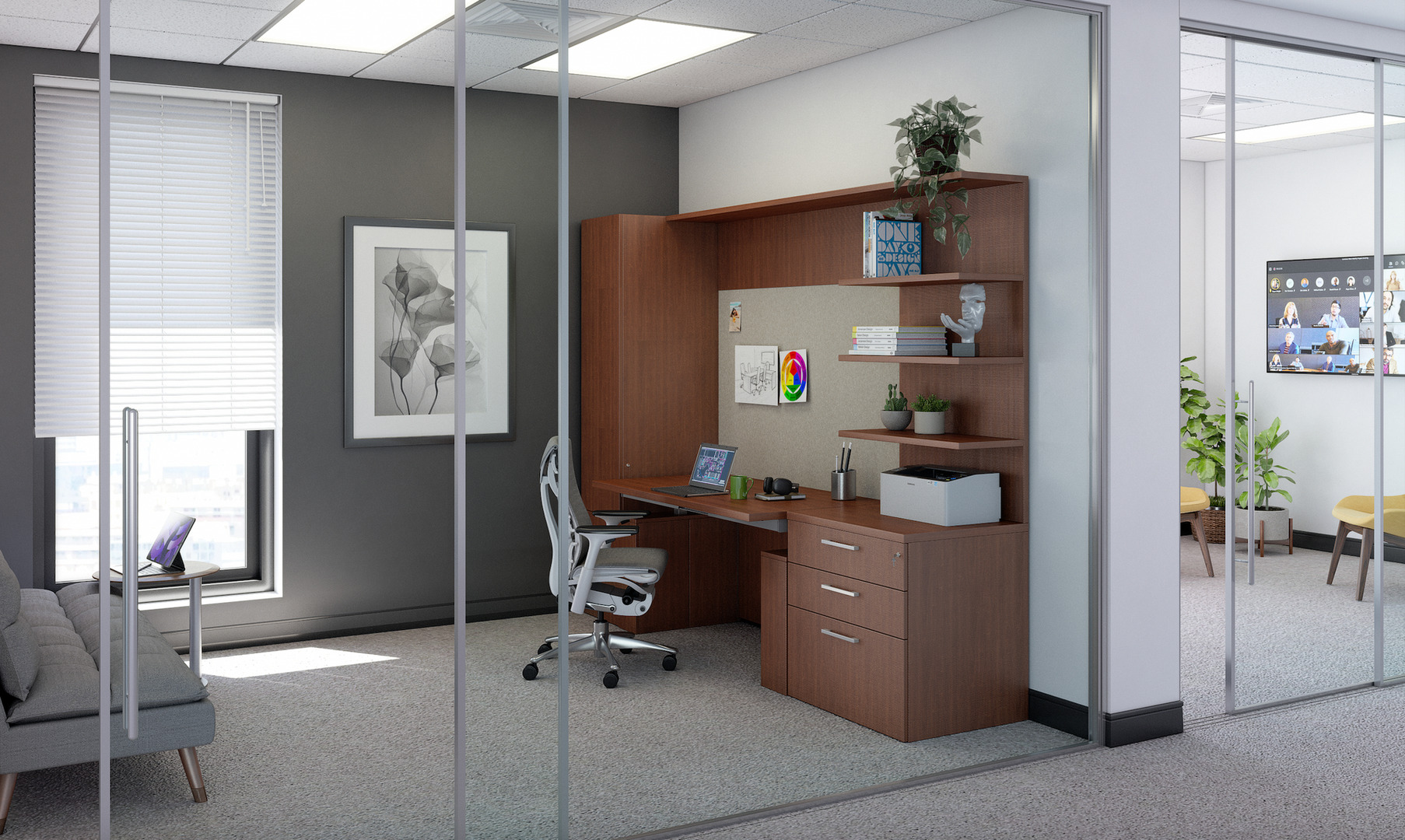
Editor’s Note: The opinions expressed here by the authors are their own, not those of impakter.com — In the Cover Photo: sound absorbing furniture.