Impakter
  • Environment
    • Biodiversity
    • Climate Change
    • Circular Economy
    • Energy
  • FINANCE
    • ESG News
    • Sustainable Finance
    • Business
  • TECH
    • Start-up
    • AI & Machine Learning
    • Green Tech
  • Industry News
    • Entertainment
    • Food and Agriculture
    • Health
    • Politics & Foreign Affairs
    • Philanthropy
    • Science
    • Sport
  • Editorial Series
    • SDGs Series
    • Shape Your Future
    • Sustainable Cities
      • Copenhagen
      • San Francisco
      • Seattle
      • Sydney
  • About us
    • Company
    • Team
    • Partners
    • Write for Impakter
    • Contact Us
    • Privacy Policy
No Result
View All Result
Impakter logo
No Result
View All Result
ESG news on how food traceability builds a safer and sustainable food system, enhancing transparency and reducing waste.

Traceability in food systems is a step towards more sustainable supply chains

Ensuring a Safer, More Sustainable Food System with Traceability

How traceability can reduce food waste and build a more sustainable supply chain.

Peter TimofeevbyPeter Timofeev
November 11, 2024
in Food, Food and Agriculture, Foodscape
0

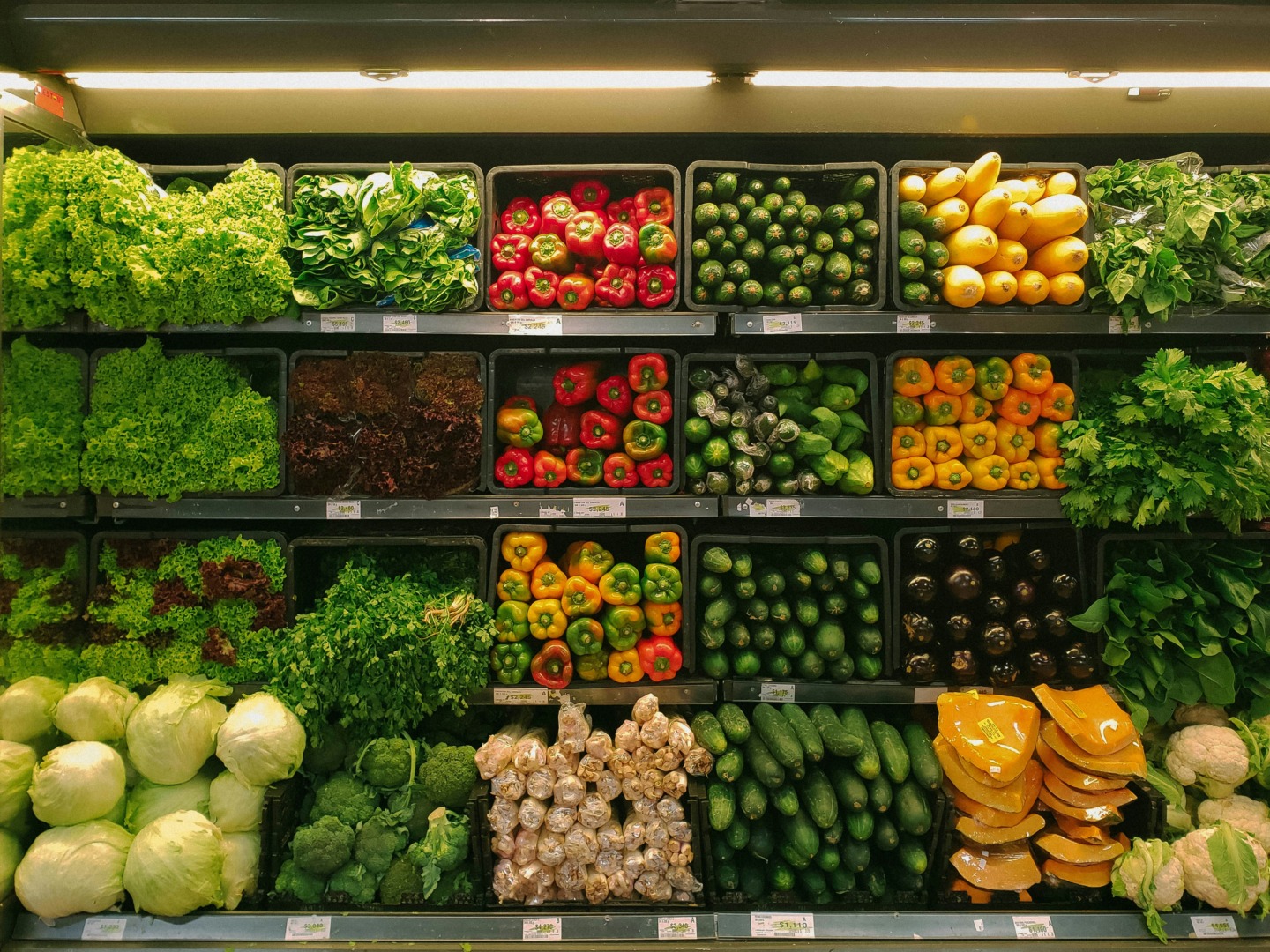
The food system is one of the world’s most vital industries. This means that it faces increasing pressure and needs to advance the industry’s sustainability. Despite recent outbreaks such as a deadly listeria incident, the need for improved traceability has been highlighted. The FDA has installed new guidelines in the industry in order to track the origins of foods, from seafood to produce. In an attempt to tackle these challenges, these will be in effect by 2026. Whilst there is a lack of details of the exact operation of companies tracing food, this presents an opportunity for the industry to create a more sustainable food system using innovative tools like AI ESG software.

How traceability contributes to sustainability

By implementing traceability technologies like 2D barcodes and QR codes, food producers and suppliers can improve product visibility across the supply chain. 2D barcodes contain a vast range of information, holding knowledge such as the date of origin and even supply chain progress, which can be accessed very easily and simply, such as through a smartphone. This lets consumers get insight that they can use to make more informed choices and reduce their food waste.

For instance, better tracking can allow retailers to offer discounts on products nearing expiration, helping to limit waste and promote more responsible consumption. As GS1 US, the organisation behind UPC barcodes, is now setting standards for 2D codes, we can expect more data-rich transparency in the food industry, empowering everyone from farmers to consumers.

In other industries like seafood, traceability is just as crucial, if not more so, as sustainability is heavily dependent on sourcing responsibly. With one ongoing concern being overfishing, improved and enhanced tracking will allow for the verification of sustainable and legal sources. In turn, this traceability will protect species and ensure that consumers support ethical practices.


Related Articles: Collaborative Efforts Key to EU’s Sustainable Food Future | The Future of Sustainable Food Systems: Turning Challenges into Global Action

Reducing waste in fresh produce with enhanced traceability

The International Fresh Produce Association and other organisations are also backing these initiatives, seeing traceability as a pathway to reduce waste in fresh produce, a notoriously perishable category. Companies committed to sustainability in food production can utilise these tools to improve both safety and sustainability.

With the growing adoption of traceability standards, it will become key for firms to keep up with data accuracy and engage all levels of stakeholders of the importance of food safety. A more transparent food system will assist farmers, consumers and retailers in increasing the strength of their connection to the origins of the food. Firms can improve their traceability and compliance with new guidelines through ESG software such as IMPAKTER PRO, which can help guide companies in improving their ESG performance and leading a more sustainable future.

***

This article is referenced from How to create a safer, more sustainable food system by Fast Company


Editor’s Note: The opinions expressed here by the authors are their own, not those of impakter.com — Cover Photo Credit: NRD
Tags: ESG toolFood SustainabilityFood Waste Reductionsustainable food system
Previous Post

Tennis and Solar Energy: A Sustainable Match for the Future

Next Post

Why Finance Leaders Are Embracing AI for ESG: Insights from EY Survey

Related Posts

Protests arise against Wall street’s oil deals, Big tech accounts for half of global clean energy, EU proposes stricter standards for corporate vehicles, DHL introduces new portfolio offerings for reducing scope 3 impacts
Energy

Activists Protest Against Wall Street’s Oil Deals

Today’s ESG Updates Protests' Strategies Change Amidst Banks' Inaction: Wall Street fossil fuel deals push climate groups to shift tactics,...

byFedor Sukhoi
February 24, 2026
ESG News regarding Trump’s move to dismantle vehicle regulation; ESB acting against unsustainable banks; Solar and wind energy becoming expensive; Strikes in Kenya
Business

ECB Fines Crédit Agricole for Climate Risk Management Failure

Today’s ESG Updates: ECB Fining Crédit Agricole Over Sustainability Issues: Banks are expected to embed climate risks into credit risk...

byFedor Sukhoi
February 17, 2026
ESG News regarding Guterres’s view on environment, Germany’s new grid law proposal, Companies having to protect nature for own survival, and TotalEnergies deal with Google
Business

‘We Must Move Past GDP,’ Says UN Chief

Today’s ESG Updates UN Secretary-General's View on Environment: António Guterres has called upon diplomats and policymakers to abandon the pursuit...

byFedor Sukhoi
February 10, 2026
JP Morgan remains bullish on failed Rio Tinto merger
Business

JP Morgan Remains Bullish on Rio Tinto’s Failed Merger

Today’s ESG Updates: JP Morgan Remains Bullish on Rio Tinto's Failed Merger: JP Morgan thinks Rio Tinto can create more...

byAriq Haidar
February 9, 2026
Thames Water closes in on rescue deal;
Environment

Thames Water Closes in on £16bn Rescue Deal

Today’s ESG Updates: Thames Water Closes in on £16bn Rescue Deal: Thames Water is edging closer to a multibillion-pound rescue...

byAriq Haidar
February 2, 2026
ESG News regarding China restricting industrial renewable exports, UN warning that US climate treaty exit harms economy, UK firms lowering wage forecasts despite inflation, Meta partnering with TerraPower for new nuclear reactors.
Business

To Save the Grid, China Forces Industries to Go Off-Network

Today’s ESG Updates China Limits Grid Exports for New Industrial Solar & Wind: China is encouraging companies to store green...

byEge Can Alparslan
January 9, 2026
Why U.S Oil Giants Still Can’t Return to Venezuela Despite Trump Claims
Business

Why U.S Oil Giants Still Can’t Return to Venezuela Despite Trump Claims

Today’s ESG Updates Big Oil Still Locked Out of Venezuela: Analysts say security sanctions and legal risks block large scale...

byLuis Guillermo Valdivia Chavez
January 7, 2026
ESG News regarding Microsoft’s wind power deal with Iberdrola in Spain, OECD and EPO findings on the quantum sector’s maturation, SBTi’s pilot of a net-zero standard for power companies, and the European Commission’s proposed expansion of the Carbon Border Adjustment Mechanism.
Business

Microsoft Signs 150 MW Wind Power Agreements in Spain With Iberdrola 

Today’s ESG Updates Microsoft Signs 150 MW Wind Power Deal With Iberdrola: The agreement will supply clean energy for AI...

byLuis Guillermo Valdivia Chavez
December 17, 2025
Next Post
ESG News on EY survey that reveals how global finance leaders are starting to embrace AI for ESG.

Why Finance Leaders Are Embracing AI for ESG: Insights from EY Survey

Recent News

Engie UK Power Networks acquisition and power grid infrastructure

Engie Acquires UK Power Networks in $14B Deal to Boost Grid and Decarbonization

February 26, 2026
Scholars Argue for a Pan-European Coalition to Counteract U.S. Aggression

Scholars Argue for a Pan-European Coalition to Counteract U.S. Aggression

February 26, 2026
Who Owns the Ocean’s Genetic Wealth?

Who Owns the Ocean’s Genetic Wealth?

February 26, 2026
  • ESG News
  • Sustainable Finance
  • Business

© 2025 Impakter.com owned by Klimado GmbH

No Result
View All Result
  • Environment
    • Biodiversity
    • Climate Change
    • Circular Economy
    • Energy
  • FINANCE
    • ESG News
    • Sustainable Finance
    • Business
  • TECH
    • Start-up
    • AI & Machine Learning
    • Green Tech
  • Industry News
    • Entertainment
    • Food and Agriculture
    • Health
    • Politics & Foreign Affairs
    • Philanthropy
    • Science
    • Sport
  • Editorial Series
    • SDGs Series
    • Shape Your Future
    • Sustainable Cities
      • Copenhagen
      • San Francisco
      • Seattle
      • Sydney
  • About us
    • Company
    • Team
    • Partners
    • Write for Impakter
    • Contact Us
    • Privacy Policy

© 2025 Impakter.com owned by Klimado GmbH