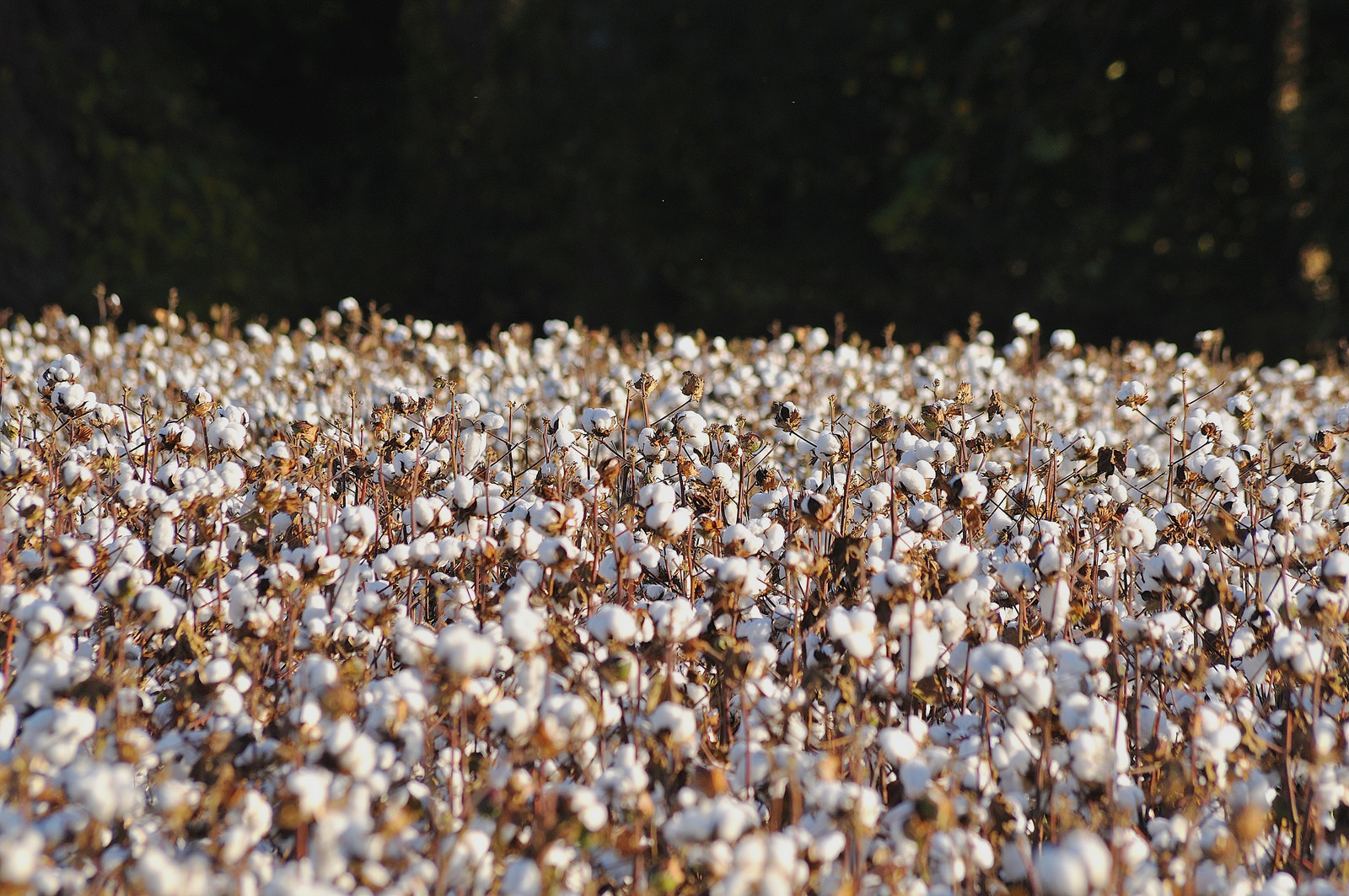
Have you ever wondered how that t-shirt you are wearing now is produced? What does it take to create the material it is made of? And most importantly, how can one t-shirt influence the life of our planet?
Frequent changes of clothes during one season, the so-called “fast fashion”, brings diversity into our appearance but harms our environment. And as the textile industry became one of the most polluting industries in the 20th century, more and more people started wondering what could be done to reduce the impact of this pollution on our life.
Well, let’s start with some statistics. According to Greenpeace, 28,000 people die annually on the cotton plantations from poisoning of the pesticides used in the cultivation of cotton, which are considered to be extremely hazardous by the World Health Organization (WHO). Once the cotton is ready, the finished material is treated with chemical additives for smoothness, bleached and colored by hazardous colorants.
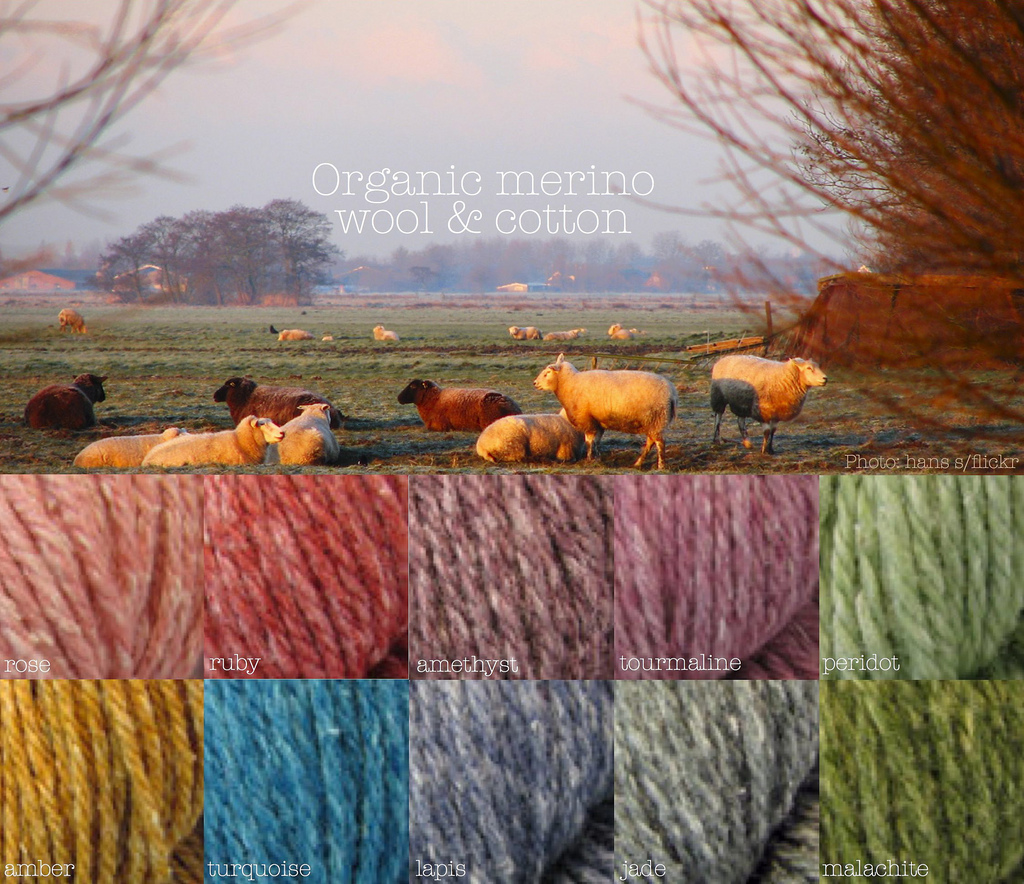 In this photo: Organic merino wool and cotton – Photo credit to Lorna Watt
Not all cotton is produced this way; there is also an organic production of this fabric. However, in reality, the volume of the global organic cotton production is only 0.1% of the total. Even in India, which is famous for its eco-cotton products, 65% does not meet the environmental standards. Similarly, organic wool makes about 0.0008% out of the world’s 1.5 million tons of annual wool production. Finally, silk might contain formaldehyde and chemical disinfectants.
Are you sure you want to have all this touching your bare skin? Most likely, you don’t.
So, is it possible to somehow decrease these scary numbers and lower the use of toxic things in the production? Yes, it is!
It can be done through sustainable fashion, which increases social responsibility and protects our environment. Sustainable fashion is not just a trend; it’s a philosophy, ideology, concept, and lifestyle. Sustainable fashion is also called ethical fashion, as it is produced with an ethical attitude towards people and nature. The main principles of the sustainable fashion are: to reduce, to reuse, and to recycle.
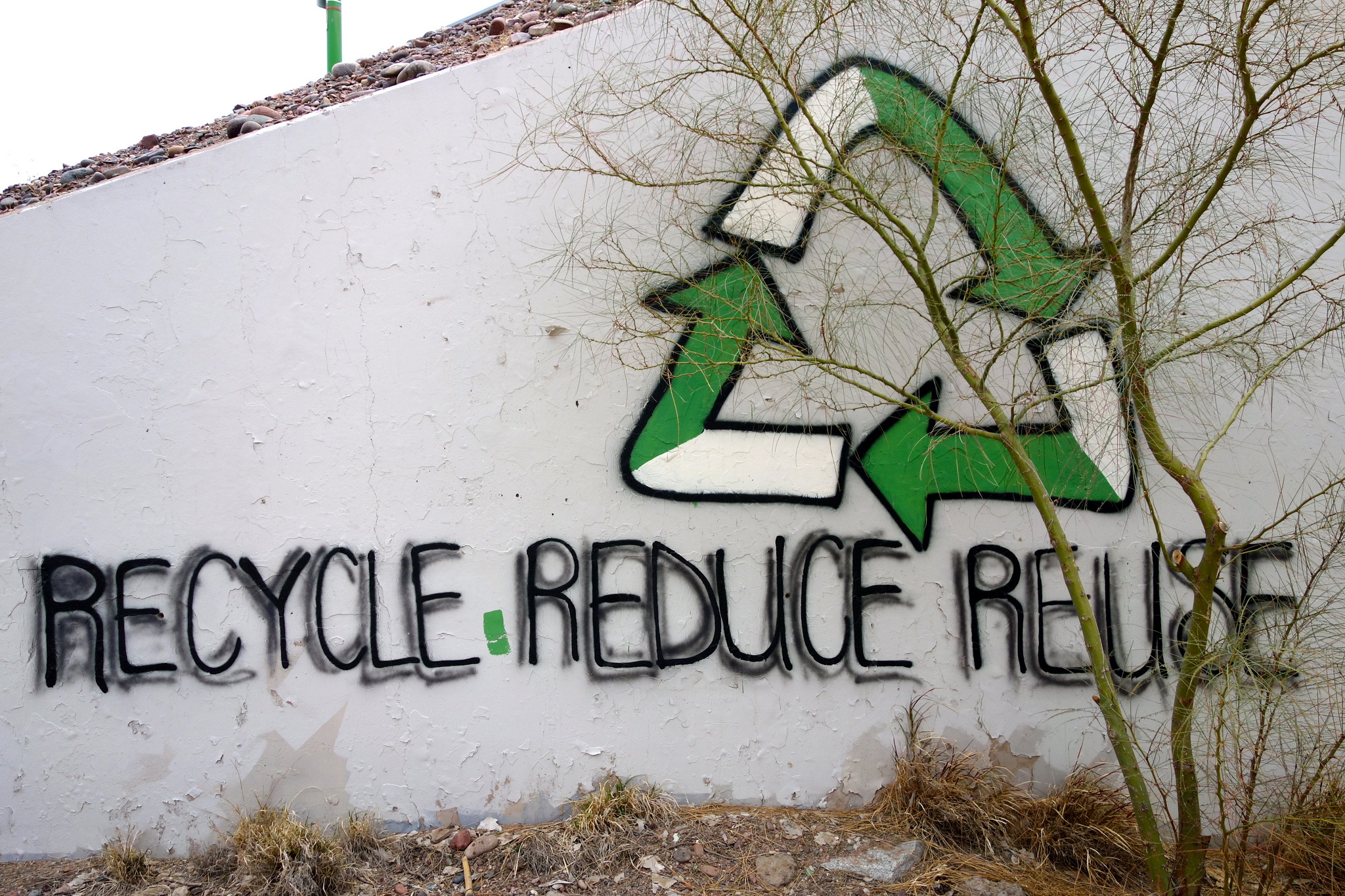 In this photo: Recycle, Reduce, Reuse – Photo credit to Kevin Dooley
The zero-waste trend is what helps to reduce the textile leftovers to the minimum possible. When producing an item of clothing, even the smallest pieces of material that would be thrown away in industrial production are used for decoration or creating new accessories. The zero-waste trend basically has the potential to eliminate the entire idea of waste.
 In this photo: Zero-waste garments and patterns – Photo credit to Arti Sandhu
Reducing is great, but how about reusing? We all have exchanged some clothes with our relatives or friends or given them away to younger members of the family or needy people. Also, some of us like to alter or redesign the clothes, which is a great thing to do, as a piece of clothing gets a second life, so these processes already existed in our society, but we haven’t realized their full potential in terms of environmental caring.
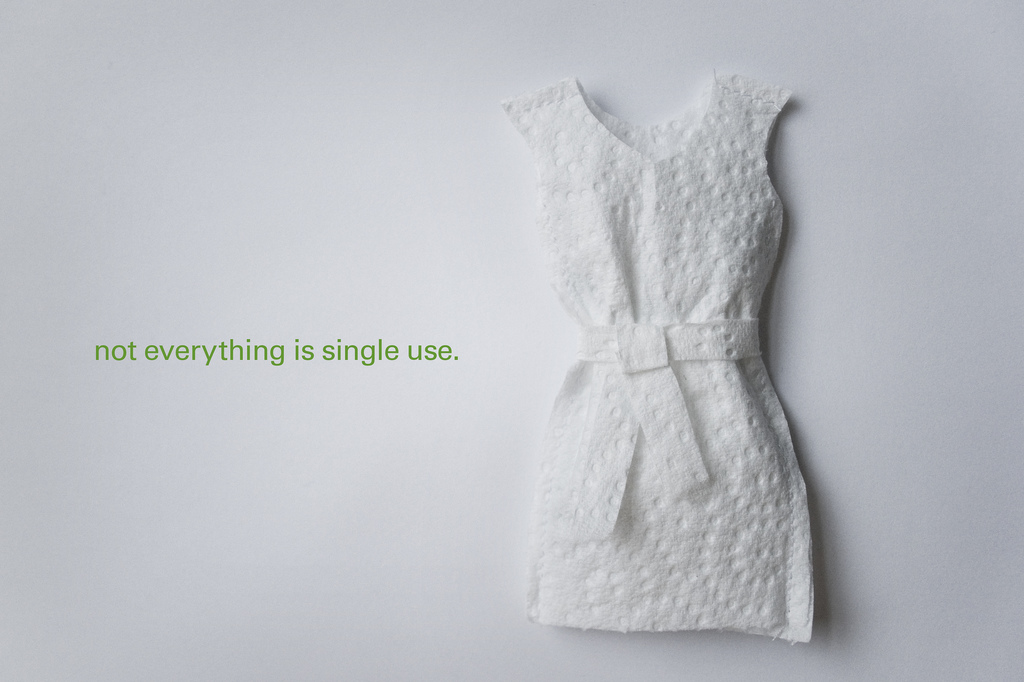 In this photo: Not everything is single use – Photo credit to Lauren Jong
And what role does recycling play in sustainable fashion? Nowadays, many famous brands create their eco-lines with recycled plastic bottles. Their production processes involve the collection of bottles and the subsequent cleaning, removal of labels, shredding and melting of bottles. This process not only saves the raw materials but also reduces the energy consumption to 30%. A great example can be set by Nike, which produces football uniforms for Russian FC Zenit made of recycled plastic bottles. Each set is made by an average of 18 recycled bottles and over the last 5 years, Nike has utilized around 2 billion of the plastic bottles.
 In this photo: Nike uniform for FC Zenit 2015-16 – Photo credit to Nike
We surely will not stop buying new clothes but, as it can be seen, sustainable fashion has so many advantages and benefits, so we should try to follow it up and encourage ourselves to become a little bit more conscious about the future of our environment.
Obviously, eco-production cannot be 100% environmental friendly. Very often material colouring requires at least a minimum amount of chemical additives for securing the color, and the transportation of goods causes the pollution of our environment as well. Nevertheless, eco-production tries to minimize factors that are unfavorable to people and our environment, and at the same time, it causes minimum damage to nature.