In Fiji, the traditional diet of fresh tropical fruits, leafy vegetables and fresh seafood is progressively being replaced with imported, processed foods, high in fat, salt and sugar. The result is an epidemic of obesity (growing most rapidly across Pacific nations) and crippling levels of non-communicable diseases (NCDs), such as stroke, heart disease and diabetes.
Since the government of Fiji implemented a tax on sugary drinks, the beverage industry has resorted to common push-back tactics, declaring taxes would hurt the economy of Fiji: jobs would be lost, communities would suffer.
However, in Fiji, one parent company owns 90% of the beverage industry, with five sister companies producing all beverages, including water, and juice — meaning that a sugary drink tax will only minimally impact the company’s profits and employment, because consumers would buy substitutes for sugary drinks from the same company.
The tax also stacks up, when weighing up the economic benefit of reduced NCDs against any potential loss of prosperity from reduced consumption of sugary drinks.
Fiji’s case provides a lesson for policymakers around the world facing industry lobbying against health taxes.
There is strong political will and commitment to reduce NCDs, which remain the biggest cause of death globally. In 2021, they were responsible for over 40 million deaths — that’s nearly three-quarters of total deaths. Of these deaths, 15 million occurred in the “premature” 30-69 age bracket, people who would otherwise be leading productive lives.
Diet is a key risk factor for NCDs, so taxes on sugary drinks have proved a popular and effective intervention for reducing diet-related NCD risk factors. World Bank figures show that in 2020, more than 40 countries had various sugary drink taxes in place.
Related Articles: Windfall Tax on Covid Profits Could Ease ‘Catastrophic’ Food Crisis, Says Oxfam | What Soda Taxes Tell Us About Lawmaking and Lawmakers
Some countries also tax unhealthy, low nutrient, energy-dense foods. Mexico taxes foods with high energy density, such as fried foods and ice-cream; Denmark, Dominica, Finland and Norway tax chocolate and sweet confectionery.
Researchers worldwide are looking into ways to group, and tax, foods based on how healthy they are, using scientifically based, non-discriminatory nutrient profiling.
Researchers at Imperial College London, UK, are designing taxes that don’t add financial burden to individuals or households, that get distributed equally across income groups, and that are administratively feasible. The resulting policy could nudge consumers to adopt healthier diets without adding to the household food bill, and incentivise industry to reformulate their products to meet healthier nutrition standards. In a similar study into health taxes at Oxford University, UK, researchers are also estimating the planetary health impacts of various tax and subsidy scenarios.
While some policymakers fear these taxes could lead to employment loss and economic downturn, a global study found that most claims of economic downturn come from food and beverage industry-funded reports which used methods to estimate job and economic losses that do not (and cannot) take into account consumer response.
For instance, in Mexico, one study estimated that the combined sugar taxes and energy-dense food tax would cause up to 16,000 job losses — yet a peer-reviewed academic paper using appropriate economic methods found no significant net change to employment.
Similarly, in Philadelphia, USA, one study estimated 1,190 job losses from a sugary drink tax, while another gave a net estimate of no significant change in employment. The conclusion from reviewing studies across the world was that the more robust studies showed negligible job loss and, in some studies, small job gains.
While the food and beverage industry may see initial job losses as consumers’ spending shifts from taxed goods to other goods and services, employment increases in those sectors. Also, government revenue from the tax will subsequently increase government spending in other sectors. Revenue can also be redirected into programmes to improve the livelihood of those impacted by any job loss or into subsidies for healthier foods like fruit and vegetables.
A five-year Global Alliance of Chronic Disease project in Fiji and Samoa is exploring how to scale up food policy interventions to prevent two key NCDs: type-two diabetes and hypertension. The project is consulting development partners, policymakers and community groups about the factors that either support or undermine policies for NCD prevention.
NCDs inflict significant social and economic burden on people, households, communities, health services, employers and governments, leading to reduced labour force productivity and eventual downturn in national income and human capital investment.
Prevention strategies for NCDs are critical, and require a comprehensive package of population-level interventions with a whole-of-society approach. The global analysis and the example of Fiji show that there is little evidence supporting industry claims of economic downturn. Instead, in addition to health and productivity benefits, there are significant economic benefits through revenue raised and health costs saved. taxes sugary
— —
This article was originally published under Creative Commons by 360info™.
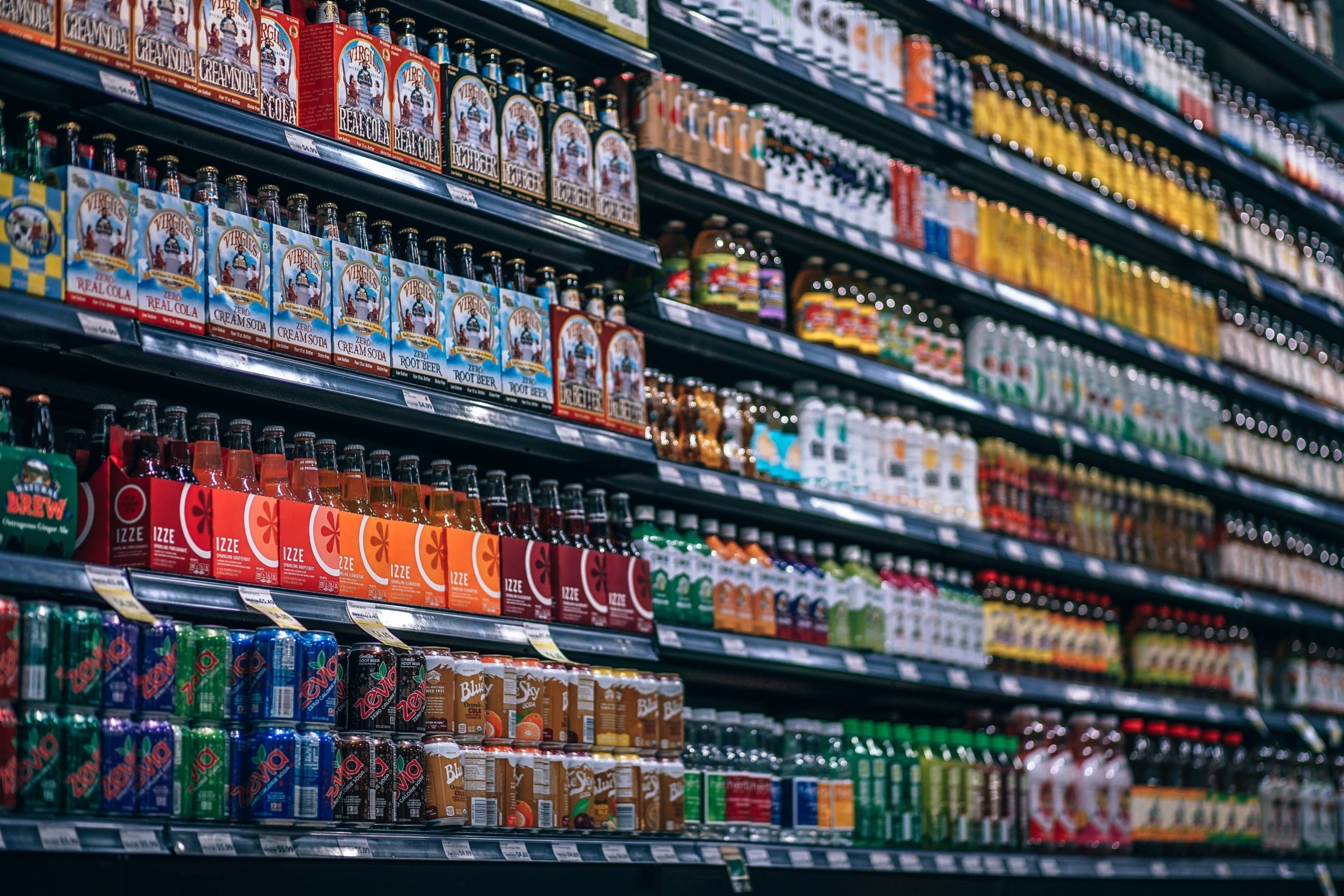
Editor’s Note: The opinions expressed here by the authors are their own, not those of Impakter.com — In the Featured Photo: Drinks at a store. Featured Photo Credit: Igorovsyannykov.