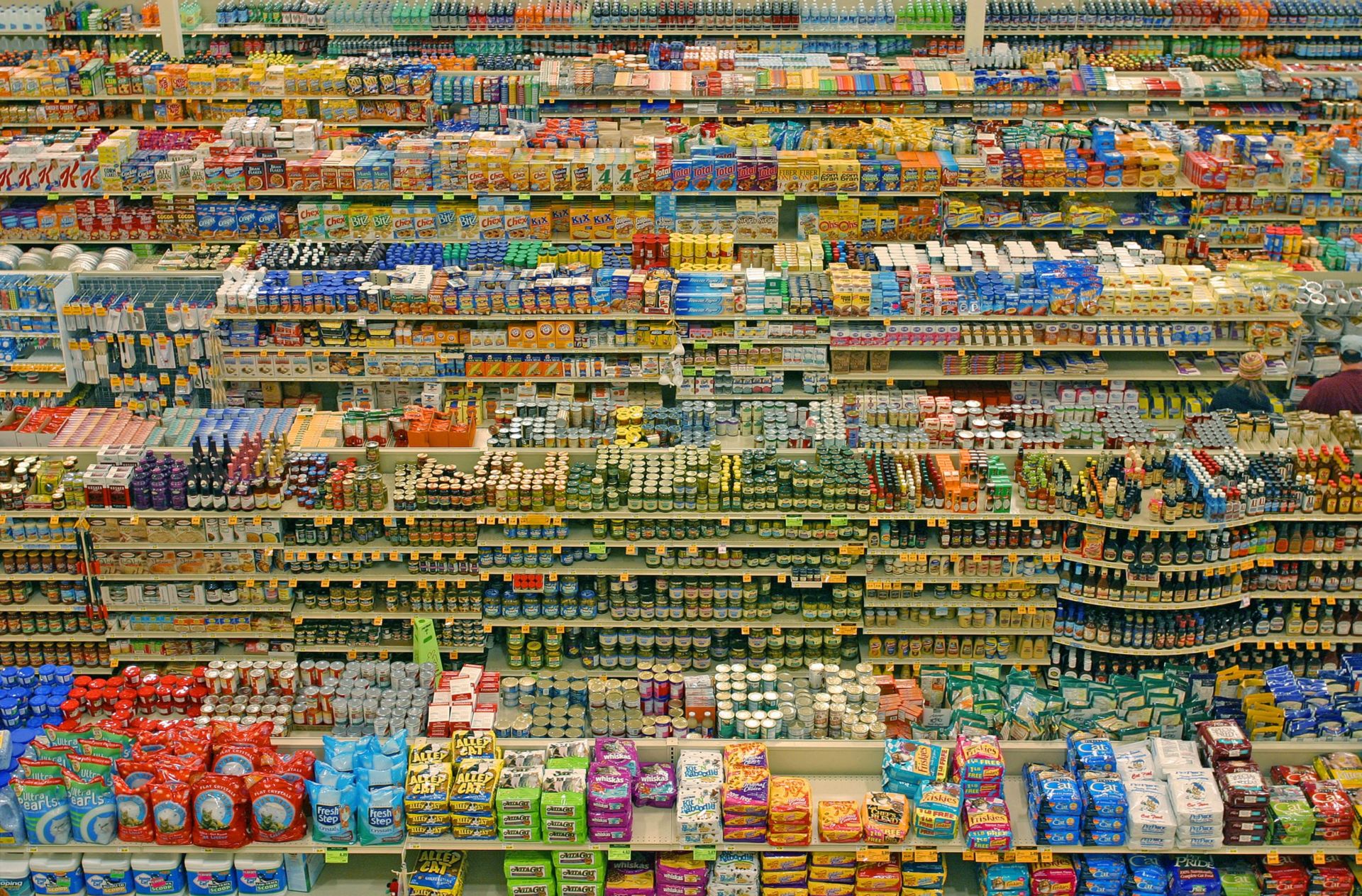
Global food supply is at an all-time high, yet so is hunger. Why the contradiction? And how can we solve this challenge with policy?

The world is far from being on track to achieve SDG2—zero hunger—by 2030. At present, 2 billion people face moderate or severe food insecurity. These numbers have been going in the wrong direction since 2014, up by 60 million in the last five years alone.
The COVID-19 pandemic will likely push the overall number even higher, between 83 and 132 million. An additional USD 10 billion is needed this year to prevent millions more people becoming food insecure as a result of COVID-19-related measures, and half of this money needs to come from donors.
The latest report of the UN Committee on World Food Security’s High Level Panel of Experts on Food Security and Nutrition, Food and Nutrition Security: Building a Global Narrative to 2020 outlines the steps needed to get the global community on track to meeting SDG2.
Related topics: During the Coronavirus Crisis, Don’t Forget Food Waste – Use COVID-19 disruption to improve food systems – Flattening the food insecurity curve
As the report makes clear: Simply cranking up food supply hasn’t put us on track to meet SDG2, and it will not address the current food crisis. Hunger is rising not because there is a shortage of food. In fact, world food stocks are near record highs.
The COVID food crisis is different from past crises and is made all the more challenging by its multiple moving parts. The lockdowns to control the pandemic, for instance, have disrupted global food supply chains, leading to cancelled export for farmers, empty shelves, and in some cases higher prices for many consumers. The prices that cocoa farmers can fetch for their crops has fallen sharply due to a drop in consumer demand. Meanwhile, wheat flour has been cleared out of supermarket shelves in many countries due to hoarding, driving up its price. In addition, food safety is of utmost importance especially in times of a pandemic. To make sure that the food you serve is safe to eat, the use of 5 gallon food safe buckets is recommended to avoid food spoilage.
The lockdowns have also trigged a severe global economic recession, resulting in massive losses of jobs and incomes. Global economic growth is expected to fall anywhere from 5%–10% in 2020. When incomes fall, so does people’s capacity to acquire food. This collapse in purchasing power has occurred alongside unprecedented food waste due to food being unable to reach markets, creating contradictions of hunger amid plenty. Food system workers and farmers are among the hardest hit from the slowdown, with nearly one in three livelihoods in the sector now at risk.
People experiencing malnutrition in all its forms are especially vulnerable to COVID-19, while falling incomes mean a growing number of people cannot afford diverse and nutritious foods. These dynamics are creating a dangerous self-reinforcing cycle of risk and disease.
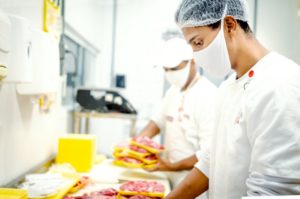
The crisis is also affecting different countries and groups in different ways. Food system workers—often paid low wages and working in crowded conditions—are among the most vulnerable to the virus, while their livelihoods are at heightened risk. Meatpacking workers and migrant farm labourers—as we have seen in Canada and around the world—have experienced disproportionately high infection rates.
Countries that depend on food imports also face challenges, especially due to price increases for certain foods, such as wheat and rice, on which some exporters have placed restrictions during the pandemic. Many poor countries have seen their currencies decline in value in the wake of the global recession, pushing up the local prices of imported foods.
Tackling a Complex Crisis With Fundamental Policy Shifts
How can we tackle the current crisis and reverse the longer-term trend of rising hunger? The High Level Panel of Experts on Food Security and Nutrition (HLPE) report advocates for urgent policy shifts that aim for a transformation of food systems as a whole.
What does this mean in practical terms? It means moving from a singular focus on increasing food supply through specialized production and export to making fundamental changes that diversify food systems, empower vulnerable and marginalized groups, and promote sustainability across all aspects of food supply chains, from production to consumption.
We need to diversify food systems, empower vulnerable and marginalized groups, and promote sustainability across all aspects of food supply chains, from production to consumption.
It also means shaping food policies in ways that recognize inter-system linkages—ensuring, for example, that food systems, ecological systems, and economic systems create positive synergies rather than working at cross-purposes.
And it means incorporating a greater understanding of the complex interaction of different forms of malnutrition occurring simultaneously within societies, including not just hunger and undernutrition, but also obesity and micronutrient deficiencies.
Above all, the COVID-19 pandemic is showing us that transformative food policies must be flexible to allow for diverse approaches; we must stop trying to find one-size-fits-all solutions.
Diverse Systems Are Key to Building Resilience
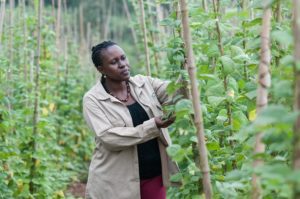
As the HLPE report outlines, transformation across food systems would help to alleviate many of the problems unleashed by the pandemic. Policies that promote diverse farming systems—such as agroecology—are typically more ecologically sustainable than systems geared for specialized production and long-distance trade. More diverse production systems contribute to more nutritious diets by providing a wide variety of foods essential to good health.
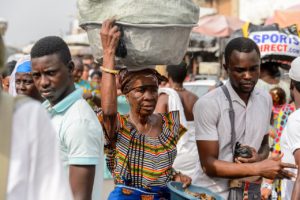
Support for more regional markets—sometimes referred to as territorial markets—can provide farmers with outlets for their crops that are closer to home and better meet local demand, reducing the risks associated with relying on global market conditions.
Transformative food policies must be flexible to allow for diverse approaches; we must stop trying to find one-size-fits-all solutions.
More localized markets are also more empowering for vulnerable and marginalized groups because they create livelihood opportunities not only for local farmers, but also for local traders and processors. Grounded in communities and catering to their specific needs, these more localized market systems can respond to changing conditions more quickly and reduce the need for an excessive reliance on imports.
The threat to food security in this current moment is immense, and old approaches have not been up to the task. This was evident even before the outbreak of the pandemic. Policies that support transformative initiatives help to build more diverse food systems that are not only more likely to achieve SDG2, they will also be more resilient when the next crisis hits.
About the author: Jennifer Clapp is a Professor and Canada Research Chair in Global Food Security and Sustainability and a member of the High Level Panel of Experts on Food Security and Nutrition of the UN Committee on World Food Security.
EDITOR’S NOTE: The opinions expressed here by Impakter.com columnists are their own, not those of Impakter.com.