Impakter
  • Environment
    • Biodiversity
    • Climate Change
    • Circular Economy
    • Energy
  • FINANCE
    • ESG News
    • Sustainable Finance
    • Business
  • TECH
    • Start-up
    • AI & Machine Learning
    • Green Tech
  • Industry News
    • Entertainment
    • Food and Agriculture
    • Health
    • Politics & Foreign Affairs
    • Philanthropy
    • Science
    • Sport
  • Editorial Series
    • SDGs Series
    • Shape Your Future
    • Sustainable Cities
      • Copenhagen
      • San Francisco
      • Seattle
      • Sydney
  • About us
    • Company
    • Team
    • Partners
    • Write for Impakter
    • Contact Us
    • Privacy Policy
No Result
View All Result
  • Environment
    • Biodiversity
    • Climate Change
    • Circular Economy
    • Energy
  • FINANCE
    • ESG News
    • Sustainable Finance
    • Business
  • TECH
    • Start-up
    • AI & Machine Learning
    • Green Tech
  • Industry News
    • Entertainment
    • Food and Agriculture
    • Health
    • Politics & Foreign Affairs
    • Philanthropy
    • Science
    • Sport
  • Editorial Series
    • SDGs Series
    • Shape Your Future
    • Sustainable Cities
      • Copenhagen
      • San Francisco
      • Seattle
      • Sydney
  • About us
    • Company
    • Team
    • Partners
    • Write for Impakter
    • Contact Us
    • Privacy Policy
No Result
View All Result
Impakter
No Result
View All Result

Soil Health Is Key Component of Healthy Food System, Says Jeff Tkach of Rodale Institute

byJason Woods
July 12, 2021
in Climate Change, Environment, Food and Agriculture, Health, SDG Series, Society

This article is part of an editorial collaboration with Heifer International. It was first published on the Heifer International blog. 


Healthy soil is the foundation to rebuilding the food system in the United States according to Rodale Institute’s Jeff Tkach.
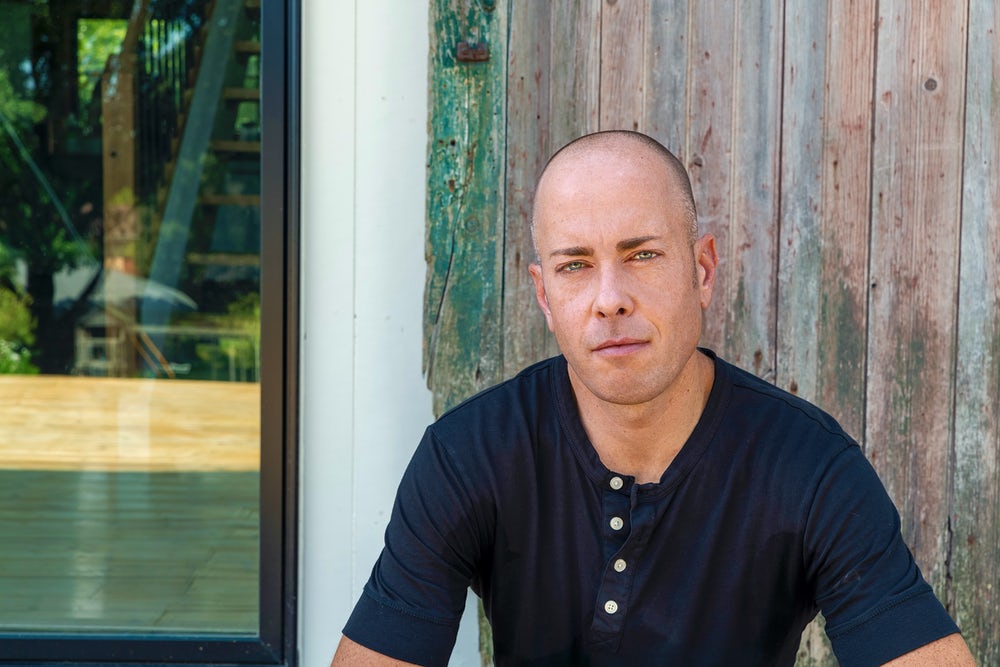
In the Photo: A portrait of Jeff Tkach. Photo Credit: Rodale Institue.

“Soil health is everything,” said Tkach, the organization’s chief impact officer. Today, 70% of the crops grown in the U.S. are cereal grains used to feed livestock. Often, the practices used to grow those crops drastically diminish soil health, with monocropping and high use of pesticides destroying the land to prioritize cash crops.

The way we’ve managed our soils nationally and globally has been perilous, Tkach said in a March 3 discussion with Heifer International CEO Pierre Ferrari. The most damaging agricultural practices in the Rodale Institute’s assessment are: using pesticides and herbicides to manage weeds and pests, over-tilling the soil and monocropping. All three practices degrade the biodiversity of soils. But Tkach emphasizes that farmers should not shoulder the blame.

“Farmers are not the villain,” Tkach said. “We demonize farmers as chemical users, but farmers have delivered what we as consumers have demanded. At the grocery store, we have demanded cheap food.

But increasingly, consumers are demanding healthier food. While only 1% of U.S. cropland is currently certified organic, the industry reached more than $50 billion in sales last year. Tkach says we need to unlock barriers for farmers and incentivize the transition from conventional agriculture. Farmers need long-term contracts and guaranteed markets coupled with technical assistance and policy shifts.


Related Articles: Soil Health, Fertiliser Use and Agricultural Sustainability | What Is Happening To Our Soil?

At the same time, 75% of the country’s $3 trillion annual healthcare expenditure is related to preventable lifestyle diseases including heart disease and type 2 diabetes. To end malnutrition, prevent disease and improve global health, the Rodale Institute believes we must focus on food and farming systems that improve soil health.
In the Photo: Rodale Institute logo. Photo Credit: Rodale Institue.

The Rodale Institute was founded in 1947 by J.I. Rodale in order to prove his theory that healthy soil equals healthy food, which equals healthy people. Since then, the organization has been a leader in research and promotion of regenerative organic agriculture, a farming method that rehabilitates the land, leaving soil richer and more productive and the ecosystem healthier.

To that end, in the first partnership of its kind, Rodale is working with global food giant Cargill and poultry company Bell & Evans to transition 50,000 acres of corn and soy to organic.

“The vast amount of land [in the U.S.] is controlled by big grain farmers,” Tkach said. “If we’re going to mitigate the effects of climate change and soil [degradation] and truly change farming in this country, you have to go where the big acres are.”

Additionally, for about 40 years, Rodale Institute has collected data through its Farming Systems Trial, the longest-running side-by-side comparison of organic and conventional grain cropping systems in North America. The Institute also has its own regenerative organic certification and is working with brands like Patagonia and Dr. Bronner’s to promote certified products.

The soil health discussion with Jeff Tkach was a part of a speaker series, #HeiferTogether, which addresses the state of farmers around the world during the COVID-19 pandemic. In the live, 20-minute virtual conversations, Heifer CEO Pierre Ferrari and other leaders from the organization talk to experts about the present and future of our global food and farming systems, small farming in the United States, tech in agriculture, farming as it relates to the environment, and more.


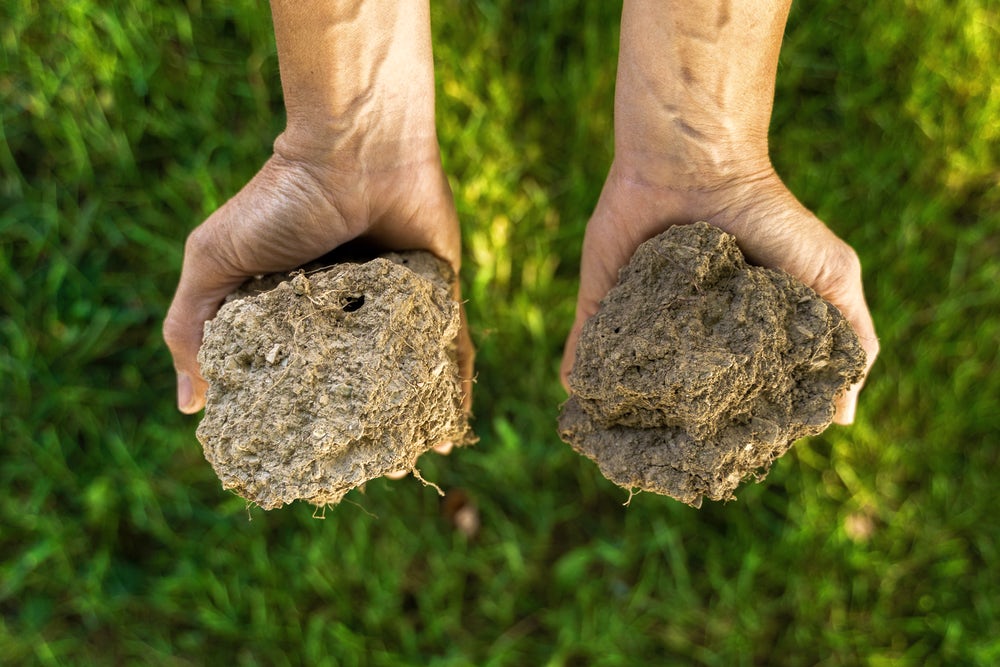
Editor’s Note: The opinions expressed here by Impakter.com columnists are their own, not those of Impakter.com. — In the Featured Photo: A comparison of soil used in traditional agriculture (left) and organic agriculture (right). Featured Photo Credit: Rodale Institute.
Previous Post

One Health Needs Global Recognition: A Call for Superstars to Come Forward

Next Post

Becoming a Model Climate Action City: The Journey of Pasig, Philippines

Related Posts

Nasa picture of night on Earth with thousands of lights
AI & MACHINE LEARNING

AI’s Carbon Footprint Is Also a Geography Problem

March 13, 2026
Regulatory Updates from EU Nuclear stance, AI Copyright, UK Carbon Net Zero Buildings, and US Tariffs Refunds by Customs and Border Protection
AI & MACHINE LEARNING

The Tariff Refund Saga Unfolds in Court

March 13, 2026
Fossil Fuel Pollution’s Effect on Oceans Comes With Huge Costs
Climate Change

Fossil Fuel Pollution’s Effect on Oceans Comes With Huge Costs

March 13, 2026
Next Post
Becoming a Model Climate Action City: The Journey of Pasig, Philippines

Becoming a Model Climate Action City: The Journey of Pasig, Philippines

Recent News

ESG news: Trump administration's new move to enforce tariffs; Apple's App Store commission cuts; Canada's job market; and Glencore refinery workers' strike.

60 Nations Caught in New US Trade Crosshairs

March 13, 2026
Nasa picture of night on Earth with thousands of lights

AI’s Carbon Footprint Is Also a Geography Problem

March 13, 2026

Impakter informs you through the ESG news site and empowers your business CSRD compliance and ESG compliance with its Klimado SaaS ESG assessment tool marketplace that can be found on: www.klimado.com

Registered Office Address

Klimado GmbH
Niddastrasse 63,

60329, Frankfurt am Main, Germany


IMPAKTER is a Klimado GmbH website

Impakter is a publication that is identified by the following International Standard Serial Number (ISSN) is the following 2515-9569 (Printed) and 2515-9577 (online – Website).


Office Hours - Monday to Friday

9.30am - 5.00pm CEST


Email

stories [at] impakter.com

By Audience

  • TECH
    • Start-up
    • AI & MACHINE LEARNING
    • Green Tech
  • ENVIRONMENT
    • Biodiversity
    • Energy
    • Circular Economy
    • Climate Change
  • INDUSTRY NEWS
    • Entertainment
    • Food and Agriculture
    • Health
    • Politics & Foreign Affairs
    • Philanthropy
    • Science
    • Sport
    • Editorial Series

ESG/Finance Daily

  • ESG News
  • Sustainable Finance
  • Business

About Us

  • Team
  • Partners
  • Write for Impakter
  • Contact Us
  • Privacy Policy

© 2026 IMPAKTER. All rights reserved.

No Result
View All Result
  • Environment
    • Biodiversity
    • Climate Change
    • Circular Economy
    • Energy
  • FINANCE
    • ESG News
    • Sustainable Finance
    • Business
  • TECH
    • Start-up
    • AI & Machine Learning
    • Green Tech
  • Industry News
    • Entertainment
    • Food and Agriculture
    • Health
    • Politics & Foreign Affairs
    • Philanthropy
    • Science
    • Sport
  • Editorial Series
    • SDGs Series
    • Shape Your Future
    • Sustainable Cities
      • Copenhagen
      • San Francisco
      • Seattle
      • Sydney
  • About us
    • Company
    • Team
    • Partners
    • Write for Impakter
    • Contact Us
    • Privacy Policy

© 2026 IMPAKTER. All rights reserved.