Our cities are hotbeds of inspiration, connection and breathtakingly brilliant ideas. They have given us so much – but they also account for 80% of global carbon emissions, and are growing fast. Millions of people leave the countryside every year, packing their bags and heading off in search of work, education and opportunities. Everyone has the right to a better life. But this dash to the city could fuel the climate emergency, creating yet more emissions.
However, if we challenge the worst features of our cities – make them greener, calmer, more equal and less impersonal – perhaps we can turn them into beacons of hope that lead, not delay, climate action. This won’t just tackle Sustainable Development Goal 11, better cities and communities, but all of today’s biggest problems.
At Ashden we scour the world to find people and organisations reducing emissions while making cities better places to live, work and travel, honouring the very best at our annual Ashden Awards. Our rigorous research and judging process has uncovered scores of brilliant sustainable energy innovators right around the globe.
Their success shows the power of working towards systemic change, rather than tweaking what feels familiar and comfortable. This approach is the only way we can tackle the climate emergency with the limited time we have left. Creating liveable cities is a virtuous circle – as people embrace the benefits of sustainable energy, and see real, fast improvements in their own lives, they’ll open their minds (and wallets) to support further climate action.
Bold initiatives by companies, local governments and community groups are transforming the fabric and rhythms of our cities. By re-thinking the building blocks of urban life, these innovators show us what a city can – and should – be, overturning four urban myths along the way.
Myth one: Cars are king of the road
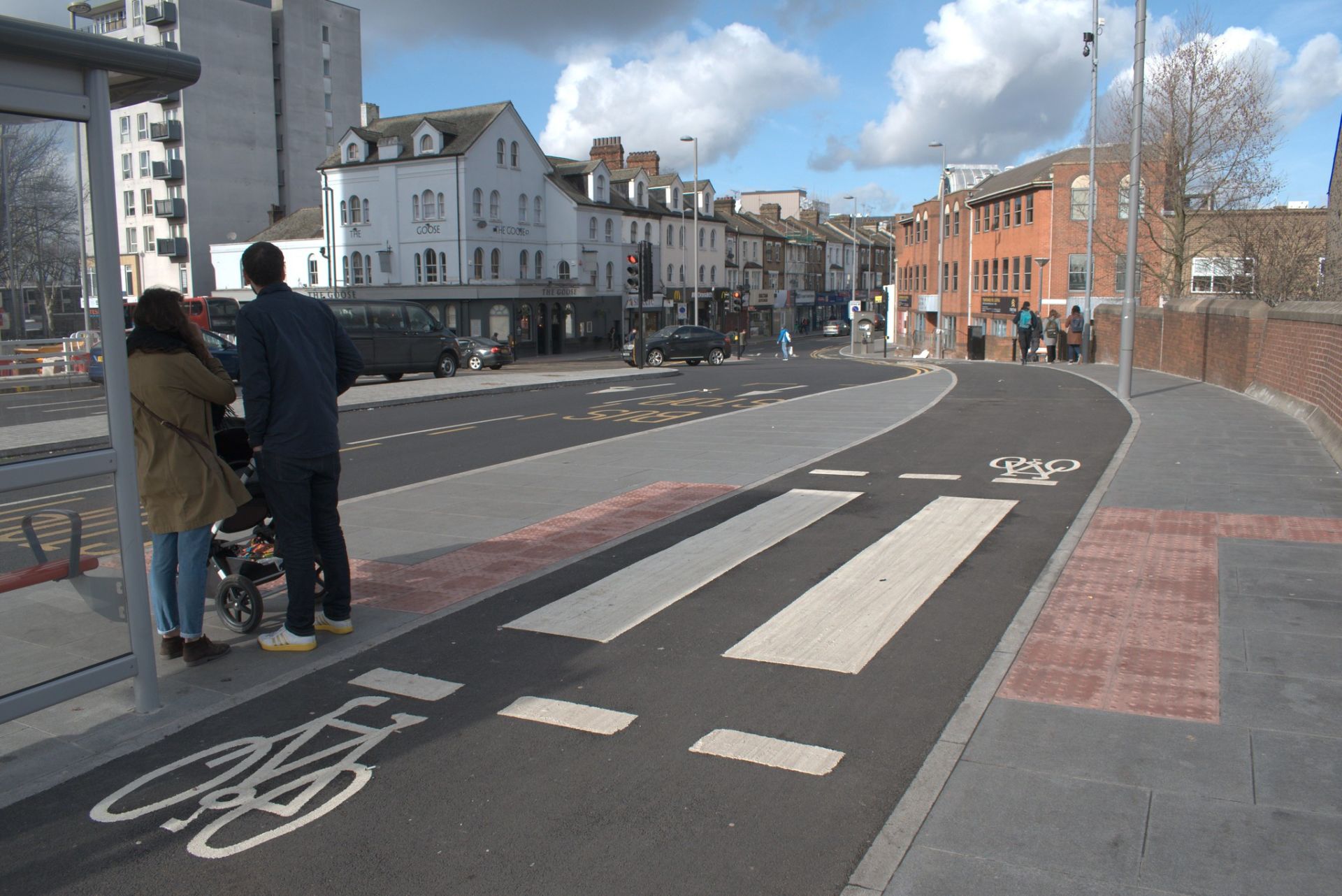
Twentieth century cities were designed for the convenience of drivers – but this approach has brought us clogged streets and deadly air pollution. The London Borough of Waltham Forest has taken a radical approach to boost active travel such as walking and cycling, powering on despite initial public opposition. Road closures and re-designs, bike storage and awareness campaigns have created better health and an environment local people are proud of. This work has raised the life expectancy of children in the borough by six weeks, according to research by King’s College London.
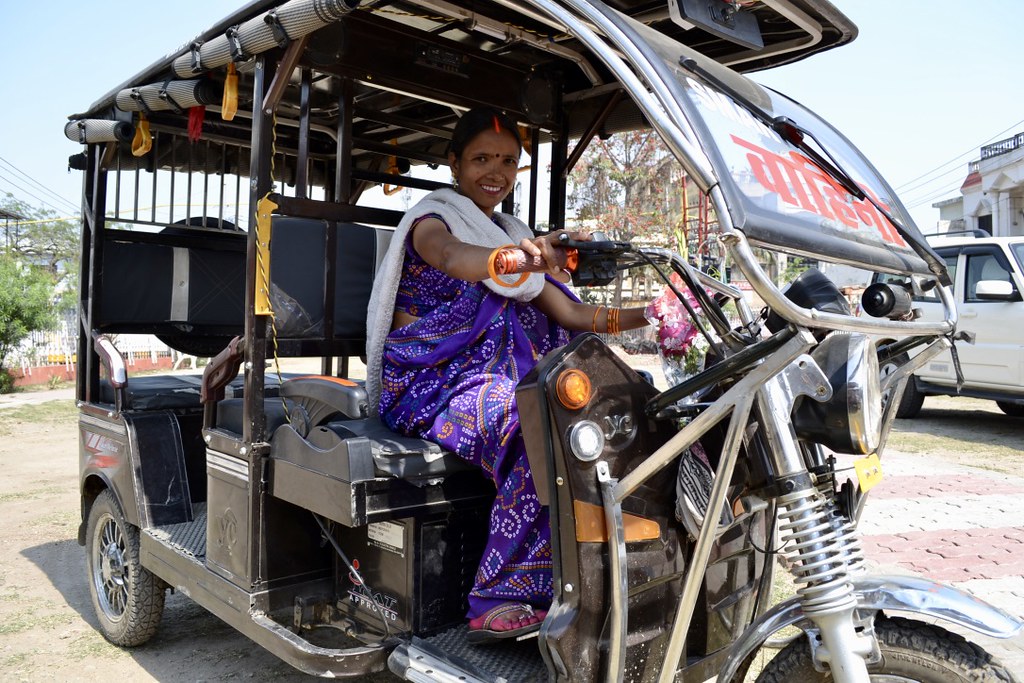
India has some of the most polluted cities on earth, and the growing use of private cars is making the problem worse. SMV Green is encouraging the use of electric rickshaws, a cleaner form of transport. The enterprise help some of India’s most marginalised urban residents – including women – earn a living as rickshaw drivers.
SMV Green is creating radical change in an often exploitative industry. A supportive loan system means drivers can eventually own their own vehicles, and women customers feel safer too. Across India, cities are banning or limiting licenses for new diesel rickshaws – while the electric rickshaw market is expected to grow by 9% a year.
Myth two: Trees are a luxury
After enduring years of high crime and violence, the Colombian city of Medellín faces a new threat – rising urban temperatures. The city’s response brings communities together, planting vegetation to create a better environment.
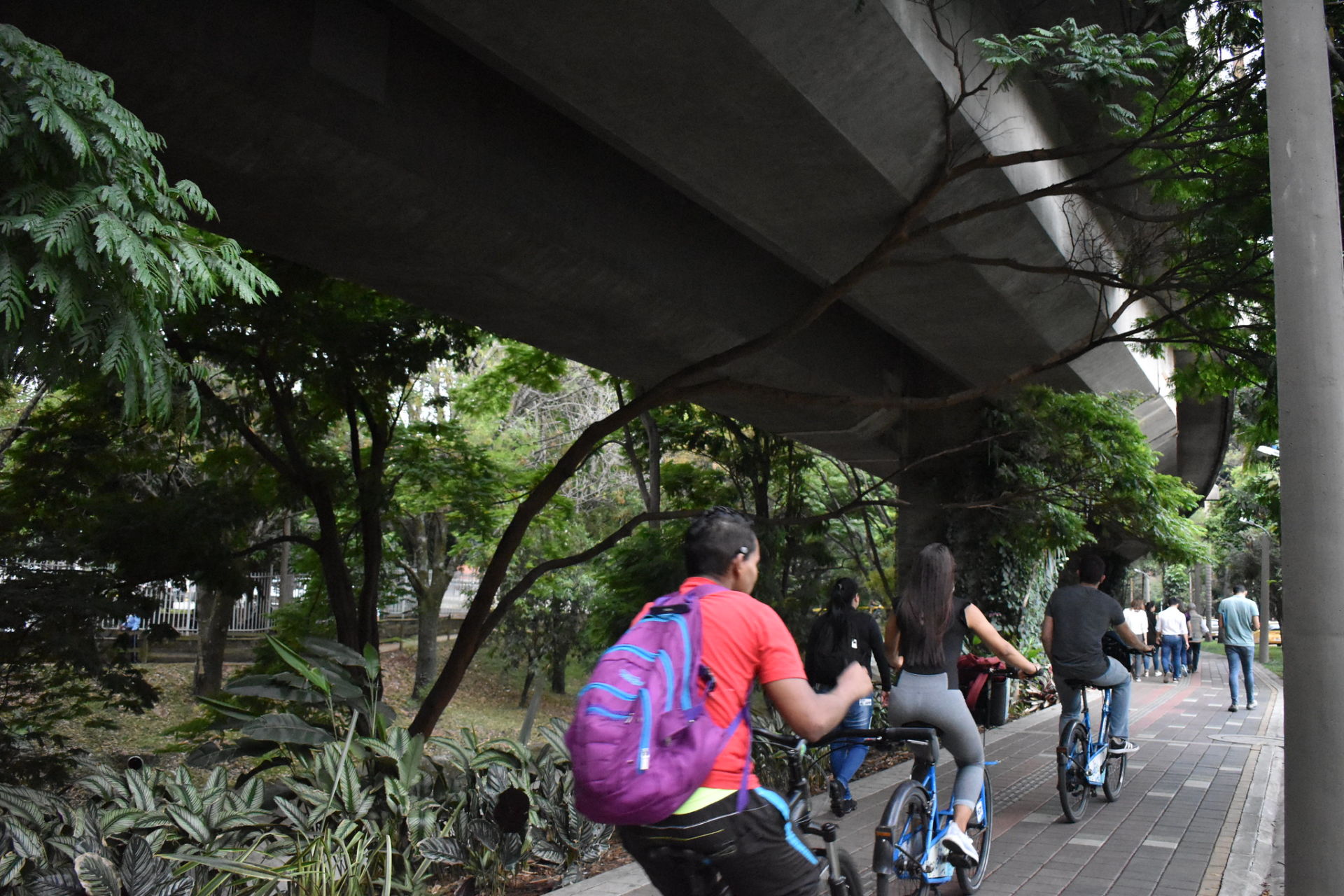
The Green Corridors project is led by the city’s dynamic mayor. It shades cyclists and pedestrians, cools built up areas and cleans the air along busy roads. The city’s botanical gardens train people from disadvantaged backgrounds to become city gardeners and planting technicians, and former rubbish dumps once haunted by drug dealers have been turned into children’s playgrounds. Temperatures have fallen by two or three degrees Celsius in places, with bigger reductions expected in the future as the trees and plants grow.
Myth three: Old buildings can’t be green
Cities change fast, often shaped by property developers focused on profit. Too often old homes, streets and even whole neighbourhoods are left to rot – tenants face physical and mental health problems as they shiver through winter, while gleaming high-rise blocks spring up just down the road. Some people claim such change in the name of sustainability, with inefficient buildings written off in favour of new, greener designs. But putting these up has a huge carbon impact.
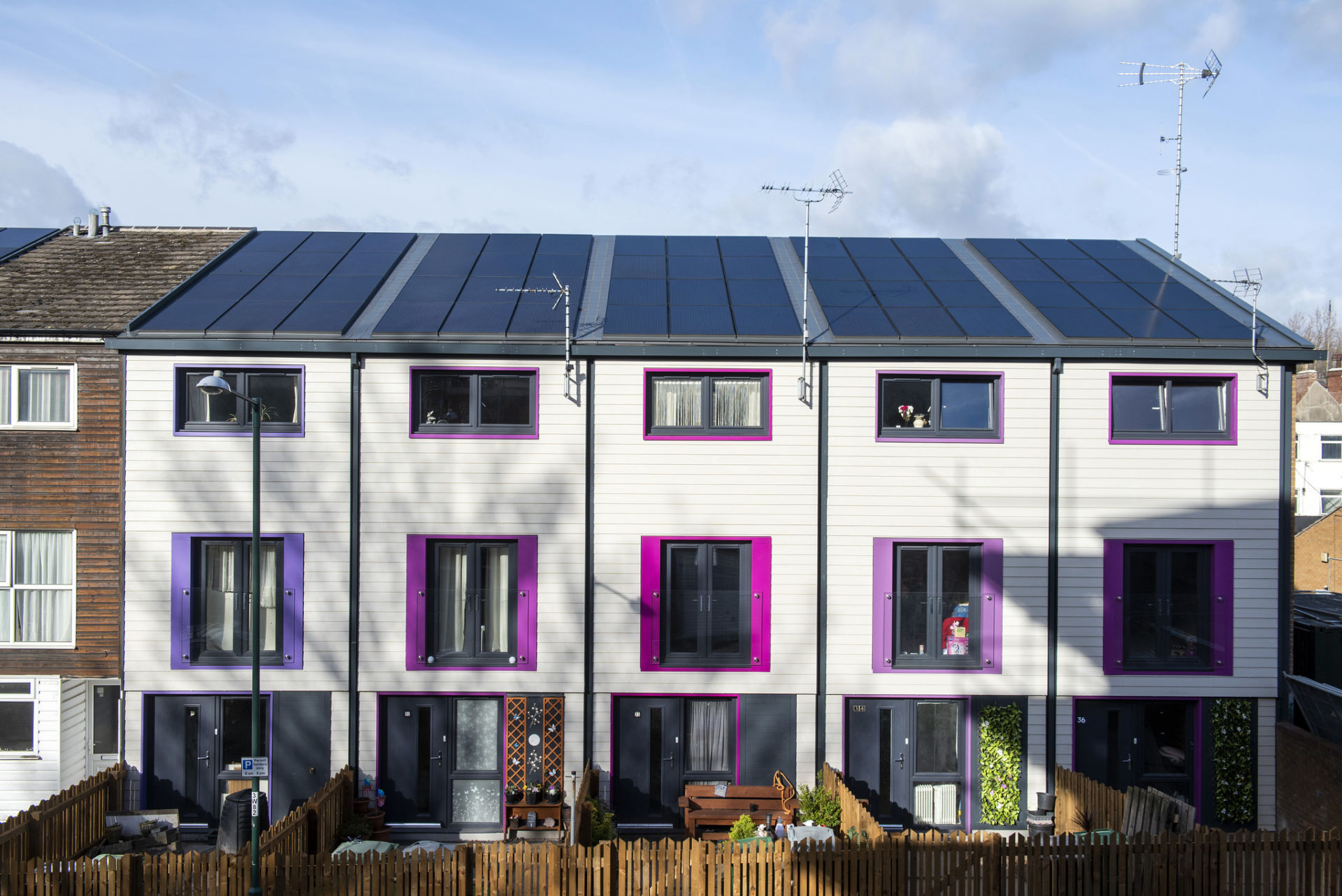
Energiesprong is an innovative approach to improving poorly insulated and draughty social housing, making it more energy-efficient and comfortable. Off-site manufacturing allows whole-house retrofits to be done quickly and with minimum disruption to tenants. The work comes with a 30-year energy performance guarantee – and creates an attractive, warmer home people are keen to live in and which is better for their health. The work has been completed on about 5,000 homes, with plans to tackle 20,000 more in Europe and North America.
Myth four: Offices must be miserable
As our cities grow, more people face the prospect of working in stuffy, hot or freezing cold offices. Poor heating and cooling is bad for our mental and physical health, and inefficiencies lead to wasted energy, as well as dwindling productivity. Untended HVAC units lead to higher cost and usage without efficiency. In such instances, it pays dividends to hire experts, like air conditioning Western Sydney, to take care of such HVAC concerns. You can visit sites like https://siriuspac.com/plano-air-conditioning-services/ to see if they can maintain your units. Surging use of air conditioning is contributing to outdoor air pollution that causes 4.2 million early deaths a year. So, if you’re really interested in finding out more about AirNow Cooling & Heating, you can find their website here.

Chinese software company Equota Energy uses artificial intelligence and ‘big data’ technology to make buildings including huge shopping malls and high rise blocks more energy efficient. Better heating and cooling creates happier staff, lowers energy bills and cuts pollution in cities – all without any intrusive equipment or installation work.
Building better cities
These companies – all winners of Ashden Awards – have ideas ready to be scaled up or copied in cities around the world. But in many cases, this will only be done with support from committed investors willing to back radical, system-disrupting innovation. We need these investors to take risks and step up – and we need governments and civil society to create an environment that supports them.
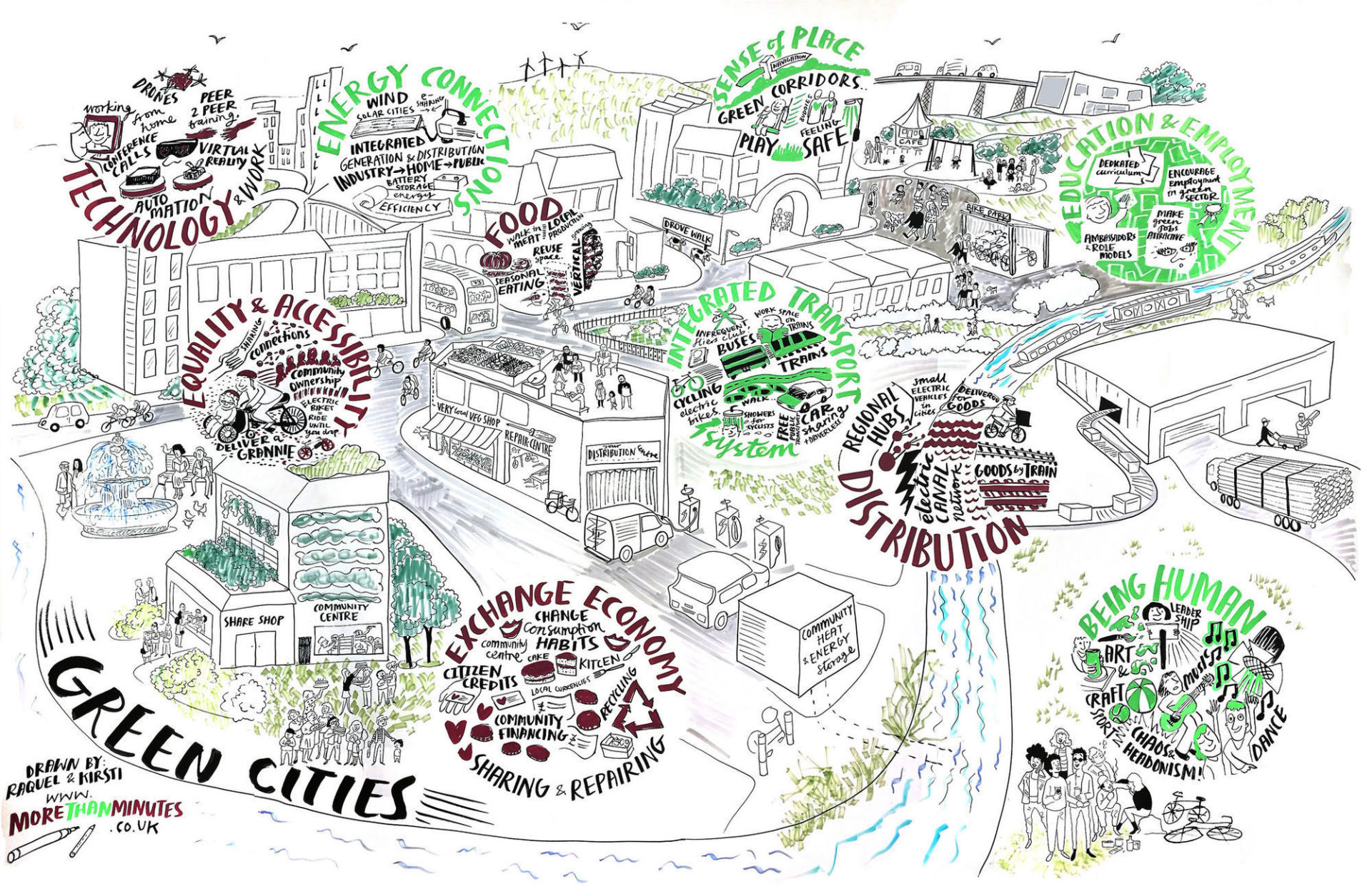
City leaders need to step up too, and realise that smart climate action can be a people-pleasing vote winner, especially when it brings other benefits such as better health or more jobs. The free Ashden Climate Action Co-benefits Toolkit is a great place for authorities to start – it’s packed with case studies, resources and practical advice. The changes it suggests can bring huge benefits for the most marginalised people in our cities, ensuring a ‘just transition’ where decarbonisation happens fairly – and even reduces inequality and social problems.
With their unstoppable dynamism, cities have always fostered progress. Think of the scientific breakthroughs in 9th Century Baghdad or 15th Century Florence, or demands for workers’ and women’s rights sweeping the meeting halls of US cities in the 19th Century.
This tradition continues today, with the Sunrise Movement in the US and Extinction Rebellion protests in the UK and beyond. And the best cities are responding to calls for action. San Francisco has put addressing the climate emergency at the heart of its budget decisions, while New York is showing leadership with offshore wind projects, grid modernisation and a pioneering bill aimed at cutting building emissions.
Cities have brought us huge benefits. Today’s urbanisation can still bring those benefits, but we need to tackle some massive problems head on. If we do, we can create fairer, happier, more sustainable cities – cities we are all proud to call home.