The UN sustainable development goals are the framework within which organisations, like the European Training Foundation, that support developing and transition countries in offering a decent life to their citizens, operate. The 17 goals adopted in 2015 set detailed targets for key aspects of human, social and economic development in a perspective of environmental and social sustainability. As we know from our own history in the developed world, economic expansion can have huge social and environmental costs. If we want to bring the whole world to the same level of development, it is imperative that we find ways of achieving this in a sustainable way. Economic growth needs to create value for citizens and society at large, in terms of decent living and working conditions, freedom from want and insecurity, opportunity to realise their potential and play an active part in society. And as the world gets richer, we cannot afford to undermine the very ground we all stand on. The health of the planet is a global concern for all of us everywhere.
Preparing for an unpredictable future
Our efforts to support countries in achieving these goals, takes place against the background of a world in rapid mutation. Technological change, economic and financial globalisation, demographic imbalances and migration create a volatile environment in which countries seek to better the lives of their citizens. Rapid, unpredictable and disruptive change brings dangers, but also creates opportunities for those who are prepared to seize them.
Preparing people for an unpredictable future, providing them with the skills they will need to adapt to change and be successful in the fast moving labour markets of tomorrow was the focus of the European Training Foundation’s recent conference Skills for the Future: Managing Transition held in Turin on 21-22 November 2018. The focus was not so much on speculating about what the future holds for the countries in which the European Training Foundation works, but on looking at what countries can do now to make their education, training and labour market systems flexible and adaptable to meet the needs of tomorrow.
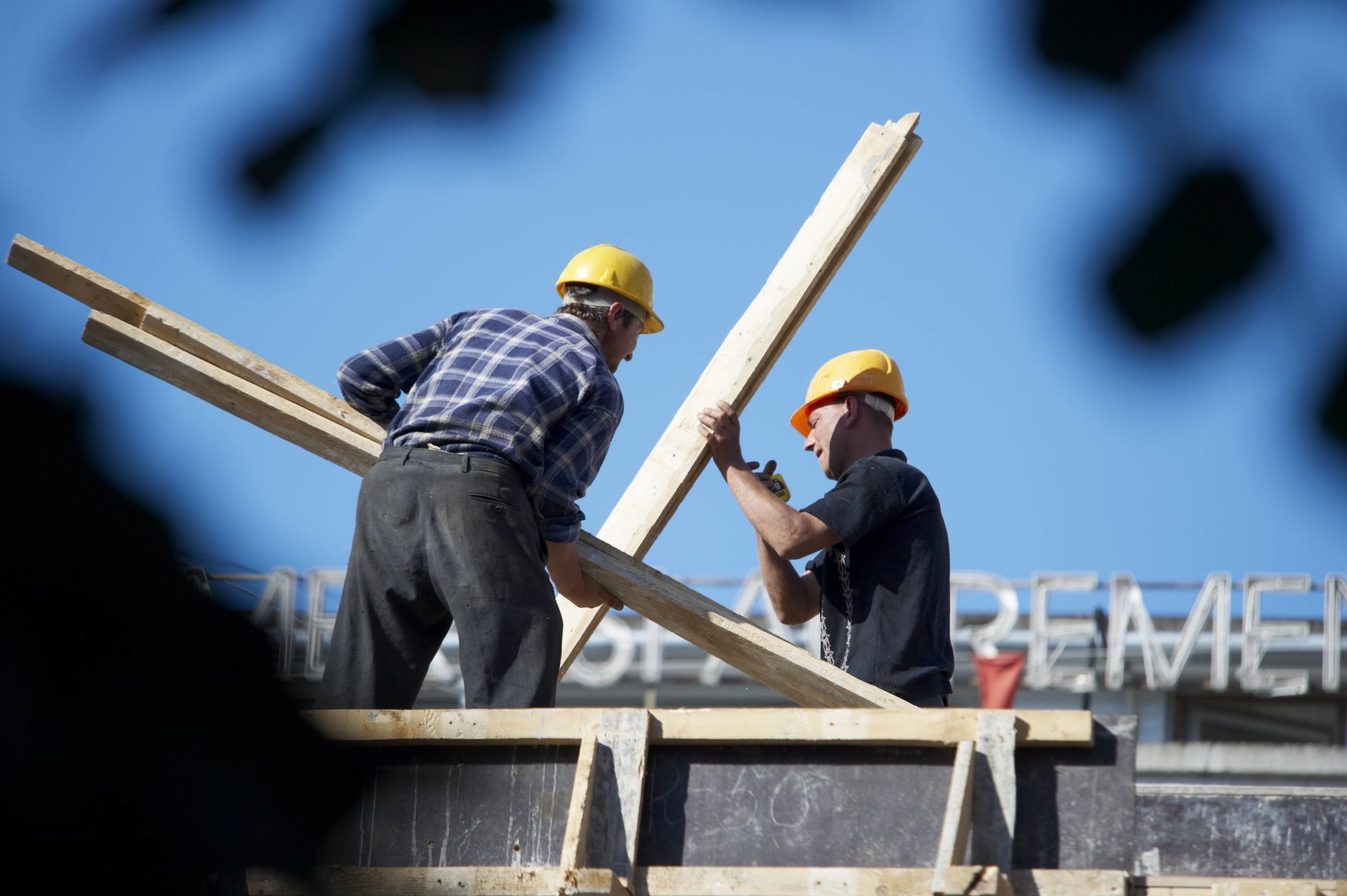
In the Photo: Construction workers lifting planks of wood Photo Credit: European Training Foundation
Quality education is key to sustainable growth
As the European Union Agency that helps transition and developing countries make the most of their human capital through the reform of education, training and labour market systems, the European Training Foundation is principally concerned with two of the Sustainable development goals: ensuring inclusive and equitable quality education and promoting lifelong learning opportunities for all (SDG 4); and promoting sustained, inclusive and sustainable economic growth, full and productive employment and decent work for all (SDG 8).
The countries where the ETF works in the wider neighbourhood of the European Union[1] present a wide range of situations from OECD member countries like Israel and Turkey to countries at the lower end of the middle-income range like Tajikistan and Kyrgyzstan. The situation of the ETF’s partner countries in relation to the ongoing challenges of globalization and technological change is described in our recent publication Getting Ready for the Future.
Most countries are relatively well-integrated with the world economy, with high ratios of exports to GDP and significant flows of foreign direct investment and remittances from their large diaspora populations. Most have become offshoring destinations for global value chains, mostly headquartered in Europe, with important manufacturing and increasingly service sectors serving international markets. Absolute poverty is not a major challenge in the ETF’s partner countries, most countries struggle to ensure sustained economic growth and full and productive employment, with low activity rates and high unemployment, especially among young people, and high rates of young people not in employment, education or training (NEETs).
To a large extent, this is due to slow economic growth and weak job creation, as well as large informal sectors. But an important contributing factor is the mismatch between the competences young people acquire in the formal education and training system, and the real needs of the labour market. This is a particularly urgent problem in countries with large and growing youth populations. The ETF has been working on this issue for many years on three fronts.
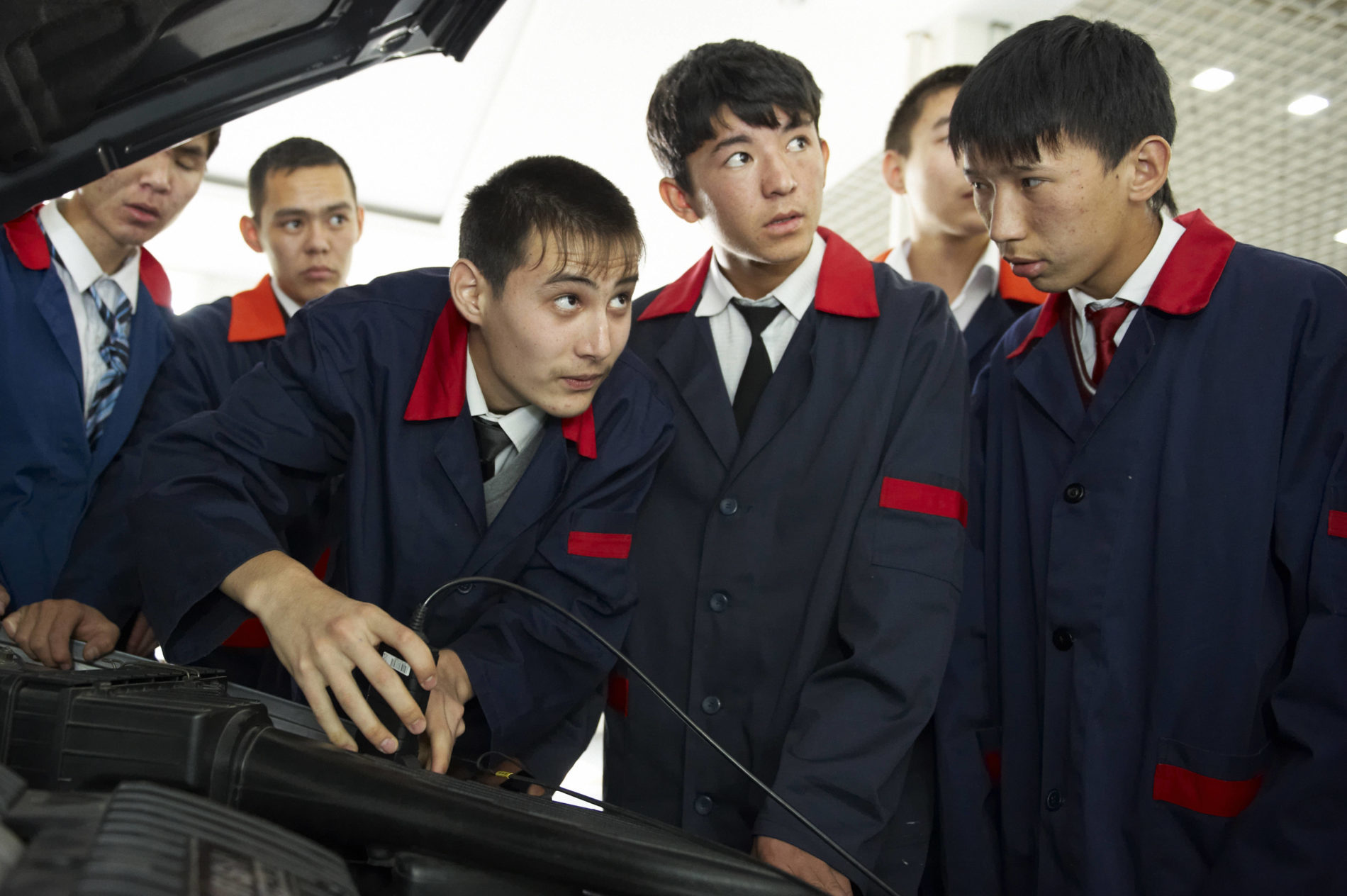
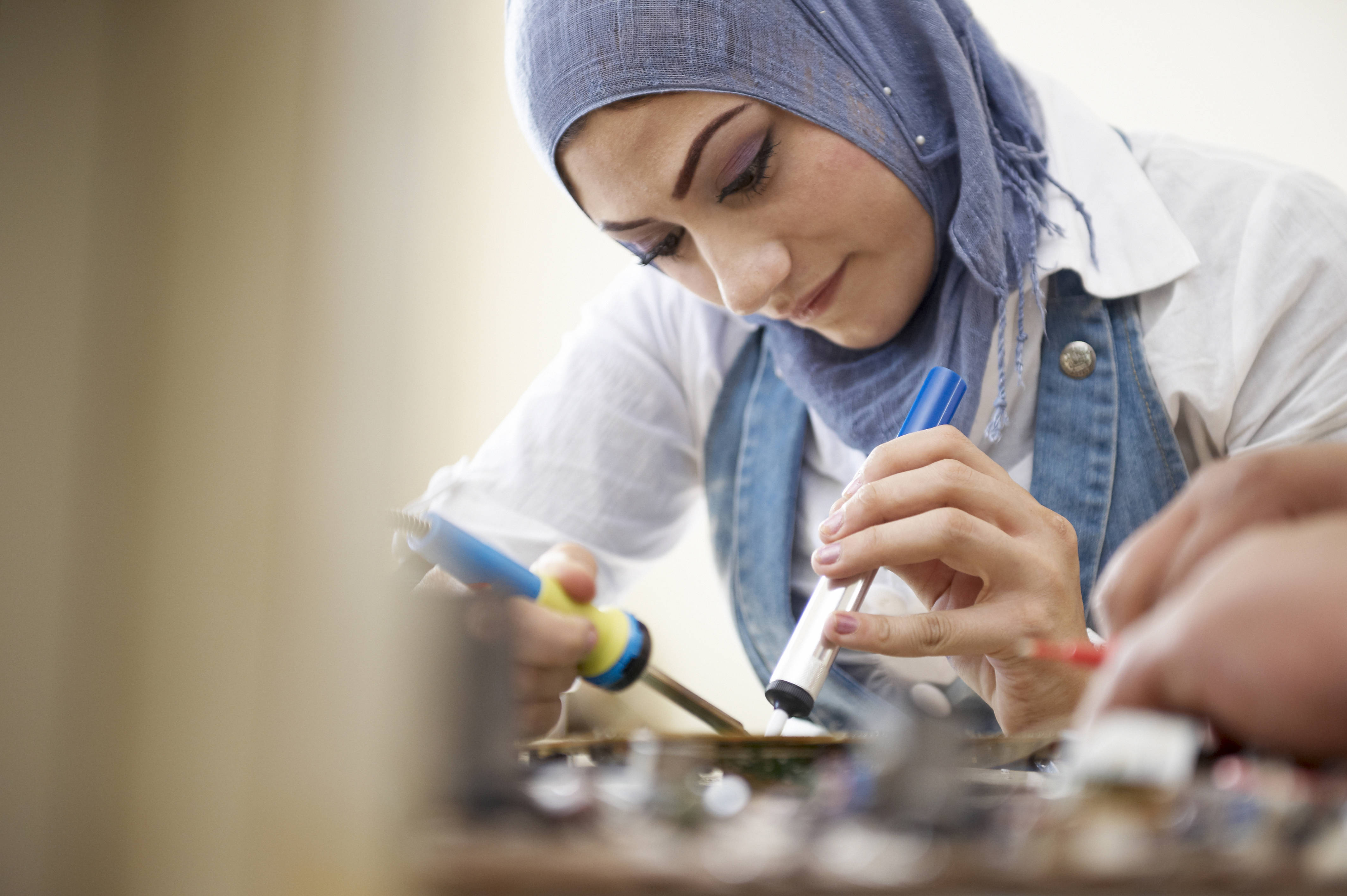
In the Photo: Mechanic students in training Photo Credit: European Training Foundation
Partnership between business, government and schools
We have been addressing this issue from the governance perspective. Good skills development is a partnership between business, government and schools. To ensure that education and training provision meets the needs of local labour markets and is aligned with economic development strategies, all the actors need to be around the table and need to be empowered to take decisions and initiate actions where the supply and demand for skills is created, that is at the regional and local level. In most of our countries, decision making remains highly centralized and coordination between government department and agencies is weak, particularly at the local level. Economic development agencies, businesses, employment services and education authorities do not always communicate effectively.
Amongst its activities in this area, the ETF has been working in Serbia to bring employers, education and training providers, and central and local government together to meet the skills needs of the burgeoning ICT sector in Voivodina.
In the Southern Mediterranean, the Agency has supporting the development of local partnerships for skills and employability and accompanying the process of decentralization of decision making to the local level to respond better to local skills needs.
As well as being a key pillar of public-private partnerships for skills, learning in the workplace is an important driver of employability. Countries with well-established apprenticeship systems have lower youth unemployment than countries where vocational education takes place mainly in the classroom. The ETF has been working to help countries to embed learning in the workplace in their education and training systems, through apprenticeships and other models of work-based learning.
Having established effective coordination mechanisms, partnerships need reliable information to take the right decisions. The ETF been working on skills intelligence across its partner countries through developing methodologies, capacity building and sharing good practice.
Another key factor is what happens in the classroom. Hence the importance of ensuring inclusive and equitable quality education and promoting lifelong learning opportunities for all. The increased pace of technological change means that people need to be prepared to change occupations, possibly multiple times, in the course of their working lives. As US businessman and futurologist, Alvin Toffler, said “The illiterate of the 21st century will not be those who cannot read and write, but those who cannot learn, unlearn, and relearn.”
Developing personal competencies
One conclusion of the Skills for the Future conference was the need to transform education from a process aimed essentially at transferring knowledge towards one focused on developing capacities to apply knowledge collaboratively in the real world. As outlined in the European Union’s key competences for lifelong learning, education should focus from early years on developing the competences people will need as a basis for life, work and further learning, including personal and social competences, learning to learn, digital skills, and entrepreneurship.
As machines become more capable and ubiquitous, the labour markets of the future will privilege the uniquely human competences of critical thinking, creativity, communication and collaborative working alongside cognitive and professional skills. To prepare people for the volatile labour makets of tomorrow, in which traditional employment will be just one option alongside self-employment, platform working and setting up one’s own business, it is vital for people to develop some the skillset of the entrepreneur: spotting opportunity, taking initiative and mobilising people and resources to achieve a result. The ETF plays an important role in sharing good practice on entrepreneurial learning across the neighbouring countries, including the annual ETF award for entrepreneurship presented at the European Vocational Skills Week. [Link to film: https://www.youtube.com/watch?v=Zz96fhqaMaI]
The quality of education and lifelong learning are particular challenges for the ETF’s partner countries. Despite relatively high participation in education and high educational attainment, educational outcomes, as measured by the OECD’s PISA study, are mostly below or well below the OECD average. The ETF has been working with its partner countries to improve the quality of education and training through it’s work on qualifications and qualification systems, on quality assurance in vocational education and training, on teacher and trainer training.
In all these areas, the ETF works closely with stakeholders in its partner countries, including governments, business, education and training providers and civil society organisations, advising and supporting them in developing and implementing skills policies and strategies. It also advises and supports the external services of the European Union, which is the world’s largest donor of development assistance.
While our capacity to predict the future is limited, we can see what direction global trends are moving in. Against this backdrop, the benefits for citizens, individually and collectively, must be at the heart of policy-making. It is vital to ensure adequate standards of living and decent work in all types of employment and ensure that economic growth translates into enhanced wellbeing and social value. To achieve this, countries will need to build a common vision and implement innovative and inclusive strategies to invest in skills, boost job creation, improve labour standards, and increase productivity, not least through economic diversification.
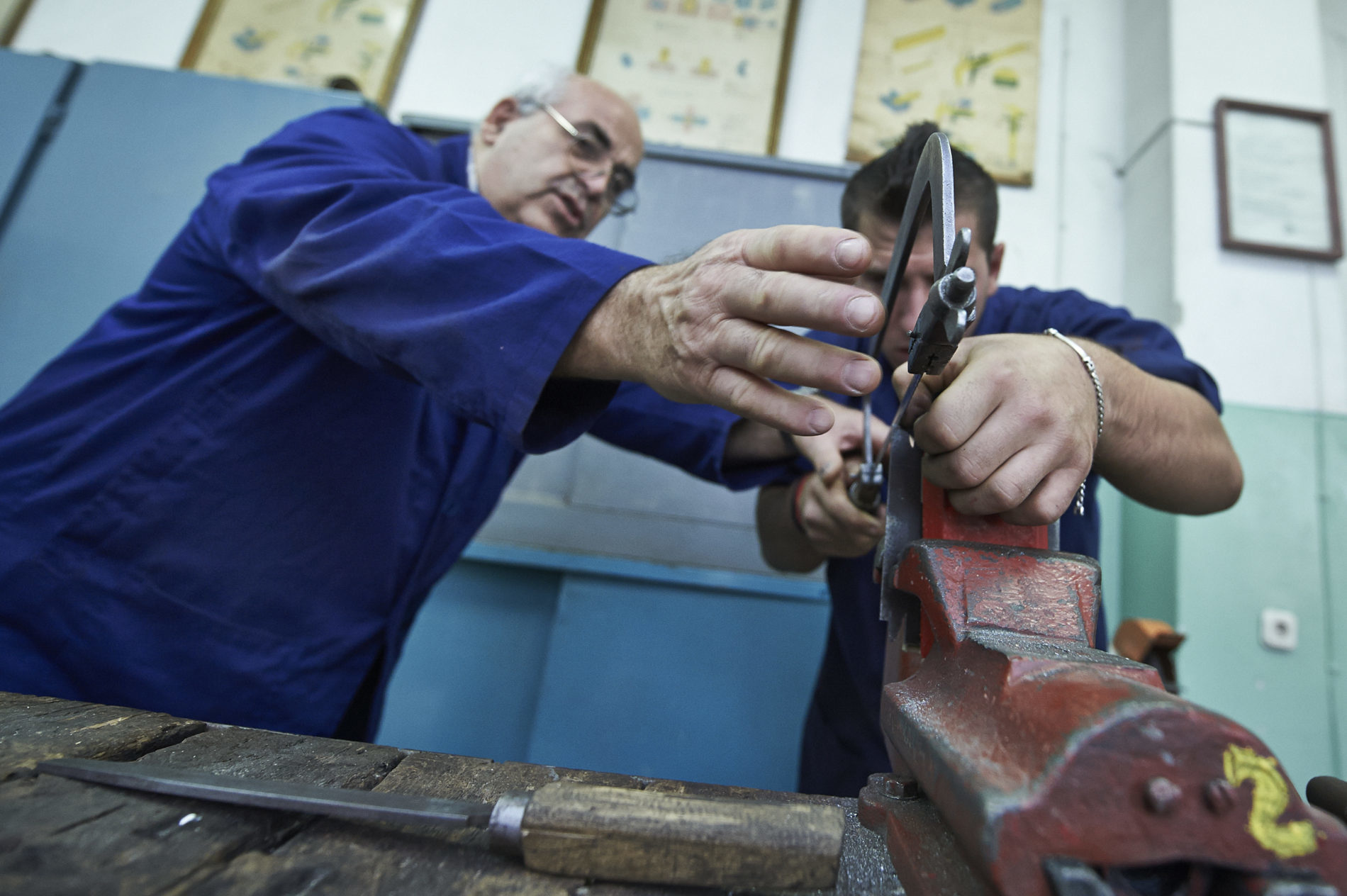
In the Photo: Metal worker in training Photo Credit: European Training Foundation
Investment in Skills
The ability of actors at all levels to work in partnership is key to building the future together. The dynamic and disruptive nature of global trends will require more flexibility, resilience and agile solutions. Given the high degree of uncertainty, investing in people’s skills stands out as the best way of preparing for an unpredictable future. It is vital to focus on key competences throughout the whole of education and working life through comprehensive lifelong learning, including non-formal and informal learning experiences.
Current and future migration patterns point to the need for more open education and training systems. Curricula need to consider the international dimension to ensure that qualifications are transparent, comparable, readable and portable to possible new destinations.
Such changes require structural adaptation of the entire education system and effective cooperation between national and international partners. People must also be empowered to fulfil their potential through inclusive approaches in education and society to actively ensure equal opportunities.
Governments and institutions are crucial to guiding change and making strategic choices, but they cannot act alone. They need to build supportive networks to design and deliver effective and innovative skills and employment policies. Social partners, civil society and regional and local authorities play and important role. Business leaders are key to defining workforce strategies that grasp the full potential of new trends. New actors, such as research organisations, bloggers, and influencers with millions of followers, are having an increasingly important role in shaping policies. All actors must take action today to manage change. And they must act collectively for a better future for all.
Ultimately, two things will shape the future of each country: their capacity to make a sound and realistic analysis of where they are today, and their ability to make the right choices and implement the right solutions to make the most of the opportunities and mitigate the challenges that change brings for sustainable and inclusive growth.
EDITOR’S NOTE: The opinions expressed here by Impakter.com columnists are their own, not those of Impakter.com – In the cover photo: Pledge Balance App. Photo Credit: European Training Foundation