Impakter
  • Environment
    • Biodiversity
    • Climate Change
    • Circular Economy
    • Energy
  • FINANCE
    • ESG News
    • Sustainable Finance
    • Business
  • TECH
    • Start-up
    • AI & Machine Learning
    • Green Tech
  • Industry News
    • Entertainment
    • Food and Agriculture
    • Health
    • Politics & Foreign Affairs
    • Philanthropy
    • Science
    • Sport
  • Editorial Series
    • SDGs Series
    • Shape Your Future
    • Sustainable Cities
      • Copenhagen
      • San Francisco
      • Seattle
      • Sydney
  • About us
    • Company
    • Team
    • Partners
    • Write for Impakter
    • Contact Us
    • Privacy Policy
No Result
View All Result
Impakter logo
No Result
View All Result
Shrinking the environmental footprint of mining

Shrinking the environmental footprint of mining

Robert PellbyRobert Pell
February 11, 2019
in Environment, Society
0

Almost every element in the periodic table has a use in modern society, and we are consuming them in larger volumes because of growing economies and technological innovations. Exotic elements from the periodic table like Neodymium, one of the rare earth elements, are used in super strong permanent magnets, and so essential in most electric motors that make electric cars so efficient. Other technology metals such as Lithium and Cobalt are needed in greater quantities that before, as do the elements that we have consumed for centuries, such as Iron, Copper and Lead. All these elements have one thing in common; to satisfy demand we will need to extract significant quantities from the earth through mining, and this process has a legacy of environmental impacts.

The mining process involves extracting the metal containing rocks out of the ground and using various processes to separate the metals away from the waste material. The crushing of the rocks alone uses 3% of the world’s generated electric power usage. The environmental impacts of mining are well documented around the world, having caused significant ecosystem damage, pollute waterways, and release emissions to the atmosphere. Most recently and most publicly with the incredible human tragedy caused from the Brumadinho dam failure in Brazil.
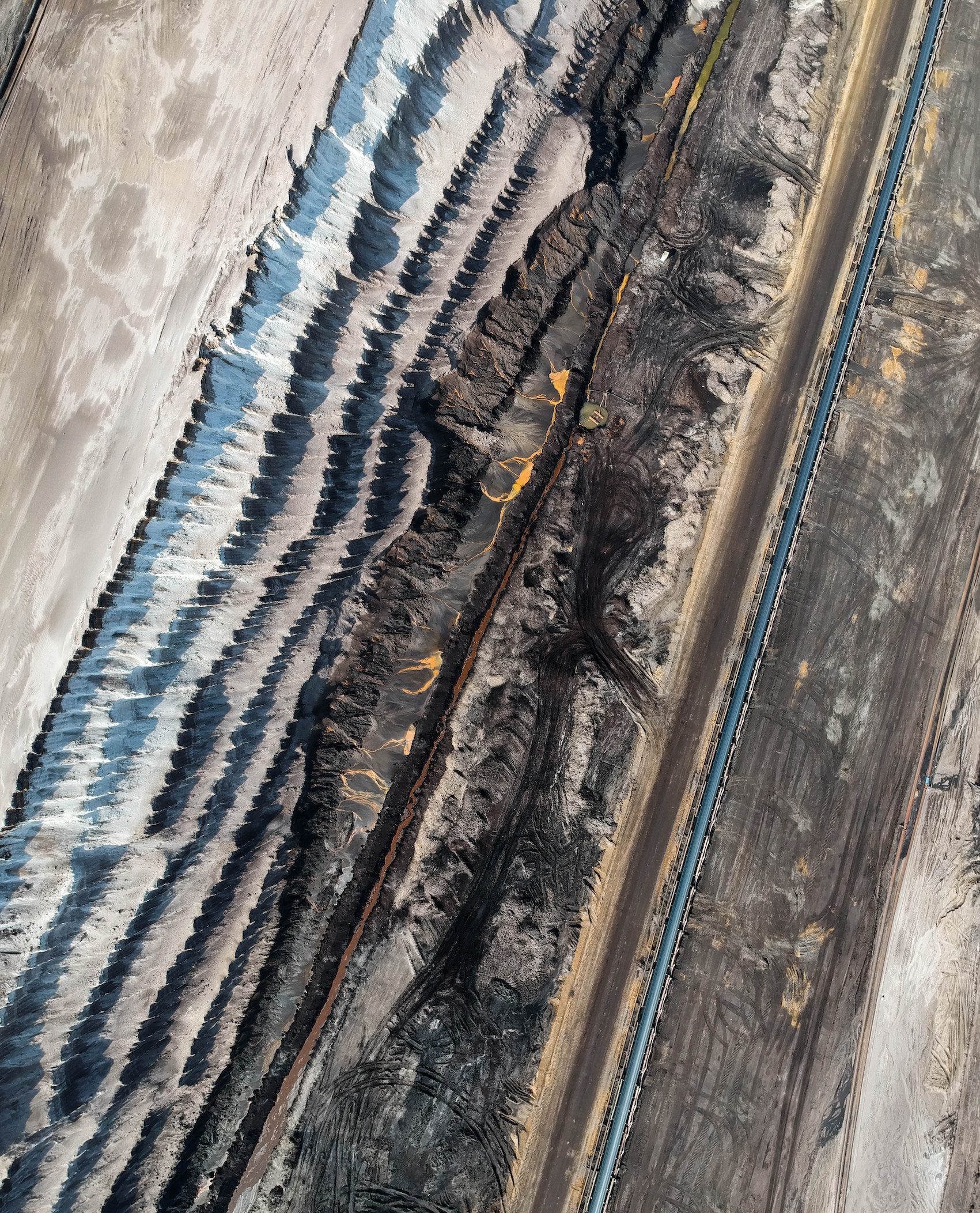
In the picture: Mines. Tagebau Garzweiler, Jüchen, Germany. Photo by Tobias Jussen on Unsplash

However, mining projects can also contributes to GDP growth for many low- and middle-income economies. Mining is a large-scale and far-reaching industry that has the potential to support the achievement of the UN Sustainable Development Goals. However, the one-time removal of these non-renewable resources has often failed to bring economic development and for environments, mining brings lasting disruptive consequences.

Recycling has an important role to play in reducing our raw material consumption and driving the circular economy, however the current stocks of materials being used won’t fill the demand gap predicted by economic growth. Therefore mining will remain the most important source of many metals for the near future. This means that we should focus on developing methods to reduce the negative impacts of mining.
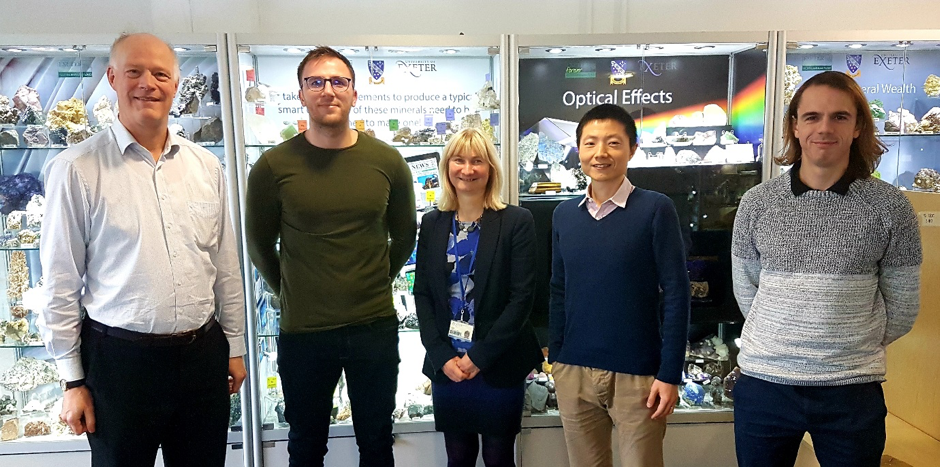
In the picture: Authors of the paper Environmental optimisation of mine scheduling through life cycle assessment integration. Photo Credit: Robert Pell

In order to tackle the environmental issues with mining, we need to understand the impacts. A method to evaluate the environmental performance of a mining project is through the use of a life cycle assessment. This process considers all stages of the mining project as well as all the direct and indirect impacts attributed to it. For example it would consider the impact directly from the mining, but also the environmental cost associated with the production and use of the electricity, water etc. This holistic approach to assess the environmental performance ensures that environmental burdens, such as emissions, are not just shifted from one location to another.

Recent research at University of Exeter, Camborne School of Mines by the SoSRare Research (https://www.bgs.ac.uk/SoSRARE/ ) team has developed a novel method to include this environmental assessment method into the earliest stages of planning for mining projects. The paper title ‘Environmental optimisation of mine scheduling through life cycle assessment integration’ allows for limits to be placed on carbon emissions per year of a mining project and adjusts the mine plan accordingly. This is particularly useful for regions that have carbon pricing. The results from the study showed that significant reductions in global warming impact could be achieved at a small economic cost. For example using we presented how using an environmental constraint allowed a mine plan to achieve 91.9% of the global warming impact whilst achieving 95.9% of the net present value (economic value) compared to the standard approach. This approach enables environmental considerations to be included in strategic mine planning. This is important because mining will continue to form an important part of our society for the foreseeable future. Integrating environmental considerations into the earliest stages of mine planning can assist in driving environmentally responsible raw material extraction.
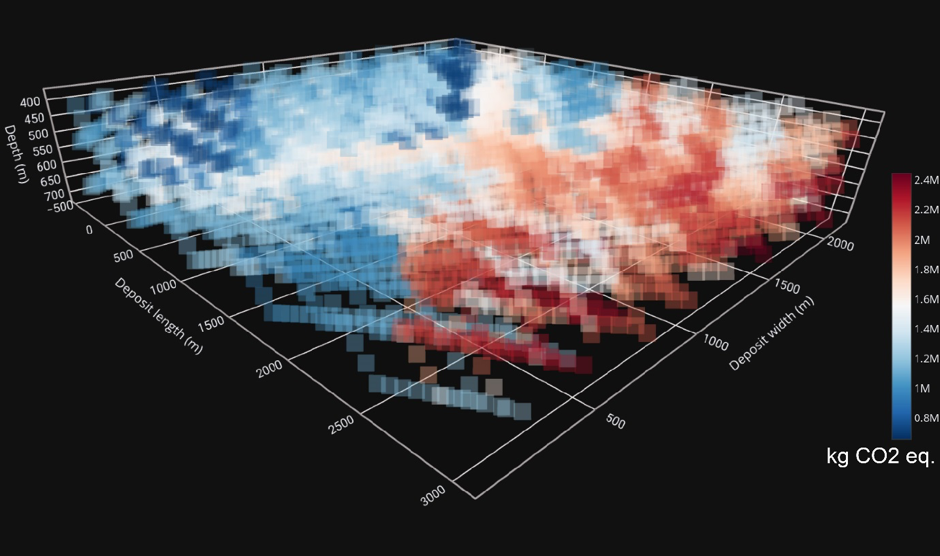
In the picture: 3d interactive model can be found here. Photo Credit: Robert Pell

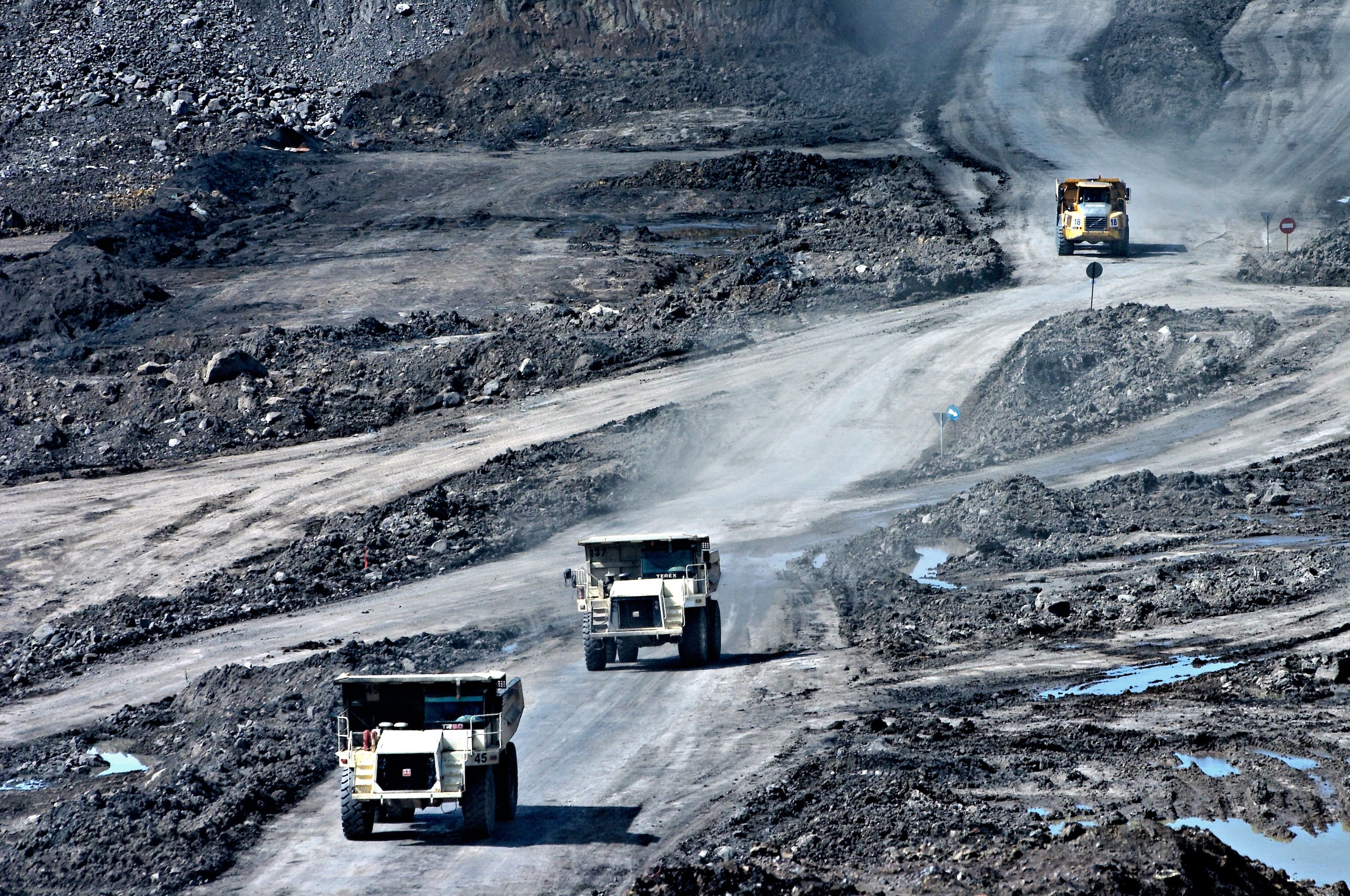
Editors Note: The opinions expressed here by Impakter.com columnists are their own, not those of Impakter.com – Featured Photo Credit: Dominik Vanyi on Unsplash
 

Tags: EconomyenviromentGlobal warmingmetalsMining
Previous Post

2019: The Time for a Vital Food Choice Lesson

Next Post

5 Mindfulness-Oriented B Corps to Support a Healthy Lifestyle

Related Posts

Heidelberg Materials plant in Georgia, USA
Business

Cement Giant Posts Record Earnings and Cuts Carbon

Today’s ESG Updates Cement Giant Posts Record Earnings and Cuts Carbon: Cement manufacturer Heidelberg Materials delivered record profits in 2025,...

byAriq Haidar
February 26, 2026
How Climate Change Is Reshaping Arctic Geopolitics
Climate Change

How Climate Change Is Reshaping Arctic Geopolitics

Once a remote and largely inaccessible region, the Arctic has become the focus of far-reaching international developments. In recent years, competition among...

byPier Paolo Raimondi - Senior Researcher at the Energy, Climate and Resources (ECR) Program of the Istituto Affari Internazionali (IAI)
February 25, 2026
Underwater Wall to Protect the ‘Doomsday Glacier’: Necessary Intervention or Costly Distraction?
Climate Change

Underwater Wall to Protect the ‘Doomsday Glacier’: Necessary Intervention or Costly Distraction?

Thwaites Glacier in Antarctica earned its dramatic nickname, the “Doomsday Glacier,” because its collapse could trigger a catastrophic rise in...

byBenjamin Clabault
February 19, 2026
biodiversity loss
Biodiversity

The Economics of Biodiversity Loss

In the 1990s, India’s vulture population collapsed due to the unintended knock-on effect of a veterinary drug for cattle, with...

byStefano Giglio - Professor at Yale Universityand2 others
February 19, 2026
Microsoft Matches 100% of Its Electricity Use With Renewables
Business

Microsoft Matches 100% of Its Electricity Use With Renewables

Today’s ESG Updates Microsoft Matches 100% of Its Electricity Use with Renewables: The announcement is a major step toward its...

byAriq Haidar
February 19, 2026
JP Morgan remains bullish on failed Rio Tinto merger
Business

JP Morgan Remains Bullish on Rio Tinto’s Failed Merger

Today’s ESG Updates: JP Morgan Remains Bullish on Rio Tinto's Failed Merger: JP Morgan thinks Rio Tinto can create more...

byAriq Haidar
February 9, 2026
WEF Report Ranks Environmental Challenges as Greatest Long-Term Threat to Global Stability
Business

WEF Report Ranks Environmental Challenges as Greatest Long-Term Threat to Global Stability

The World Economic Forum’s Global Risks Report 2025 found that environmental risks are deteriorating faster than other threats and challenges.  ...

byBenjamin Clabault
February 2, 2026
CEO Patrick Pouyanné to cut clean fuel investment on weaker EU SAF mandate
Business

TotalEnergies to Slash Investments on Weaker EU SAF Mandate

Today’s ESG Updates: TotalEnergies to Slash Investments on Weaker EU SAF Mandate: CEO Patrick Pouyanné argues that current targets lack...

byAriq Haidar
January 26, 2026
Next Post
5 Mindfulness-Oriented B Corps to Support a Healthy Lifestyle

5 Mindfulness-Oriented B Corps to Support a Healthy Lifestyle

Recent News

GKN Walks Away From Rare Earth Magnet Factory

GKN Walks Away From Rare Earth Magnet Factory

February 27, 2026
The Surprising Route to Energy Security: Scrap Fossil Fuel Subsidies

The Surprising Route to Energy Security: Scrap Fossil Fuel Subsidies

February 27, 2026
Who Owns the Ocean’s Genetic Wealth?

Who Owns the Ocean’s Genetic Wealth?

February 27, 2026
  • ESG News
  • Sustainable Finance
  • Business

© 2025 Impakter.com owned by Klimado GmbH

No Result
View All Result
  • Environment
    • Biodiversity
    • Climate Change
    • Circular Economy
    • Energy
  • FINANCE
    • ESG News
    • Sustainable Finance
    • Business
  • TECH
    • Start-up
    • AI & Machine Learning
    • Green Tech
  • Industry News
    • Entertainment
    • Food and Agriculture
    • Health
    • Politics & Foreign Affairs
    • Philanthropy
    • Science
    • Sport
  • Editorial Series
    • SDGs Series
    • Shape Your Future
    • Sustainable Cities
      • Copenhagen
      • San Francisco
      • Seattle
      • Sydney
  • About us
    • Company
    • Team
    • Partners
    • Write for Impakter
    • Contact Us
    • Privacy Policy

© 2025 Impakter.com owned by Klimado GmbH