With microplastics thought to be potentially widely spread throughout the environment and human body; plastic waste of all shapes and sizes polluting the oceans, lakes, rivers; and millions of tonnes of short-lived plastic products being produced and wasted every year — plastic pollution is a global-scale problem for which a range of collective solutions are urgently required.
One potential solution which could help contribute to tackling plastic pollution, is giving discarded plastic waste a new life as upcycled high-value items.
In this vein, earlier this month scientists revealed they’re working on a novel method of upcycling plastic into soap, transforming unwanted waste into something useful.
Upcycling Plastic Waste into Soap
Published in August in the journal, Science, a study led by a researchers at Virginia Tech (VT) details a new chemical upcycling process to turn plastics like polyethylene and polypropylene (as well as mixtures) into high-value surfactants — a chemical compound used in cleaning products such as soaps and detergents.
As Virginia Tech News reported, this new research stems from Guoliang “Greg” Liu (the research group leader and Associate Professor of chemistry in the VT College of Science) exploring whether similarities in the molecular structure of polyethylene and fatty acids might mean that plastic waste could be upcycled into something useful and valuable like soap.
Polyethylene is one the world’s most-used plastics, used to make a range of plastic bags, bottles, containers and more. Fatty acids are a precursor to soap. The chemical structures of polyethylene and fatty acids are very similar, and Liu thought this may suggest conversion might be possible.
Together with other members of his lab, Zhen Xu and Eric Munyaneza, Liu built a reactor and developed the first step of converting this plastic starting material into soap — a simple process of heating polyethylene to convert it into waxes.
Related Articles: Could Waste Bugs Be Used to Make Biodegradable Plastics? | World Environment Day 2023: To Beat Plastic Pollution, ‘Everyone Must Play Their Part’
After the addition of a few more steps to the process, the group were able to make “the world’s first soap out of plastics.”
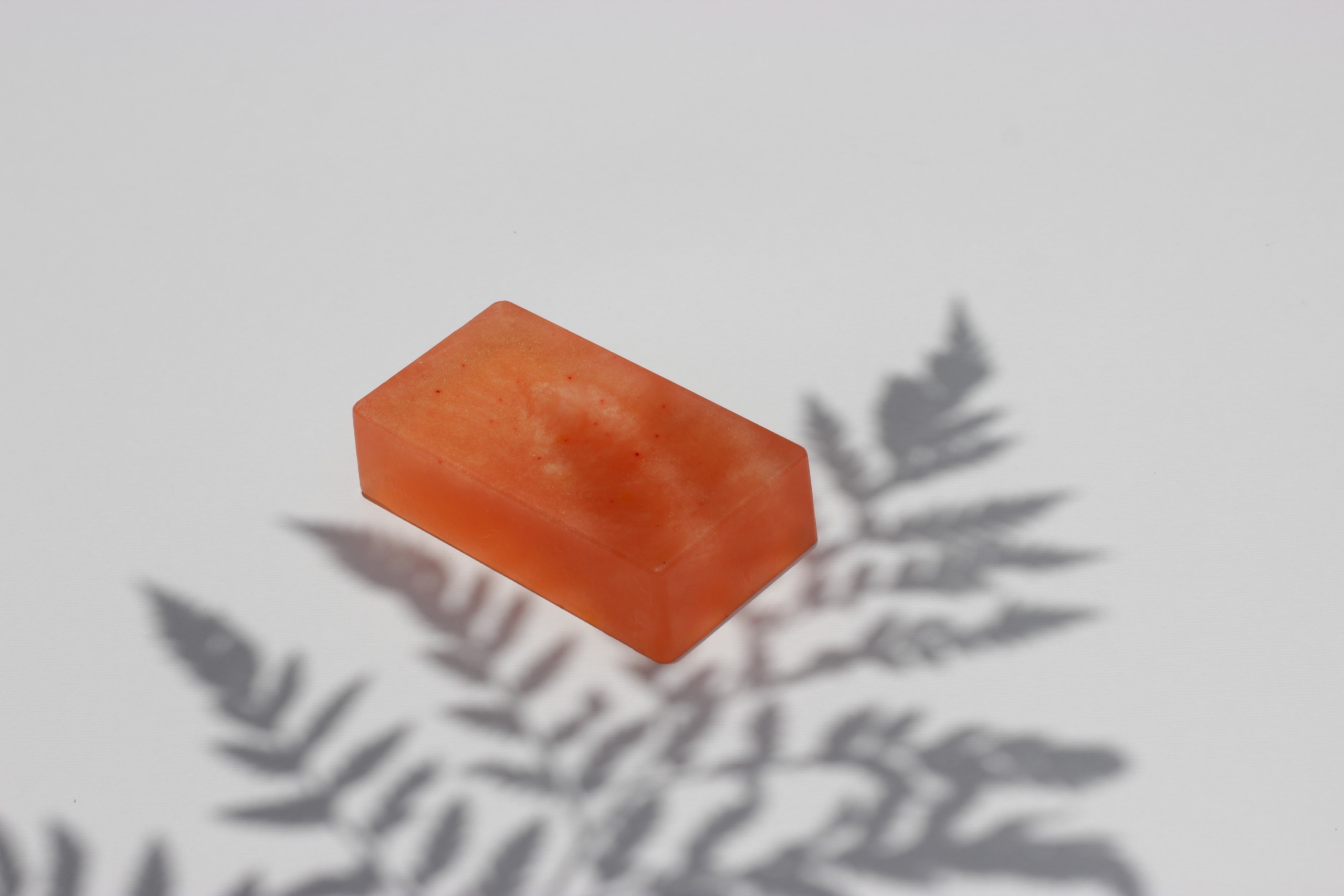
“It’s the first soap ever made from plastic in the world,” stated Liu, adding: “It has a bit of a unique colour. But it works.”
What’s more, this process can also be used to upcycle polypropylene — a rigid thermoplastic used to make things like bottle caps — meaning the two plastics don’t need to be separated, overcoming some of the challenges faced in sorting recycled plastics.
“It should be realized that plastic pollution is a global challenge rather than a problem of a few mainstream countries. Compared to a sophisticated process and complex catalyst or reagent, a simple process may be more accessible to many other countries worldwide,” stated the paper’s lead author, Zhen Xu, who is a Ph.D. chemistry student in Liu’s lab.
“I hope this can be a good start for the war fighting plastic pollution,” Xu said.
Did you know that when it rains, it rains plastic?
With plastic production set to triple by 2060, the Plastic Forecast is stormy. But unlike a traditional weather forecast, this is one we can change.
Join in to #BeatPlasticPollution this #WorldEnvironmentDay.@minderoo pic.twitter.com/f3eIjtJqCZ
— UN Environment Programme (@UNEP) June 4, 2023
Fighting Plastic Pollution
From microplastics, to synthetic fabrics, to single-use plastics, to packaging – the plastic pollution crisis is significantly impacting both people and the planet.
Annually, we produce over 430 million tonnes of plastic. Two-thirds of this total are short-lived plastic products, and every year over 230 million tonnes of these short-lived products become waste. What’s more, 46% of plastic waste goes to landfill, with 22% being mismanaged and becoming litter, and in 2019, 3.4% of total global greenhouse gas emissions came from plastic production.
As the United Nations Environment Program (UNEP) states:
“Plastic pollution can alter habitats and natural processes, reducing ecosystems’ ability to adapt to climate change, directly affecting millions of people’s livelihoods, food production capabilities and social well-being.”
As such, in May this year the UNEP released a solutions-focused report titled: “Turning off the Tap: How the world can end plastic pollution and create a circular economy.” The report offers “a ‘compass’ for governments and an action plan for businesses to end plastic pollution by 2040.”
Upcycling plastic which would otherwise have been wasted in landfill could help contribute to fuelling the transition to a circular plastic economy.
There are in fact many efforts going on around the world to find new ways of upcycling plastics for a spectrum of different applications. Just a few examples include the possibility to turn plastic waste into:
- Parts for supercapacitors.
- Useful durable materials and fuels.
- Eco-consious medical clothing and accessories.
- A 3D-printed store display installation.
- Materials to help clean up waste.
- Low-carbon buildings.
- Glasses, watches, phone cases, furniture and much more.
Liu hopes that, over time, his group’s new method could be implemented in recycling facilities around the world.
“Our research demonstrates a new route for plastic upcycling without using novel catalysts or complex procedures. In this work, we have shown the potential of a tandem strategy for plastic recycling,” explained Xu, adding:
“This will enlighten people to develop more creative designs of upcycling procedures in the future.”
Editor’s Note: The opinions expressed here by the authors are their own, not those of Impakter.com — In the Featured Photo: Orange soap. Featured Photo Credit: Luis González Sosa