After much fear and speculation, Russia has resumed gas flows to Europe through the Nord Stream 1 pipeline.
Nord Stream 1 gas pipeline resumes flows, easing supply concerns https://t.co/Z2WYCUBxwc pic.twitter.com/DzKbr6CKzD
— Reuters (@Reuters) July 21, 2022
Following the regular maintenance break between July 11 and July 21, the flows resumed at 6 am on Thursday at around 30% of capacity, according to German operator Gascade.
”We are in the process of resuming gas transportation through the pipeline. It can take some time to reach the nominated transport volume,” a pipeline spokesperson told CNN this morning.
Since then, as the Nord Stream 1 figures show, the flows have jumped to around 40% of capacity, the same levels as before the maintenance break.
The Nord Stream 1 pipeline is once again functional, operating at around 40% capacity. https://t.co/W4IflZslPB
— The Brussels Times (@BrusselsTimes) July 21, 2022
Russian gas as a war weapon
Stretching along the bed of the Baltic Sea to Germany, the Nord Stream 1 pipeline – Europe’s “vital artery” as CNN describes it – accounts for over a third of Russian gas exports to the European Union.
In 2021, Europe got 40% of its gas from Russia (and over 25% of its oil).
Did you know that #Russia suppied Europe with 40 pecent of its natural gas last year? @GazpromEN resumed the flow of gas through the #NordStream1 pipeline after 10 days of planned maintenance, but only at 40 percent capacity.
— Statista (@StatistaCharts) July 21, 2022
Within the EU, despite countries’ efforts to wean themselves off Russian energy and gas in particular, Germany still relies on Russia for about a third of its gas supplies, France for about a fifth, and Italy for just under a quarter (down from 40% in 2021).
Over the past months, Russia has reduced gas supplies to Europe several times. It has entirely stopped sending gas to Poland, Bulgaria, Finland and the Baltic countries, and has significantly reduced exports to Italy, France and Germany, and others.
According to European Commission President Ursula Von der Leyen, almost half of all EU countries have been affected.
“Overall the flow of Russian gas is now less than one-third what it used to be at the same time last year,” Von der Leyen said on July 20.
On the same day France’s Emmanuel Macron, Germany’s Olaf Scholz, Italy’s Mario Draghi, and Romania’s Klaus Iohannis visited Ukraine for the first time since the start of the invasion, June 16, Russia cut gas supplies through Nord Stream 1 to around 40% of capacity. Two days earlier, on June 14, the flow was cut to 60% of capacity.
#BREAKING Russia reduces gas deliveries via Nord Stream by 40 percent: Gazprom pic.twitter.com/50tVXDK3Js
— AFP News Agency (@AFP) June 14, 2022
For this, Russia blamed a delay in the delivery of a Nord Stream 1 turbine that was being serviced in Canada, claiming it was caused by the sanctions Western countries imposed on Russia.
“We know that there are issues with turbines, with their maintenance – a turbine is not being returned and was blocked somewhere,” Kremlin spokesperson Dmitry Peskov said back in mid-June. “This is a consequence of sanctions, there is nothing intentional there.”
But Europe is hardly buying this narrative. Instead, it sees Russia’s excuse as technically “unfounded,” claiming Russia is using gas as a war weapon and for political reasons: To excert pressure, drive up gas prices and cause supply shortages that could leave European industries without power and homes without heating.
“Both Germany and us, and others, believe these are lies. In reality they are making a political use of gas like they are using grain for political use,” Italian Prime Minister Mario Draghi said on June 16, the day Russia cut Nord Stream 1 capacity to 40%.
Related Articles: EU to Cut Reliance on Russian Gas With New Plan | European Gas Crisis: Pressing Questions Answered
Indeed, as Reuters reports, Dutch wholesale gas prices (considered the benchmark in Europe) increased by 30% on June 16. In volatile trade, since the start of the Ukraine war, the prices rose by 360% compared to previous years.
In this context, Europe’s fears that Russia may decide not to resume gas flows through the Nord Stream 1 pipeline after maintenance were entirely justifiable, even more so considering Gazprom’s declaration of a “Force Majeure” clause a couple of days before the pipeline flow was supposed to resume on July 21.
EXCLUSIVE Russia's Gazprom declares force majeure on some gas supplies to Europe https://t.co/GLuSc6zXBq pic.twitter.com/Q2pPwGUoiU
— Reuters (@Reuters) July 18, 2022
In its letter declaring the clause, Gazprom essentially told buyers that the gas supply halt was beyond its control and that it could not guarantee supplies due to “extraordinary” circumstances.
Under the “Force Majeure” clause (also known as the “act of God” clause), such “extraordinary” circumstances allow a contract party, in this case the Russian state energy giant, to be released from its legal obligations to comply with the contract agreements.
“Russia is blackmailing us,” Von der Leyen said the day before the gas flow resumed on July 21. “Russia is using energy as a weapon. And therefore, in any event, whether it’s a partial major cutoff of Russian gas or total cutoff, Europe needs to be ready. We have to prepare for a potential full disruption of Russian gas.”
"Russia is blackmailing us. They are using energy as a weapon.
Europe has to be prepared for a potential full disruption of Russian gas. This is a likely scenario.
And if we act in unity, we can address any crisis."
College read-out by President @vonderleyen, 20 July 2022.
— European Commission (@EU_Commission) July 20, 2022
Responding to the prospect of these fears coming true, which according to Von der Leyen and many others in the EU was a “likely scenario,” the European Commission set out an emergency voluntary target on July 20 for member states to cut their gas use by 15% from August until March (compared to average consumption levels in the years leading up to the Ukraine war).
What now?
For now, the “nightmare scenario” of Russian gas stopping to flow through Nord Stream 1 entirely appears to have been avoided, with European gas prices already falling this morning according to Bloomberg.
Despite the (temporary) relief, however, there is no guarantee that Russia won’t discontinue the flow in the future or lower it further, which Russian President Vladimir Putin even announced on July 20, when he warned the Nord Stream 1 flows could fall to 20% of capacity by the end of the month if the turbine, now believed to be on its way back from Canada, isn’t returned to Russia.
In reality, Russia’s decision to resume gas flows might imply nothing more than it having more use of the gas as leverage to get something else from Europe as opposed to using it to deepen the present crises and create new ones.
Besides, as German network regulator head Klaus Mueller reminds us, “[T]he political uncertainty and the 60% cut from mid-June unfortunately remain.” And so does the possibility of Europe facing supply shortages this winter.
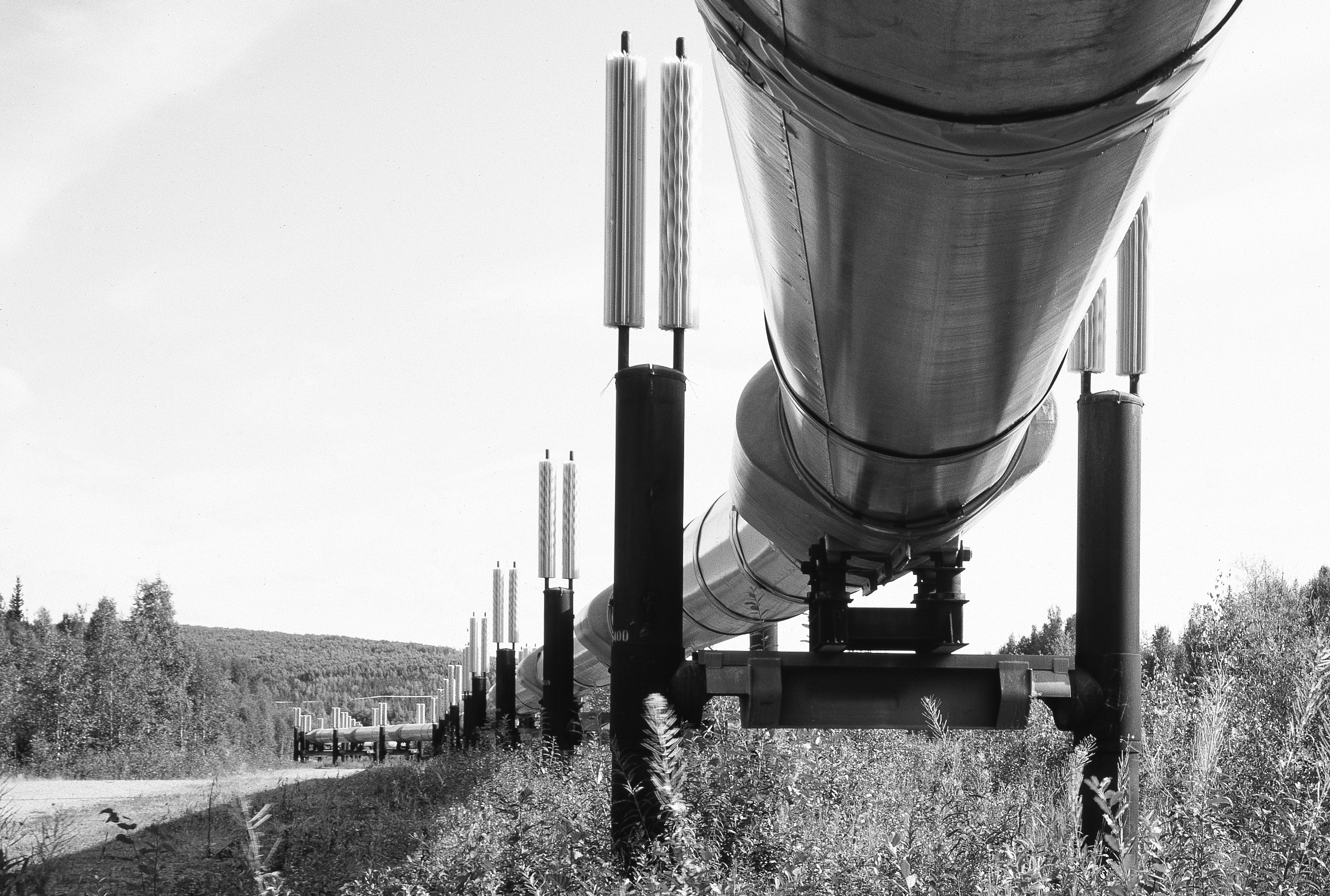
Editor’s Note: The opinions expressed here by the authors are their own, not those of Impakter.com — In the Featured Photo: Gas pipeline. Featured Photo Credit: Rawpixel.