The climate attitudes of populist radical right (PRR) parties have drawn increasing attention in recent years, but less is known about the views of their voters. Do PRR supporters show less concern about climate change than other citizens? And if so, what shapes this divergence?
An analysis of European Social Survey data from 2020 to 2022, covering 22 EU-OECD countries, sheds light on these questions. The results reveal three key patterns.
First, PRR voters are significantly less concerned about climate change than the rest of the electorate. Second, this negative relationship holds even after accounting for socio-demographic characteristics such as age, income, education, and employment status. Third, political context plays a crucial role in moderating this gap.
The divide in climate attitudes is not uniform across Europe. It tends to widen in countries where PRR parties adopt more anti-environmental stances, where environmental issues rank higher on the political agenda — both for PRR parties and the broader party system — and where Green parties are electorally stronger.
These findings point to the interplay between party positioning, political salience, and electoral competition in shaping how radical-right voters engage with climate concerns.
A divided electorate
As shown by the study’s data, supporters of PRR parties tend to show lower levels of concern about climate change than voters of other political stripes. On average, only 40% of PRR voters consider climate change “very or extremely serious,” compared with 57% of voters supporting other parties. PRR electorates also express less willingness to pay higher prices or taxes to combat environmental degradation.
But the divide is not clear-cut. In countries such as France, Austria, and Finland, radical right voters show above-average support for renewable energy and energy efficiency. The Austrian Freedom Party (FPÖ), for instance, draws on strong localist and conservationist sentiments in rural areas, blending cultural protectionism with a degree of environmental concern.
In contrast, parties such as Italy’s Lega or the Netherlands’ Party for Freedom (PVV) consistently align with climate scepticism and economic nationalism, framing green policies as elite-driven or socially punitive.
Yet even in these cases, ESS data suggest a significant minority of radical right voters are concerned about pollution, biodiversity loss and local environmental degradation.
Sovereignty first, climate second
Many PRR parties frame environmental issues through the lens of national sovereignty and economic protection. Rather than denying environmental risks outright, they often oppose supranational climate governance, such as EU Green Deal measures, which are portrayed as threats to national industry and lifestyle.
This position reflects voter concerns about costs and fairness. ESS data show PRR electorates are significantly less willing than other groups to support higher energy prices, even when environmental benefits are clear. This resistance is strongest among working-class and rural voters, many of whom associate green policies with job losses or social inequality.
At the same time, PRR narratives increasingly adopt a defensive form of environmentalism, centred on preserving local nature, traditional farming, or national identity. These “eco-nationalist” themes appeal to voters who oppose migration and globalisation but support certain forms of conservation, particularly when linked to national landscapes or heritage.
Climate as a secondary concern
While climate change ranks low on the list of priorities for most radical right voters, it is not entirely absent. The ESS shows that in countries facing extreme weather events or pollution scandals, concern among PRR voters can spike. In Hungary, for instance, support for climate adaptation and water protection is high, reflecting local vulnerabilities to drought and river pollution.
However, this interest rarely translates into support for comprehensive decarbonisation or emissions cuts. The framing of climate change as a “global” issue often reduces its salience for nationalist parties, who focus instead on domestic energy independence, anti-immigration measures, and economic protectionism.
This limited concern is also reflected in party programmes. While centre-right parties have increasingly integrated climate goals, most PRR parties remain vague or hostile on the issue. Few propose concrete emissions targets or detailed climate financing plans. Instead, they highlight the costs of green transition for low-income households or warn of external influence from EU institutions, NGOs, or climate scientists.
Related Articles: Meloni’s Italy at a Crossroads: Pragmatism or Populism? | Why Right Wing Populism Is Unable To Address the Climate Crisis | Populism in Europe: Can the New Left Defeat it?
Urban-rural and generational gaps
The internal divisions among PRR voters reflect broader fault lines in European society. Younger radical right supporters are more climate-aware than older cohorts, and urban voters tend to support environmental action more than their rural counterparts. These gaps are visible in countries like Germany and Sweden, where radical right parties attract both older working-class voters and younger, more internet-savvy activists.
This generational divide poses a strategic dilemma for PRR leaders. If they remain hostile to climate action, they risk alienating younger voters. If they shift towards green nationalism, they may lose credibility with older voters focused on energy prices or industrial jobs.
As climate issues become more visible in everyday life — through floods, fires, or energy bills — radical right parties face growing pressure to define their position. So far, most have chosen ambiguity, using cultural narratives or sovereignty claims to avoid engaging directly with emissions policy.
Risks for green transitions
The ambivalence of PRR electorates poses challenges for European climate strategies. As green transitions accelerate, public support for measures such as carbon pricing, infrastructure investment, or just transition funds will become increasingly important. A large, sceptical voter base could slow down or block policies if not addressed.
Moreover, populist narratives may amplify resistance if green measures are perceived as socially unjust. Radical right parties have been quick to exploit discontent over rising fuel costs or carbon taxes, as seen during the Yellow Vest protests in France or opposition to low-emission zones in Italy.
To mitigate this risk, policymakers must tailor climate communication and policies to address fairness, affordability, and local benefits. Emphasising job creation, public services, and national economic resilience may help bridge the gap between environmental goals and PRR voter concerns.
Climate politics in flux
As Europe heads into a decade of green transformation, the political geography of climate change is evolving. Populist radical right parties will remain influential in many parliaments, and their stance on environmental issues may shape the success or failure of climate policy.
While most PRR parties remain hesitant or hostile to ambitious climate goals, their voters are not monolithic. Recognising the diversity within radical right electorates — and addressing their specific concerns — will be crucial for building broader coalitions in support of climate action.
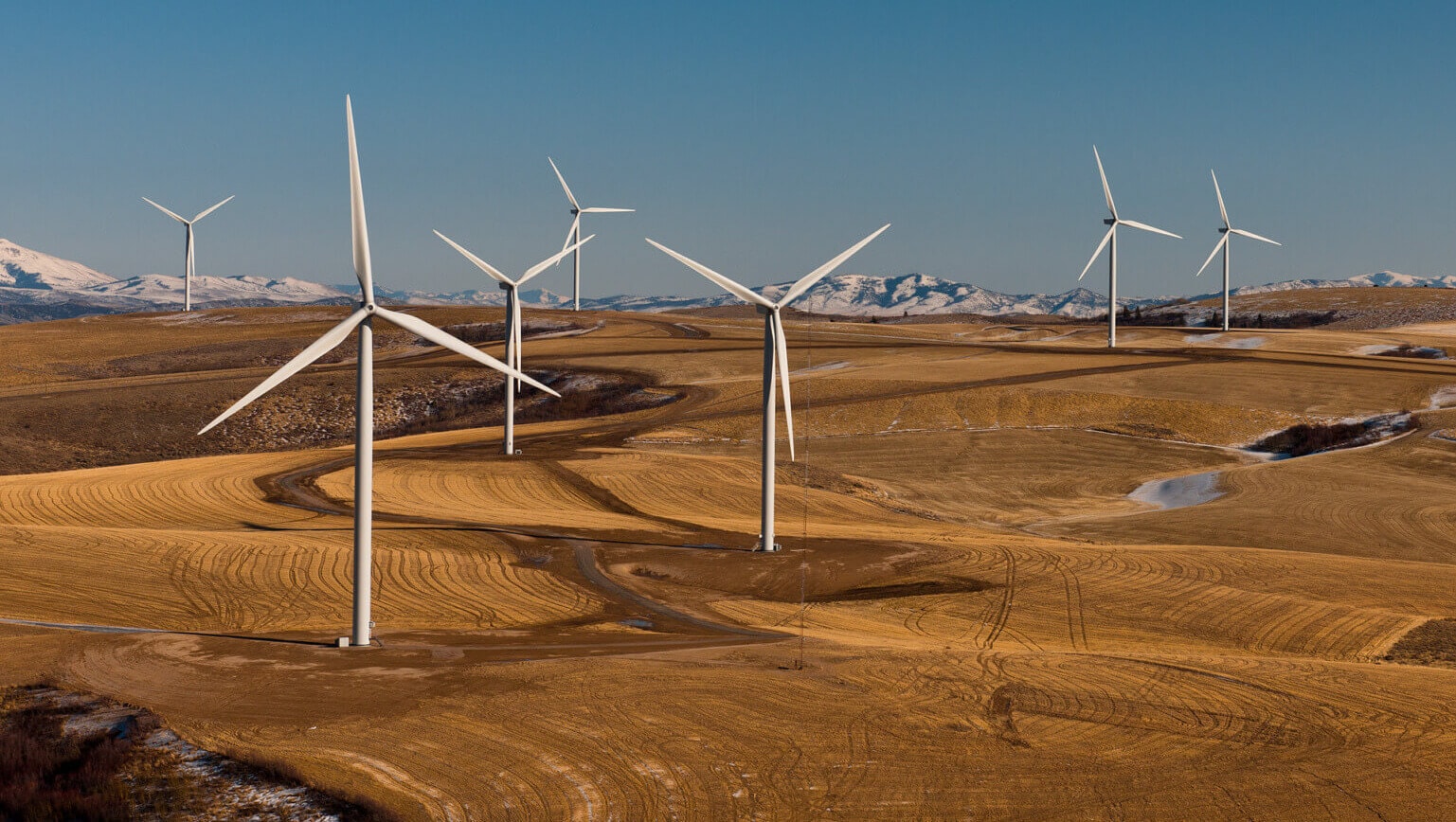
Editor’s Note: The opinions expressed here by the authors are their own, not those of Impakter.com — In the Cover Photo: A wind farm, March 7, 2012. Cover Photo Credit: Wikimedia Commons.