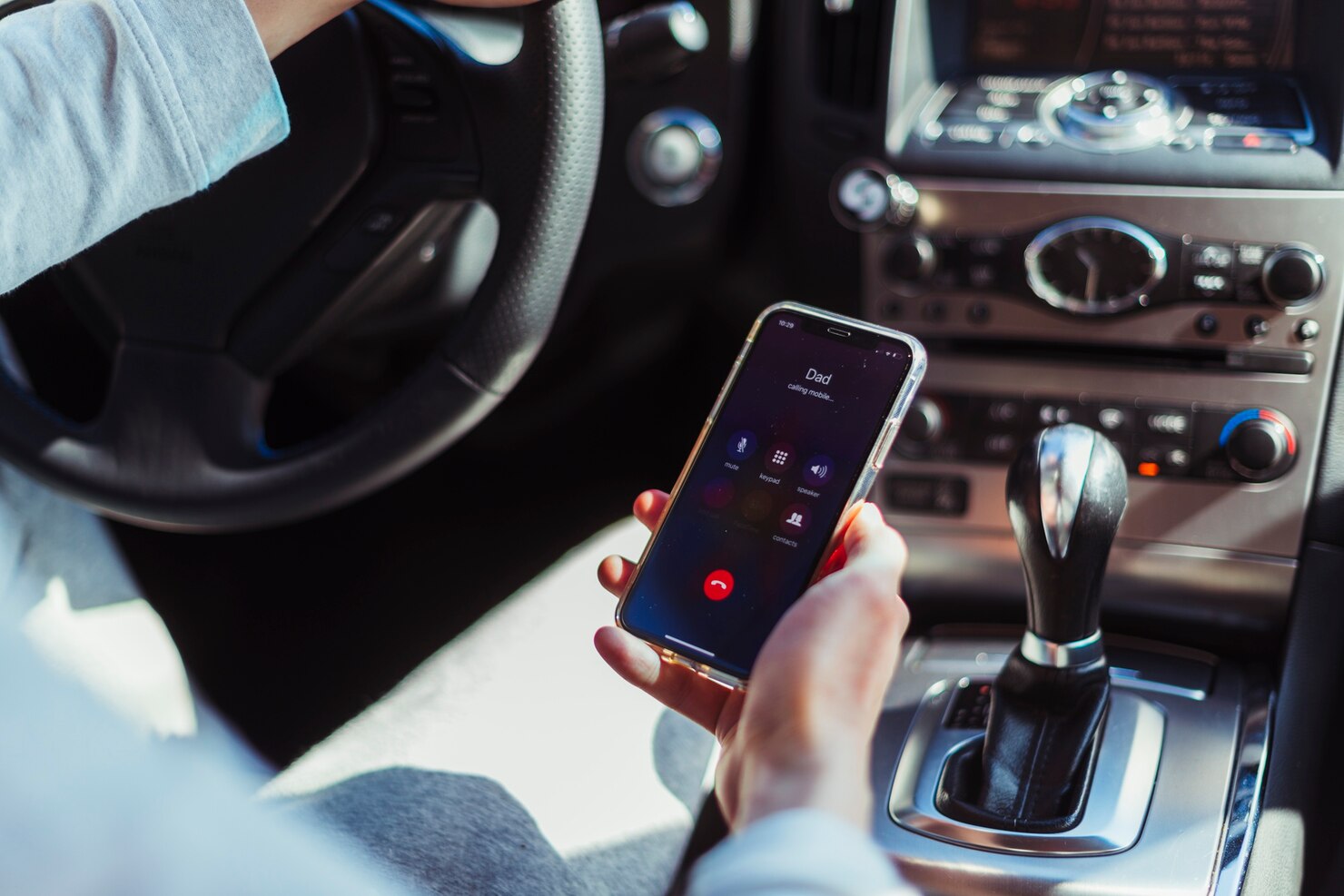
A drive that starts out normal can flip in seconds, and it usually doesn’t even feel real at first. It’s like the mind takes a moment to catch up with what just happened.
One minute, everything is fine, traffic is steady, nothing unusual. Next, there’s confusion everywhere, and people are trying to make sense of the crash.
That’s usually when small details start getting attention. A phone is one of those details. Not because it’s always the cause, but because it quietly keeps a record of activity that can help piece things together later. In many cases, this also connects to conversations around compensation for distracted driving victims, especially when responsibility is being worked out.
This blog walks through why phone activity becomes such a key part of these investigations.
Phones Leave Behind Clear Digital Traces
Phones don’t really forget anything. Even when no one is actively using them, they keep quietly recording little bits of activity in the background.
So when investigators go through a crash, they often end up looking at things like call logs, messages sent or received, background app activity, and even what was happening on the screen right before everything changed.
All of these small details slowly come together and help form a simple timeline of what might have been going on in those final moments.
It’s not about spying or jumping to conclusions. It’s more about filling in the gaps that memory alone can’t always cover. After a crash, people often remember things differently, and that’s completely normal. Phone data just helps connect those missing pieces and makes the sequence a little clearer.
Timing Helps Rebuild What Actually Happened
One of the biggest reasons phone activity gets attention is timing. Seconds matter a lot in road incidents.
Investigators often line up:
- Phone activity timestamps
- Traffic signal changes
- Vehicle movement data
- CCTV footage from nearby areas
When all of this is placed together, it starts showing a clearer sequence of events.
For example, if a message was sent just seconds before the braking didn’t happen, it raises questions about attention during that moment. Not assumptions, just questions that help build a clearer timeline.
This is also where compensation for distracted driving victims sometimes becomes part of discussions, especially when timing strongly suggests distraction played a role in the chain of events leading to the crash.
Modern Cases Depend Heavily on Digital and Physical Evidence Together
Earlier, a lot of accident cases were solved by looking at skid marks and listening to witness memories. That part still exists, but now it’s only one piece of a much bigger puzzle. Phone records often get matched with camera footage from nearby roads, data from the vehicle itself, statements from witnesses, and even the condition of the road at that moment. Individually, none of these tells the full story. But together, they begin to build a much clearer and more grounded picture of the incident.
A common situation is when witness accounts don’t fully match what actually happened. That’s where phone data often steps in to either support or clarify the sequence.
It doesn’t replace human accounts. It simply helps confirm or correct timing details that are easy to misremember under stress.
Small Distractions Can Create Bigger Outcomes Than Expected
Most people don’t picture long phone calls when they hear “distracted driving.” It’s usually much smaller than that.
- A quick glance at a notification.
- A short reply at a red light.
- Changing music while approaching an intersection.
These small actions might feel harmless in the moment, but they can take attention away from the road just long enough to miss something important.
Even a one or two-second delay in reaction can completely change what happens next. Investigators usually don’t stop at obvious phone use. They also look at quieter signs that connect with reaction delays or split attention on the road.
A lot of real cases show similar patterns, like slight lane drifting just before a crash, slower responses to traffic lights, or braking that happens suddenly without any buildup.
When phone activity is added into the picture, it often helps explain what might have been happening in those moments.
Phone Data Can Help Clarify Responsibility
Once investigators start putting everything together, phone activity sometimes becomes a key piece in understanding responsibility.
It doesn’t automatically assign blame. Instead, it helps answer questions like:
- Was the driver fully focused at the time?
- Was there any interaction with the phone seconds before the crash?
- Does the timing match with the physical evidence?
These answers can influence how cases are interpreted later.
In many situations, compensation for distracted driving victims becomes part of the conversation when phone records clearly show distraction during the critical moments before impact. It helps shape how claims are reviewed and how outcomes are decided.
But again, it always works alongside other evidence. It’s never just one factor standing alone.
Conclusion
At the end of the day, phone activity is just one piece of a much larger puzzle. It does not tell you the whole story by itself, but it often helps fill in the missing seconds that matter most.
Accident investigations usually feel like putting together scattered pieces from different places, and phone data simply adds clarity where memory or witness accounts might not fully align.
And honestly, the goal is pretty straightforward: to understand what happened as clearly as possible so everyone involved has answers instead of confusion.
Editor’s Note: The opinions expressed here by the authors are their own, not those of impakter.com. In the Cover Calling while driving. Cover Photo Credit: freepik