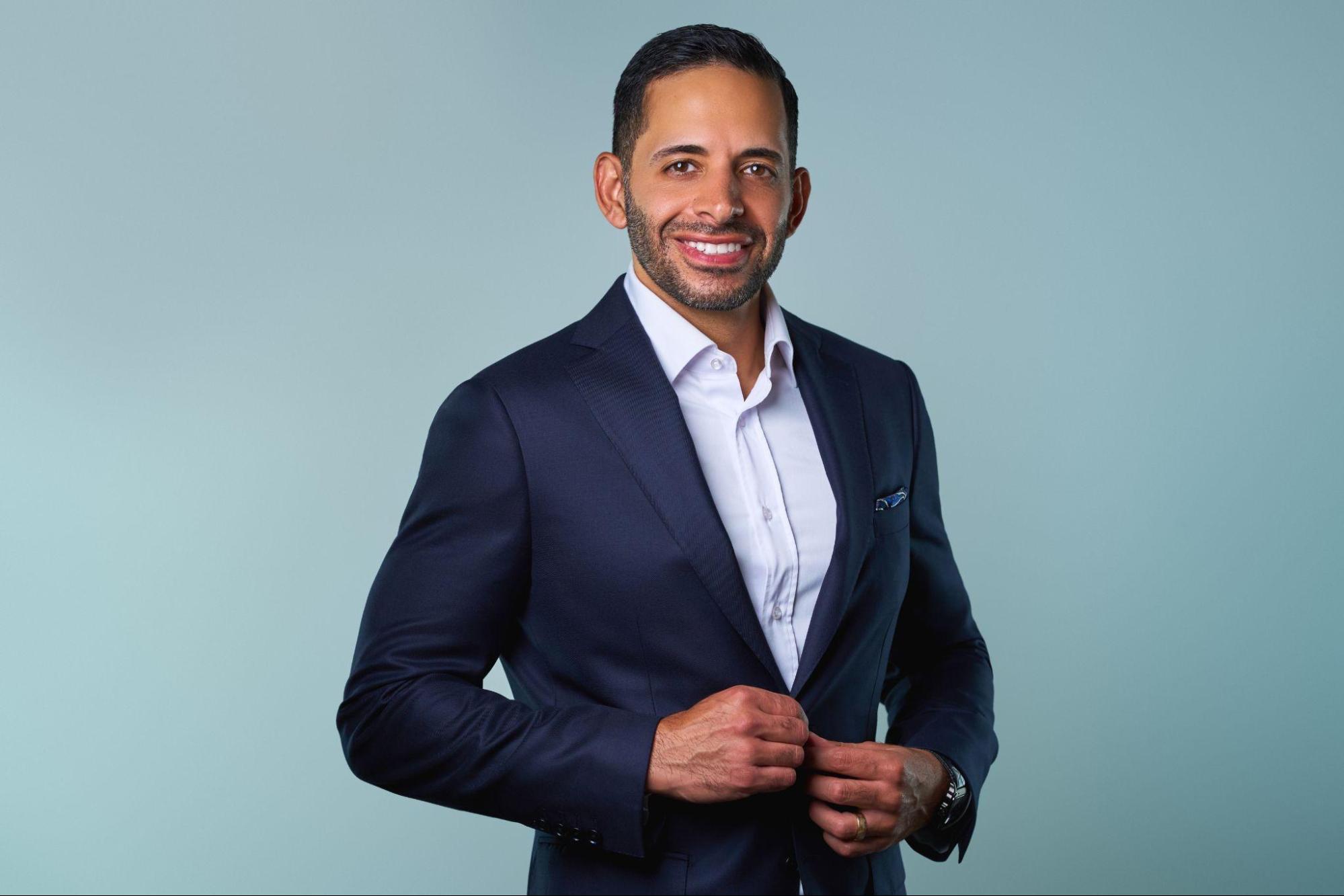
Deloitte Private’s 2026 family business survey projects that the share of family businesses appointing an external professional to the CEO role after a leadership transition will roughly double, from 13% today to 26% once succession happens. Nicholas Mukhtar, a Fort Lauderdale-based consultant who advises family offices through his firm Tera Strategies, sees why families are reaching for that option. He also thinks it treats a symptom rather than the underlying problem.
“The biggest mistake is not getting their kids involved early enough,” Mukhtar said. “You don’t know what life has in store.”
The Case for Bringing in an Outsider
The logic behind hiring outside the family is straightforward on its face. Deloitte’s survey found that only 37% of respondents are highly confident in the next generation’s readiness to lead, against 48% confidence in current leadership, and the same report lists “the next generation is insufficiently qualified or lacks experience” as the top-cited succession obstacle globally. If a family isn’t confident its own children are ready, recruiting a professional CEO with a track record elsewhere can look like the responsible choice rather than a concession.
Nicholas Mukhtar doesn’t dispute that outside leadership sometimes makes sense. What he pushes back on is treating it as a fix for a readiness problem that shows up only once succession is already underway. The readiness gap forms years earlier, when families delay giving the next generation any real exposure to how the business or the family’s wealth actually works. An outside CEO hired to compensate for that gap inherits the business but not the family’s institutional memory, and Mukhtar has seen what happens when that memory disappears along with a parent. “You’ll see situations where someone passes away or there’s an accident, and the children truly have no idea what their parents built, how they built it, how things are set up, or what to do,” he said.
Building the Readiness an Outside Hire Can’t Replace
The families Mukhtar points to as doing this well don’t wait for a transition to start building that readiness. “They set their kids up with a small account at age 10 or 11, have them pick stocks, and teach them the value of time in the market, saving money, and allocating into buckets,” Mukhtar said. The specific mechanism matters less than the timeline. A family teaching a ten-year-old to split a lemonade stand’s earnings into savings, spending, and giving is building the same judgment a family office eventually needs from whoever inherits real authority, whether that turns out to be a family member or not.
That distinction points to a gap in how the outside-CEO trend gets discussed. Bringing in external leadership can solve a company’s immediate capability problem without doing anything to solve the family’s underlying governance problem, since the two are only loosely related. A professional CEO can run a business competently while a family still has no shared understanding of how decisions get made, who has authority over what, or what happens if a principal dies without warning. Mukhtar has watched that governance vacuum persist inside family offices that already made the switch to outside leadership, precisely because switching leadership was mistaken for solving governance.
Why the Highest Performers Get This Wrong Most Often
Mukhtar’s observation about who struggles with this cuts against intuition. The founders who struggle most are frequently the highest performers, not the disorganized owners who put off succession planning longest. “When you’re a high-performing, high-achieving individual, it’s even harder to slow down and actually do family planning with the people who matter,” he said. Deloitte’s data backs that pattern at scale: even among family businesses that report having some form of succession plan, only about half describe it as thorough and well-developed rather than a document assembled to check a box.
The founders who avoid that trap, in Mukhtar’s experience, treat succession as a habit built over years rather than a project launched once a transition looks imminent. “The ones who do it well keep their family closely involved,” he said. “The ones who struggle don’t.” Whether the eventual successor is a son, a daughter, or an outside hire recruited specifically because the family wasn’t ready, Mukhtar’s argument is that the readiness work has to start well before that decision gets made, not as a response to it.
A Gap the Industry Keeps Rediscovering
Other industry surveys point to the same scale of gap. Separate research on succession planning and executive search in family offices puts the share lacking a clear succession plan for key decision makers as high as 86%, with founder reluctance to give up control cited as one of the primary barriers alongside weak governance structures. That reluctance lines up with what Mukhtar sees directly in his own client base: founders who are entirely capable of building a business and far less comfortable deliberately handing pieces of it away, even to their own children.
Recruiting a professional CEO can look, from the outside, like a family finally confronting its succession gap head-on. In Mukhtar’s client work, it often functions the opposite way. The hire postpones the slower work of building trust and competence inside the family, changing who runs the company without changing whether the family itself is prepared for what comes next.
Mukhtar’s argument stops short of opposing outside hires altogether. He says readiness is not something a search firm can source on a family’s behalf, and a family that discovers its own unreadiness only at the moment of transition has already lost the years it needed to fix it.
Editor’s Note: The opinions expressed here by the authors are their own, not those of impakter.com