Impakter
  • Environment
    • Biodiversity
    • Climate Change
    • Circular Economy
    • Energy
  • FINANCE
    • ESG News
    • Sustainable Finance
    • Business
  • TECH
    • Start-up
    • AI & Machine Learning
    • Green Tech
  • Industry News
    • Entertainment
    • Food and Agriculture
    • Health
    • Politics & Foreign Affairs
    • Philanthropy
    • Science
    • Sport
  • Editorial Series
    • SDGs Series
    • Shape Your Future
    • Sustainable Cities
      • Copenhagen
      • San Francisco
      • Seattle
      • Sydney
  • About us
    • Company
    • Team
    • Partners
    • Write for Impakter
    • Contact Us
    • Privacy Policy
No Result
View All Result
Impakter logo
No Result
View All Result
water forever chemicals

Mineral Water in European Countries Found to Be Contaminated With ‘Forever Chemicals’

TFA, an increasingly common “forever chemical” from pesticides, has been found in high-levels across Europe’s water supply, according to a new report

Alessandro CamillobyAlessandro Camillo
December 18, 2024
in Environment, Health
0

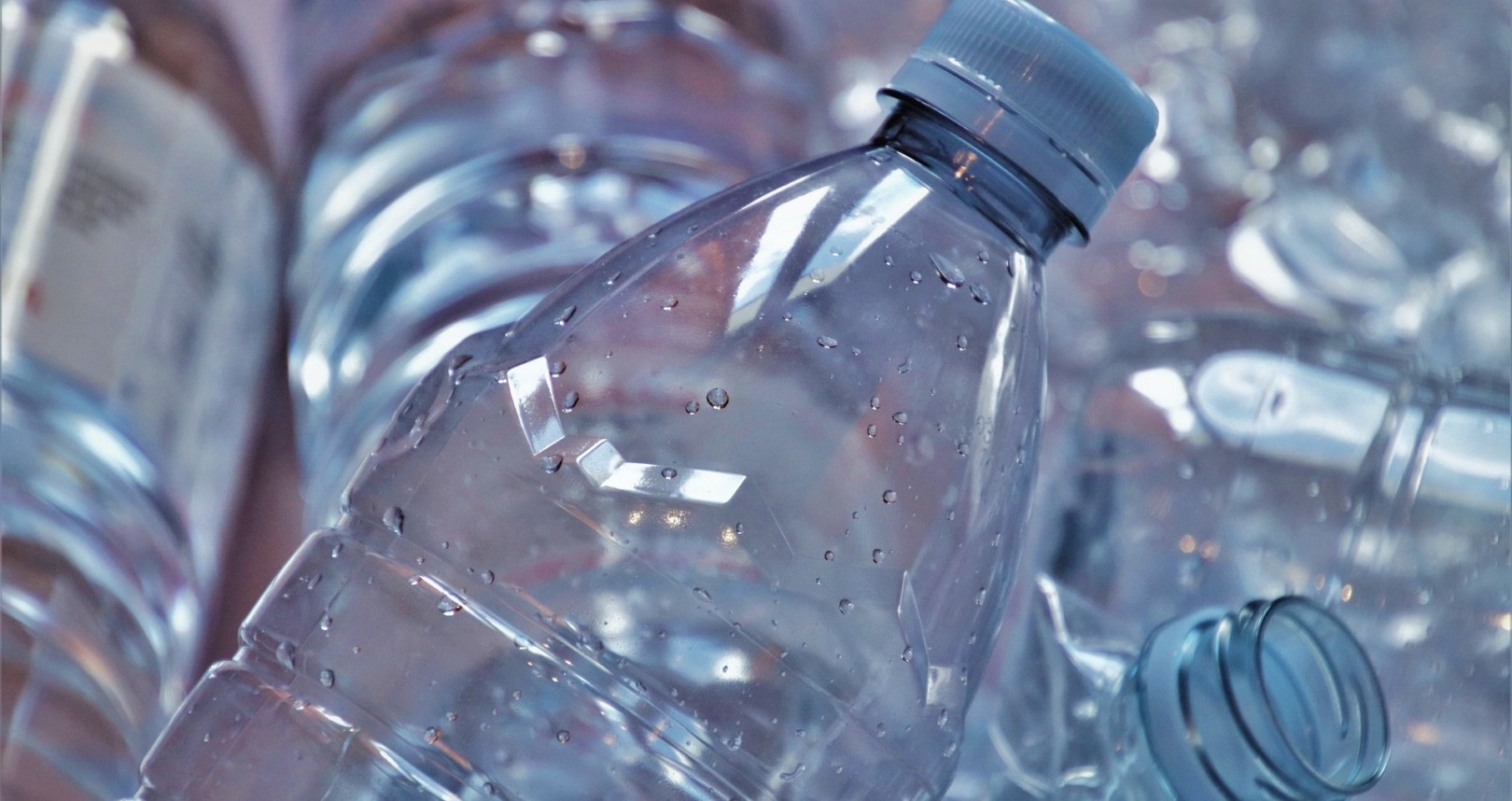
For the first time, mineral water has been found to contain “forever chemicals” in several European countries. The analyzed water was contaminated with trifluoroacetic acid (TFA), a toxicant that is increasingly prevalent around the world.

TFA is a polyfluoroalkyl (PFA) substance, colloquially referred to as a “forever chemical” due to the fact it can take hundreds or even thousands of years to degrade. Scientists believe that the TFA contamination comes from increasing pesticide use throughout Europe and the world.

TFA was detected in 10 out of 19 mineral waters tested by Pesticide Action Network Europe (PAN Europe). They were found at levels up to 32 times the standard that would require regulatory action from the European Union. Authors from the PAN Europe report called for “urgent action,” even proposing limits on TFA pesticides.

93% of more than 600 water samples from Belgium were found to have TFA, particularly in regions with more agriculture. Switzerland found TFA to be in nearly all of the country’s mineral water. In the state of Michigan in the United States, every rainwater sample was contaminated with TFA.

Mineral water has long been thought to be pristine and free of dangerous chemicals as it comes from natural springs. PAN Europe researchers argue that it is likely not mineral water producers’ fault but more likely an inevitable consequence from high pesticide use.

“This has gone completely under the radar and it’s concerning because we’re drinking TFA,” said Angeliki Lysimachou, a co-author of the report. “It’s much more widespread than we thought.”

TFA is also one of the hardest chemicals to remove from water. Most filtration technologies that can effectively remove other PFAs struggle to scalably address TFA pollution.

PFAs have long been established as widespread pollutants all over the natural world. TFA has since been seen to be found at levels much higher than other “forever chemicals.” As such, researchers around the world have been trying to find out just how bad the issue is and how to fix it.


Related Articles: Water Could Limit Our Ability to Feed the World. These 9 Graphics Explain Why | Health Flows From Safe Water | As Cities Grow Across Africa, They Must Plan for Water Security | Small Loans for Safe Water: Unleashing Women’s Power

TFA is also used as a “safe” replacement for other greenhouse gases, such as Chlorofluorocarbons (CFCs), often used in the production of clean energy. Still, TFA has been found to be a polluting greenhouse gas on its own, staying in the atmosphere for around 1,000 years. Around 60% of PFA forever chemicals manufactured from 2019 to 2022 were gases that turned into TFA.

TFA use, as well as PFA use more generally, has been on the rise for a while. Many manufacturers have claimed it is a safer alternative to PFAs and greenhouse gases but this has been refuted by independent research. Today, around 40% of active ingredients in pesticides from the United States are PFAs.

Also in the US, the Environmental Protection Agency (EPA) has excluded TFA from classification as a PFA, meaning its use faces fewer regulatory obstacles. Public health groups say that the EPA faces pressure from agricultural lobbies due to its help in high-scale agriculture production and in turn, profits.

In Europe, European Commission is proposing a ban on two widely-used pesticides that contain TFA. TFA itself could soon be classified as a reproductive toxicant.

So how can the TFA contamination problem, already so widespread, be addressed? PAN Europe’s report suggests that the European Commission proposal is a step in the right direction. “The first step is to ban the most widespread sources of TFA, the PFAS pesticides,” PAN’s report states.


Editor’s Note: The opinions expressed here by the authors are their own, not those of Impakter.com — Cover Photo Credit: Pasja1000.

Tags: ChlorofluorocarbonsEUEuropeEuropean UnionForever ChemicalsMineral WaterPAN EuropePesticide Action Network EuropePFApolyfluoroalkylTFAtrifluoroacetic acidwater
Previous Post

Climate Change Responsible for Irreversible Drying of Three-Quarters of Earth’s Land: UN Report

Next Post

The Arctic Tundra Is Now a Source of Carbon Emissions: NOAA Report

Related Posts

Engie UK Power Networks acquisition and power grid infrastructure
Business

Engie Acquires UK Power Networks in $14B Deal to Boost Grid and Decarbonization

Today’s ESG Updates Engie Expands UK Power Grid Presence with $14B Acquisition: French utility Engie announces the purchase of UK...

byJana Deghidy
February 26, 2026
Scholars Argue for a Pan-European Coalition to Counteract U.S. Aggression
Future of Europe Series

Scholars Argue for a Pan-European Coalition to Counteract U.S. Aggression

The European Council on Foreign Relations (ECFR) recently published a paper titled “The European archipelago: Building bridges in a post-Western...

byBenjamin Clabault
February 26, 2026
ESG news on EU sustainability laws, UK fracking debate, Mediterranean migrant deaths, shareholder climate activism
Business

EU Sustainability Rules Diluted Under Political Pressure

Today’s ESG Updates: EU Weakens Corporate Sustainability Laws: After months of intense negotiation, European Union member states agreed to trim...

byEve Rogers
February 25, 2026
Protests arise against Wall street’s oil deals, Big tech accounts for half of global clean energy, EU proposes stricter standards for corporate vehicles, DHL introduces new portfolio offerings for reducing scope 3 impacts
Energy

Activists Protest Against Wall Street’s Oil Deals

Today’s ESG Updates Protests' Strategies Change Amidst Banks' Inaction: Wall Street fossil fuel deals push climate groups to shift tactics,...

byFedor Sukhoi
February 24, 2026
Trump Admin Weakens Coal Plant Mercury Regulations
Business

Trump Admin Weakens Coal Plant Mercury Regulations

Today’s ESG Updates: Coal Plants Get Reprieve on Mercury Limits: Trump's EPA is rolling back mercury emission limits to cut...

byEge Can Alparslan
February 20, 2026
Migration Policy in Europe: Greece and Spain Take Divergent Paths
Politics & Foreign Affairs

Migration Policy in Europe: Greece and Spain Take Divergent Paths

In the summer of 2025, I traveled to Greece for a research trip and, during a break from the “migration...

byDr. Shepherd Mutsvara - Research Fellow at the University of Münster, Germany
February 20, 2026
ESG News regarding Trump criticizing Newsom over UK green energy agreement, new analysis questioning the climate benefits of AI, EU greenlighting €1.04 billion Danish programme to reduce farm emissions and restore wetlands, and Santos winning court case over alleged misleading net-zero claims.
Business

Trump Slams Newsom Over UK Green Energy Deal

Today’s ESG Updates: Trump Slams Newsom’s UK Green Deal: Criticizes California governor for signing a clean energy agreement with the...

byAnastasiia Barmotina
February 17, 2026
Reusing discarded Christmas trees to protect coastline
Biodiversity

Discarded Christmas Trees Reused to Protect Coastline

Today’s ESG Updates Discarded Christmas Trees Reused to Protect Coastline: Volunteers in Lancashire have been burying discarded Christmas trees to...

byAriq Haidar
February 16, 2026
Next Post
Arctic carbon dioxide

The Arctic Tundra Is Now a Source of Carbon Emissions: NOAA Report

Recent News

Engie UK Power Networks acquisition and power grid infrastructure

Engie Acquires UK Power Networks in $14B Deal to Boost Grid and Decarbonization

February 26, 2026
Scholars Argue for a Pan-European Coalition to Counteract U.S. Aggression

Scholars Argue for a Pan-European Coalition to Counteract U.S. Aggression

February 26, 2026
Who Owns the Ocean’s Genetic Wealth?

Who Owns the Ocean’s Genetic Wealth?

February 26, 2026
  • ESG News
  • Sustainable Finance
  • Business

© 2025 Impakter.com owned by Klimado GmbH

No Result
View All Result
  • Environment
    • Biodiversity
    • Climate Change
    • Circular Economy
    • Energy
  • FINANCE
    • ESG News
    • Sustainable Finance
    • Business
  • TECH
    • Start-up
    • AI & Machine Learning
    • Green Tech
  • Industry News
    • Entertainment
    • Food and Agriculture
    • Health
    • Politics & Foreign Affairs
    • Philanthropy
    • Science
    • Sport
  • Editorial Series
    • SDGs Series
    • Shape Your Future
    • Sustainable Cities
      • Copenhagen
      • San Francisco
      • Seattle
      • Sydney
  • About us
    • Company
    • Team
    • Partners
    • Write for Impakter
    • Contact Us
    • Privacy Policy

© 2025 Impakter.com owned by Klimado GmbH