
Impakter
  • Environment
    • Biodiversity
    • Climate Change
    • Circular Economy
    • Energy
  • FINANCE
    • ESG News
    • Sustainable Finance
    • Business
  • TECH
    • Start-up
    • AI & Machine Learning
    • Green Tech
  • Industry News
    • Entertainment
    • Food and Agriculture
    • Health
    • Politics & Foreign Affairs
    • Philanthropy
    • Science
    • Sport
  • Editorial Series
    • SDGs Series
    • Shape Your Future
    • Sustainable Cities
      • Copenhagen
      • San Francisco
      • Seattle
      • Sydney
  • About us
    • Company
    • Team
    • Global Leaders
    • Partners
    • Write for Impakter
    • Contact Us
    • Privacy Policy
No Result
View All Result
Impakter logo
No Result
View All Result
What Happened After the COVID-19 Pandemic Hit: Malawi

What Happened After the COVID-19 Pandemic Hit: Malawi

UN WomenbyUN Women
November 27, 2020
in Women
0

UN Women What Happened After Covid


Even before the COVID-19 pandemic hit, 243 million women and girls globally were abused by their intimate partners in the past year. Since the pandemic, with lockdowns measures, countries around the world have seen an alarming rise in reporting on violence against women, especially domestic violence. UN Women is working with women on the front lines who are responding to the shadow pandemic of violence against women and girls every day. “What Happened after COVID-19 hit” brings you some of their stories, and how our programmes are backing solutions that leave no one behind.
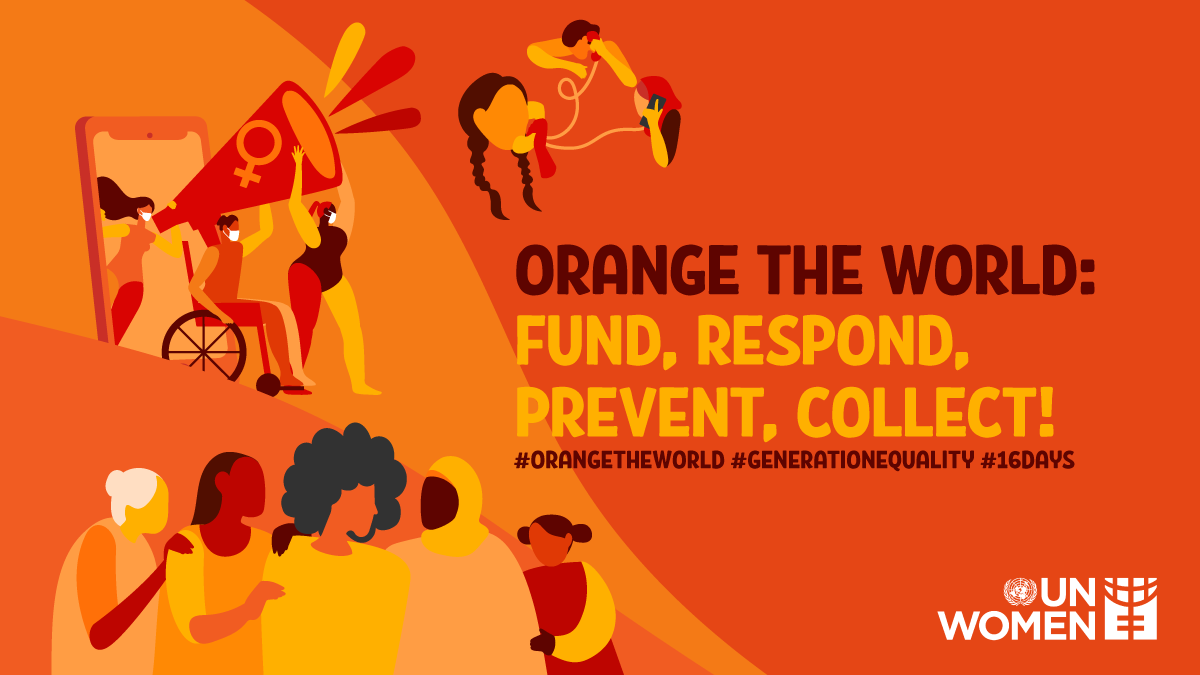
More information about the 16 Days of Activism against Gender-based Violence can be found here.

Alepher Matemba Banda: Learning to identify abuse and assist survivors of violence in Malawi during COVID-19

“Most of the calls I receive on the hotline these days concern challenges that clients are facing with the outbreak of COVID-19. Many pregnant women are worried because they do not have resources to prevent contracting the virus. At the same time, girls are concerned about unplanned pregnancies due to scarcity of family planning methods in health facilities.

I provide information on COVID-19 symptoms, locations of test centres and preventative measures, using a computerized system. Our clients, who are mostly pregnant women and adolescent girls, call through a toll-free line.

We also receive calls from [victims] of gender-based violence. I have been working at Chipata cha pa foni for three years. Before being trained on gender-based violence, I couldn’t identify different forms of violence and serve our clients who were facing violence. If I suspected cases of violence, I used to report the cases to my supervisor. I couldn’t even provide any temporary assistance to the [victim]. The training was an eye-opener for me.

Now when listening to a client on the phone, I can identify survivors of gender-based violence. I can recognize what type of violence they are experiencing and help them without re-victimizing them. I know about the police victim support unit and other organizations that I can refer survivors to.

I am so proud to be able to help a woman or girl take charge of her body, monitor her health and be safe.”

UN Women Responds Through Programmes on the Ground

Along with economic and social stress, restricted movement and isolation measures during COVID-19 have increased the vulnerability of women and girls to sexual and gender-based violence in East and Southern Africa. This is happening at the same time that support services are being disrupted.

In Malawi, thirty-one-year old Alepher Matemba Banda is a nurse responding to a hotline at Chipatala cha pa foni, a national health helpline. Banda was among 40 helpline nurses and technicians who received training in gender-based violence and health, through a UN Women initiative funded by the UN Multi-Partner Trust Fund Office. She learned to recognize signs of abuse and how to safely and ethically provide information, support, and referrals to pregnant women and adolescent girls, using an online system during COVID-19.

The programme aims to reach 4 million women and adolescent girls in Malawi with information on life-saving services.


Editor’s Note: The opinions expressed here by Impakter.com columnists are their own, not those of Impakter.com. In the Featured Photo: Alepher Matemba Banda. Photo Credit: Alepher Matemba Banda.


 

Tags: 16daysofactivismCOVID-19endviolenceGender-based ViolencegenerationequalitylistenandsupportUN Women
Previous Post

How Not to Introduce a Carbon Tax: The Australia Example

Next Post

Health Illiteracy – Why a Silent Epidemic Needs a “One Health” Approach

Related Posts

One Health
Biodiversity

Why and How to Apply the One Health Concept

One Health can be a complex and sometimes jargon-filled concept. Put simply: "One Health is the collaborative efforts of multiple...

byOne Health Initiative
November 6, 2025
How Prepared Are We for the Next Pandemic?
Health

How Prepared Are We for the Next Pandemic?

While there appears to be no single study that definitively predicts a surge in pandemics, the scientific consensus is clear:...

byAndrej Pavicevic - Managing Editor
October 24, 2024
Avian Flu
Health

On the Verge of a Possible Avian Flu Pandemic

After several years of effort, Pandemic Agreement negotiators deliberating in Geneva at the World Health Organization (WHO) headquarters, were still...

byRichard Seifman - Former World Bank Senior Health Advisor and U.S. Senior Foreign Service Officer
April 5, 2024
Surprising Vietnam: Promise and Paradox
Society

Surprising Vietnam: Promise and Paradox

As an American of a certain age I went to Vietnam to have an opportunity to form my own perspective...

byRichard Seifman - Former World Bank Senior Health Advisor and U.S. Senior Foreign Service Officer
March 18, 2024
Safe water women
Editors' Picks

Water Is the Way: Empowering Women Through Access to Safe Water

Today, on International Women's Day, I find myself reflecting on the intrinsic link between water and the lives of women...

byVedika Bhandarkar - President & Chief Operating Officer at Water.org
March 8, 2024
Dengue fever
Editors' Picks

Dengue Fever: Not Getting Many Headlines, But It Should

For many of the last few years, our infectious disease attention has been on COVID-19 and its huge human, social,...

byRichard Seifman - Former World Bank Senior Health Advisor and U.S. Senior Foreign Service Officer
March 7, 2024
gender-based violence
Equal Rights

Here’s How We Can Tackle Gender Violence

Despite decades of commitments from the international community to tackle gender-based violence, it remains staggeringly widespread across the globe. Unless violence against women...

byGrace Jennings-Edquist
December 5, 2023
Tech domestic violence
Society

Can Tech Really Help Tackle Domestic Violence?

The murder of Lilie James in the toilet block of a Sydney school by her former boyfriend in October shocked...

byDr. Abbas Kouzani - Professor of Engineering at Deakin University
November 28, 2023
Next Post
Health Illiteracy – Why a Silent Epidemic Needs a “One Health” Approach

Health Illiteracy - Why a Silent Epidemic Needs a “One Health” Approach

Recent News

ESG News regarding BHP and Rio Tinto are teaming up to expand their iron ore production pipeline

BHP and Rio Tinto to Boost Australian Iron Ore Production

January 15, 2026
ESG News regarding Dimon warning that Trump’s attacks on Fed could raise inflation and rates, Venezuelan oil shipments to China setting to plunge under U.S. blockade, UK awarding offshore wind contracts to power 12m homes, 2025 being the third-hottest year on record as climate science faces political pushback

JPMorgan CEO Warns Trump’s Attacks on Fed Could Raise Inflation and Rates

January 14, 2026
Billionaires Became Richer Than Ever in 2025: Who Are They and What Drove Their Wealth Growth

Billionaires Became Richer Than Ever in 2025: Who Are They and What Drove Their Wealth Growth

January 14, 2026
  • ESG News
  • Sustainable Finance
  • Business

© 2025 Impakter.com owned by Klimado GmbH

No Result
View All Result
  • Environment
    • Biodiversity
    • Climate Change
    • Circular Economy
    • Energy
  • FINANCE
    • ESG News
    • Sustainable Finance
    • Business
  • TECH
    • Start-up
    • AI & Machine Learning
    • Green Tech
  • Industry News
    • Entertainment
    • Food and Agriculture
    • Health
    • Politics & Foreign Affairs
    • Philanthropy
    • Science
    • Sport
  • Editorial Series
    • SDGs Series
    • Shape Your Future
    • Sustainable Cities
      • Copenhagen
      • San Francisco
      • Seattle
      • Sydney
  • About us
    • Company
    • Team
    • Global Leaders
    • Partners
    • Write for Impakter
    • Contact Us
    • Privacy Policy

© 2025 Impakter.com owned by Klimado GmbH