As the Conference of the Parties 28 (COP28) looms mere months away, world leaders, non-governmental organizations (NGOs), and activists prepare to convene in Abu Dhabi for this momentous event. Over the past 12 months, the multiplication of unprecedented, extreme weather events has left a destructive trail and fostered an atmosphere of uncertainty among the world’s most vulnerable communities. Against this backdrop, the closing window to maintain global warming below the 2°C threshold casts an urgent shadow over the forthcoming discussions at COP28.
Amidst this, the pivotal role of inclusivity in climate negotiations cannot be overstated. The exclusion of key stakeholders, such as youth representatives, indigenous leaders, and specific NGOs, in prior conferences like COP15 and COP25 has, in several instances, resulted in policies that needed more grassroots applicability and overlooked marginalized communities.
Inclusivity, in this context, should not be limited to the inclusion of a multitude of voices but should also result in the incorporation of diverse perspectives in the policy-making process. Such a level of inclusion, this article underscores, could bridge the divide between the different interests represented in the climate negotiations, recognizing, therefore, that the involvement of disruptive voices is crucial to crafting equitable and effective climate solutions.
Inclusivity is imperative for successful climate negotiations
As the climate crisis intensifies, the focus of climate negotiations is increasingly extending beyond the urgent need to halt further global warming and address ways to mitigate its unavoidable impact on populations. Unequivocally, successfully undertaking the latter implies taking active steps to bring the perspectives of all the communities impacted by climate change to the forefront.
Such inclusivity is crucial to ensure that the mechanisms and policies set to tackle climate change are adapted to the needs of those they seek to help.
RELATED ARTICLES: We Need a Century of Citizen Action to Build a Peaceful and Sustainable World | Embracing Sustainable Substitutes for a Circular Economy | Achieving SDG6: Leaving No Rivers Behind
Consider the case of the loss and damage fund. Establishing and implementing such a financial mechanism necessitates a careful understanding of climate change’s varied and specific impacts, as experienced by diverse communities.
In this respect, indigenous and small island communities can provide invaluable insights into practical and location-specific needs and solutions. Conversely, the involvement of NGOs and youth groups has proved critical in influencing policy shifts at previous COPs. They, for instance, played an instrumental role in creating the Paris Agreement during COP21 by bringing grassroots and future-oriented perspectives to the table.
Viewed from this lens, including diverse voices in the global climate dialogue becomes not merely a dialogue about policy but a moral and ethical imperative. It underscores a pivotal need: intertwining the narratives of grassroots communities with the policy-making occurring in distant conference halls, knitting together the fates of the disparately impacted with the decisions of the global consortium.
The challenges of inclusion in international climate negotiations
While some strides have been made over the past years to elevate more voices in climate negotiations, much remains to be accomplished. Incorporating a wider array of interests, especially those of non-governmental communities like youth or indigenous people, is inherently challenging.
The barriers to inclusivity are as much structural as they are political. Limited access to negotiation spaces, lack of resources, diplomatic experience, or technical skills can often lead to the overshadowing of less politically powerful voices in favor of more dominant ones. Compounding this situation is the fact that non-governmental entities’ concerns are sometimes dismissed or marginalized due to political and economic agenda biases.
To allow the active participation of such groups, it is important to acknowledge the respective barriers currently stymieing their full inclusion in the climate negotiation process. Youth groups and activists, which have been increasingly vocal about their concerns and commitment to keep global warming below the 1.5C threshold, often see their legitimacy questioned and their participation in climate negotiations limited.
Likewise, indigenous communities face similar hurdles despite being exemplary custodians of nature and holders of invaluable traditional ecological knowledge. As for small island nations, they encounter unique challenges in forums such as COP due to their diplomatic clout often being outweighed by more affluent nations.
What these communities have in common is that their level of involvement in shaping global climate policies is far incommensurate with how affected they are by climate change. A more efficient and equitable way to consider their participation in the policy-making process would be to create dedicated mechanisms within international climate forums that secure meaningful seats at the negotiation table.
Moving Forward: Steps to Ensure Inclusivity in Future Climate Negotiations
To achieve this, fostering a constructive environment that actively seeks, values, and integrates the viewpoints of diverse communities is paramount. This involves embedding representatives from marginalized communities, youth, indigenous peoples, and NGOs into decision-making bodies, committees, and working groups, ensuring their perspectives shape policy from inception to implementation.
It’s equally pivotal to navigate beyond the traditional confines of climate discussions and facilitate converging insights from social, economic, and environmental paradigms. This implies infusing the climate dialogue with intersectional perspectives encompassing social justice, economic equity, and environmental sustainability. Consequently, policies will be better aligned to address the interconnected challenges faced by the most vulnerable, weaving a tapestry of just and comprehensive solutions.
To bolster these endeavors, global institutions and wealthy nations must invest in capacity-building initiatives for marginalized communities. This could materialize as financial support, technical training, and knowledge-sharing programs that empower these communities to engage effectively in global climate dialogues. Moreover, creating inclusive communication platforms that transcend language and cultural barriers will be crucial to democratize participation in these critical discussions. Finally, supporting local grassroots initiatives and providing capacity-building training to non-governmental communities ensure these stakeholder groups are better equipped to engage in global climate conversations.
**
About Swiss Youth For Climate (SYFC)
Swiss Youth For Climate is a youth-led, grassroots, and non-partisan NGO founded in Switzerland in 2015. Committed to the adoption of climate policies aligned with the objectives of the Paris Agreement, SYFC also advocates for the participation of Switzerland’s youth in policy-making forums.
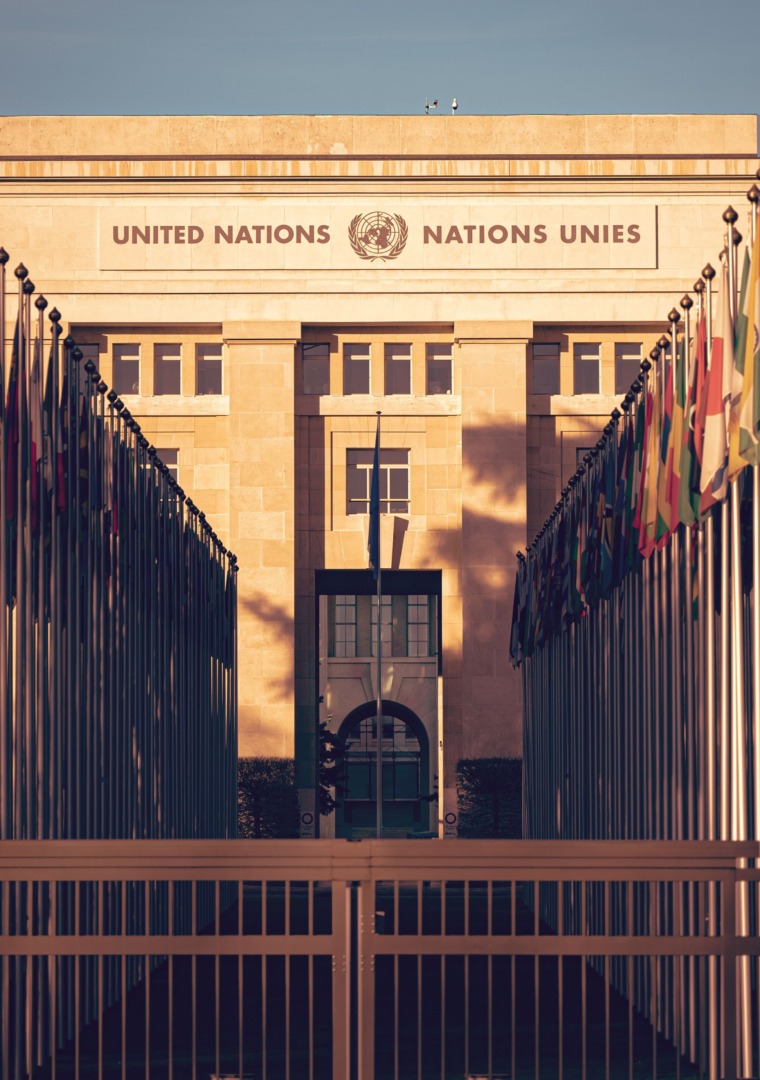
Editor’s Note: The opinions expressed here by the authors are their own, not those of Impakter.com — In the Featured Photo: The United Nations headquarters in Geneva. Photo Credit: Mathias Reding.