Most people do not think much about the small accessories around their devices until one of them fails. A phone may still work, and a pair of earphones may still sound fine, but a cable, adapter, plug, or case can make the whole product feel outdated or inconvenient. That is often when replacement starts to feel like the obvious next step, even if the main device still has plenty of life left.
That is where a more careful approach to accessories can matter. Sustainability conversations often focus on large devices, yet the smaller parts around them also affect how long people keep using what they already own.
A better-matched accessory cannot solve the e-waste problem alone. It can still reduce unnecessary replacement when it keeps a working device, tool, or listening system useful for longer.
Consumer electronics and the replacement habit
Modern electronics move through fast cycles. A new phone appears, new earbuds follow, software changes, ports disappear, and accessories often have to adapt. Sometimes it feels difficult to keep up with all of it. Over time, users get used to replacing more than they may actually need to replace.
A person may replace earphones because the cable failed. A creator may stop using a device because the wrong adapter makes it inconvenient. A musician may abandon a working in-ear monitoring setup because the cable is uncomfortable or unreliable.
These are small examples, but they point to a broader pattern: not every problem requires replacing the whole product.
Repairability, reuse, and right-to-repair policies are becoming more visible in consumer electronics discussions. The Global E-waste Monitor 2024 warns that electronic waste is rising faster than documented e-waste recycling, while repair-focused policy discussions point in a similar direction: products should be easier to maintain, adapt, repair, and keep in use.
Accessories sit close to that same logic. If they are poorly matched or treated as disposable, they can shorten the useful life of otherwise functional equipment.
Small accessories can extend the life of larger devices
A phone cable, audio cable, adapter, charger, connector, or protective case may seem minor compared with the device it supports. In daily use, though, these small parts often decide whether the main product still feels practical.
A better charger, adapter, keyboard, battery, mount, or cable can keep an existing product useful for longer. The decision shifts from “replace everything” to “replace the part that actually failed.”
That logic applies across much of consumer electronics, and it is especially clear in audio.
For audio users, a pair of in-ear monitors may still fit well and sound good, but a worn cable can make the whole listening chain feel unreliable. One channel cuts out, the connector feels loose, the cable becomes stiff, or the plug no longer matches the source. The user may start thinking about replacing the entire system, even though only one supporting part is causing the issue.
Why made-to-order can reduce mismatch
Most consumer electronics accessories are mass-market products designed for broad compatibility. That is useful, but it also means they are rarely ideal for every person.
A standard cable may be too long for one user and too short for another. A plug may not match the source. A connector may fit technically but feel awkward in practice. A material may be durable but uncomfortable. A product may work on paper, but not in the actual environment where it is used.
Made-to-order accessories address this mismatch by starting from the use case: what device is being used, which connector is needed, how long the cable should be, and whether it will be used at a desk, on stage, in a studio, during travel, or with a mobile setup.
This is not customization for its own sake. The goal is a better fit between the accessory and the user’s real routine.
When that match is better, the accessory is less likely to be discarded quickly because it is inconvenient, uncomfortable, or incompatible.
Audio accessories as a practical example
Audio is a useful example because the difference between “working” and “usable” is often physical.
An IEM cable may technically transmit sound, but still be too stiff for long sessions, too short for a desktop setup, too long for portable use, too noisy when it rubs against clothing, or built with the wrong plug for a new source. It may also use a connector that does not feel secure enough for regular movement.
In these cases, the problem is not always the earphones. It is the relationship between the accessory and the way the earphones are used.
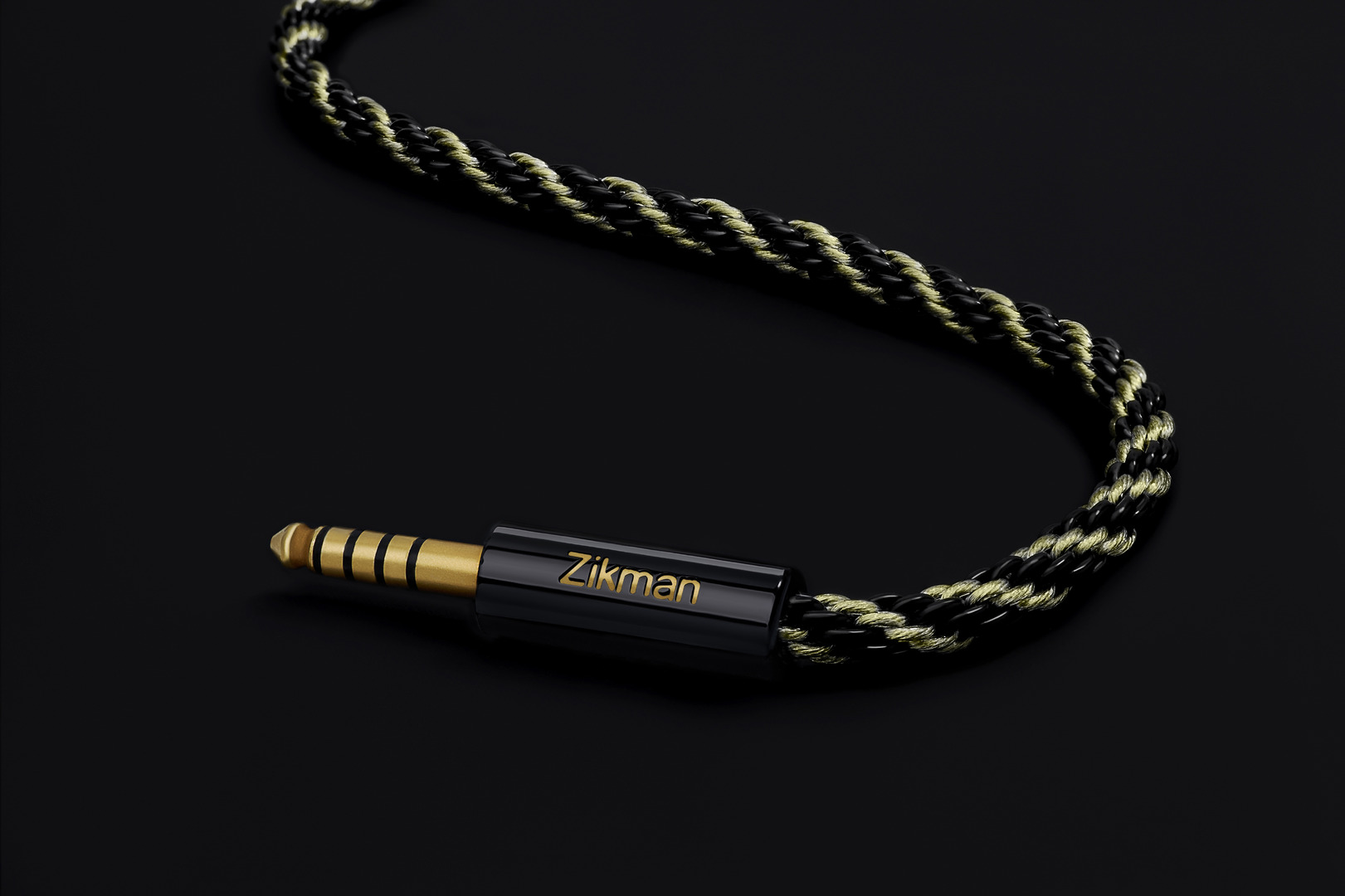
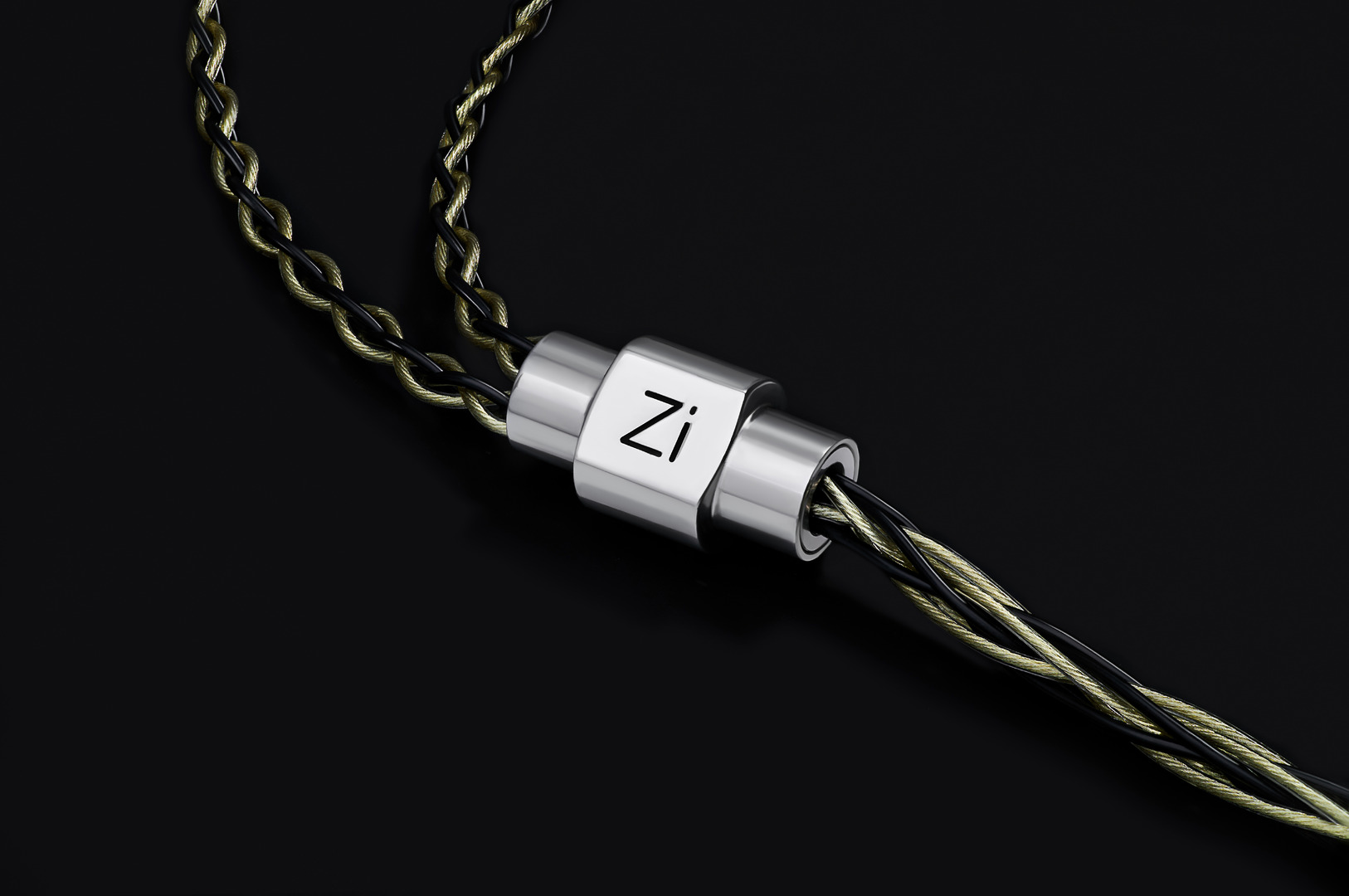
In audio, comparing custom cable options can help users match the accessory to the actual device, connector, and listening routine instead of treating the cable as a disposable part.
This is a narrow example, but it reflects a broader issue in consumer technology: people often replace products because one supporting part no longer fits the context.
Durability is not only about stronger materials
Durability is often discussed as if it only means stronger materials. That is part of it, but not the whole story.
A durable accessory also needs to be suitable. A strong cable that is too stiff may still be annoying. A premium adapter that does not fit the user’s workflow may stay in a drawer. A rugged case that makes a device uncomfortable may be replaced quickly.
A product does not last longer just because it is made from stronger materials. To last longer, it also has to fit the way people actually use it, and that matters in everyday categories where small parts do a lot of quiet work: chargers, adapters, audio cables, wearable accessories, and similar components.
A cable that is the wrong length can become annoying even if it is well made. The same is true for the wrong plug, the wrong connector, or a material that looks good on paper but feels uncomfortable in daily use.
These details are easy to overlook. In practice, they often decide whether an accessory stays in use or ends up ignored, replaced, or thrown away.
For consumer electronics, this is where sustainability becomes very practical. People tend to keep products longer when those products remain comfortable and compatible with their real habits: how they work, travel, listen, charge devices, or carry gear every day.
This also connects with the broader right-to-repair conversation: fixing or replacing the failed part can be more responsible than replacing the whole product.
What buyers should look for
A more sustainable approach to accessories does not require every purchase to be custom-made. It starts with better questions, the kind that help users understand whether they need a new product or simply a better-matched part.
Before buying or replacing an accessory, users can ask:
- Is the main device still functional?
- Which part is actually failing or causing friction?
- Can that part be replaced instead of the whole setup?
- Is the replacement compatible with the device and source?
- Does the accessory match the way it will be used?
- Is it likely to remain comfortable and practical over time?
- Can it reduce the need for another replacement soon?
Questions like these make the purchase less automatic and help to avoid replacing a whole setup when the real problem is just one smaller part.
For brands, the same logic applies from the other side. Better-fit accessories can change the relationship with the customer. A product that works well in real use is less likely to be returned, abandoned, or replaced too quickly.
A product that fits real use is also less likely to become waste quickly, and that can create real value and stronger brand loyalty.
The role of repair, replace, and reuse
A circular approach to electronics depends on more than recycling. Recycling matters, but it often comes after a product has already left active use. Repair, replacement, and reuse can keep products in circulation earlier in the lifecycle. OECD’s work on circular business models also frames reuse and repair as ways to help products reach their intended service life.
For small accessories, that means making it easier to replace the part that failed, adapt the product to a new source, or choose a better-fit component before the whole setup is abandoned.
This is not always the cheapest path in the short term. A higher-quality or made-to-order accessory may cost more than a disposable option. The calculation changes when a small part keeps the larger device useful.
If a cable, adapter, or connector helps someone keep using equipment they already own, it adds value beyond the purchase itself and can also mean fewer unnecessary replacements.
The most sustainable product is not always the one with the most environmental claims. Sometimes it is the one people can keep using.
Finally
Sustainable consumer electronics is often discussed through large devices: phones, laptops, batteries, screens, and manufacturing. Those conversations are necessary, but they are not the whole picture.
Smaller accessories also influence product lifespan. Cables, adapters, connectors, cases, and replaceable parts can either support long-term use or push people toward unnecessary replacement.
Made-to-order accessories are not a universal answer. They work from a useful principle of matching the part to the real use case, reducing mismatch, and making the device easier to keep in use.
In a market where replacement often feels like the default, keeping a useful product in use for longer may be one of the more practical forms of sustainability.
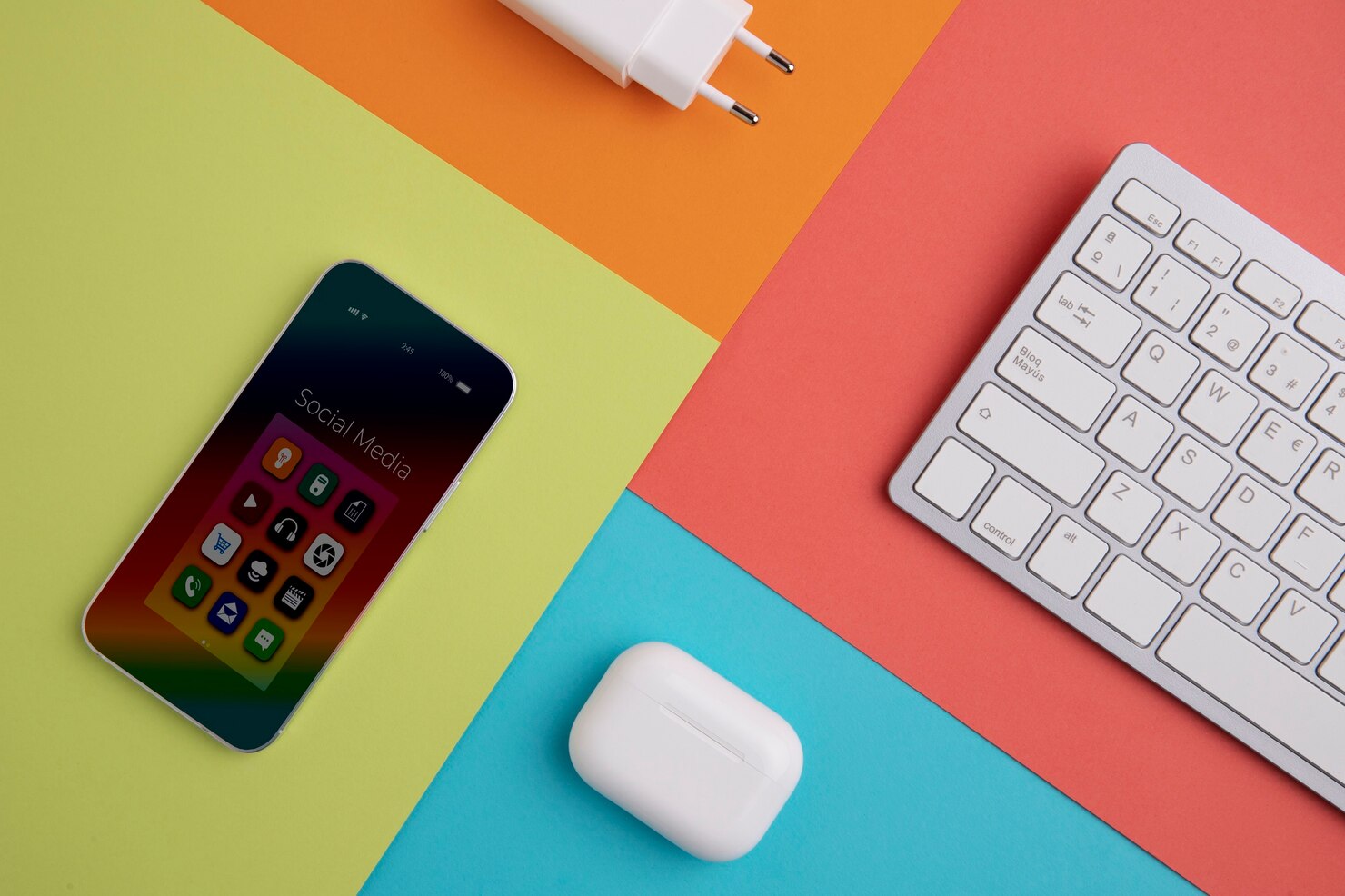
Editor’s Note: The opinions expressed here by the authors are their own, not those of impakter.com — In the Cover Photo: Consumer electronics: phone, laptop, custom cable, charger, keyboard. Cover Photo Credit: DDS