J.D. Vance, the current U.S. Republican Vice Presidential nominee, created a firestorm when he said in 2021 during his Senate campaign — and doubtless much to his current consternation, now that he’s running for the bigtime and old eruptions are being reincarnated — that the United States was run by “a bunch of childless cat ladies who are miserable at their own lives and the choices that they’ve made and so they want to make the rest of the country miserable, too.”
At the time, he was explicitly referring to Democratic leaders like Vice President Kamala Harris, Alexandria Ocasio-Cortez, and Pete Buttigieg, arguing that the “entire future of the Democrats is controlled by people without children.”
Perhaps that comment about who will control the “entire future of the Democrats” is why most media attention has been focused on Vance’s use of the word “childless” — especially bachelor Hollywood stars (think Jennifer Aniston…). There’s been, sadly, much less emphasis on “cats,” equally maligned.
You can imagine the reaction from cat owners who preferred celibacy…. And from women who, for one reason or another, decided not to procreate… And from those who, despite trying, couldn’t procreate… It’s been a storm, all right. We won’t describe the kind of storm.
JD’s comment clearly suggests he was unfamiliar with household cat ownership and its historical and contemporary benefits. As you might imagine, he has a dog.
Just look at Cat History
Cats were domesticated around 9,000 years ago in the Near East, particularly in regions like modern-day Turkey. They began associating with human agricultural settlements that stored surplus grain, attracting rodents. Wildcats found a reliable food source near these settlements, leading to a mutually beneficial relationship.
Cats are relatively self-sufficient, unlike dogs, which require more intensive training and companionship. They groom themselves, hunt independently, and form social bonds less intensely. And by controlling the rodent population, cats protect food stores and prevent the spread of disease.
Many ancient civilizations revered cats, notably the Egyptians, who rightly associated them with gods and goddesses. Killing a cat was punishable by death in ancient Egypt.
Over time, cats transitioned from wild hunters and gods to companions. This led to a range of breeds, such as the beautiful Siamese or Persian cats, developed primarily for aesthetic qualities and specific traits.
Multiple scientific disciplines have long considered cats as worthy subjects, whether for their predatory feline behavior, cognition, evolution, inheritance patterns, or breeding variations. Studies have been wide-ranging and included the feline immunodeficiency virus (FIV), which parallels HIV in humans, as well as the impact of feral cats on local ecosystems and wildlife conservation.
According to the U.S. National Institutes of Health, an estimated 68% of U.S. households have a pet of one sort or another without indicating what kind of pet.
In Europe, an estimated total European pet population in 2022, roughly 50% of European households, had some type of pet, with cats being their most populous (dogs were second). And in many other countries in both the Global North and South, household cats are plentiful, far removed from the original reasons our ancestors chose to domesticate them.
Related Articles: What Have Cats Got to do With Climate Change? An Interview with Dr. John Goodrich | 5 Sustainable Ways to Care For Your Cats | NASA Streams First Video From Deep Space — of a Cat
Today’s Cat Benefits
Despite their independence, having a household cat still requires responsibility, and not just the kind that involves dumping poop from the litter box. Regular feeding, vaccinations, and other veterinary services are vital, along with occasional grooming. Get your loved ones to do all that work! It will improve their disposition.
Another big plus: unlike dogs, cats do not need to be walked in inclement weather (or ever!), are mainly quiet, and do not provoke the wrath of close neighbors with loud barking.
Here’s another cat advantage over other species: They have much in common with humans, which might remind you of …well…yourself. Or your spouse. Or your offspring. Cats are demanding. Unappreciative. Affectionate, yes, but only when they choose to be. Not when you could use a little loving.
Apparently, they also help you live longer (although this is not guaranteed). Experts have begun to look deeply into this subject, with the Human Animal Bond Research Institute (HABRI) drawing on worldwide studies and information. Admittedly, the studies included dogs and cats, but no study is perfect.
Improved heart health. The American Heart Association cited 81 different studies showing that having a pet helps manage high blood pressure, high cholesterol, and obesity. And there is more: a 20-year study found that people who never owned a cat were 40% more likely to die of a heart attack than those who had (pet owners generally are less likely to die of any cardiac disease, including heart failure.)
Improved chronic illness coping skills. Pets can help people cope with chronic conditions and illnesses, including dementia and cancer, as well as developmental disabilities and mental health disorders, including depression, anxiety, attention-deficit/hyperactivity disorder, and schizophrenia. Interactions with an animal can help with neurological diseases, both physically and mentally (cats may have a more calming effect on their owners than other animals).
Decreased stress and anxiety. Interacting with an animal can reduce stress, anxiety, and depression, ease loneliness, and encourage exercise and playfulness. In a Mayo Clinic study of over 300 people receiving chemotherapy to treat advanced cancer, about half of the patients had pets. They felt less stressed, and most said their pets helped them cope.
Better quality of life. For those with chronic illness or older people, pets can enrich a sense of attachment to the world around them. Older adults are often more vulnerable to loneliness and isolation; a pet companion can lessen such feelings.
These are ways pets improve our modern lives, often becoming genuine family members. Reasons to have a pet will grow in these heightened tensions, exacerbated by reduced interpersonal contact… So many of us are now working in isolation.
Let’s face it: Who doesn’t need a cat?
In short, by slamming cats and female cat owners, J.D. Vance’s mistake assuredly shadowed his run for the second highest office in the United States and undoubtedly would haunt him forever.
** **
Judy Bachrach contributed to this article.
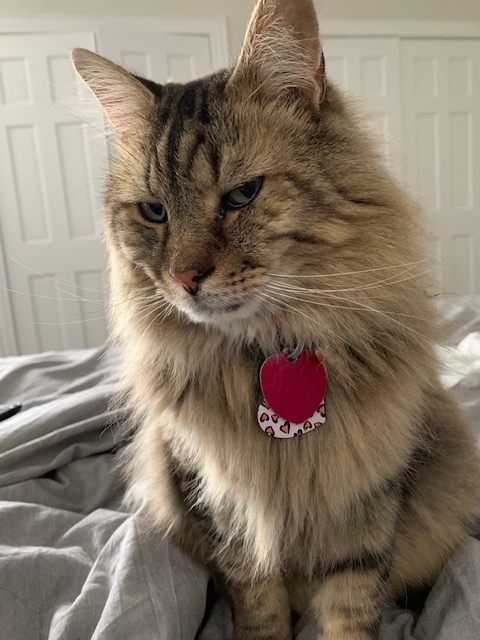
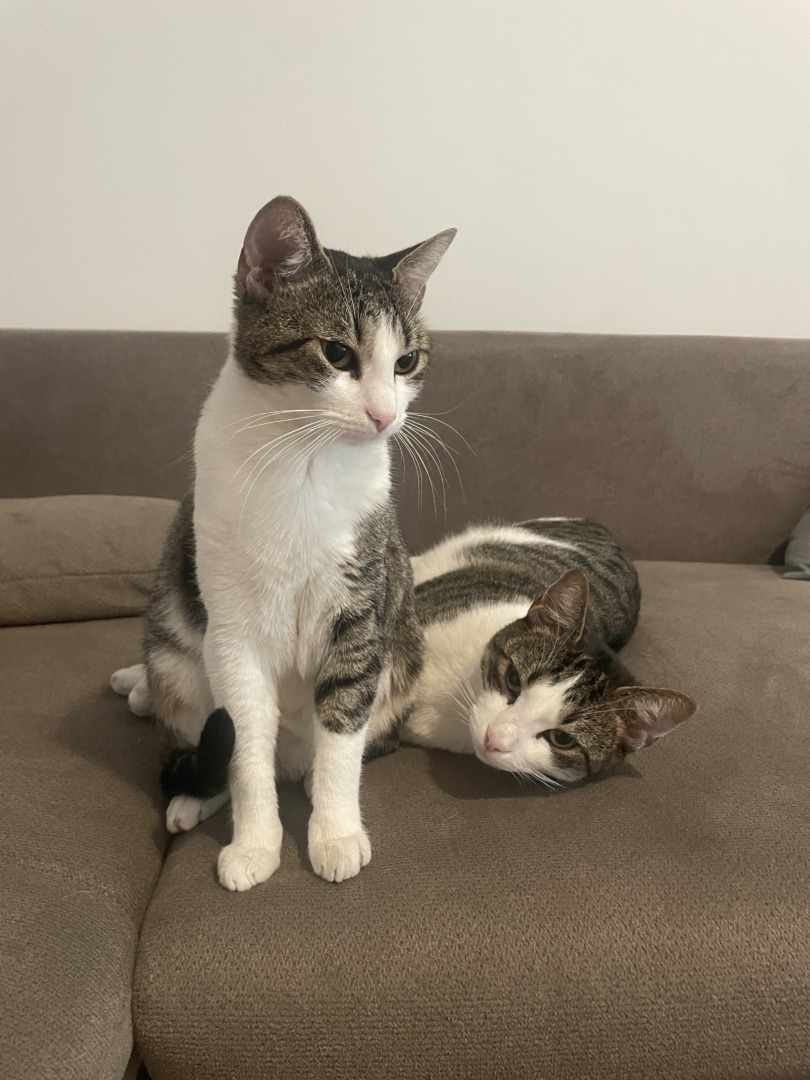
The authors and editors would like to thank Leo (pictured below on the left) and Miso and Beka (right) for their contributions.
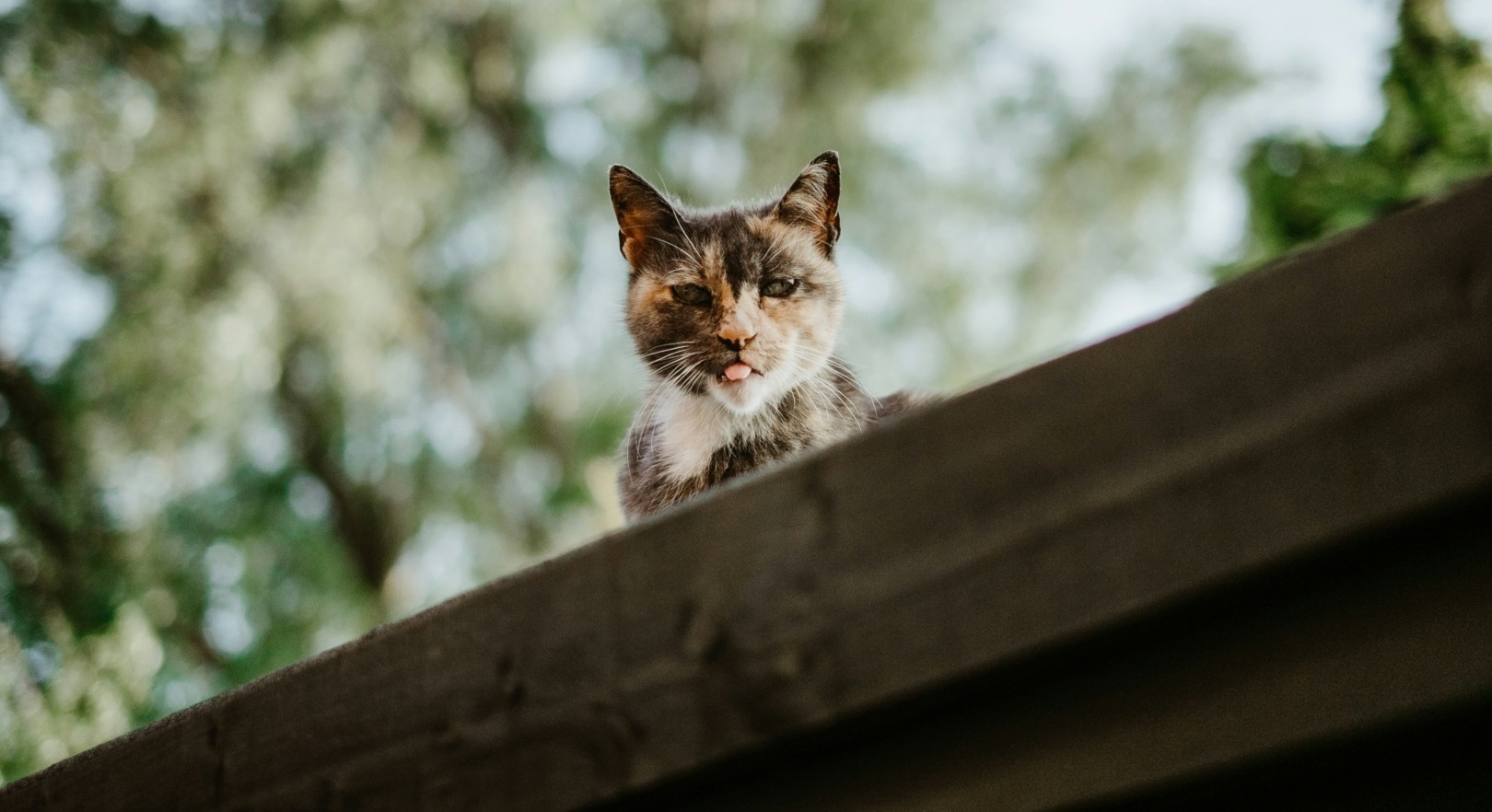
Editor’s Note: The opinions expressed here by the authors are their own, not those of Impakter.com — In the Cover Photo: A cat on a roof. Cover Photo Credit: Mitchell Orr.