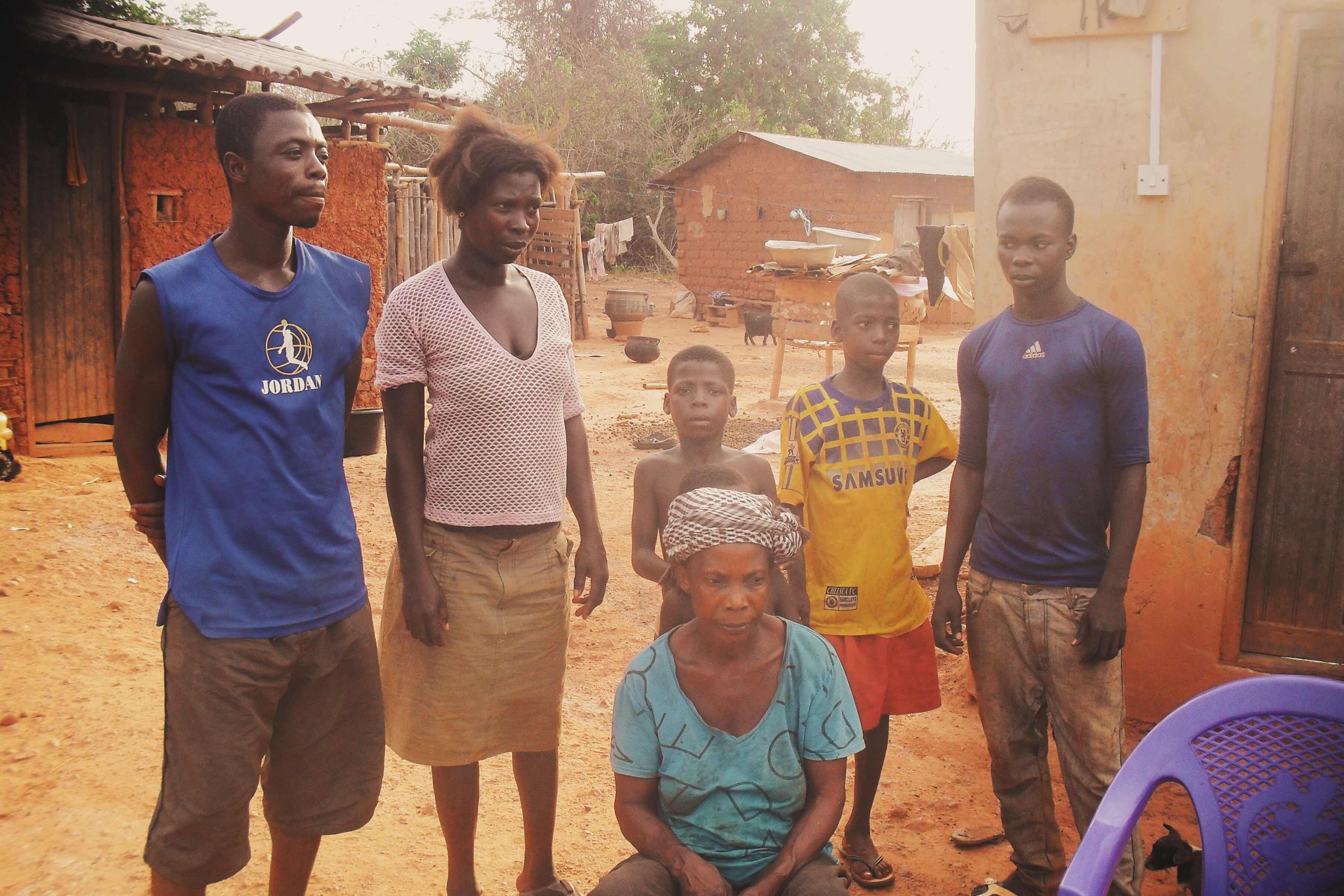
Last week we had the chance to speak with Steve Trent, founder alongside Juliette Williams of the Environmental Justice Foundation. A charity focused on environmental security, social justice and human rights. In fact last week we published an article about their latest project “Postacards from the frontlines”. For more about the project just follow the link.
…………………………………………………………………………………………………………………. More: DEAR BAN KI- MOON, WE GOT POSTCARDS FOR YOU! – article by Lilian Carvalho Monteiro EBOLA CHALLENGES THE WORLD HEALTH ORGANISATION article by Claude Forthomme ………………………………………………………………………………………………………………….However this week we will focus on the man behind EJF efforts. So we got down to business and asked him a few questions.
So, what exactly constitutes a “climate refugee”?
A person who is forced to leave his or her home and move either within the country or abroad due to sudden-onset or progressive climate disasters which destroy homes and threaten families and the natural resources upon which their livelihoods depend. That’s the EJF definition.
Are they considered as a “new category” of refugees? Does this require a new institutionalized mode of dealing with them?
Climate refugees are not really a “new category” of refugees. But EJF is calling for a new international framework that provides recognition, protection and assistance rather than amend the existing refugee convention in order to include people displaced because of climate change.
Why not amend the existing refugee convention?
There is no systematic way of dealing with climate refugees as they fall under multiple categories which are not yet formally recognised. Climate change is a complex issue with a range and scale of impacts which generate significant obstacles to securing protection for all of those who are displaced. For example, the situation facing people displaced within their own country by severe flooding is very different to those who had to abandon an island nation due to sea-level rise and other climate impacts. EJF believes one of the most important first steps is the agreement on a definition for climate refugees as without this the international community cannot work towards providing protection and assistance.
What is the main difficulty in framing the issue?
Climate change is primarily seen as an environmental issue rather than a human rights issue both in international negotiations and amongst the general public. As such much more needs to be done to highlight the range and scale of impacts it is having and will continue to have on human rights around the world.
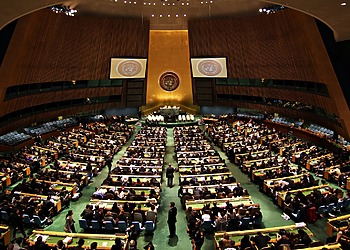
Is that what are you aiming to do through “Postcards from the Frontlines” project ? Exactly. Postcards from the Frontlines uses the idea of home to highlight how climate change is already affecting individuals around the world. The project asks people to share what home means to them or how they have been affected by the changing climate. As a result, the postcards show both the range and scale of impacts climate change is already having but focus crucially on the common thread of the importance of home. Postcards sent as part of the project will be delivered to the UN Secretary General this September calling on him to appoint a UN Special Rapporteur on Climate Change and Human Rights.
What would a Special Rapporteur on Climate Change and Human Rights actually do?
A Special Rapporteur on Climate Change and Human Rights would not have any international legal powers, but would be able to conduct studies around the area of climate change and human rights, and undertake country visits to assess specific situations. As the issue is so complex, appointing a Special Rapporteur who could look at the issue closely would be an essential step forward to increasing our understanding of the issue and helping those it affects. Additionally, a Special Rapporteur could also respond to individual complaints and provide advice, thereby giving direct help to those that need it.
Why is the work of the Special Rapporteur on Climate Change and Human Rights important?
The Special Rapporteur would be able to issue press releases and send urgent appeals and letters about how climate change is impacting human rights, and ask governments for concrete measures towards the recognition and protection of climate refugees. Overall, the Special Rapporteur’s reports would help inform the UN and all its members of the plight of climate refugees, and with this identify measures to address this pressing human-rights and environmental crisis. Appointing a Special Rapporteur on Climate Change and Human Rights would give this large and complex issue much needed focus, and give climate refugees a much better chance of having their voices heard.
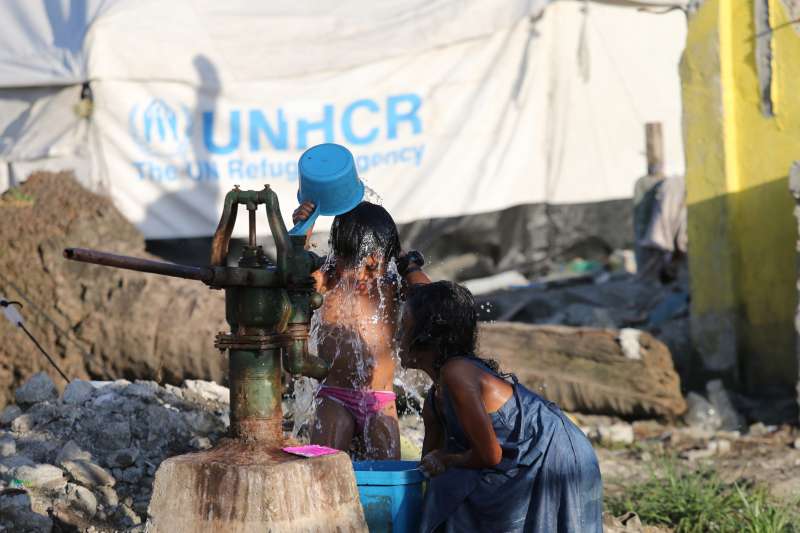
UNHCR, the UN Refugee Agency, annually reports the number of refugees, asylum-seekers and internally displaced people. Climate refugees are not included because they are not recognised by the International Law. How can one give reliable estimations of numbers for climate refugees?
It is very hard. What we do know is that for some types of movement, the numbers are astounding. According to the Internal Displacement Monitoring Centre (IDMC), 119.9 million people were displaced by climate-related disasters over the five years 2008-2012 – that’s almost four people every second. And it’s also seven times the number of refugees recognised by UNHCR – the global refugee agency – and about the same amount of people as the entire population of Mexico. The International Organization for Migration (IOM) is currently producing an ‘Atlas of Environmental Migration’ which will aim to give the first authoritative overview of existing data and trends through maps and illustrations.
What is the input from scientific research?
Researchers are beginning to flesh out how climate change exacerbates extreme weather events. In the future we can expect to see increasing numbers of people being displaced by disasters on the scale of 2013’s Haiyan. We also know that climate change is having severe impacts on rain-fed agriculture. With a large majority of the population of less-developed countries being directly dependent on farming and sensitive natural ecosystems for their livelihoods, we can also expect to see a ‘silent crisis’ of individuals, families and perhaps entire communities moving because of slow-onset changes to the environment.
Which areas are at heavy risk?
The communities most at risk are those inhabiting the world’s dry land areas, low-lying and coastal areas (including small island states) and mountainous regions. Most of the hard hit countries are poor and already face compound challenges – places like Kiribati, Tuvalu, Bangladesh, Vietnam, Myanmar, Peru, Honduras, Mali and Burkina Faso to name just a few.
How do international organizations address the case of people forced to move due to climate change?
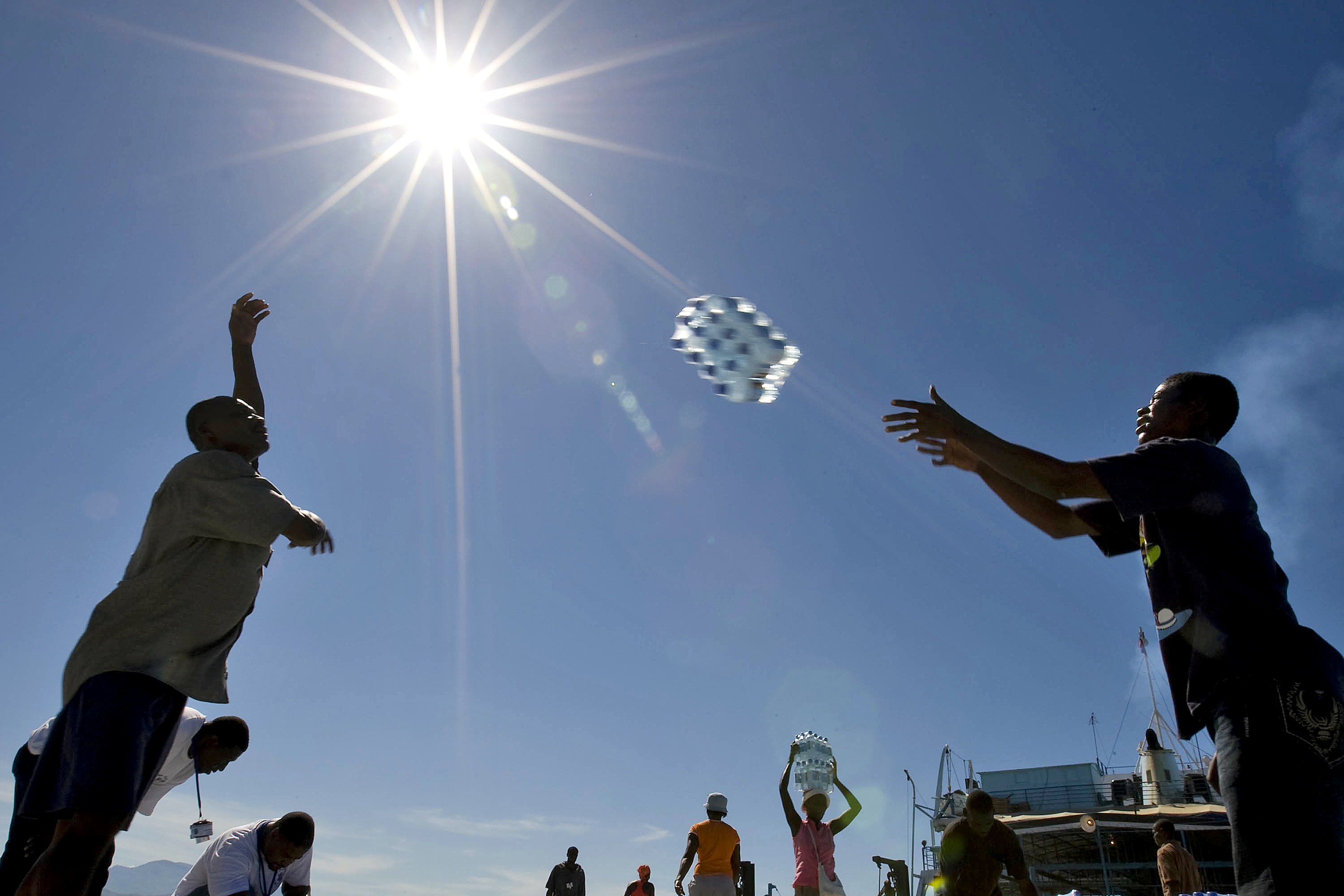
There is currently no support provided directly to climate refugees, due to the recognition issues previously outlined. International organisations (e.g. IOM, ILO, UNHCR, etc) are currently focusing their attention on conducting research into climate refugees to inform policy. The most significant of these projects is IOM’s MECLEP project which is part-funded by the European Union. These organisations and large NGOs working globally also run projects focusing on how migration might be used as a form of adaptation to climate change: i.e. by enabling people to move positively, safely and with dignity rather than through lack of choice. International agencies and NGOs of course also provide support to people at risk of displacement (e.g. projects to enhance livelihoods and food security or disaster risk reduction) as well as humanitarian aid to affected populations.
So, in practice, what has been done so far?
There are three major on-going high-level international processes. The first is within the UN Framework Convention on Climate Change (UNFCCC) – basically the climate change treaty. This has seen a coalition of big players (the Inter-Agency Standing Committee) and some member countries insert a very tentative sentence into Section 14(f) of the 2010 Cancun Adaptation Framework which recognises three types of affected movement (displacement, migration and planned relocation) and calls for national, regional and international responses.
The first process draws in the big players, what about the other processes, any chance that the people directly affected will be involved?
In fact, the second process is the Nansen Initiative which is a state-led bottom-up consultative process addressing the protection needs of people displaced across international borders in the context of disasters and the effects of climate change. It is expected to wrap up its findings over the next year and produce a series of guidelines to states on protection measures.
This involves governments around the globe. How about Europe that has always been in the forefront of the climate change debate?
That is correct. The European Union has been at the forefront of exploring how it might be able to address this issue in external countries. Although the EU’s approach remains very cautious, the measures outlined by the Commission and endorsed by Member States in 2013 give some cause for celebration as they signal that at least one major global player is taking the issue seriously.
How would you summarize the situation?
Not nearly enough is being done. The idea that we still require more research before developing effective policy interventions is not necessarily always true and is starting to inhibit action from decision-makers.
Why is it important to give our contribution?
By acting now, we not only help people who are currently suffering but will also help people in the future, and could potentially be helping our own children or our grandchildren.
How to take part?
To take part, take a photo of yourself in front of your home (or photograph anything home-related), and write a short message about what home means to you. Go to http://bypost.com/postcards or download the free ByPost app, click ‘Send a postcard now’ and then ‘Send a postcard to the UN for FREE’ to upload your picture and write your message. Your postcard will be delivered free of charge to the UN in time for the Climate Summit which is on September 23rd.