At first glance, the COVID-19 crisis appears to have nothing to do with the climate emergency. Over the last month, COVID-19 has eclipsed climate change and many other global challenges as the most pressing issue we face worldwide. Between learning to manage life on lockdown and monitoring the surreal charts depicting soaring numbers of infections and deaths across the globe, it can be difficult to find brain space for anything else.

But the novel coronavirus increasingly illuminates a serious underlying fragility that goes well beyond health. This fragility stems from the fact that our health, energy, finance, and food systems are all inextricably connected. There is a clear lesson here for us about how supply chains that cross multiple borders are vulnerable to climate change and a host of other intersecting risks associated with our global systems. Understanding climate change as a compounding risk factor is now an urgent priority, with implications for how we perceive the need for climate change mitigation and adaptation in both developed and developing countries.
Related topics: Flattening the food insecurity curve – Bridging Divides Between Health and Food Systems – Soaring Cost of COVID for Communities and Conservation
Climate change is a global risk multiplier
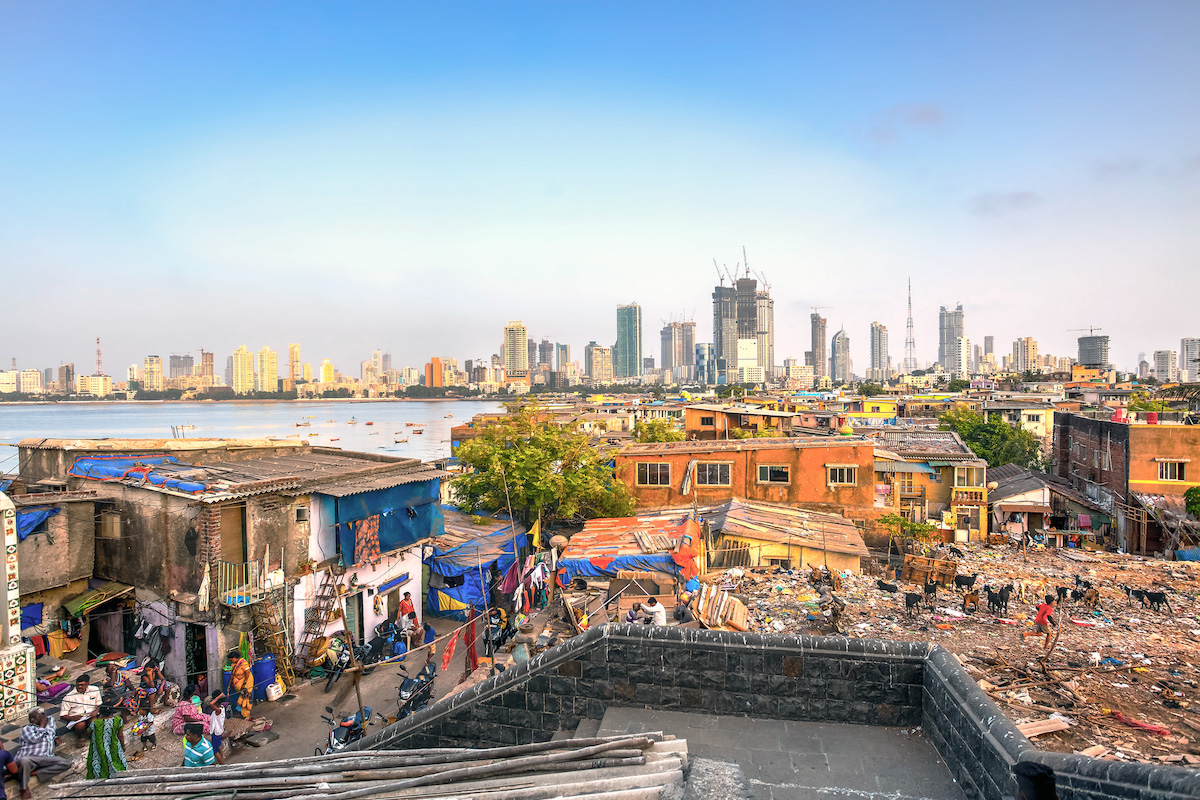
As demand for food has increased in line with a burgeoning global population, our global food systems and the natural resources they rely on are already under strain. And in many places in the developing world, climate change impacts and vulnerability add extra pressure, threatening food systems, livelihoods, and health.
The spread of COVID-19 in the Global South will compound these pressures on food systems. Consumer access to food and producer access to markets could be impacted significantly if there is a ban on the sale of food outside of grocery stores. Incomes and thus food security for people who rely on casual labor for their livelihoods would be threatened by a lockdown. In Africa, the virus could take a significant toll on food production itself if it sickens the aging agricultural workforce or prevents women, who are often tasked with caring for the elderly, from getting to the fields. Seventy-nine percent of economically active women in least developed countries rely on agriculture as their primary source of livelihood (FAO). This comes even as Africa is on the verge of a food crisis faced with a locust invasion, the worst infestation in the last 25 years.
But COVID-19 has shown us that climate change is a risk multiplier for food systems in the developed world as well. If you live in one of the countries hardest hit by the novel coronavirus, chances are you are familiar with empty grocery store shelves, have seen evidence of restaurants and their suppliers struggling to stay afloat during closures, and may know people who are turning to food banks to feed their families after losing their jobs. While to most of us, this has felt extreme, things could get much worse. In the background, as numbers of infections rise in the developing world, a bigger food systems crisis looms. The globally interconnected nature of food systems means that countries in the developed world will soon feel the impacts of COVID-19 in countries in the developing world.
New research needed to understand risk
In the UK, for instance, even before the novel coronavirus took hold, researchers noted the vulnerability of the nation’s food systems. The 2017 UK Climate Change Risk Assessment summarizes the implications well: “Adaptation efforts focused on the UK’s domestic production of food will have only marginal success because of the global interconnected nature of food systems…” COVID-19 will bring to the fore the consequences of our failure to adequately mitigate climate change and find adaptation solutions in agriculture.
Food system actors all along the value chain will be affected in different ways. Governments, the private sector, NGOs, and farmers alike are already grappling with the implications for current and future of food systems. Research is urgently needed to better understand how producers, consumers, and all the businesses in between will be affected by changes in supply and demand, as COVID-19 forces shifts in farm labor, planting schedules, imports and prices.
In places with less stability, if food security is threatened, civil tension and unrest are a real possibility. In fragile countries already suffering from food insecurity and climate change impacts, COVID-19 can potentially slip into conflict around access to increasingly scarce resources. We will need new research to understand how risks cascade across sectors and borders and their potential impacts on food system actors, and new approaches that account for interconnected risks.

Disruption as opportunity
When all of this is over, what kind of world do we want to go back to? The responses to COVID-19 around the globe demonstrate that speedy, collective action is possible. We have shown ourselves that we are capable of drastic lifestyle changes when called upon to act in the name of the greater good. 2019 was the year we woke up to the climate emergency; the year the language changed. It’s imperative not to lose the momentum we’ve worked hard to build—and to do this, we will need to make the most of the current situation.
As the world has ground to a halt over the last month, we are finding ways to work from home, travel less, make do with less. And there is ample evidence of benefits for the environment: reductions in greenhouse gas emissions and pollution, the return of wildlife, and more. We should strive to maintain these unexpected gains. When the crisis fades it will be all too easy to return to business as usual; instead we should seize the opportunity to opt for business unusual and collectively push for changes, in food systems and elsewhere, for a climate positive future.
About the author: Andrew Challinor is a Professor of Climate Impacts at the University of Leeds. Dhanush Dinesh is Global Policy Engagement Manager for the CGIAR Research Program on Climate Change, Agriculture and Food Security (CCAFS). Peter Läderach is Leader of the Climate-Smart Technologies and Practices Flagship of CCAFS. Marissa Van Epp is Global Communications and Knowledge Manager for CCAFS.
EDITOR’S NOTE: The opinions expressed here by Impakter.com columnists are their own, not those of Impakter.com. Photo Credit: D. Elombat (WHO)