Enel is a multinational power corporation that employs an explicitly sustainable strategy, based on an approach aimed at creating long-term value for all stakeholders, enhancing the synergies between our business and everything around us. We are constantly looking for new energy and technological solutions, leveraging on all opportunities arising from the energy transition while taking into account their social and environmental implications, promoting access to affordable, reliable and innovative energy for all.
Energy is a fundamental enabler of progress and growth and is vital for the development of technology, industry and society. Giving people access to energy means opening up local communities to new possibilities in education, healthcare, gender equality and employment. By focusing on clean energy, companies like Enel are able to drive development while helping to protect the environment, and therefore the communities it supports. Additionally, renewables are a win-win model as they are increasingly competitive with other generation technologies, helping to achieve all sustainability goals and creating long-term shared value for the company and its stakeholders.
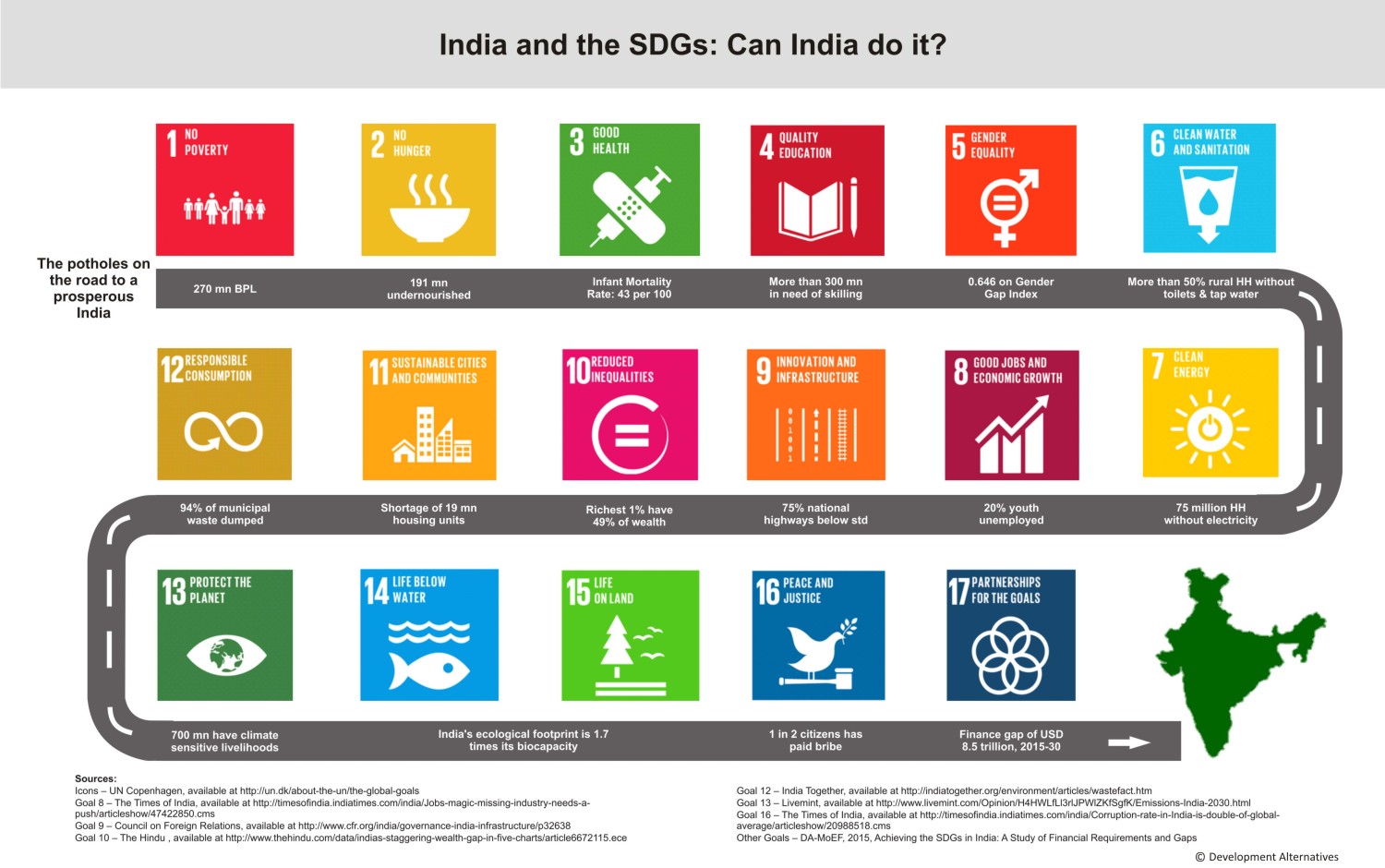
Companies that incorporate the United Nations Sustainable Development Goals (SDGs) into their business strategies give themselves the advantage of a clear roadmap to informed decision-making that will drive value for shareholders and for all stakeholders. The pursuit of SDGs has become an integral part of Enel’s business operations and, as such, they are reflected in the key pillars of our strategic plan which fully incorporate our economic, social and governance (ESG) standards.
The Group has been committed to helping reach the UN SDGs since their inception in 2015. Enel’s strategic plan and its sustainability plan clearly show the deployment, across the board of all 17 SDGs, of the company’s sustainable business model throughout its value chain. Additionally, we are promoting the achievement of these goals by employing a strategy based on a long-term view translated into Specific, Measurable, Achievable, Relevant, Time-oriented (SMART) targets.
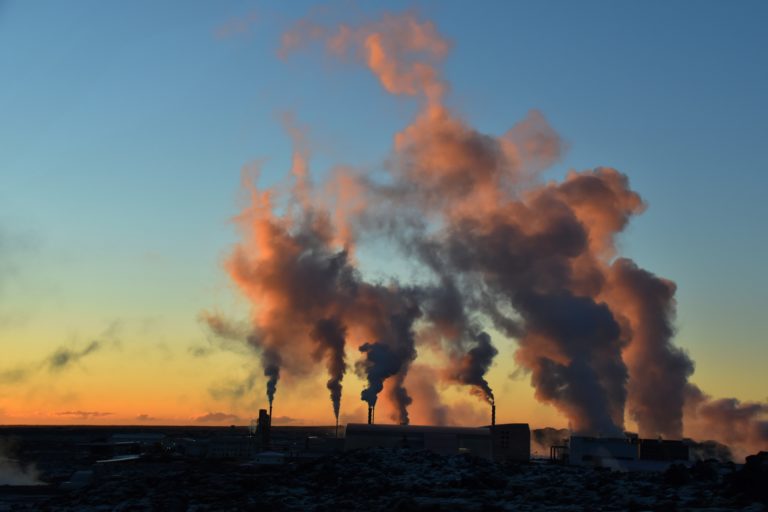
As a global player in the energy industry, Enel’s strategy focuses on renewable growth, through which the Group confirms its commitment to environmental preservation and to fighting climate change. One of the SMART targets set by the Group concerns the full decarbonisation of its generation mix by 2050, thereby helping to reach SDGs 7 (Affordable and Clean Energy) and 13 (Climate Action). As of December 2018, specific CO2 emissions totaled 0.356 kg/kWheq, and the Group’s new target became 0.23 kg CO2/kWheq by 2030. In addition to actions that focus on the generation mix, Enel’s strategy also focuses on digitalisation, electric mobility, energy efficiency and innovation (SDG 7, 9, 11).
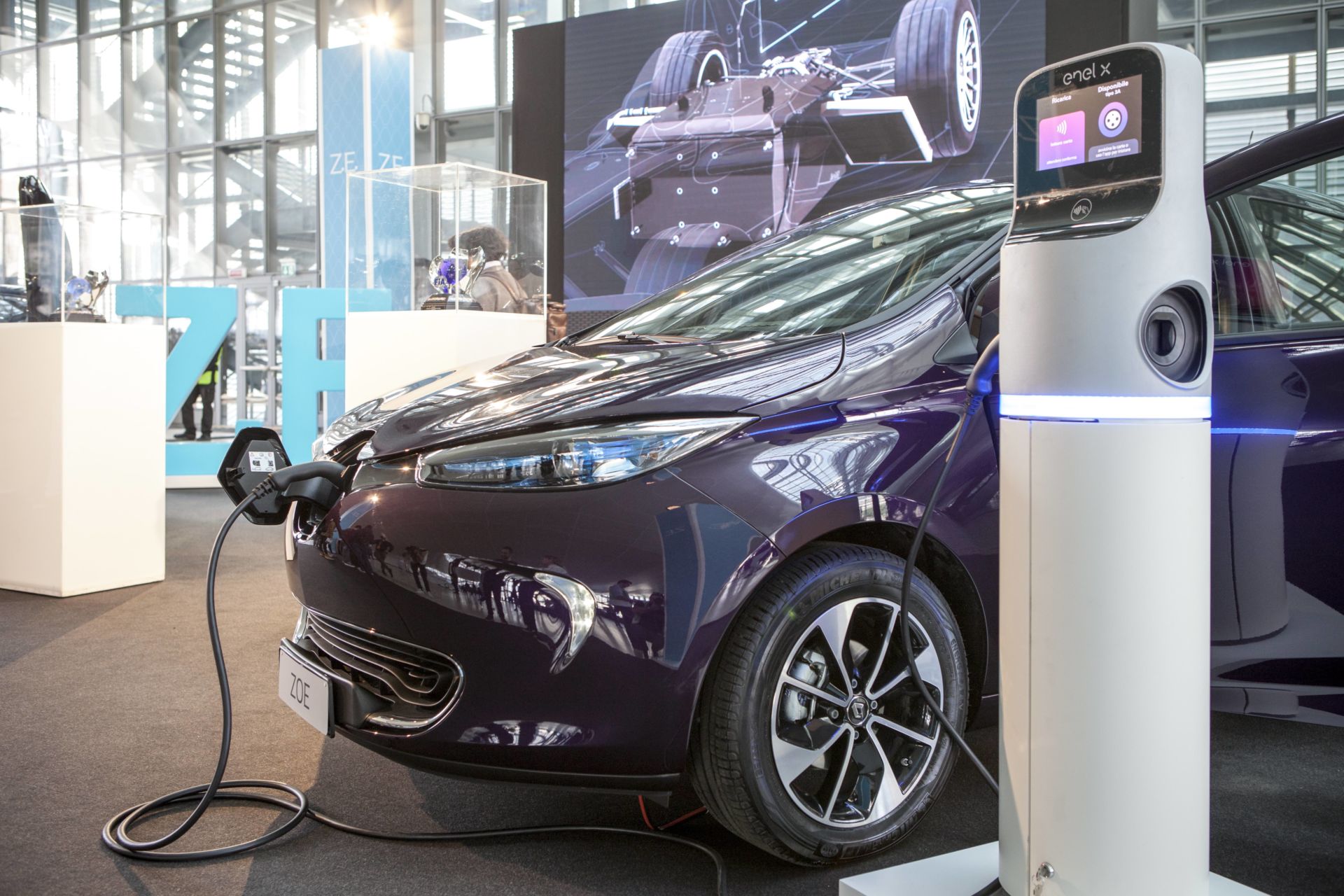
Enel’s commitment to the circular economy (SDG 12) encompasses innovation, competitiveness, and environmental sustainability, and engages all the areas of the Group to work towards these objectives. Transitioning from a linear economy to a circular one based on sustainable solutions (renewables, reuse and recycling) and the circular use of assets, fully leveraging on them through sharing solutions and product-as-services, and enhancing their end-of-life phase signifies a true change in perspective. An important example of end-of-life enhancement is the replacement and recycling management of first-generation smart meters, also known as smart or electronic meters.
The campaign, which started in 2017, involved 1.8 million smart meters in its first year and is expected to reach about 31 million in the next seven years. Every meter is made up of roughly 65% plastic, with lower percentages of iron (12%), copper (7%), as well as electronic circuit boards (7%). These materials, when correctly recovered at authorised plants, become reusable resources in other production cycles (automotive industry, headlights, electric appliances, switches).
Editor’s Picks — Related Articles:
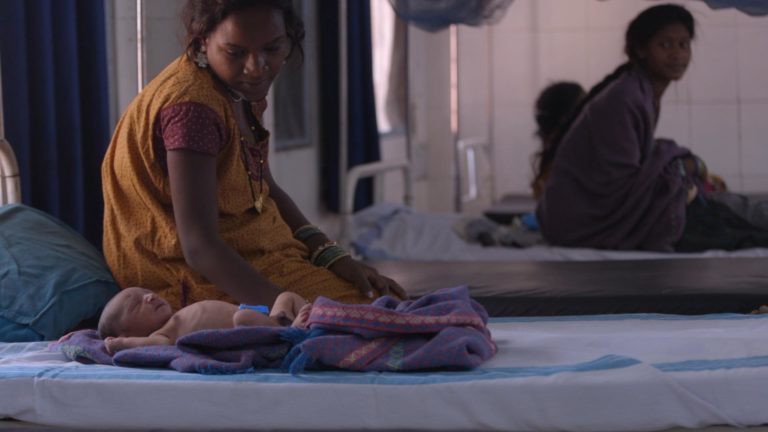 “Sustainable Energy Can Power A Health Revolution”
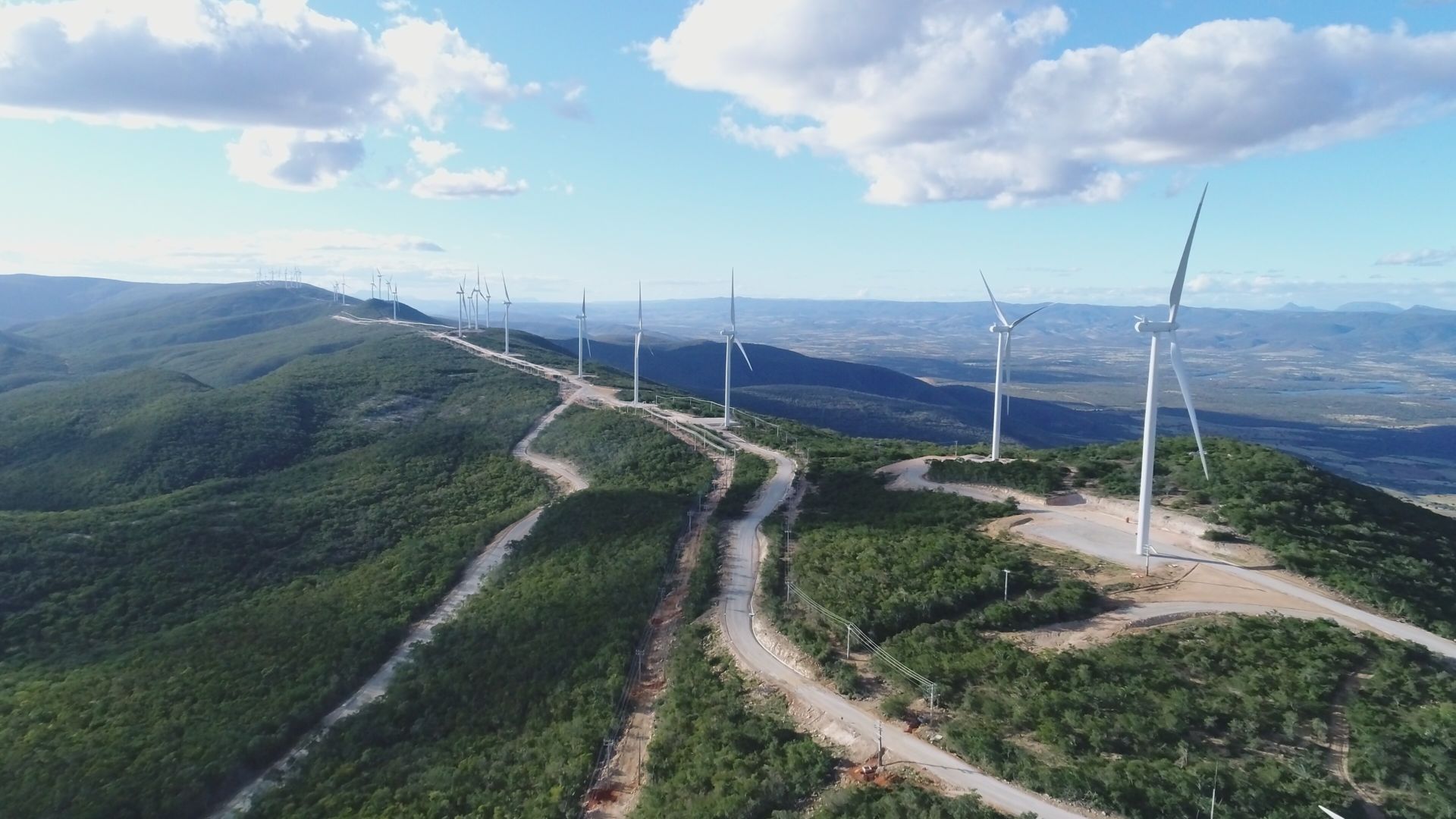
“Renewable Energy as a Basis for the Global Economy: An Interview With Poduhvat”
Imagining a new development model for cities, where the majority of the global population is gathering, where much of our produced resources are consumed and where environmental issues have particular importance, means imagining it for the entire planet. The cities of tomorrow will be sustainable and circular (SDG 9, 11): new landscapes and concepts will embrace all city planning from buildings to infrastructure, to e-mobility, energy systems as well as to the waste cycle management.
Enel is also contributing to achieving three SDGs linked to relations with communities:
SDG 7 — ensuring access to affordable, reliable, sustainable and modern energy, including the promotion of energy-efficiency services, the beneficiaries of which will include 10 million people by 2030. For the 2015-2018 period, the Group reached 6.2 million beneficiaries, 3.3 million of which in Africa, Asia and South America. Enel has launched sustainability initiatives aimed at helping to guarantee access to modern energy services, improve energy efficiency and increase the use of renewable resources. Additionally, Enel has helped to improve the economic sustainability of energy in vulnerable areas. For example, in parts of Romania and Brazil we used an approach that brings together social services, education projects and safeguarding of environmental conditions to improve the quality of life for residents.
SDG 4 — supporting projects to ensure inclusive and equitable quality education for 2.5 million people by 2030. Enel reached around one million beneficiaries for the 2015-2018 period, by offering scholarships in various countries (Argentina, Chile, Colombia, Russia, United States) to facilitate access to education (from primary schools to professional institutes), as well as contributing to the training of teachers in Colombia.
SDG 8 — promoting sustained, inclusive and sustainable economic growth for eight million people by 2030. Enel reached around 1.8 million beneficiaries in the 2015-2018 period. Some examples include the development of fishing areas close to our thermoelectric plant in Civitavecchia, Italy, and the introduction of industrial techniques for the processing of nuts for the Pehuenche community close to the Pangue and Ralco hydroelectric plants in Chile. Other initiatives are aimed at supporting entrepreneurial activities.
Open Innovability is the product of innovation and sustainability, which are at the heart of Enel’s strategy, along with our Open Power vision. It is an ecosystem based on sharing, which allows us to face challenges by connecting the Group with startups, industrial partners, small and medium-sized enterprises, research centres, universities and problem solvers, through crowdsourcing platforms.
Enel currently has 91 active innovation partnership agreements, including eight global agreements which cross over several business lines. The network of hubs, which gives startups the opportunity to test their solutions with the support of Enel’s structures and knowledge, was expanded in 2018, reaching seven Innovation Hubs (San Francisco, Boston, Tel Aviv, Madrid, Moscow, Santiago de Chile and Rio de Janeiro) and three Innovation Hub & Labs (Catania, Pisa and Milan). Through the Innovation Hubs, 28 boot camps and scouting activities dedicated to specific technologies of interest to the Group were organised in 2018.
https://www.youtube.com/watch?v=-zutvRYjpBM
The challenges launched by Enel are inspired by the SDGs, to allow greater access to energy and open up to new technologies and new business needs (SDG 17). Some of the challenges launched include: Protecting Low Voltage and Medium Voltage Distribution Lines Challenge by Enel (SDG 9 and 15), Recycle and reuse of wind turbine blades (SDG 12), Education as a global right (SDG 4), local economy development and social progress (SDG 8). Innovation also boosts growth through the communities, while the sectors and technologies that involve different areas and experts within the company include: energy storage, block chain, drones, augmented and virtual reality, 3D printing, artificial intelligence, wearables and robotics.
These goals can only be achieved through the aspirations, expectations and enthusiasm (SDG 4, 5, 8) of people inside and outside the company. Curiosity and knowledge together make up the energy that drives us to take on the present and work towards the future. By embracing a sustainable model, we are embarking on a journey of discovery that leads us to value diversity, build relationships and establish trust. Brilliant ideas and new achievements make the difference, creating value for our customers, for the communities in which we operate, for our people and shareholders.
Sustainable finance also plays a key role in promoting sustainable development over the long term, which makes it essential to connect to overarching business models rather than just single projects. Enel is also committed to promoting transparency of disclosure with regards to all aspects of its sustainable business model (SDG 12). For more on this aim please see the Enel Sustainability Report 2018.
Non-financial information is coming under increased scrutiny by investors and financial markets, which are now focusing on the ability of a company to make sustainable long-term business plans that translate into concrete, measurable actions and better financial performance.
In the long-term, sustainability is a value; one that is shared, operational and financial.
For this reason, a coordinated collaboration among companies, society and governments will be key to achieve the sustainable development goals and promote the progress of humanity.